Can parasite medication cause hair loss in cats

Share

can parasite medication cause hair loss in cats
parasite medications are commonly prescribed or recommended by veterinarians to help prevent or treat various parasites in cats. These medications play an important role in maintaining your cat’s health by controlling fleas, ticks, worms, and other parasites that can cause discomfort or illness. It is essential to understand that parasite medications should always be used under veterinary guidance to ensure safety and effectiveness.
One question that sometimes arises is, Can parasite medication cause hair loss in cats? While hair loss is not a typical side effect of properly administered parasite treatments, some cats may experience skin reactions or sensitivities that could contribute to changes in their coat. Additionally, hair loss might be related to the underlying parasite infestation itself or other health issues rather than the medication.
This information is intended for general educational purposes only and does not replace professional veterinary advice. If you notice any unusual symptoms, including hair loss, after your cat receives parasite medication, it is important to consult your veterinarian promptly. They can assess your cat’s condition and provide guidance tailored to your pet’s specific needs.
Reviewed by the SASI Vet Medications Editorial Board.
What “parasites” means for pet owners
Parasites are organisms that live on or inside pets, often causing discomfort or health issues. Understanding the difference between external and internal parasites is important for maintaining your pet’s well-being.
External Parasites
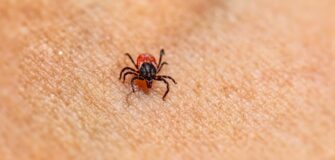
External parasites live on the skin or fur of pets. Common examples include fleas, ticks, and mites. These parasites can cause itching, redness, hair loss, and skin infections. Because they are visible, signs of external parasites are often easier to detect. Regular veterinary check-ups help identify and manage these parasites safely.
Internal Parasites
Internal parasites reside inside the body, often in the digestive tract or other organs. Examples include worms and protozoa. These parasites may cause symptoms such as weight loss, vomiting, diarrhea, or lethargy, but sometimes pets show no obvious signs. Veterinary guidance is essential for proper diagnosis and management.
Many pet owners wonder, can parasite medication cause hair loss in cats? While some skin reactions can occur, hair loss is more commonly related to the parasites themselves or underlying skin conditions. Always consult your veterinarian to ensure safe and effective parasite control tailored to your cat’s needs.
Why anti-parasitics should be veterinary-guided
When considering parasite control for your cat, it’s important to understand that can parasite medication cause hair loss in cats depends on several factors. The safety and effectiveness of anti-parasitic treatments vary based on your cat’s species, age, weight, and overall health. What works well for one cat may not be safe for another, especially if underlying health conditions are present.
Individualized care is essential
Veterinarians assess these factors carefully to recommend the most appropriate and safe options. Using leftover medications or products intended for humans can be harmful and increase the risk of adverse reactions, including skin irritation or hair loss. Proper veterinary guidance ensures that the chosen treatment minimizes side effects and protects your cat’s well-being.
Regional risks and parasite types
Parasite risks vary by region, and a veterinary professional can tailor prevention strategies accordingly. This personalized approach helps avoid unnecessary exposure to medications and reduces the chance of complications such as hair loss or other skin issues.
Always consult your veterinarian before administering any anti-parasitic medication to ensure the safest and most effective care for your cat.
Common situations where vets may discuss parasite prevention
Veterinarians often talk about parasite prevention during routine visits, especially when a cat’s lifestyle increases its risk of exposure. Cats with outdoor access are more likely to encounter fleas, ticks, or intestinal parasites, making prevention an important topic. Similarly, cats that travel frequently or stay in daycare environments may face higher parasite risks due to contact with other animals.
Outdoor Access and Wildlife Contact
Cats that roam outdoors or live near wildlife habitats have increased chances of picking up parasites. Wildlife can carry various parasites that may be transmitted to domestic cats, so vets emphasize prevention in these cases to maintain your cat’s health.
Seasonal Considerations
Parasite risks often fluctuate with the seasons. Warmer months typically see a rise in flea and tick activity, prompting vets to discuss prevention strategies more frequently during these times. However, parasite prevention remains important year-round in many regions.
Many pet owners wonder, can parasite medication cause hair loss in cats? While some cats may experience mild reactions, hair loss is uncommon and usually linked to other factors. Always consult your veterinarian to ensure safe and appropriate parasite prevention tailored to your cat’s lifestyle and health needs.
Why the ‘right’ plan differs by pet and region
When considering concerns such as can parasite medication cause hair loss in cats, it’s important to understand that parasite risks vary widely depending on where you live and the time of year. Different regions have distinct climates and environments that influence the types and prevalence of parasites affecting pets. For example, some areas may have a higher risk of fleas or ticks during warmer months, while others might face year-round challenges.
Tailoring prevention to your cat’s needs
Because of these variations, veterinarians develop parasite prevention plans that are customized for each pet’s lifestyle, health status, and local parasite threats. This personalized approach helps ensure that your cat receives the safest and most effective protection possible. If you notice any changes in your cat’s coat or skin, including hair loss, it’s essential to discuss these observations with your veterinarian. They can help determine whether the cause is related to parasite prevention or another underlying issue, ensuring your cat’s comfort and well-being.
Common mistakes to avoid
When considering the question, can parasite medication cause hair loss in cats, it is important to understand that improper use of these products can increase the risk of adverse effects, including hair loss. One common mistake is mixing different parasite medications without veterinary guidance. Combining products can lead to overdosing or harmful interactions, which may cause skin irritation or hair thinning.
Using the wrong species product
Another frequent error is using parasite medications intended for other animals, such as dogs, on cats. Cats have unique sensitivities, and products not formulated for them can result in serious side effects, including hair loss and skin damage.
Incorrect dosage and treatment without diagnosis
Administering incorrect amounts of parasite medication or treating without a proper veterinary diagnosis can also contribute to adverse reactions. Overdosing or unnecessary treatment may cause toxicity, leading to hair loss or other health issues. Always consult a veterinarian before starting any parasite control to ensure the safety and well-being of your cat.
Safety during prescribed anti-parasitic use
When using any anti-parasitic treatment for your cat, it is essential to follow your veterinarian’s directions carefully. Proper use ensures the medication’s effectiveness and helps minimize potential side effects. One common concern among cat owners is whether parasite medication can cause hair loss in cats. While some reactions may occur, hair loss is not a typical side effect and should be discussed with your veterinarian if noticed.
Storage and handling
Keep all anti-parasitic medications stored securely and out of reach of children and pets. Proper storage conditions, as advised by your veterinarian or the product guidelines, help maintain the medication’s safety and potency.
Monitoring and record-keeping
Observe your cat closely after administering any medication. Monitor for any changes in behavior, appetite, skin condition, or coat quality. Keeping a record of treatments and any observed reactions can be helpful during veterinary consultations.
When to contact your veterinarian
If you notice unusual symptoms such as hair loss, excessive scratching, redness, or swelling, contact your veterinarian promptly. Early communication ensures your cat receives appropriate care and adjustments to their treatment plan if necessary.
Parasites and household safety
When managing parasites in your home, maintaining good hygiene and cleaning routines is essential for the health of both your pets and family members. Parasites that affect cats can sometimes pose risks to humans, making thorough cleaning of bedding, carpets, and living areas important to reduce exposure. Regular vacuuming and washing of pet items help minimize the presence of parasite eggs or larvae in the environment.
Communication with your veterinarian
If you have concerns such as hair loss in your cat, including questions like can parasite medication cause hair loss in cats, it is important to discuss these with your veterinarian. Hair loss can result from various causes, including reactions to parasites or their treatments, but only a professional can provide safe guidance tailored to your cat’s specific needs. Never adjust or stop any medication without veterinary advice.
Safety first
Always follow your veterinarian’s recommendations to ensure the well-being of your cat and household. Responsible use of parasite control measures, combined with good hygiene practices, helps protect everyone in your home from potential health risks associated with parasites.
Questions pet owners often ask (FAQs)
Can parasite medication cause hair loss in cats?
Some cats may experience mild skin reactions after receiving parasite medication, which can occasionally lead to temporary hair thinning or loss. However, significant or persistent hair loss is uncommon and should be evaluated by a veterinarian to rule out other causes.
What should I do if my cat loses hair after parasite treatment?
If you notice hair loss following parasite medication, monitor your cat closely for additional symptoms such as redness, itching, or swelling. Contact your veterinarian promptly to discuss your observations and ensure your cat’s safety.
Are all parasite medications safe for cats?
Parasite medications approved for cats are generally safe when used as directed by a veterinarian. Individual sensitivities can vary, so it’s important to follow veterinary guidance and report any unusual reactions.
Can hair loss be a sign of an allergic reaction to parasite medication?
Yes, hair loss can sometimes be part of an allergic or irritant reaction. Early veterinary assessment helps determine the cause and appropriate care to minimize discomfort and prevent complications.
How can I prevent adverse reactions to parasite medication?
Always consult your veterinarian before administering any parasite medication. They can recommend the safest options based on your cat’s health history and current condition, helping to reduce the risk of side effects like hair loss.
Working with your veterinarian
If you are concerned about can parasite medication cause hair loss in cats, it is important to have an open conversation with your veterinarian. Hair loss can sometimes be related to reactions from parasite treatments, but many factors may contribute, including allergies, stress, or underlying health conditions.
Discuss your cat’s lifestyle
Sharing details about your cat’s daily environment, interactions with other pets, and exposure to outdoor areas helps your veterinarian understand potential risks and tailor a safe parasite control plan. Mention if your cat spends time with children or other animals, as this can influence the choice of preventive measures.
Review past experiences
Inform your veterinarian about any previous reactions to parasite medications or other treatments. This information is crucial for avoiding adverse effects and ensuring your cat’s comfort and safety.
Consider travel and environment
If your cat travels or lives in an area with specific parasite risks, your veterinarian can recommend appropriate strategies that minimize side effects while effectively protecting your pet.
By working closely with your veterinarian and providing a full picture of your cat’s health and lifestyle, you can help ensure a parasite prevention plan that supports your cat’s well-being without unnecessary risks.
Summary
Concerns about whether parasite medication can cause hair loss in cats are understandable. While anti-parasitic treatments play a crucial role in protecting cats from harmful parasites, improper use or sensitivity to certain products may sometimes lead to skin reactions, including hair loss. It is important to recognize that hair loss in cats can result from various factors such as allergies, infections, or underlying health conditions, not solely from parasite medications.
Using anti-parasitics responsibly under veterinary guidance helps minimize risks and ensures the safety and well-being of your cat. A veterinarian can recommend the most appropriate options based on your cat’s health status and specific needs. Monitoring your cat closely after administering any medication is essential to detect any adverse reactions early.
Ultimately, parasite control is a valuable part of maintaining your cat’s health, but it must be approached thoughtfully and carefully. If you notice hair loss or other unusual symptoms following parasite treatment, consulting your veterinarian promptly is the best course of action to address the issue safely and effectively.
- Canadian Veterinary Medical Association (CVMA)
- American Veterinary Medical Association (AVMA)
- World Small Animal Veterinary Association (WSAVA)
- Companion Animal Parasite Council (CAPC)
- British Small Animal Veterinary Association (BSAVA)
Disclaimer: This article provides general information about anti-parasitics for pets and does not replace professional veterinary advice. Do not give any medication to your pet unless directed by a licensed veterinarian.