Cat allergies common causes and long-term care

Share
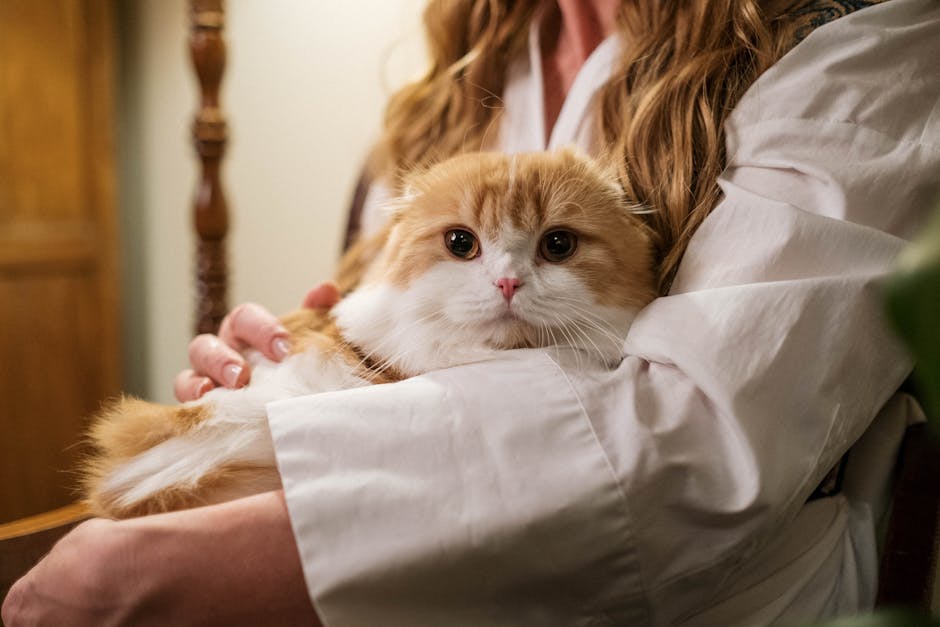
Cat allergies common causes and long-term care
Introduction
Cat allergies common causes and long-term care is a topic that affects many pet owners, especially those with cats or who are considering adopting one. Allergies in cats are often associated with environmental factors, food sensitivities, or flea bites, and they may cause symptoms such as itching, redness, and discomfort. While allergies can affect both dogs and cats, this article focuses primarily on cats, as they are frequently affected by these conditions.
Understanding the common causes of allergies in cats is important for pet owners because it helps in recognising potential signs early and seeking appropriate care. Allergies may impact a cat’s quality of life and require ongoing management to reduce symptoms and prevent complications.
It is important to remember that this article does not replace a veterinary visit. Only a licensed veterinarian can diagnose allergies and recommend suitable treatments tailored to each individual cat. Veterinarians may recommend diagnostic tests and long-term care strategies to manage allergic conditions effectively.
Reviewed by SASI Vet Editorial Board.
What this condition is
Cat allergies common causes and long-term care involve an immune system response where a cat’s body reacts to substances in its environment that are usually harmless. This condition is often associated with inflammation of the skin, respiratory tract, or digestive system.
Allergies in cats may cause symptoms such as itching, redness, sneezing, coughing, or digestive upset. The condition typically develops over time as the immune system becomes sensitized to allergens, which are substances that trigger allergic reactions.
Parts of the body affected
- Skin: Allergic reactions may lead to itching, hair loss, or sores.
- Respiratory system: Sneezing, coughing, or wheezing can occur if the airways are involved.
- Digestive system: Vomiting or diarrhoea may be signs of food-related allergies.
Veterinarians may recommend diagnostic tests to identify specific allergens and develop a management plan. Since cat allergies common causes and long-term care vary widely, only a licensed veterinarian can diagnose and guide appropriate treatment for each individual cat.
Common causes
Cat allergies common causes and long-term care often involve a combination of environmental and genetic factors. Allergies in cats are frequently linked to hypersensitivity to substances in their surroundings, although the exact triggers can vary widely between individual animals.
Environmental factors
- Fleas and flea saliva are a common cause of allergic reactions in cats, often leading to skin irritation and discomfort.
- Household allergens such as dust mites, mould spores, and pollen may cause or worsen allergic symptoms.
- Certain foods or food ingredients can be associated with allergic responses, though food allergies are less common than environmental ones.
Genetic and other considerations
Some cats may have a genetic predisposition to allergies, making them more susceptible to developing symptoms when exposed to allergens. Additionally, stress and other health conditions can influence the severity and frequency of allergic reactions.
Because causes can be mixed or uncertain, veterinarians may recommend diagnostic testing to identify specific allergens and develop an appropriate long-term care plan tailored to each cat’s needs. Only a licensed veterinarian can diagnose and manage allergies safely and effectively.
Typical signs and symptoms
Cat allergies common causes and long-term care often involve recognising a range of signs that may appear in affected pets. These signs can vary in severity and may develop gradually or suddenly. Pet owners should carefully observe their animals and note any changes to share with their veterinarian.
Mild signs
- Occasional scratching or licking of the skin
- Redness or mild irritation around the face, ears, or paws
- Watery eyes or sneezing
- Intermittent coughing or mild respiratory noises
More serious signs
- Persistent or intense scratching leading to hair loss or sores
- Swelling or thickening of the skin
- Frequent sneezing or nasal discharge
- Difficulty breathing or coughing that worsens over time
Because these symptoms may cause discomfort and affect quality of life, veterinarians may recommend monitoring the frequency and severity of signs. Keeping detailed notes on when and how symptoms occur can assist your veterinarian in diagnosing and managing your pet’s condition safely and effectively.
When it is an emergency
Cat allergies common causes and long-term care may lead to symptoms that require urgent veterinary attention. While many allergic reactions develop gradually, certain signs indicate a potentially serious problem that needs immediate evaluation by a licensed veterinarian or an emergency clinic.
Seek emergency care if your pet shows any of the following red flag signs:
- Sudden difficulty breathing, wheezing, or persistent coughing
- Severe swelling of the face, lips, or throat
- Collapse, weakness, or unresponsiveness
- Rapidly worsening skin lesions or intense itching causing distress
- Repeated vomiting or diarrhoea, especially with lethargy
- Signs of severe pain or discomfort that do not improve
These symptoms may cause significant distress and can be life-threatening. Veterinarians may recommend urgent interventions to stabilise your pet and determine the underlying cause. It is important not to delay seeking professional care if you notice sudden, severe, or rapidly worsening signs.
Remember, only a licensed veterinarian can diagnose and treat your pet safely. If you are ever unsure about the severity of your pet’s condition, err on the side of caution and seek immediate veterinary advice.
How veterinarians diagnose it
When assessing cat allergies common causes and long-term care, veterinarians begin with a thorough history and physical examination. Understanding the pet’s symptoms, environment, and any previous health issues helps guide the diagnostic process.
History and Physical Exam
The veterinarian will ask about the onset, duration, and severity of symptoms, as well as any potential exposure to allergens. A complete physical exam is performed to identify signs that may be associated with allergic reactions or other underlying conditions.
Diagnostic Tests
To support the diagnosis, veterinarians may recommend several tests, including:
- Blood work to evaluate overall health and detect markers of inflammation or immune response
- Skin testing or allergy panels to identify specific allergens
- Imaging studies such as X-rays or ultrasound to rule out other causes of symptoms
- Additional laboratory tests, depending on clinical findings
It is important to remember that only a licensed veterinarian can accurately diagnose and develop a treatment plan tailored to an individual pet’s needs.
Treatment options
When managing cat allergies common causes and long-term care, veterinarians may recommend a variety of treatment approaches tailored to the individual pet’s needs. It is important to remember that only a licensed veterinarian can determine the most appropriate plan based on a thorough examination and diagnostic testing.
Medications
Medications may be used to help control symptoms associated with allergies. These can include anti-inflammatory drugs, antihistamines, or other therapies aimed at reducing itching and discomfort. The choice of medication and duration of treatment depend on the severity and type of allergy.
Procedures and Testing
In some cases, veterinarians may suggest allergy testing to identify specific allergens. This information can guide targeted treatments or avoidance strategies. Immunotherapy, such as allergy shots, may be considered for long-term management in certain pets.
Dietary Changes and Home Care
- Special diets formulated to reduce allergic reactions or support skin health may be recommended.
- Regular grooming and bathing can help remove allergens from the cat’s coat and skin.
- Environmental modifications, such as reducing exposure to dust or pollen, may also be beneficial.
Each cat’s response to treatment can vary, so ongoing veterinary monitoring is essential to adjust the plan as needed and ensure the best quality of life.
Home care and monitoring
After a veterinary visit for concerns related to cat allergies common causes and long-term care, pet owners may play an important role in supporting their cat’s comfort and well-being. It is important to follow the veterinarian’s guidance and avoid making changes to treatment without professional advice.
Monitoring your cat
Careful observation can help identify any changes in your cat’s condition. Owners may wish to:
- Note any changes in scratching, grooming, or skin appearance
- Watch for signs of discomfort such as restlessness or irritability
- Keep track of appetite, energy levels, and litter box habits
Comfort measures at home
Providing a calm and clean environment may support your cat’s comfort. This can include:
- Maintaining a regular grooming routine to reduce allergens on the fur
- Using gentle cleaning products recommended by your veterinarian
- Ensuring easy access to fresh water and a quiet resting area
When to contact your veterinarian
If your cat’s symptoms worsen, new signs develop, or you have concerns about their response to treatment, it is important to contact your veterinary clinic promptly. Only a licensed veterinarian can diagnose and adjust care plans safely.
Prevention and long-term management
Cat allergies common causes and long-term care often involve a combination of strategies to reduce exposure and manage symptoms. While it may not be possible to completely prevent allergic reactions, pet owners can take steps to minimise risk and support their pet’s health.
Reducing risk
- Regular veterinary check-ups to monitor overall health and catch early signs of allergies or related conditions
- Maintaining a balanced diet and healthy weight to support the immune system
- Using parasite prevention products as recommended by a veterinarian to avoid secondary irritations
- Keeping the living environment clean, including frequent washing of bedding and vacuuming to reduce allergens
- Considering vaccinations if advised by a veterinarian, as some may help prevent infections that exacerbate allergic symptoms
Long-term management
If a cat allergy is chronic, veterinarians may recommend ongoing treatments tailored to the individual pet. This can include environmental modifications, symptom management strategies, and regular monitoring. Long-term care often requires patience and collaboration with a licensed veterinarian to adjust approaches as needed and ensure the pet’s comfort and quality of life.
Living with a pet with this condition
Managing cat allergies common causes and long-term care involves understanding how the condition may affect your pet’s quality of life and what steps you can take to support them. While some pets live comfortably with appropriate management, ongoing communication with your veterinarian is essential to monitor their health and adjust care as needed.
Quality of life and follow-up visits
Pets with this condition may experience symptoms that fluctuate over time. Regular veterinary check-ups allow for assessment of symptom progression and effectiveness of any treatments or lifestyle adjustments. Veterinarians may recommend periodic evaluations to ensure your pet remains as comfortable as possible.
Possible lifestyle changes
- Modifying your pet’s environment to reduce exposure to allergens
- Adjusting diet or feeding routines as advised by your veterinarian
- Incorporating gentle grooming practices to minimise irritants
- Providing a calm and stress-free living space
Supporting your pet day-to-day
Owners can help by observing any changes in behaviour or symptoms and sharing this information with their veterinary team. Patience and realistic expectations are important, as managing this condition often requires ongoing effort and adaptation.
FAQs
What are common causes of cat allergies?
Cat allergies are often associated with environmental factors such as pollen, dust mites, mould spores, and certain foods. Flea bites may also trigger allergic reactions in some cats. Identifying the specific cause can be challenging and usually requires veterinary assessment.
What symptoms might indicate a cat has allergies?
Signs of allergies in cats may include itching, redness, hair loss, sneezing, coughing, or watery eyes. These symptoms can overlap with other health issues, so a veterinarian’s evaluation is important for accurate diagnosis.
How is long-term care for cats with allergies managed?
Long-term care often involves managing exposure to allergens and supporting the cat’s skin and immune health. Veterinarians may recommend dietary changes, environmental modifications, or medications to help control symptoms. Regular follow-up is important to adjust care as needed.
Can cat allergies be cured?
Currently, there is no definitive cure for most cat allergies. However, with appropriate management and veterinary guidance, many cats can live comfortably despite their condition.
When should I see a veterinarian about my cat’s allergies?
If your cat shows persistent or worsening symptoms, it is important to consult a licensed veterinarian. They can provide tailored advice and develop a safe, effective care plan specific to your cat’s needs.
Summary
Cat allergies common causes and long-term care are important topics for pet owners to understand. Allergies in cats may cause symptoms such as itching, redness, and hair loss. These signs are often associated with environmental factors, food ingredients, or parasites.
Early recognition of allergy symptoms can help improve a cat’s quality of life. If you notice any changes in your cat’s skin or behaviour, it is advisable to seek veterinary advice promptly. Veterinarians may recommend diagnostic tests to identify the underlying cause and develop an appropriate management plan.
Key points to remember:
- Allergy symptoms can vary and may overlap with other conditions.
- Timely veterinary care is essential for accurate diagnosis and effective treatment.
- Long-term management often involves environmental adjustments and regular monitoring.
- Medications or therapies may be suggested by a veterinarian based on individual needs.
While allergies can be challenging to manage, many cats respond well to tailored care plans. Maintaining open communication with your veterinarian helps ensure your cat’s comfort and well-being over time.
Additional resources
- American Veterinary Medical Association (AVMA)
- Canadian Veterinary Medical Association (CVMA)
- World Small Animal Veterinary Association (WSAVA)
- RSPCA
- UC Davis School of Veterinary Medicine
Disclaimer: This article provides general information about pet health and does not replace professional veterinary advice. Always talk to a licensed veterinarian about your pet’s specific situation.