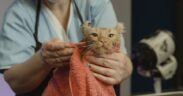
Cat bloating common conditions symptoms and vet advice

Share

Cat bloating common conditions symptoms and vet advice
Introduction
Cat bloating is a common condition that pet owners may notice in their feline companions. This issue is often associated with various underlying health problems that can affect cats of all ages. While dogs can also experience bloating, this article focuses primarily on cats to provide clear and relevant information.
Understanding cat bloating is important because it may cause discomfort or signal more serious medical concerns. Symptoms can include a visibly swollen abdomen, restlessness, or changes in appetite and behaviour. Recognizing these signs early can help pet owners seek timely veterinary advice.
It is important to remember that this article does not replace a veterinary visit. Only a licensed veterinarian can diagnose the cause of bloating and recommend appropriate treatment. Veterinarians may recommend diagnostic tests or specific care based on the individual cat’s condition.
Key points to consider:
- Cat bloating may have multiple causes, some requiring urgent attention.
- Symptoms can vary and may overlap with other health issues.
- Professional veterinary evaluation is essential for accurate diagnosis and safe treatment.
This article aims to provide an overview of cat bloating common conditions symptoms and vet advice to help pet owners better understand this health concern.
Reviewed by SASI Vet Editorial Board.
What this condition is
Cat bloating is a common condition that refers to an abnormal swelling or enlargement of the abdomen in cats. This swelling may cause discomfort and is often associated with underlying health issues affecting the digestive system, organs in the abdomen, or fluid accumulation.
The abdomen is the area between the chest and the pelvis, containing vital organs such as the stomach, intestines, liver, kidneys, and spleen. Bloating can develop gradually or suddenly, depending on the cause.
How cat bloating typically develops
- Gas buildup in the stomach or intestines may cause distension.
- Fluid accumulation (ascites) in the abdominal cavity can lead to swelling.
- Enlargement of organs or masses such as tumours may contribute to bloating.
- Inflammation or infection in the abdomen may cause swelling and discomfort.
Because cat bloating common conditions symptoms and vet advice vary widely, only a licensed veterinarian can accurately diagnose the cause and recommend appropriate treatment. If you notice any unusual abdominal swelling or changes in your cat’s behaviour, consulting a veterinary professional is essential.
Common causes
Cat bloating common conditions symptoms and vet advice often relate to a variety of underlying issues. Bloating in cats may cause visible abdominal swelling and discomfort, and it is often associated with gastrointestinal, metabolic, or systemic problems. Understanding the most frequent causes can help pet owners recognize when veterinary assessment is needed.
Gastrointestinal causes
- Gas accumulation due to dietary intolerance or sudden diet changes
- Intestinal obstruction from foreign bodies, hairballs, or masses
- Inflammatory bowel disease or infections causing fluid buildup
Other potential causes
- Fluid accumulation in the abdomen (ascites) related to heart, liver, or kidney disease
- Organ enlargement such as liver or spleen enlargement
- Abdominal tumours or cysts
In some cases, the cause of bloating may be uncertain or multifactorial. Veterinarians may recommend diagnostic tests such as imaging or blood work to determine the underlying condition. It is important to remember that only a licensed veterinarian can diagnose and treat the causes of bloating in cats safely and effectively.
Typical signs and symptoms
Cat bloating common conditions symptoms and vet advice often involve a range of signs that pet owners may observe at home. Some signs are mild and may not immediately indicate a serious problem, while others could suggest the need for prompt veterinary attention.
Mild signs
- Noticeable swelling or distension of the abdomen
- Occasional discomfort or sensitivity when the belly is touched
- Reduced appetite or mild lethargy
- Changes in grooming habits
More serious signs
- Rapid or severe abdominal swelling
- Signs of pain such as vocalizing or hiding
- Difficulty breathing or rapid breathing
- Vomiting or diarrhoea
- Weakness or collapse
Pet owners are encouraged to carefully monitor any changes in their cat’s abdomen and overall behaviour. Keeping notes on the onset, duration, and progression of symptoms can be helpful when consulting a licensed veterinarian. Since cat bloating may cause discomfort and is often associated with various underlying conditions, veterinarians may recommend diagnostic tests to determine the cause and appropriate treatment.
When it is an emergency
Cat bloating common conditions symptoms and vet advice highlight that certain signs require immediate veterinary attention. Sudden, severe, or rapidly worsening symptoms may indicate a serious problem that needs urgent care.
If your cat shows any of the following red flag signs, it is important to seek emergency veterinary care without delay:
- Severe abdominal swelling that develops quickly
- Difficulty breathing or rapid breathing
- Signs of extreme pain such as vocalizing, restlessness, or aggression
- Collapse, weakness, or inability to stand
- Repeated vomiting or retching without producing anything
- Distended abdomen accompanied by pale gums or a weak pulse
These symptoms may cause concern for conditions such as gastric dilatation-volvulus (GDV) or other life-threatening issues. Veterinarians may recommend immediate diagnostic tests and interventions to stabilise the pet.
Remember, only a licensed veterinarian can diagnose and treat your cat safely. If you are ever unsure about the severity of your pet’s condition, it is better to err on the side of caution and seek emergency care promptly.
How veterinarians diagnose it
When a cat presents with bloating or related symptoms, veterinarians begin by gathering a detailed history from the owner. This includes information about the duration and progression of the bloating, any changes in appetite or behaviour, and other symptoms that may be present. Understanding the cat’s medical background and environment helps guide the diagnostic process.
Physical examination
A thorough physical exam is performed to assess the cat’s overall condition. The veterinarian will palpate the abdomen to evaluate the extent and nature of the bloating, check for pain or discomfort, and look for signs of fluid accumulation or masses. Other vital signs such as heart rate, respiratory rate, and mucous membrane colour are also assessed.
Common diagnostic tests
To further investigate the cause of bloating, veterinarians may recommend several tests, including:
- Blood work to evaluate organ function and detect signs of infection or inflammation
- Imaging studies such as X-rays or ultrasound to visualise abdominal organs and identify abnormalities
- Urinalysis to assess kidney function and detect urinary tract issues
- Additional tests based on initial findings, which may include fluid analysis or specialised imaging
These steps help veterinarians narrow down potential causes of bloating, which is often associated with various common conditions. It is important to remember that only a licensed veterinarian can diagnose and recommend appropriate treatment for your cat’s bloating and related symptoms.
Treatment options
When addressing cat bloating common conditions symptoms and vet advice, veterinarians may recommend a variety of treatment approaches depending on the underlying cause. It is important to remember that only a licensed veterinarian can determine the appropriate plan for each individual cat.
Medications
Medications may be used to manage symptoms or treat infections, inflammation, or other conditions contributing to bloating. The choice of medication and duration of treatment will vary based on diagnosis and the cat’s overall health.
Procedures
In some cases, diagnostic or therapeutic procedures such as abdominal fluid drainage or surgery may be necessary. These interventions are typically reserved for more severe or complicated cases.
Dietary changes
Adjusting the cat’s diet can sometimes help reduce bloating, especially if food intolerance or gastrointestinal issues are involved. Veterinarians may suggest specific diets or feeding strategies tailored to the cat’s needs.
Home care
Supportive care at home, including monitoring the cat’s condition and ensuring a comfortable environment, is often an important part of treatment. Owners should follow their veterinarian’s guidance closely and report any changes promptly.
Home care and monitoring
After a veterinary visit for concerns related to cat bloating common conditions symptoms and vet advice, careful home monitoring can support your pet’s comfort and help identify any changes that may require further attention. It is important to follow the veterinarian’s instructions closely and avoid making any changes to treatment without professional guidance.
Monitoring at home
- Observe your cat’s abdomen for any noticeable swelling or changes in size.
- Note any signs of discomfort, restlessness, or changes in behaviour such as reduced appetite or lethargy.
- Keep track of your cat’s bowel movements and urination patterns, as these may provide important clues.
- Record any vomiting or signs of pain, and report these to your veterinarian promptly.
Comfort measures
- Provide a quiet, comfortable resting area away from stressors.
- Ensure easy access to fresh water and food as recommended by your veterinarian.
- Avoid excessive handling or pressure on the abdomen to prevent discomfort.
When to contact your veterinarian
If your cat’s condition appears to worsen, or if new symptoms develop such as difficulty breathing, severe lethargy, or persistent vomiting, contact your veterinary clinic without delay. Only a licensed veterinarian can diagnose and manage the underlying causes of bloating and related symptoms safely and effectively.
Prevention and long-term management
Cat bloating common conditions symptoms and vet advice highlight the importance of prevention and ongoing care. While some causes of bloating may not be fully preventable, pet owners can take steps to reduce risk and support their cat’s health.
Reducing risk factors
- Ensure regular vaccinations as recommended by your veterinarian to protect against infectious diseases that may cause abdominal swelling.
- Maintain a consistent parasite prevention program to avoid infestations that can contribute to bloating.
- Provide a balanced diet tailored to your cat’s needs, avoiding sudden changes that may upset digestion.
- Monitor and manage your cat’s weight to prevent obesity, which is often associated with digestive and metabolic issues.
- Schedule routine veterinary check-ups to detect early signs of health problems before they worsen.
Long-term management
If a chronic condition is diagnosed, veterinarians may recommend a combination of dietary adjustments, medications, and regular monitoring to manage symptoms and improve quality of life. Long-term care plans are tailored to each cat’s specific diagnosis and overall health status.
Always consult a licensed veterinarian for diagnosis and treatment options suitable for your pet’s individual situation.
Living with a pet with this condition
Managing a pet experiencing symptoms such as cat bloating common conditions symptoms and vet advice requires patience and careful attention. While this condition may cause discomfort, many pets can maintain a good quality of life with appropriate care and monitoring.
Quality of life and lifestyle adjustments
Owners may need to make some lifestyle changes to support their pet’s well-being. These can include:
- Providing a calm and comfortable environment
- Adjusting feeding routines or diet as advised by a veterinarian
- Encouraging gentle exercise suited to the pet’s condition
- Monitoring for any changes in behaviour or symptoms
Follow-up and communication
Regular follow-up visits with a licensed veterinarian are important to assess the pet’s progress and adjust care plans as needed. Veterinarians may recommend diagnostic tests or treatments based on the pet’s response.
Ongoing communication between owners and the veterinary team helps set realistic expectations and ensures timely intervention if the condition changes. Supporting a pet day-to-day involves observation, patience, and collaboration with professionals to promote the best possible outcome.
FAQs
What causes cat bloating?
Cat bloating may be caused by a variety of conditions, including digestive upset, fluid accumulation, or organ enlargement. It is often associated with underlying health issues such as gastrointestinal problems, infections, or heart disease. Only a licensed veterinarian can determine the exact cause through examination and diagnostic tests.
What are common symptoms of bloating in cats?
Symptoms may include a visibly swollen abdomen, discomfort or pain when touched, decreased appetite, vomiting, or changes in behaviour. These signs can vary depending on the underlying condition and severity.
How is cat bloating diagnosed?
Veterinarians may recommend physical examinations, imaging techniques like X-rays or ultrasounds, and blood tests to identify the cause of bloating. Early diagnosis is important to address potential health concerns effectively.
What treatment options are available?
Treatment depends on the underlying cause and may involve dietary changes, medications, or other interventions. Veterinarians may recommend supportive care to manage symptoms and improve comfort.
When should I see a vet about my cat’s bloating?
If you notice persistent or worsening abdominal swelling, discomfort, or other concerning symptoms, it is important to consult a licensed veterinarian promptly. They can provide tailored advice and appropriate care for your cat’s condition.
This FAQ section covers common questions about cat bloating common conditions symptoms and vet advice, but always seek professional guidance for your pet’s specific needs.
Summary
Cat bloating is a symptom that may cause concern for pet owners and is often associated with various underlying conditions. Early recognition of bloating and related symptoms can be important in seeking timely veterinary care.
Veterinarians may recommend diagnostic tests to determine the cause of bloating, which can range from mild to serious health issues. Prompt veterinary evaluation helps ensure appropriate treatment and improves the chances of a positive outcome.
Key points to remember:
- Bloating in cats can have multiple causes, including digestive, infectious, or systemic conditions.
- Symptoms accompanying bloating may include discomfort, changes in appetite, vomiting, or lethargy.
- Only a licensed veterinarian can accurately diagnose and recommend treatment based on a thorough examination and testing.
- Timely veterinary advice is essential to address the underlying cause and support your cat’s health.
Understanding cat bloating common conditions symptoms and vet advice helps pet owners stay informed and prepared. While bloating may be alarming, maintaining calm and seeking professional care is the best approach to ensure your cat’s well-being.
Further resources
- American Veterinary Medical Association (AVMA)
- Canadian Veterinary Medical Association (CVMA)
- World Small Animal Veterinary Association (WSAVA)
- RSPCA
- UC Davis School of Veterinary Medicine
Disclaimer: This article provides general information about pet health and does not replace professional veterinary advice. Always talk to a licensed veterinarian about your pet’s specific situation.