Cat constipation reasons signs and when to see a veterinarian

Share
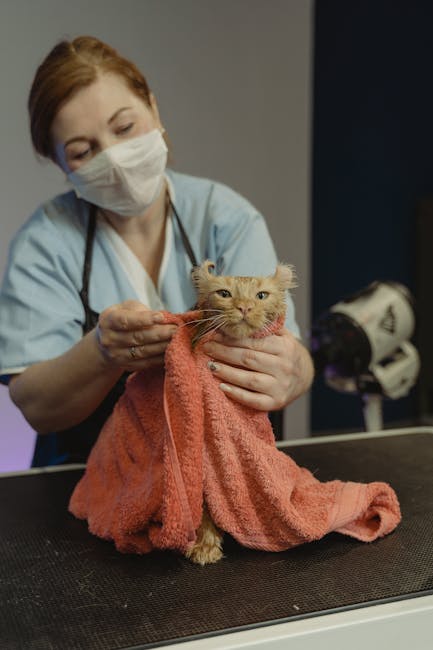
Cat constipation reasons signs and when to see a veterinarian
Introduction
Constipation is a common health issue that may affect both cats and dogs, though it is often more frequently observed in cats. This condition involves difficulty or infrequent passage of stools, which can cause discomfort and other health concerns for pets.
Understanding the cat constipation reasons signs and when to see a veterinarian is important for pet owners to help maintain their animal’s well-being. Constipation may cause symptoms such as straining to defecate, reduced appetite, or lethargy. In some cases, it can lead to more serious complications if left untreated.
Pet owners should be aware of potential causes, which may include:
- Dehydration or insufficient water intake
- Dietary factors, such as low fibre
- Underlying medical conditions
- Lack of exercise or mobility issues
While this article provides general information, it does not replace a veterinary visit. Only a licensed veterinarian can accurately diagnose and recommend appropriate treatment for constipation in pets. If you notice any signs of constipation or changes in your pet’s behaviour, consulting a veterinarian is advised.
Reviewed by SASI Vet Editorial Board.
What this condition is
Cat constipation is a condition that affects a cat’s ability to pass stool normally. It is often associated with difficulty or infrequent bowel movements, which may cause discomfort or distress for the animal. Constipation typically involves the colon (large intestine), where stool becomes hard and dry, making it harder to eliminate.
This condition may develop gradually over time or appear suddenly. Various factors can contribute to constipation in cats, including dehydration, dietary issues, lack of exercise, or underlying medical problems affecting the digestive or nervous systems.
Common reasons for cat constipation include:
- Insufficient water intake leading to dry stool
- Low-fibre diet or sudden changes in diet
- Obesity or reduced physical activity
- Pelvic injuries or abnormalities
- Underlying illnesses such as kidney disease or neurological disorders
Recognizing the signs of constipation is important. Cats may strain to defecate, produce small or dry stools, or show signs of discomfort. If you notice these signs, it is important to see a veterinarian, as only a licensed professional can diagnose the cause and recommend appropriate treatment.
Common causes
Cat constipation reasons signs and when to see a veterinarian often relate to a variety of factors. Constipation in cats is frequently associated with dehydration, dietary issues, or underlying medical conditions. Understanding these common causes can help pet owners recognise potential risks.
Diet and hydration
Insufficient water intake or diets low in fibre may cause hard, dry stools that are difficult to pass. Cats that eat primarily dry food without adequate water access may be more prone to constipation.
Medical and physical factors
- Obesity or reduced activity levels can slow intestinal motility.
- Age-related changes may affect bowel function.
- Pelvic injuries or spinal problems sometimes contribute to difficulty defecating.
- Certain illnesses, such as kidney disease or megacolon, are often associated with constipation.
Other considerations
Stressful environments or changes in routine may also influence bowel habits. In some cases, the exact cause remains unclear, and multiple factors may be involved.
Veterinarians may recommend diagnostic tests to identify the underlying cause and appropriate treatment. Only a licensed veterinarian can diagnose and manage constipation in cats safely and effectively.
Typical signs and symptoms
Cat constipation reasons signs and when to see a veterinarian often relate to changes in your cat’s normal bathroom habits and behaviour. Recognizing these signs early can help you decide when to seek veterinary advice.
Mild signs
- Straining or difficulty when trying to defecate
- Less frequent bowel movements than usual
- Hard, dry stools that may be small or pellet-like
- Spending more time in the litter box without producing stool
- Decreased appetite or mild lethargy
Signs that may be more serious
- Repeated unsuccessful attempts to defecate
- Vomiting or Signs of abdominal pain
- Distended or swollen abdomen
- Signs of discomfort such as vocalizing or hiding
- Sudden changes in behaviour or severe lethargy
Monitoring these signs and keeping notes on their frequency and severity can be helpful when consulting your veterinarian. Only a licensed veterinarian can diagnose the underlying cause and recommend appropriate treatment for your cat’s condition.
When it is an emergency
Cat constipation reasons signs and when to see a veterinarian can vary, but certain symptoms may indicate an urgent problem requiring immediate veterinary attention. Sudden, severe, or rapidly worsening signs are always a reason to seek emergency care.
Red flag signs to watch for include:
- Straining to defecate without producing stool
- Repeated vomiting or persistent nausea
- Abdominal pain or swelling that seems severe
- Signs of lethargy, weakness, or collapse
- Bloody or black stool
- Refusal to eat or drink for more than 24 hours
- Sudden behavioural changes such as hiding or vocalizing in distress
These symptoms may cause serious complications and are often associated with underlying conditions that require prompt diagnosis and treatment. Veterinarians may recommend urgent interventions to relieve discomfort and prevent further health risks.
If you notice any of these signs in your cat, it is important to contact a licensed veterinarian or an emergency clinic without delay. Only a veterinary professional can accurately assess the situation and provide appropriate care tailored to your pet’s needs.
How veterinarians diagnose it
When a cat shows signs of constipation, veterinarians begin by gathering a detailed history from the owner. This includes questions about the cat’s diet, water intake, litter box habits, and any recent changes in behaviour or environment. Understanding these factors helps identify potential cat constipation reasons signs and when to see a veterinarian.
Physical examination
The veterinarian performs a thorough physical exam, focusing on the abdomen and rectal area. Palpation may reveal firm or impacted stool. The vet also assesses the cat’s overall condition, hydration status, and any signs of discomfort or pain.
Diagnostic tests
To better understand the underlying cause, veterinarians may recommend several tests, such as:
- Blood work to evaluate organ function and detect possible metabolic issues
- Imaging techniques like X-rays or ultrasound to visualise the colon and check for obstructions or abnormalities
- Urinalysis to rule out concurrent urinary problems
These diagnostic steps help guide appropriate treatment plans. It is important to remember that only a licensed veterinarian can diagnose and treat constipation in cats safely and effectively.
Treatment options
When addressing cat constipation reasons signs and when to see a veterinarian, treatment approaches vary depending on the underlying cause and severity. Veterinarians may recommend a combination of methods tailored to each cat’s needs.
Medications and procedures
Medications may be used to help soften stools or stimulate bowel movements. In some cases, veterinarians may perform manual removal of impacted stool if necessary. These interventions should only be carried out under professional supervision.
Dietary changes
Adjusting a cat’s diet can support digestive health and prevent future episodes. This might include increasing fibre intake or encouraging hydration through wet food or supplements. Any dietary modifications should be guided by a veterinarian to ensure they are appropriate.
Home care and monitoring
- Encouraging regular exercise to promote bowel motility
- Ensuring easy access to clean water
- Observing litter box habits closely for any changes
It is important to consult a licensed veterinarian to determine the most suitable treatment plan. Self-treatment or delaying professional care may lead to complications or prolonged discomfort for the cat.
Home care and monitoring
After a veterinary visit for concerns related to cat constipation reasons signs and when to see a veterinarian, safe home care focuses on monitoring your cat’s condition and providing comfort. It is important to follow any instructions given by your veterinarian and avoid making changes to treatment without professional advice.
Monitoring at home
- Observe your cat’s litter box habits, noting any difficulty or changes in frequency.
- Watch for signs such as straining, vocalizing during elimination, or decreased appetite.
- Check for any vomiting, lethargy, or abdominal discomfort that may indicate worsening condition.
Comfort measures
- Ensure your cat has easy access to fresh water to support hydration.
- Provide a quiet, comfortable resting area to reduce stress.
- Maintain a consistent feeding schedule with any diet recommendations from your veterinarian.
When to contact the veterinarian
If your cat’s symptoms persist, worsen, or new signs develop, veterinarians may recommend a follow-up visit. Prompt communication with your clinic is important if you notice severe straining without results, vomiting, or signs of pain. Only a licensed veterinarian can diagnose and guide appropriate treatment for your pet’s condition.
Prevention and long-term management
Understanding cat constipation reasons signs and when to see a veterinarian can help pet owners take steps to reduce the risk and manage the condition if it becomes chronic. Prevention often focuses on maintaining overall digestive health and addressing factors that may contribute to constipation.
Reducing risk
- Provide a balanced diet with adequate fibre and hydration to support regular bowel movements.
- Ensure access to fresh water at all times to prevent dehydration, which may cause or worsen constipation.
- Maintain a healthy weight through appropriate feeding and exercise, as obesity is often associated with digestive issues.
- Schedule routine veterinary check-ups to monitor your cat’s health and catch early signs of problems.
- Discuss parasite prevention with your veterinarian, as some parasites may affect intestinal function.
Long-term management
If constipation is chronic, veterinarians may recommend ongoing strategies tailored to your cat’s needs. These can include dietary adjustments, increased hydration, and regular monitoring. In some cases, medical treatments or supportive care might be necessary under veterinary guidance. It is important to follow your veterinarian’s advice closely and report any changes in your cat’s condition promptly.
Living with a pet with this condition
Managing a pet with cat constipation reasons signs and when to see a veterinarian involves understanding the condition’s impact on daily life and maintaining close communication with your veterinary team. Constipation is often associated with discomfort and changes in behaviour, which may affect your pet’s quality of life.
Quality of life and lifestyle adjustments
Owners may need to make gradual lifestyle changes to support their pet, such as:
- Encouraging regular exercise to promote healthy digestion
- Providing a balanced diet that may include increased fibre or hydration options
- Monitoring litter box habits closely for any changes
Follow-up and ongoing care
Regular veterinary visits are important to assess your pet’s condition and adjust care plans as needed. Veterinarians may recommend periodic check-ups to monitor progress and prevent complications.
Supporting your pet day-to-day
Patience and observation are key. Noticing subtle signs early can help ensure timely veterinary advice. Remember, only a licensed veterinarian can diagnose and treat your pet’s condition safely and effectively.
FAQs
What are common reasons for cat constipation?
Cat constipation is often associated with dehydration, insufficient dietary fibre, lack of exercise, or underlying medical conditions. Age and certain medications may also contribute. Identifying the cause requires a thorough veterinary evaluation.
What signs might indicate my cat is constipated?
Signs may include infrequent or difficult defecation, hard or dry stools, straining in the litter box, and discomfort or vocalization during elimination. Some cats may also show decreased appetite or lethargy.
When should I see a veterinarian about my cat’s constipation?
If your cat shows persistent difficulty passing stools for more than a day or two, or if there are additional symptoms such as vomiting, abdominal pain, or behavioural changes, it is important to consult a licensed veterinarian promptly.
How do veterinarians typically manage cat constipation?
Veterinarians may recommend dietary adjustments, increased hydration, and sometimes medications or other treatments depending on the severity and underlying cause. Follow-up care is important to monitor your cat’s response.
Can cat constipation be prevented?
Prevention may involve providing fresh water, a balanced diet with adequate fibre, regular exercise, and routine veterinary check-ups. Each cat’s needs can vary, so discuss prevention strategies with your veterinarian.
Summary
Cat constipation reasons signs and when to see a veterinarian are important topics for any cat owner to understand. Constipation in cats may cause discomfort and changes in behaviour, and it is often associated with underlying health issues or dietary factors.
Early recognition of signs such as infrequent or difficult defecation, straining, or changes in appetite can help ensure timely veterinary care. Veterinarians may recommend diagnostic tests to identify the cause and suggest appropriate management strategies.
Key points to remember:
- Constipation can result from dehydration, dietary problems, or medical conditions.
- Signs may include reduced litter box use, hard stools, or abdominal discomfort.
- Prompt veterinary evaluation is important to prevent complications.
- Management often involves dietary adjustments, hydration support, and monitoring.
While constipation can be distressing, many cats respond well to treatment when addressed early. Always consult a licensed veterinarian for diagnosis and tailored care to support your cat’s health and comfort.
Additional Resources
- American Veterinary Medical Association (AVMA)
- Canadian Veterinary Medical Association (CVMA)
- World Small Animal Veterinary Association (WSAVA)
- RSPCA
- UC Davis Veterinary Medicine Teaching Hospital
Disclaimer: This article provides general information about pet health and does not replace professional veterinary advice. Always talk to a licensed veterinarian about your pet’s specific situation.