Cat coughing after eating reasons and monitoring

Share
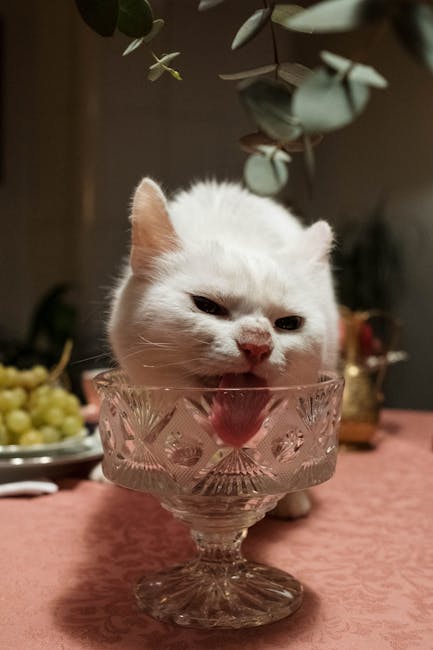
Cat coughing after eating reasons and monitoring
Introduction
Coughing in cats after eating is a concern that many pet owners may notice. This symptom can have various causes and is often associated with conditions affecting the respiratory or digestive systems. While coughing is more commonly observed in cats, dogs can also experience similar issues, though this article focuses primarily on cats.
Understanding the reasons behind cat coughing after eating reasons and monitoring can help owners observe their pets more effectively and communicate clearly with their veterinarian. This issue matters because persistent coughing may indicate underlying health problems that require professional assessment and management.
It is important to remember that this article does not replace a veterinary visit. Only a licensed veterinarian can diagnose the cause of coughing and recommend appropriate treatment. Pet owners should monitor their cat’s symptoms carefully and seek veterinary advice if coughing persists, worsens, or is accompanied by other signs such as difficulty breathing, vomiting, or lethargy.
Reviewed by SASI Vet Editorial Board.
What this condition is
Cat coughing after eating reasons and monitoring often relate to issues affecting the respiratory or digestive systems. This condition may cause a cat to cough or gag shortly after consuming food or water. It is often associated with irritation or inflammation in the throat, windpipe (trachea), or upper airway.
Common factors that may contribute include:
- Food or liquid entering the windpipe instead of the oesophagus (food pipe), which can cause coughing or choking.
- Inflammation of the throat or upper airway due to allergies, infections, or irritants.
- Underlying conditions such as oesophageal motility disorders, where the food pipe does not move food properly.
- Dental disease or oral discomfort that affects swallowing.
Over time, repeated coughing after eating may indicate a persistent problem that requires veterinary evaluation. Veterinarians may recommend monitoring the frequency and severity of coughing episodes, as well as observing any changes in appetite, weight, or behaviour.
Understanding the possible causes helps pet owners provide useful information to their veterinarian, who can then determine the appropriate diagnostic tests and treatment options. Only a licensed veterinarian can diagnose and treat the underlying cause of coughing after eating in cats.
Common causes
Cat coughing after eating reasons and monitoring often relate to a variety of underlying factors. In veterinary practice, coughing in cats following meals is frequently associated with conditions affecting the throat, airway, or digestive tract. Understanding these common causes can help pet owners observe patterns and seek appropriate veterinary advice.
Respiratory causes
- Inflammation or irritation: Eating may trigger coughing if the throat or upper airway is inflamed due to infections, allergies, or irritants.
- Asthma or bronchitis: These chronic respiratory conditions can cause coughing episodes, sometimes worsened by eating or swallowing.
- Foreign material: Small food particles or hair may occasionally irritate the airway during or after eating.
Digestive causes
- Gastroesophageal reflux: Acid reflux or regurgitation may cause coughing by irritating the throat or airway.
- Esophageal disorders: Conditions affecting the esophagus, such as strictures or motility problems, may lead to coughing after meals.
It is important to note that causes can be mixed or uncertain, and coughing after eating does not always indicate a serious problem. Veterinarians may recommend diagnostic tests to identify the specific cause and suggest appropriate monitoring or treatment. Only a licensed veterinarian can diagnose and manage these conditions safely.
Typical signs and symptoms
Cat coughing after eating reasons and monitoring can vary, and pet owners may notice different signs depending on the underlying cause. Some signs are mild and may not immediately require urgent care, while others could indicate a more serious condition.
Mild signs
- Occasional coughing or gagging shortly after eating
- Soft, intermittent coughs without distress
- Brief sneezing or throat clearing
- Reduced appetite or slight reluctance to eat
Signs that may be more serious
- Persistent or worsening cough after meals
- Laboured or noisy breathing
- Excessive drooling or difficulty swallowing
- Vomiting or choking episodes
- Signs of distress such as restlessness or lethargy
Pet owners are encouraged to carefully observe and record any changes in their cat’s coughing patterns, eating behaviour, and overall health. Keeping notes on when coughing occurs, its frequency, and any accompanying symptoms can be helpful information for a licensed veterinarian. Since many conditions may cause coughing after eating, only a veterinarian can provide an accurate diagnosis and recommend appropriate treatment.
When it is an emergency
Cat coughing after eating reasons and monitoring are important to understand, especially when certain signs indicate the need for immediate veterinary attention. While coughing after meals may sometimes be mild or occasional, sudden, severe, or rapidly worsening symptoms should never be ignored.
Seek urgent care if your cat shows any of the following red flag signs:
- Persistent coughing that does not improve or worsens quickly
- Difficulty breathing, wheezing, or open-mouth breathing
- Gagging or choking that leads to distress or inability to swallow
- Excessive drooling or foaming at the mouth
- Collapse, weakness, or unresponsiveness
- Blue or pale gums indicating poor oxygenation
These symptoms may be associated with serious underlying conditions such as airway obstruction, aspiration pneumonia, or severe allergic reactions. Veterinarians may recommend emergency evaluation and treatment to stabilise your pet and determine the cause.
Always err on the side of caution. If you notice any sudden or alarming changes in your cat’s breathing or behaviour after eating, contact a licensed veterinarian or emergency clinic promptly. Early intervention can be critical for the best outcome.
How veterinarians diagnose it
When a cat coughing after eating reasons and monitoring becomes a concern, veterinarians begin with a thorough history and physical examination. Understanding the timing, frequency, and characteristics of the cough helps guide the diagnostic process.
History and physical exam
The veterinarian will ask about the cat’s eating habits, environment, and any other symptoms such as nasal discharge or changes in breathing. During the physical exam, the vet listens to the lungs and heart and checks the throat and mouth for abnormalities.
Common diagnostic tests
To identify the underlying cause, veterinarians may recommend several tests, including:
- Blood work to assess overall health and detect infections or inflammation
- Imaging such as X-rays or ultrasound to evaluate the chest, airways, and digestive tract
- Endoscopy or other specialized procedures in some cases to directly visualize the throat or airways
These tests help rule out conditions that may cause coughing after eating, such as respiratory infections, allergies, or anatomical abnormalities. Only a licensed veterinarian can interpret these findings and determine the appropriate next steps for diagnosis and treatment.
Treatment options
When addressing cat coughing after eating reasons and monitoring, veterinarians may recommend a variety of treatment approaches depending on the underlying cause. It is important to remember that only a licensed veterinarian can determine the appropriate plan for each individual cat.
Medications
Medications may be prescribed to manage symptoms or treat infections, inflammation, or allergies that could be contributing to coughing. The choice of medication and duration of treatment will vary based on diagnosis and response.
Procedures
In some cases, diagnostic or therapeutic procedures such as imaging or endoscopy may be necessary to better understand the cause of coughing or to remove obstructions.
Dietary changes
Adjusting feeding practices or diet composition may help reduce coughing episodes. For example, feeding smaller, more frequent meals or switching to a different type of food may be advised.
Home care
- Monitoring the cat’s eating habits and coughing frequency
- Ensuring a calm and comfortable feeding environment
- Following any specific instructions provided by the veterinarian
Close observation and regular veterinary follow-up are essential to assess treatment effectiveness and make adjustments as needed.
Home care and monitoring
After a veterinary visit, safe home care plays an important role in supporting your pet’s recovery and comfort. For concerns such as cat coughing after eating reasons and monitoring, careful observation and gentle care at home may help you notice any changes that require further veterinary attention.
Monitoring your cat
- Watch for the frequency and severity of coughing episodes, especially after meals.
- Note any additional signs such as difficulty breathing, lethargy, or loss of appetite.
- Keep a simple log of symptoms to share with your veterinarian during follow-up visits.
Comfort measures
- Provide a calm, quiet environment to reduce stress and encourage rest.
- Ensure easy access to fresh water and food, possibly offering smaller, more frequent meals if recommended by your veterinarian.
- Maintain good hygiene around feeding areas to prevent irritation or infection.
When to contact your veterinarian
If coughing worsens, becomes more frequent, or is accompanied by other concerning signs, veterinarians may recommend a re-evaluation. Never attempt to diagnose or treat your cat’s condition without professional guidance. Prompt communication with your veterinary clinic ensures the best care for your pet’s health and wellbeing.
Prevention and long-term management
Understanding the causes behind cat coughing after eating reasons and monitoring can help pet owners reduce risks and support their cat’s respiratory health. While some causes may be unavoidable, certain preventive measures are often recommended by veterinarians to minimise potential triggers.
Risk reduction strategies
- Ensure regular veterinary check-ups to detect early signs of respiratory or digestive issues.
- Maintain up-to-date vaccinations to protect against infectious diseases that may cause coughing.
- Implement parasite prevention protocols, as parasites can sometimes contribute to coughing symptoms.
- Provide a balanced diet and manage your cat’s weight to reduce strain on the respiratory and digestive systems.
- Monitor eating habits and environment to identify any factors that may provoke coughing episodes.
Long-term management considerations
If coughing after eating is persistent or linked to a chronic condition, veterinarians may recommend ongoing management plans. These can include dietary adjustments, environmental modifications, and regular monitoring to assess changes in symptoms. It is important to work closely with a licensed veterinarian to tailor a plan that suits your cat’s specific needs and to avoid self-diagnosing or altering treatments without professional guidance.
Living with a pet with this condition
Managing a pet that experiences symptoms such as cat coughing after eating reasons and monitoring requires patience and careful observation. While this condition may cause discomfort, many pets maintain a good quality of life with appropriate care and veterinary support.
Quality of life and lifestyle adjustments
Owners may need to make some lifestyle changes to help their pet feel more comfortable. These can include:
- Feeding smaller, more frequent meals to reduce coughing episodes
- Ensuring the pet eats in a calm, quiet environment
- Adjusting feeding positions or using specialized bowls if recommended by a veterinarian
Follow-up and monitoring
Regular veterinary follow-up visits are important to monitor the pet’s condition and adjust care as needed. Veterinarians may recommend ongoing assessments to track any changes and to rule out other underlying issues.
Supporting your pet day-to-day
Owners can support their pet by observing any changes in symptoms and maintaining open communication with their veterinary team. Realistic expectations about the condition’s course and response to management can help reduce stress for both pet and owner.
FAQs
What are common reasons for cat coughing after eating?
Cat coughing after eating may be caused by mild irritation in the throat, food particles entering the airway, or an underlying respiratory condition. It is often associated with eating too quickly or swallowing large pieces of food.
When should I be concerned about my cat’s coughing?
If coughing is frequent, persistent, or accompanied by other signs such as difficulty breathing, nasal discharge, or lethargy, it is important to consult a licensed veterinarian. These symptoms may indicate a more serious issue requiring professional evaluation.
How can I monitor my cat’s coughing after meals?
- Observe the frequency and duration of coughing episodes.
- Note any changes in appetite or behaviour.
- Check if coughing occurs only after eating or at other times as well.
Keeping a record can help your veterinarian assess the situation more accurately.
Are there ways to reduce coughing related to eating?
Veterinarians may recommend feeding smaller, more frequent meals or using specially designed bowls to slow down eating. However, any changes should be discussed with your veterinarian to ensure they are appropriate for your cat’s specific needs.
Can cat coughing after eating reasons and monitoring help with diagnosis?
Understanding potential causes and carefully monitoring symptoms can assist your veterinarian in diagnosing the issue. Always seek tailored advice from a licensed professional rather than attempting to self-diagnose or treat your cat.
Summary
Cat coughing after eating reasons and monitoring can vary widely, and recognising early signs is important for timely veterinary care. Coughing in cats after meals may cause concern but is often associated with several underlying conditions, ranging from mild irritations to more serious health issues.
Pet owners should observe their cat’s behaviour closely, noting the frequency, duration, and any additional symptoms such as difficulty breathing, changes in appetite, or lethargy. Early recognition of these signs allows veterinarians to assess the situation promptly and recommend appropriate diagnostic tests or treatments.
Key points for monitoring your cat
- Watch for repeated coughing episodes after eating
- Note any changes in eating habits or swallowing difficulties
- Observe for signs of respiratory distress or discomfort
- Keep a record of symptoms to share with your veterinarian
While some causes of coughing after eating may resolve with simple management, others may require veterinary intervention. Veterinarians may recommend specific treatments based on a thorough examination and diagnostic findings. Remember, only a licensed veterinarian can diagnose and treat your pet’s condition accurately.
Maintaining calm and careful observation helps ensure your cat receives the best possible care and support for their health and well-being.
- American Veterinary Medical Association (AVMA)
- Canadian Veterinary Medical Association (CVMA)
- World Small Animal Veterinary Association (WSAVA)
- RSPCA
- UC Davis Veterinary Medicine Teaching Hospital
Disclaimer: This article provides general information about pet health and does not replace professional veterinary advice. Always talk to a licensed veterinarian about your pet’s specific situation.