Cat drooling causes symptoms and vet care

Share
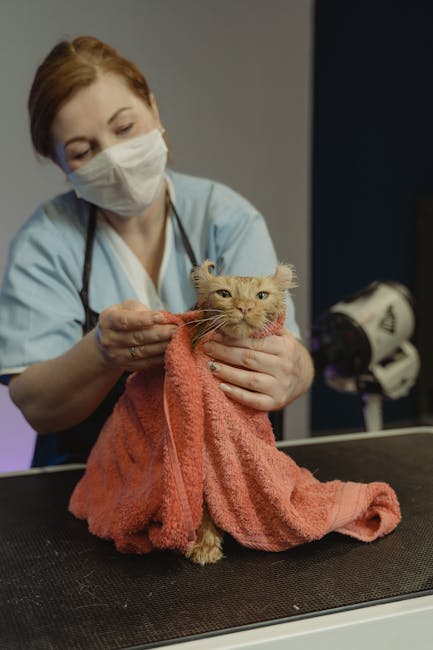
Cat drooling causes symptoms and vet care
Introduction
Excessive drooling in cats is a common concern that many pet owners notice. This condition, often referred to as hypersalivation, may cause discomfort and can be a sign of various underlying health issues. Both cats and dogs can experience drooling, but this article focuses specifically on cat drooling causes symptoms and vet care.
Understanding why a cat drools more than usual is important because it can indicate anything from minor oral irritation to more serious medical conditions. Some causes may include dental problems, nausea, or exposure to toxins. However, drooling alone is not a diagnosis.
Pet owners should be aware that while this information provides an overview of potential causes and symptoms, it does not replace a professional veterinary evaluation. Only a licensed veterinarian can accurately diagnose the reason for drooling and recommend appropriate care.
Key points to consider:
- Drooling may be normal in some situations but can also signal health concerns.
- Both behavioural and medical factors can contribute to increased salivation.
- Veterinarians may recommend diagnostic tests to determine the cause.
- Timely veterinary assessment is important for effective treatment.
Reviewed by SASI Vet Editorial Board.
What this condition is
Excessive drooling in cats, often referred to as hypersalivation, is a condition that may cause noticeable wetness around the mouth and chin. This symptom is often associated with various underlying issues affecting the mouth, throat, or other parts of the body.
Cat drooling causes symptoms and vet care typically relate to problems in the oral cavity, such as dental disease, oral infections, or irritation from foreign objects. It can also develop due to nausea, exposure to toxins, or systemic illnesses that affect saliva production or swallowing.
How it develops
- Initial mild drooling may progress to more frequent or continuous saliva production.
- Oral pain or discomfort can lead to changes in eating habits or behaviour.
- Underlying conditions may worsen if left untreated, potentially causing additional symptoms.
Because drooling can be a sign of many different health issues, veterinarians may recommend a thorough examination to determine the cause. Only a licensed veterinarian can diagnose the specific condition and suggest appropriate care based on the individual cat’s needs.
Common causes
Excessive drooling in cats, often referred to as hypersalivation, is a symptom that veterinarians may encounter in various clinical situations. The focus keyword cat drooling causes symptoms and vet care highlights the importance of understanding potential underlying factors.
Dental and oral issues
Dental disease is one of the most frequent causes of drooling in cats. Conditions such as gingivitis, tooth resorption, oral ulcers, or infections may cause discomfort and increased saliva production. Foreign objects stuck in the mouth or trauma to oral tissues can also contribute.
Systemic and other causes
Drooling is often associated with nausea, which may result from gastrointestinal upset, kidney disease, or exposure to toxins. Certain infections or neurological disorders can also lead to increased salivation. In some cases, the exact cause may be uncertain or multifactorial.
Risk factors
- Age-related dental wear or disease
- Exposure to irritants or toxins
- Underlying chronic illnesses
- Stress or anxiety in some cats
Because drooling can be a sign of various health issues, veterinarians may recommend a thorough examination and diagnostic testing to determine the cause and appropriate care.
Typical signs and symptoms
Cat drooling causes symptoms and vet care often begin with noticing increased saliva around the mouth. Mild drooling may occur occasionally and is not always a cause for concern. However, persistent or excessive drooling can be a sign of underlying issues that require veterinary attention.
Common signs pet owners might observe
- Excessive saliva or wetness around the mouth
- Bad breath or unusual mouth odor
- Difficulty eating or reluctance to eat
- Pawing at the mouth or face
- Swelling or redness inside the mouth
- Visible sores, ulcers, or bleeding in the oral cavity
- Changes in behaviour such as increased irritability or hiding
Some signs, like mild drooling or occasional pawing at the mouth, may be less serious and could result from minor irritations. More concerning symptoms include difficulty eating, persistent bad breath, or visible oral lesions, which may indicate infection, dental disease, or other health problems.
Pet owners are encouraged to monitor any changes carefully and keep notes on the frequency and severity of symptoms. This information can be valuable for the licensed veterinarian, who can provide an accurate diagnosis and recommend appropriate care based on a thorough examination.
When it is an emergency
Cat drooling causes symptoms and vet care concerns may become urgent if certain signs appear suddenly or worsen quickly. While drooling can be linked to various conditions, some symptoms indicate the need for immediate veterinary attention.
Seek emergency care if your cat shows any of the following red flag signs:
- Sudden onset of excessive drooling accompanied by difficulty breathing or choking
- Severe swelling of the face, mouth, or throat
- Bleeding from the mouth or excessive pawing at the mouth
- Loss of consciousness or collapse
- Repeated vomiting or inability to keep food or water down
- Rapid worsening of drooling with signs of distress or pain
These symptoms may cause serious complications and are often associated with conditions requiring urgent intervention. Veterinarians may recommend emergency evaluation to determine the cause and provide appropriate treatment.
Remember, only a licensed veterinarian can diagnose and treat your pet safely. If you notice sudden, severe, or rapidly worsening symptoms related to drooling or any other health issue, do not delay in seeking professional care.
How veterinarians diagnose it
When evaluating cat drooling causes symptoms and vet care, veterinarians begin with a thorough history and physical examination. Understanding when the drooling started, its frequency, and any accompanying signs helps guide the diagnostic process.
History and Physical Exam
- Questions about the cat’s environment, diet, and recent changes
- Observation of the mouth and oral cavity for signs of irritation, injury, or foreign objects
- Assessment of general health, including hydration and behaviour
Common Diagnostic Tests
Depending on initial findings, veterinarians may recommend several tests to identify underlying causes:
- Blood work to evaluate organ function and detect infections or inflammation
- Imaging techniques such as X-rays or ultrasound to examine the mouth, throat, and chest
- Oral swabs or biopsies if infections or tumours are suspected
These steps help veterinarians determine the most appropriate treatment plan. It is important to remember that only a licensed veterinarian can diagnose and treat your pet safely and effectively.
Treatment options
When addressing cat drooling causes symptoms and vet care, veterinarians may recommend a variety of treatment approaches depending on the underlying cause. It is important to remember that only a licensed veterinarian can determine the appropriate plan for each individual cat.
Medications
Medications may be prescribed to manage infections, inflammation, or pain that contribute to excessive drooling. The choice of medication and duration of treatment will vary based on the diagnosis and the cat’s overall health.
Procedures
In some cases, dental cleaning or extraction of damaged teeth may be necessary to reduce discomfort and drooling. Other procedures might address oral injuries or foreign objects causing irritation.
Dietary changes and home care
- Adjusting the cat’s diet to softer foods may help if oral pain is present.
- Maintaining good oral hygiene at home can support overall oral health.
- Monitoring the cat’s hydration and comfort is also important during recovery.
Because cat drooling causes symptoms and vet care can vary widely, consulting a veterinarian is essential to ensure safe and effective treatment tailored to your pet’s needs.
Home care and monitoring
After a veterinary visit, safe home care plays an important role in supporting your pet’s recovery and comfort. When managing conditions related to cat drooling causes symptoms and vet care, careful observation and gentle care may help identify changes that require further attention.
Monitoring your cat
- Watch for any increase in drooling or new symptoms such as pawing at the mouth, bad breath, or difficulty eating.
- Note changes in behaviour, appetite, or activity levels that may indicate discomfort or worsening condition.
- Keep a daily log of observations to share with your veterinarian during follow-up visits.
Comfort measures
- Provide a quiet, comfortable resting area away from stressors.
- Ensure easy access to fresh water and favourite foods, adjusting texture if recommended by your veterinarian.
- Maintain good oral hygiene if advised, but avoid any treatments not specifically recommended by your veterinary team.
When to contact your veterinarian
Contact your veterinary clinic promptly if you notice worsening symptoms, signs of pain, difficulty eating or drinking, or any other concerns. Only a licensed veterinarian can diagnose and guide appropriate treatment based on your cat’s specific condition.
Prevention and long-term management
Understanding cat drooling causes symptoms and vet care can help pet owners take steps to reduce risks and manage the condition if it becomes chronic. While some causes of drooling may be unavoidable, there are general measures that may help maintain your cat’s oral and overall health.
Reducing risk
- Regular veterinary check-ups to monitor dental health and detect early signs of illness
- Routine dental care, including professional cleanings as recommended by your veterinarian
- Maintaining a balanced diet appropriate for your cat’s age and health status
- Weight management to support immune function and reduce stress on the body
- Parasite prevention to avoid infections that may cause oral discomfort or systemic illness
- Vaccinations as advised by your veterinarian to prevent infectious diseases
Long-term management
If drooling is linked to a chronic condition, veterinarians may recommend ongoing treatments tailored to the underlying cause. This could involve regular monitoring, adjustments in diet, dental care routines, or managing other health issues that may contribute to drooling. Close communication with your veterinarian is essential to ensure the best possible quality of life for your cat.
Living with a pet with this condition
Managing a pet experiencing symptoms related to cat drooling causes symptoms and vet care requires patience and ongoing attention. While this condition may cause discomfort or changes in behaviour, many pets continue to enjoy a good quality of life with appropriate support.
Quality of life and lifestyle adjustments
Owners may need to make some lifestyle changes to help their pet feel more comfortable. These can include:
- Providing easy access to fresh water and food, possibly adjusting texture or temperature
- Maintaining good oral hygiene as advised by a veterinarian
- Creating a calm and stress-free environment to reduce any contributing factors
- Monitoring for any changes in appetite, drooling frequency, or behaviour
Follow-up and communication
Regular veterinary follow-up visits are important to monitor the pet’s condition and adjust care plans as needed. Veterinarians may recommend diagnostic tests or treatments tailored to the underlying cause. Open communication with the veterinary team helps set realistic expectations and ensures timely intervention if the pet’s condition changes.
Supporting a pet with this condition involves understanding their needs and working closely with professionals to maintain their comfort and well-being over time.
FAQs
What are common causes of cat drooling?
Cat drooling may be caused by a variety of factors including dental disease, nausea, oral irritation, or stress. Some cats drool when they are relaxed or purring, which can be normal. However, excessive drooling is often associated with underlying health issues.
What symptoms should I watch for alongside drooling?
Additional signs that may accompany drooling include bad breath, pawing at the mouth, difficulty eating, swelling, or behavioural changes. These symptoms can help veterinarians identify the cause.
When should I consult a veterinarian about my cat’s drooling?
If your cat’s drooling is persistent, excessive, or accompanied by other concerning symptoms, it is important to seek veterinary advice. Only a licensed veterinarian can diagnose the underlying cause and recommend appropriate care.
How do veterinarians approach treatment for drooling?
Treatment depends on the cause and may involve dental care, managing nausea, or addressing oral injuries. Veterinarians may recommend diagnostic tests to determine the best course of action.
Can stress cause drooling in cats?
Yes, stress or anxiety may cause some cats to drool. Identifying and reducing stressors can be part of managing this symptom, but professional guidance is advised.
Summary
Cat drooling causes symptoms and vet care are important topics for pet owners to understand. Excessive drooling in cats may cause concern but is often associated with a variety of underlying issues, ranging from mild irritation to more serious health conditions.
Early recognition of abnormal drooling can help ensure timely veterinary care, which is essential for accurate diagnosis and appropriate treatment. Veterinarians may recommend diagnostic tests to determine the cause and suggest management strategies tailored to the individual cat’s needs.
Key points to remember:
- Excessive drooling is not normal and should be evaluated by a licensed veterinarian.
- Causes can include dental problems, oral injuries, nausea, or systemic illnesses.
- Timely veterinary assessment helps prevent complications and supports better outcomes.
- Treatment depends on the underlying cause and may involve supportive care or specific interventions.
While cat drooling causes symptoms and vet care can seem worrying, many cats respond well to appropriate veterinary attention. Maintaining regular check-ups and monitoring your cat’s behaviour can contribute to their overall health and comfort.
Further reading and resources
- American Veterinary Medical Association (AVMA) – Cat Care
- Canadian Veterinary Medical Association (CVMA)
- World Small Animal Veterinary Association (WSAVA)
- RSPCA – Cat Care Advice
- UC Davis Veterinary Medical Teaching Hospital – Companion Animal Health
Disclaimer: This article provides general information about pet health and does not replace professional veterinary advice. Always talk to a licensed veterinarian about your pet’s specific situation.