Cat ear odor reasons causes and care

Share
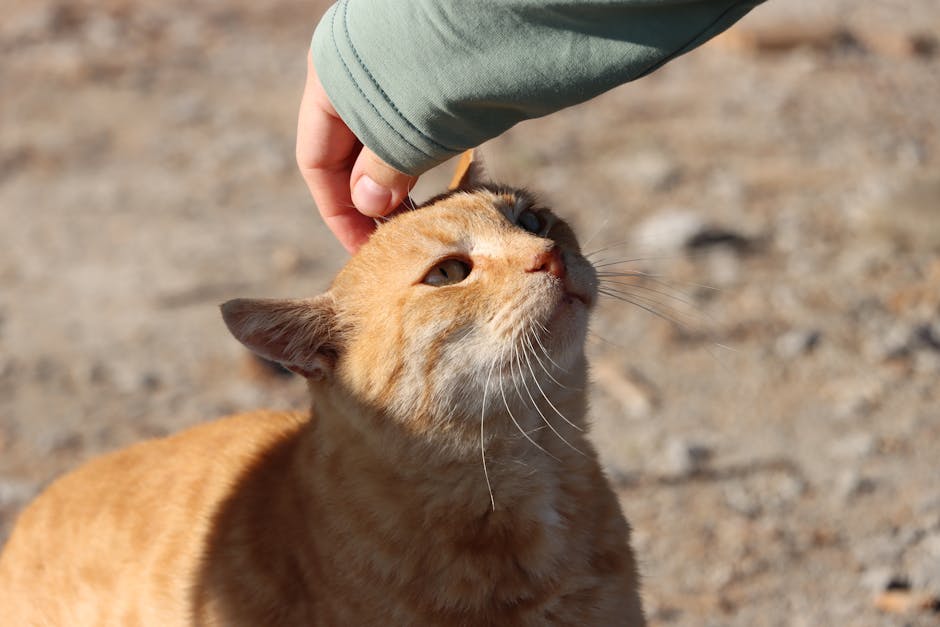
Cat ear odor reasons causes and care
Introduction
Cat ear odor reasons causes and care is a topic that concerns many cat owners. Ear odor in cats may cause discomfort and can be a sign of underlying health issues. While this condition primarily affects cats, some ear problems can also occur in dogs and other pets.
Understanding the possible reasons for ear odor is important because it helps pet owners recognise when their cat may need veterinary attention. Common causes of ear odor include infections, ear mites, allergies, or excessive wax buildup. Each of these conditions is often associated with specific symptoms and requires different approaches to care.
It is important to remember that this article provides general information and does not replace a veterinary visit. Only a licensed veterinarian can accurately diagnose the cause of ear odor and recommend appropriate treatment. If you notice persistent or worsening ear odor in your cat, consulting a veterinarian is the safest way to ensure your pet’s health and comfort.
Reviewed by SASI Vet Editorial Board.
What this condition is
Cat ear odor reasons causes and care relate to issues affecting the ear canal and surrounding areas. This condition often involves an unpleasant smell coming from a cat’s ear, which may cause discomfort or irritation.
The ear canal is a narrow passage leading to the eardrum, and it can be affected by various factors over time. Commonly, the condition develops gradually as debris, wax, or moisture accumulates, creating an environment where bacteria or yeast can grow.
How the condition develops
- Excessive wax production or buildup
- Infections caused by bacteria or yeast
- Allergic reactions leading to inflammation
- Parasites such as ear mites
- Underlying skin conditions affecting the ear
These factors may cause the ear to produce a noticeable odour, often accompanied by redness, swelling, or scratching. Veterinarians may recommend diagnostic tests to determine the exact cause and appropriate care. It is important to remember that only a licensed veterinarian can diagnose and treat ear conditions in cats safely and effectively.
Common causes
Cat ear odor reasons causes and care often relate to a variety of underlying factors. Ear odor in cats is frequently associated with infections, inflammation, or the presence of foreign material in the ear canal. Identifying the cause can be complex, as several conditions may contribute simultaneously.
Infections
Bacterial and yeast infections are common causes of ear odor in cats. These infections may develop when the natural balance of microorganisms in the ear is disrupted. Moisture, allergies, or underlying skin conditions can increase the risk of infection.
Parasites and debris
Ear mites are another frequent cause of unpleasant ear odour. These tiny parasites irritate the ear canal and may cause inflammation and discharge. Additionally, dirt, wax buildup, or foreign bodies lodged in the ear can contribute to odour and discomfort.
Other factors
- Allergic reactions that cause inflammation and increased wax production
- Chronic ear diseases that alter the ear environment
- Underlying systemic illnesses that affect ear health
Because causes can be mixed or unclear, veterinarians may recommend diagnostic tests to determine the exact reason for ear odor. Only a licensed veterinarian can diagnose and provide appropriate care tailored to each cat’s needs.
Typical signs and symptoms
When considering cat ear odor reasons causes and care, pet owners may notice a variety of signs that suggest an issue with their cat’s ears. These signs can range from mild to more serious and should be carefully observed.
Mild signs
- A slight unpleasant smell coming from one or both ears
- Occasional scratching or pawing at the ear
- Minor redness or swelling around the ear canal
- Light discharge or wax buildup
More serious signs
- Strong, foul odour that persists or worsens
- Frequent or intense scratching and head shaking
- Visible swelling, redness, or sores inside or around the ear
- Discharge that is yellow, green, or bloody
- Signs of pain when the ear is touched
- Balance problems or unusual behaviour
Monitoring these signs and keeping detailed notes can help your veterinarian identify the cause and recommend appropriate care. Remember, only a licensed veterinarian can diagnose and treat ear conditions safely and effectively.
When it is an emergency
Recognizing when your cat needs urgent veterinary attention is crucial, especially concerning cat ear odor reasons causes and care. Sudden, severe, or rapidly worsening symptoms may indicate a serious problem requiring immediate evaluation by a licensed veterinarian or an emergency clinic.
Red flag signs to watch for include:
- Sudden onset of intense ear pain or sensitivity
- Rapid swelling or redness around the ear
- Profuse discharge that is foul-smelling or bloody
- Signs of systemic illness such as lethargy, vomiting, or loss of appetite
- Difficulty walking, head tilting, or loss of balance
- Repeated shaking of the head or vigorous scratching causing injury
These signs may be associated with severe infections, abscesses, or other urgent conditions. Veterinarians may recommend prompt diagnostic testing and treatment to prevent complications.
If you observe any of these symptoms, do not delay in seeking professional care. Only a licensed veterinarian can accurately diagnose and provide appropriate treatment for your pet’s ear health concerns.
How veterinarians diagnose it
When investigating cat ear odor reasons causes and care, veterinarians begin with a thorough history and physical examination. Understanding the duration, severity, and any accompanying signs helps guide the diagnostic process.
History and physical exam
- Questions about the cat’s environment, diet, and any recent changes
- Observation of the ears for redness, swelling, discharge, or debris
- Assessment of the cat’s overall health and behaviour
Common diagnostic tests
Veterinarians may recommend several tests to identify underlying causes, including:
- Microscopic examination of ear swabs to detect parasites, yeast, or bacteria
- Blood work to evaluate systemic health or detect infections
- Imaging techniques such as X-rays or ultrasound if deeper ear structures or related areas need assessment
These steps help determine whether the ear odor is linked to infections, allergies, or other conditions. Only a licensed veterinarian can accurately diagnose and recommend appropriate care for your pet’s ear health.
Treatment options
When addressing cat ear odor reasons causes and care, veterinarians may recommend a variety of treatment approaches depending on the underlying issue. It is important to remember that only a licensed veterinarian can determine the appropriate plan for each individual pet.
Medications
Medications may be prescribed to manage infections or inflammation. These can include topical treatments or oral medications, but specific drugs and dosages should only be determined by a veterinarian after a thorough examination.
Procedures
In some cases, procedures such as ear cleaning or removal of debris may be necessary. These are often performed by veterinary professionals to ensure safety and effectiveness.
Dietary changes and home care
- Adjusting diet may help if allergies or sensitivities contribute to ear problems.
- Regular gentle cleaning at home might be advised to maintain ear hygiene, but only under veterinary guidance.
- Monitoring the pet’s environment to reduce exposure to potential irritants can also be beneficial.
Overall, treatment options vary widely and depend on the specific cause of the ear odor. Consulting a licensed veterinarian is essential to develop a safe and effective care plan tailored to your cat’s needs.
Home care and monitoring
After a veterinary visit, safe home care for your pet often involves careful monitoring and providing comfort while following your veterinarian’s guidance. For concerns related to cat ear odor reasons causes and care, it is important to observe your cat closely without attempting to diagnose or treat the condition yourself.
Monitoring at home
- Watch for changes in behaviour such as increased scratching, head shaking, or signs of discomfort.
- Note any unusual smells, discharge, redness, or swelling around the ears.
- Keep a record of any changes or worsening symptoms to share with your veterinarian.
Comfort measures
- Maintain a clean and quiet environment to reduce stress for your cat.
- Avoid inserting anything into the ear canal unless specifically instructed by your veterinarian.
- Follow any recommended cleaning or care instructions provided by your veterinary team carefully.
When to contact your veterinarian
If your cat’s symptoms persist, worsen, or new signs develop, veterinarians may recommend a follow-up visit. Prompt communication with your clinic ensures your pet receives appropriate care and adjustments to their treatment plan if needed.
Prevention and long-term management
Understanding the cat ear odor reasons causes and care can help pet owners reduce the risk of ear problems and support their cat’s overall ear health. While some factors may be unavoidable, several preventive measures are often recommended by veterinarians.
Reducing risk
- Regular veterinary check-ups to monitor ear health and catch issues early
- Maintaining a balanced diet and healthy weight to support the immune system
- Using parasite prevention products as advised by a veterinarian to control ear mites and other parasites
- Keeping the ears clean and dry, avoiding excessive moisture that may encourage infections
- Ensuring vaccinations are up to date to prevent systemic diseases that could affect ear health
Long-term management
If a cat has a chronic ear condition, veterinarians may recommend ongoing care tailored to the underlying cause. This could include regular ear cleaning, monitoring for signs of infection or inflammation, and managing any allergies or other contributing factors.
Because ear problems can be complex and vary widely, only a licensed veterinarian can provide an accurate diagnosis and appropriate treatment plan. Pet owners should seek veterinary advice if they notice persistent or worsening ear odor or other symptoms.
Living with a pet with this condition
Managing a pet with this condition requires patience and ongoing attention to maintain their quality of life. Cat ear odor reasons causes and care are often associated with underlying issues that may cause discomfort or irritation. Regular follow-up visits with a licensed veterinarian are important to monitor the pet’s progress and adjust care as needed.
Supporting your pet day-to-day
- Maintain a clean environment to reduce potential irritants.
- Observe your pet’s behaviour for signs of discomfort or changes in ear appearance.
- Follow any care recommendations provided by your veterinarian, which may include gentle cleaning or lifestyle adjustments.
- Ensure your pet has a calm and stress-free space to rest and recover.
Setting realistic expectations
It is important to understand that some conditions may require long-term management rather than a complete cure. Veterinarians may recommend ongoing treatments or lifestyle changes to help control symptoms and improve comfort. Open communication with your veterinary team can help you make informed decisions and adapt care as your pet’s needs evolve.
FAQs
What are common reasons for cat ear odor?
Cat ear odor may be caused by a buildup of wax, debris, or moisture. It is often associated with ear infections, mites, or allergies. Identifying the underlying cause requires a thorough examination by a veterinarian.
How can I tell if my cat’s ear odor is a concern?
Persistent or strong ear odor accompanied by redness, swelling, scratching, or head shaking may indicate an issue. However, only a licensed veterinarian can determine if treatment is needed.
What care steps can help manage cat ear odor?
- Regularly check your cat’s ears for unusual smells or discharge.
- Keep the ears dry and clean, but avoid inserting objects into the ear canal.
- Follow any care recommendations provided by your veterinarian.
Can cat ear odor be prevented?
Preventive care may include routine ear inspections and prompt veterinary attention if signs of irritation or odor develop. Veterinarians may recommend specific cleaning routines based on your cat’s needs.
When should I consult a veterinarian about cat ear odor reasons causes and care?
If you notice persistent or worsening ear odor, discomfort, or behavioural changes, it is important to seek veterinary advice. Only a professional can provide an accurate diagnosis and appropriate care plan tailored to your cat.
Summary
Understanding the cat ear odor reasons causes and care is important for early recognition and timely veterinary attention. Unpleasant ear odour in cats may cause discomfort and is often associated with underlying issues such as infections, mites, or allergies.
Early identification of changes in your cat’s ear scent or appearance can help prevent complications. Veterinarians may recommend diagnostic tests to determine the exact cause and suggest appropriate treatment plans tailored to your pet’s needs.
Key points to remember:
- Ear odour may indicate infection, parasites, or other health concerns.
- Only a licensed veterinarian can accurately diagnose and treat ear conditions.
- Timely veterinary care can improve outcomes and reduce discomfort.
- Home remedies or over-the-counter products should be used cautiously and only under veterinary guidance.
While ear odour can be concerning, many causes are manageable with professional care. Monitoring your cat’s ears regularly and seeking veterinary advice if you notice unusual smells or behaviours is the best approach to maintaining ear health and overall well-being.
Further reading and resources
- American Veterinary Medical Association (AVMA)
- Canadian Veterinary Medical Association (CVMA)
- World Small Animal Veterinary Association (WSAVA)
- RSPCA
- UC Davis Veterinary Medicine Teaching Hospital
Disclaimer: This article provides general information about pet health and does not replace professional veterinary advice. Always talk to a licensed veterinarian about your pet’s specific situation.