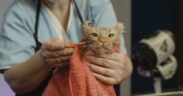
Cat limping after jumping causes and monitoring

Share

Cat limping after jumping causes and monitoring
Introduction
Cat limping after jumping causes and monitoring is a common concern among cat owners. Limping in cats may cause discomfort and affect their mobility, often leading to changes in behaviour or activity levels. While limping can occur in various animals, it is particularly noticeable in cats due to their agile nature and frequent jumping.
This issue matters because it may indicate underlying injuries or conditions that require attention. Limping is often associated with soft tissue injuries, joint problems, or paw pad damage, but only a licensed veterinarian can accurately diagnose the cause and recommend appropriate care.
Pet owners should observe their cats carefully after any incident involving jumping or sudden movement. Monitoring for signs such as persistent limping, swelling, or reluctance to move can help determine if veterinary evaluation is needed. However, this article does not replace a veterinary visit and should be used as a guide to better understand potential causes and the importance of professional assessment.
Reviewed by SASI Vet Editorial Board.
What this condition is
The condition often referred to when a cat limping after jumping causes and monitoring concerns arise involves injury or strain to the limbs or joints. Limping in cats is often associated with discomfort or pain in one or more legs, which may cause the animal to favour a limb or avoid putting weight on it.
This condition typically affects the bones, muscles, tendons, ligaments, or joints of the legs. It may develop suddenly after a jump or fall, or gradually due to repetitive stress or underlying health issues such as arthritis.
Common features include:
- Visible favouring or holding up of a leg
- Reduced activity or reluctance to jump or climb
- Swelling or tenderness in the affected area
- Changes in gait or posture
Because cats are skilled at hiding pain, limping may be subtle or intermittent. Veterinarians may recommend careful observation and monitoring of the cat’s behaviour and mobility over time to assess the severity and progression of the condition. Only a licensed veterinarian can accurately diagnose the cause of limping and suggest appropriate treatment options.
Common causes
Cat limping after jumping causes and monitoring often relate to a variety of factors seen in veterinary practice. Limping may result from injuries sustained during landing, such as sprains, strains, or bruising of muscles and ligaments. These soft tissue injuries are common when cats jump from heights or land awkwardly.
Other frequent causes include:
- Minor fractures or dislocations, especially in older cats or those with underlying bone conditions
- Joint inflammation or arthritis, which is often associated with age or previous injuries
- Paw pad injuries or foreign objects lodged in the foot
- Nail damage or infections that may cause discomfort when walking
In some cases, limping may be linked to neurological issues or systemic illnesses, though these are less common. The exact cause can sometimes be uncertain or multifactorial, requiring careful evaluation.
Veterinarians may recommend monitoring the cat’s mobility and behaviour closely, noting any changes in limping severity or additional signs such as swelling, heat, or reluctance to move. Prompt veterinary assessment is important to determine the underlying cause and appropriate management.
Typical signs and symptoms
When a cat is limping after jumping, owners may observe a range of signs that vary in severity. These signs can help indicate whether the issue is mild or potentially more serious, but only a licensed veterinarian can provide a diagnosis and appropriate treatment.
Mild signs
- Occasional favouring of one leg
- Brief periods of limping that improve with rest
- Reduced activity or reluctance to jump as usual
- Minor swelling or tenderness that does not worsen
More serious signs
- Persistent or worsening limping over several days
- Visible deformity or severe swelling
- Signs of pain such as vocalizing when the leg is touched
- Reluctance to bear weight on the affected leg
- Changes in behaviour such as hiding or decreased appetite
Monitoring your cat’s condition closely and keeping notes on any changes can be helpful when discussing concerns with your veterinarian. The focus keyword “Cat limping after jumping causes and monitoring” highlights the importance of observing these signs carefully to support veterinary assessment and care.
When it is an emergency
A cat limping after jumping causes and monitoring should be taken seriously if certain signs appear suddenly or worsen quickly. While some limping may improve with rest, sudden or severe symptoms may indicate a more serious injury requiring immediate veterinary attention.
Red flag signs to watch for include:
- Inability to put any weight on the affected leg
- Severe pain or vocalizing when the leg is touched or moved
- Swelling, deformity, or obvious wounds on the limb
- Rapidly worsening limping or lameness within hours
- Signs of shock such as pale gums, weakness, or collapse
- Sudden changes in behaviour such as hiding, aggression, or lethargy
These symptoms may cause concern for fractures, dislocations, or other urgent conditions. Veterinarians may recommend immediate evaluation and treatment to prevent complications. If you observe any of these signs, it is important to seek veterinary care promptly, either through your regular veterinarian or an emergency clinic.
How veterinarians diagnose it
When a cat is limping after jumping, veterinarians begin by gathering a detailed history from the owner. This includes information about the onset, duration, and severity of the limp, as well as any recent activities or injuries the cat may have experienced. Understanding the context helps guide the diagnostic process.
The physical examination is a crucial next step. The veterinarian will carefully observe the cat’s gait and posture, palpate the limbs to identify areas of pain or swelling, and assess joint mobility. This hands-on evaluation often provides important clues about the underlying cause.
Common diagnostic tests
To further investigate the cause of limping, veterinarians may recommend several tests, such as:
- Blood work to check for signs of infection or inflammation
- Imaging techniques like X-rays or ultrasound to evaluate bones, joints, and soft tissues
- Joint fluid analysis if arthritis or infection is suspected
These tests help rule out or confirm conditions that may cause limping. It is important to remember that only a licensed veterinarian can diagnose and develop an appropriate treatment plan for a cat limping after jumping causes and monitoring.
Treatment options
When addressing cat limping after jumping causes and monitoring, veterinarians may recommend a variety of treatment approaches depending on the underlying issue. It is important to remember that only a licensed veterinarian can determine the most appropriate plan for each individual cat.
Medications
Medications may be used to manage pain or inflammation. These are often prescribed based on the severity of symptoms and the specific diagnosis. Owners should never administer medications without veterinary guidance.
Procedures and therapies
In some cases, procedures such as joint injections or physical therapy might be suggested to support healing and improve mobility. The suitability of these options depends on the cause of limping and the cat’s overall health.
Dietary changes and home care
- Adjusting diet to support joint health or weight management may be beneficial.
- Providing a comfortable resting area and limiting strenuous activity can help during recovery.
- Monitoring the cat’s movement and behaviour closely allows for timely veterinary reassessment if symptoms persist or worsen.
Overall, treatment plans are tailored to the individual cat’s needs, and ongoing communication with a veterinarian is essential to ensure the best outcome.
Home care and monitoring
After a veterinary visit, safe home care is important to support your cat’s recovery. If your cat is limping after jumping, causes and monitoring should be carefully considered to ensure comfort and detect any changes that may require further veterinary attention.
Monitoring your cat at home
- Observe your cat’s gait and weight-bearing on the affected limb.
- Note any changes in limping severity, swelling, or sensitivity to touch.
- Watch for signs of pain such as vocalizing, hiding, or decreased activity.
- Keep track of your cat’s appetite, drinking habits, and litter box use.
Comfort measures
- Provide a quiet, comfortable resting area with soft bedding.
- Limit jumping and vigorous activity to prevent further strain.
- Ensure easy access to food, water, and litter boxes without the need to jump or climb.
If you notice worsening limping, increased pain, swelling, or any new symptoms, contact your veterinary clinic promptly. Remember, only a licensed veterinarian can diagnose and treat your cat’s condition appropriately.
Prevention and long-term management
Cat limping after jumping causes and monitoring can often be influenced by factors within an owner’s control. Preventative measures may reduce the risk of injury or complications. Routine veterinary check-ups are important to identify early signs of joint or muscle issues. Maintaining a healthy weight through a balanced diet helps reduce stress on joints and may prevent mobility problems.
Preventative strategies
- Regular vaccinations and parasite prevention to support overall health
- Providing safe, low-impact play environments to minimise injury risk
- Encouraging controlled exercise to strengthen muscles and joints
- Monitoring weight to avoid obesity-related joint strain
Long-term management
If limping is due to a chronic condition, veterinarians may recommend ongoing management tailored to the cat’s needs. This could include physical therapy, joint supplements, or lifestyle adjustments to improve comfort and mobility. Owners should carefully observe their cat’s behaviour and activity levels, noting any changes or worsening symptoms. Regular veterinary assessments are essential to adjust management plans and ensure the best quality of life for the pet.
Living with a pet with this condition
When a cat is limping after jumping, causes and monitoring become important aspects of managing their well-being. Limping may cause discomfort and affect your pet’s daily activities, so understanding how to support them is essential.
Quality of life and lifestyle adjustments
Many cats with intermittent limping can maintain a good quality of life with some adjustments. These may include:
- Providing soft bedding and easy access to favourite resting spots
- Limiting high jumps or strenuous activity temporarily
- Ensuring a safe environment to prevent further injury
Follow-up and monitoring
Regular follow-up visits with a licensed veterinarian are important to assess your cat’s progress. Veterinarians may recommend monitoring the limp’s frequency, duration, and any changes in behaviour or mobility.
Supporting your pet day-to-day
Owners can help by observing their cat closely and maintaining open communication with their veterinary team. Realistic expectations about recovery and ongoing care can improve outcomes and help manage any underlying issues effectively.
FAQs
What are common causes of a cat limping after jumping?
A cat limping after jumping may be due to minor injuries such as muscle strain, bruising, or a soft tissue sprain. Other causes can include nail damage, joint inflammation, or underlying conditions like arthritis. It is often associated with sudden movements or awkward landings.
When should I be concerned about my cat’s limp?
If the limping persists for more than a day or two, worsens, or is accompanied by swelling, heat, or obvious pain, it is important to consult a licensed veterinarian. Sudden inability to bear weight or signs of severe distress require prompt veterinary attention.
How can I safely monitor my cat at home?
- Observe your cat’s mobility and behaviour for changes.
- Limit jumping and vigorous activity to prevent further injury.
- Check for visible wounds, swelling, or sensitivity.
- Provide a comfortable resting area.
Can I give my cat medication for limping?
Only a veterinarian can recommend appropriate treatments or medications. Do not give your cat any medication without veterinary guidance, as some human or over-the-counter drugs may be harmful to cats.
What should I tell my veterinarian about my cat’s limp?
Provide details about when the limping started, any recent activities or injuries, changes in behaviour, and any treatments you have tried. This information helps the veterinarian determine the best approach for diagnosis and care.
Summary
Cat limping after jumping causes and monitoring is often associated with minor injuries such as sprains or strains, but it may also indicate more serious conditions like fractures or joint issues. Early recognition of limping and prompt veterinary evaluation are important to ensure appropriate care and to prevent complications.
Pet owners should observe their cat closely for signs including:
- Persistent limping or favouring one leg
- Swelling or tenderness around the affected area
- Reluctance to jump, climb, or play
- Changes in behaviour or appetite
If any of these signs are present or if limping continues beyond a day or two, veterinarians may recommend a thorough examination, which could include diagnostic imaging to determine the cause.
Timely veterinary care can help manage pain, support healing, and improve outcomes. While some mild injuries may resolve with rest and monitoring, only a licensed veterinarian can provide a definitive diagnosis and appropriate treatment plan.
Remember, careful observation and early veterinary consultation are key to helping your cat recover safely and comfortably.
Further reading and resources
- American Veterinary Medical Association (AVMA)
- Canadian Veterinary Medical Association (CVMA)
- World Small Animal Veterinary Association (WSAVA)
- RSPCA
- UC Davis Veterinary Medicine Teaching Hospital
Disclaimer: This article provides general information about pet health and does not replace professional veterinary advice. Always talk to a licensed veterinarian about your pet’s specific situation.