Cat nail injury signs causes and vet care

Share
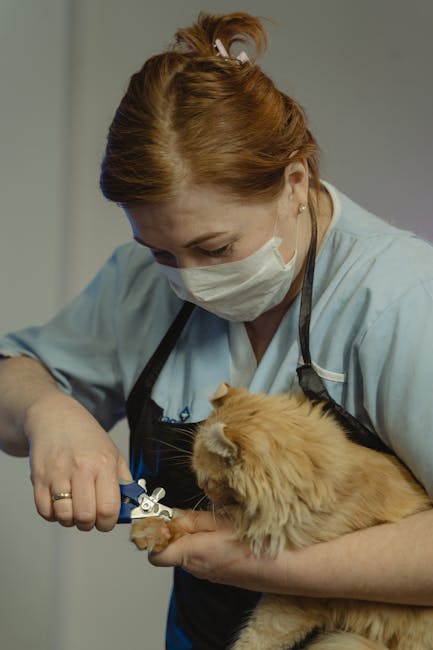
Cat nail injury signs causes and vet care
Introduction
Cat nail injury signs causes and vet care is an important topic for cat owners to understand. Nail injuries are common in cats and can range from minor scratches to more serious damage involving the nail bed or surrounding tissues. While dogs can also experience nail problems, this article focuses primarily on cats, as their nail structure and behaviour often lead to specific types of injuries.
Recognizing the signs of a nail injury in cats is essential because untreated injuries may cause discomfort, infection, or difficulty walking. Common signs include limping, excessive licking of the paw, visible bleeding, or a broken or missing nail. Understanding potential causes, such as trauma from scratching, getting the nail caught in objects, or fights with other animals, can help owners take appropriate precautions.
It is important to remember that this article does not replace a veterinary visit. Only a licensed veterinarian can accurately diagnose the extent of a nail injury and recommend suitable treatment options. Veterinarians may suggest cleaning the wound, pain management, or other interventions depending on the severity of the injury.
Reviewed by SASI Vet Editorial Board.
What this condition is
A cat nail injury involves damage to the claws or surrounding tissues of a cat’s paws. This condition is often associated with trauma such as snagging, breaking, or tearing of the nail. It may cause pain, swelling, and difficulty walking or using the affected paw.
The nails are part of the cat’s claws, which grow from specialized skin cells at the base of each nail. Injuries can affect the nail itself, the nail bed (the tissue beneath the nail), or the surrounding skin and soft tissues.
How it typically develops
- Initial trauma or injury to the nail or paw
- Possible bleeding or nail loss
- Inflammation and swelling around the nail
- Discomfort or limping
- Potential secondary infection if untreated
Cat nail injury signs causes and vet care are important to understand because early recognition and appropriate veterinary assessment can help prevent complications. Veterinarians may recommend cleaning, pain management, or protective measures depending on the severity of the injury. Only a licensed veterinarian can diagnose and provide suitable treatment for this condition.
Common causes
Cat nail injury signs causes and vet care often relate to a variety of factors seen in veterinary practice. Nail injuries in cats may result from trauma, infections, or underlying health conditions. Understanding these common causes can help pet owners recognise potential issues early.
Trauma and physical damage
Physical injury is a frequent cause of nail problems in cats. This may include:
- Scratches or cuts from rough surfaces or fights with other animals
- Getting nails caught in fabrics, carpets, or furniture
- Accidental crushing or pinching of the nail
Such trauma may cause pain, bleeding, or nail deformities.
Infections and inflammation
Infections, often bacterial or fungal, are often associated with nail bed inflammation. These infections may develop secondary to trauma or poor nail hygiene. Veterinarians may recommend diagnostic tests to identify the specific cause.
Other risk factors
Additional factors that may contribute include:
- Underlying systemic diseases that affect nail health
- Excessive scratching due to allergies or skin conditions
- Age-related changes that weaken nail structure
Because causes can be mixed or uncertain, only a licensed veterinarian can accurately diagnose and recommend appropriate care for nail injuries in cats.
Typical signs and symptoms
Cat nail injury signs causes and vet care often involve a range of visible and behavioural changes. Pet owners may notice mild signs such as slight limping or favouring one paw. These signs may cause some discomfort but are not always urgent.
More serious symptoms can include:
- Swelling or redness around the nail or toe
- Bleeding or discharge from the nail bed
- Visible broken or missing nails
- Excessive licking or biting at the affected paw
- Reluctance to walk, jump, or climb
- Signs of pain when the paw is touched
It is important to monitor any changes in your cat’s behaviour or physical condition. Keeping notes on when symptoms appear and how they progress can be helpful for your veterinarian. While some signs may resolve with time, others may indicate an infection or more serious injury that requires professional assessment.
Only a licensed veterinarian can diagnose and recommend appropriate care for nail injuries. If you observe any concerning symptoms, it is advisable to seek veterinary advice promptly to ensure your cat’s comfort and health.
When it is an emergency
Recognizing the signs of a serious cat nail injury is important to ensure timely veterinary care. The focus keyword cat nail injury signs causes and vet care highlights the need to understand when immediate attention is necessary.
Sudden, severe, or rapidly worsening symptoms may cause significant discomfort or complications and should prompt urgent evaluation by a licensed veterinarian or a visit to an emergency clinic.
Red flag signs requiring immediate veterinary attention
- Excessive bleeding that does not stop within a few minutes
- Visible bone or deep tissue exposure around the nail
- Severe swelling, redness, or heat around the injured nail or paw
- Signs of intense pain such as vocalizing, limping, or refusing to put weight on the affected paw
- Foul-smelling discharge or pus indicating possible infection
- Sudden onset of lethargy, fever, or loss of appetite following the injury
Veterinarians may recommend urgent care to manage these symptoms and prevent further complications. If you observe any of these signs, do not delay in seeking professional veterinary assessment and treatment.
How veterinarians diagnose it
When assessing cat nail injury signs causes and vet care, veterinarians begin with a thorough history and physical examination. They ask about the pet’s recent activities, any observed trauma, and changes in behaviour or mobility that may indicate discomfort.
Physical examination
The physical exam focuses on the affected limb or paw, checking for swelling, pain, bleeding, or visible damage to the nails and surrounding tissues. Veterinarians may gently manipulate the nails and joints to evaluate the extent of injury and identify any secondary issues such as infection.
Diagnostic tests
To gain further insight, veterinarians may recommend several diagnostic tests, including:
- Blood work to assess overall health and detect signs of infection or inflammation
- Imaging techniques such as X-rays to evaluate bone involvement or detect fractures
- Microscopic examination or cultures if infection is suspected
These steps help veterinarians form a comprehensive understanding of the injury and guide appropriate treatment options. It is important to remember that only a licensed veterinarian can diagnose and manage these conditions safely and effectively.
Treatment options
When addressing cat nail injury signs causes and vet care, veterinarians may recommend a variety of treatment approaches depending on the severity and type of injury. It is important to remember that only a licensed veterinarian can determine the most appropriate plan for each individual cat.
Medications
Medications may be used to manage pain, reduce inflammation, or prevent infection. These are often prescribed based on the specific needs of the cat and the nature of the injury.
Procedures
In some cases, minor procedures such as cleaning the wound, trimming damaged nails, or removing foreign material may be necessary. More severe injuries might require additional veterinary interventions.
Dietary and Home Care
- Dietary adjustments may support overall healing and immune function.
- Home care often includes keeping the affected area clean and monitoring for signs of worsening or infection.
- Restricting activity may help prevent further injury during recovery.
Because treatment options vary widely, consulting a licensed veterinarian is essential to ensure safe and effective care tailored to your cat’s specific condition.
Home care and monitoring
After a veterinary visit for a cat nail injury, safe home care and careful monitoring are important to support recovery. While veterinarians may recommend specific follow-up steps, it is essential to follow their guidance and avoid starting treatments independently.
Monitoring your cat
Observe your cat closely for signs that may indicate complications or worsening of the injury. These signs can include:
- Increased swelling or redness around the nail
- Persistent bleeding or discharge
- Excessive licking or biting at the affected paw
- Changes in mobility or reluctance to walk
- Signs of pain such as vocalizing or hiding
Comfort measures
Providing a calm and clean environment can help your cat feel more comfortable. You may gently clean the area if advised by your veterinarian, and ensure your cat has a quiet space to rest. Avoid allowing your cat to scratch or irritate the injured nail.
When to contact your veterinarian
If you notice any concerning signs or if your cat’s condition does not improve as expected, contact your veterinary clinic promptly. Only a licensed veterinarian can diagnose and manage complications related to cat nail injury signs causes and vet care.
Prevention and long-term management
Preventing injuries such as those related to cat nail injury signs causes and vet care often involves proactive measures to reduce risk factors. Regular veterinary check-ups allow early detection of potential issues and help maintain overall health.
Risk reduction strategies
- Keep nails trimmed regularly to prevent overgrowth and accidental injury.
- Provide safe environments free from sharp objects or rough surfaces that may cause nail trauma.
- Use appropriate scratching posts to satisfy natural behaviours and reduce damage to nails.
- Maintain parasite prevention and vaccinations as recommended by your veterinarian.
- Ensure a balanced diet and healthy weight to support immune function and tissue repair.
Long-term management
If a cat experiences chronic nail injuries or related conditions, veterinarians may recommend ongoing care tailored to the individual animal’s needs. This could include regular monitoring, wound care, and adjustments in the home environment to minimise recurrence.
Owners should work closely with their veterinarian to develop a management plan that supports healing and reduces discomfort, recognising that only a licensed professional can provide diagnosis and treatment options.
Living with a pet with this condition
Managing a pet with a cat nail injury signs causes and vet care often requires patience and attentive care. Quality of life can be maintained with appropriate follow-up visits and adjustments to daily routines.
Follow-up and monitoring
Regular veterinary check-ups are important to monitor healing and address any complications. Veterinarians may recommend periodic assessments to ensure the injury is resolving as expected.
Supporting your pet day-to-day
- Keep the affected area clean and dry as advised by your veterinarian.
- Limit activities that may stress or reinjure the nail, such as excessive scratching or jumping.
- Provide a comfortable resting area to reduce pressure on the injured nail.
- Observe your pet for signs of discomfort or changes in behaviour and report these to your veterinary team.
Realistic expectations and communication
Healing times can vary depending on the severity of the injury. Some pets may require lifestyle changes temporarily to support recovery. Maintaining open communication with your veterinarian helps ensure your pet receives the best care tailored to their needs.
FAQs
What are common signs of a cat nail injury?
A cat nail injury may cause limping, swelling around the nail, bleeding, or visible damage to the claw. Cats might also lick or chew the affected paw more than usual. These signs are often associated with discomfort or pain.
What causes cat nail injuries?
Injuries to cat nails can result from trauma such as getting the claw caught in fabric or furniture, fights with other animals, or nail breakage during scratching. Environmental factors and underlying health issues may also contribute.
How should I care for a cat nail injury at home?
Initial care may include gently cleaning the area and preventing your cat from further irritating the injury. However, it is important to avoid applying any medications or treatments without veterinary guidance.
When should I see a veterinarian about my cat’s nail injury?
If your cat shows persistent limping, swelling, bleeding, or signs of pain, a licensed veterinarian should evaluate the injury. They can provide an accurate diagnosis and recommend appropriate treatment options.
Can cat nail injuries lead to complications?
Untreated nail injuries may lead to infection or more serious paw problems. Veterinarians may recommend specific care to prevent complications and support healing.
If you have questions about cat nail injury signs causes and vet care, always consult your veterinarian for advice tailored to your pet’s needs.
Summary
Recognizing cat nail injury signs causes and vet care early can help ensure the best possible outcome for your pet. Nail injuries in cats may cause discomfort, limping, or behavioural changes, and prompt attention is important.
Common signs to watch for include:
- Swelling or redness around the nail
- Bleeding or visible wounds
- Limping or favouring one paw
- Excessive licking or biting at the nail area
If you notice any of these signs, veterinarians may recommend a thorough examination to assess the injury and determine appropriate care. Early veterinary care can help prevent complications such as infections or chronic pain.
It is important to have realistic expectations; recovery times can vary depending on the severity of the injury and the treatment required. While some injuries may heal quickly with minimal intervention, others might need more extensive care.
Remember, only a licensed veterinarian can diagnose and treat nail injuries in cats. Timely veterinary assessment and care are key to supporting your cat’s comfort and health.
- American Veterinary Medical Association (AVMA)
- Canadian Veterinary Medical Association (CVMA)
- World Small Animal Veterinary Association (WSAVA)
- RSPCA
- UC Davis Veterinary Medicine Teaching Hospital
Disclaimer: This article provides general information about pet health and does not replace professional veterinary advice. Always talk to a licensed veterinarian about your pet’s specific situation.