Cats reacting during conflicts with other pets

Share
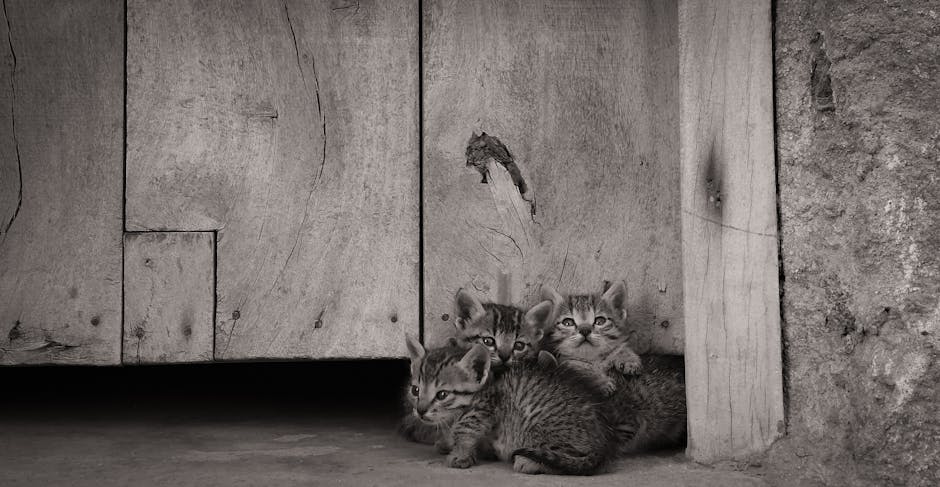
Cats reacting during conflicts with other pets
Introduction
Understanding how cats reacting during conflicts with other pets can be a crucial aspect of ensuring a harmonious household. It’s important to recognize that aggression in both dogs and cats is often a safety signal rather than a sign of a deeper behavioral disorder. When pets feel threatened or overwhelmed, they may react in ways that can seem aggressive, but this behavior is typically a response to their environment.
As pet owners, our primary goal is to create a safe and supportive atmosphere for all animals in the home. Observing how your pets interact can provide valuable insights into their feelings and needs. If conflicts arise, it’s essential to approach the situation with calmness and understanding, allowing each pet the space they need to feel secure.
By fostering an environment of safety and respect, we can help our pets navigate their relationships with one another more effectively. Remember, this discussion is not about diagnosing behavior disorders but rather about recognizing and responding to the natural instincts of our beloved companions.
Reviewed by the SASI Vet Behavior & Aggression Editorial Board.
What aggression may look like
When observing Cats reacting during conflicts with other pets, you may notice a variety of behaviors that indicate their feelings. These behaviors can range from vocalizations to body language, each serving as a communication tool.
For instance, a cat may growl or hiss when feeling threatened or cornered. These sounds are often accompanied by a stiff posture, where the cat stands tall with its ears pinned back, signaling discomfort or fear. In some cases, a cat might choose to avoid the situation altogether, retreating to a safe space where it feels more secure.
Other observable behaviors can include snapping or swatting, which are often defensive actions. If a cat feels overwhelmed, it may also display signs of agitation by pacing or looking around nervously. Understanding these signals is crucial for ensuring a safe environment for all pets involved.
Recognizing these behaviors can help you create a more harmonious living situation, allowing for better interactions among your pets. Always prioritize their comfort and safety during any conflicts.
Situations where pets may show aggressive behaviour
Understanding the context in which cats may display aggression is essential for ensuring a harmonious environment. One common scenario involves cats reacting during conflicts with other pets. This can occur due to various triggers that may lead to stress or discomfort.
Fear is a significant factor; a cat may feel threatened by another animal’s presence, leading to defensive behaviour. Similarly, discomfort can arise from being in close proximity to other pets, especially if they are unfamiliar. Resource tension is another common trigger; cats may become aggressive when they feel their food, toys, or resting spots are being threatened by another pet.
Unfamiliar visitors can also provoke anxiety, causing a cat to react aggressively if they perceive a threat to their territory. Additionally, sudden changes in the household, such as moving furniture or introducing a new pet, can disrupt a cat’s sense of security, leading to potential conflicts.
Recognizing these triggers can help pet owners create a safer and more comfortable environment for all pets involved, promoting positive interactions and reducing the likelihood of aggression.
Why punishment can make things worse
When cats react during conflicts with other pets, it can be tempting to use intimidation or corrections to manage the situation. However, these methods can often lead to increased fear and anxiety in your cat, making the problem worse rather than better. Cats are sensitive creatures, and harsh techniques can damage the trust they have in their human companions.
Using punishment can escalate aggressive behaviors, as the cat may feel threatened and respond defensively. This can create a cycle of fear and aggression, leading to more conflicts rather than resolving them. Instead of fostering a safe environment, intimidation can cause your cat to become more anxious and reactive, which can affect their overall well-being.
Promoting kindness and understanding is essential when addressing conflicts between pets. Creating controlled environments where each pet feels secure can help reduce tensions. Providing separate spaces, safe retreats, and positive reinforcement for calm behavior can encourage peaceful interactions. Remember, patience and compassion are key in helping your pets navigate their relationships with one another.
How calm routines may support safety
Establishing calm routines can significantly benefit cats reacting during conflicts with other pets. Consistency in daily activities helps create a sense of security, allowing your cat to feel more at ease in their environment. When routines are predictable, it reduces anxiety and helps your pet manage their reactions during stressful situations.
Creating safe spaces within your home is essential. Designate areas where your cat can retreat when feeling overwhelmed. These spaces should be quiet and comfortable, providing a sanctuary where they can relax away from other pets.
Introducing pets to each other slowly and carefully is crucial. Gradual introductions allow your cat to acclimate to the presence of other animals without feeling threatened. Supervision during these interactions is vital to ensure safety and to monitor any signs of stress or discomfort.
By focusing on routine consistency, safe spaces, and careful introductions, you can help your cat navigate conflicts with other pets more effectively, fostering a harmonious living environment for everyone involved.
When aggression signals more serious concern
Understanding cats reacting during conflicts with other pets is essential for ensuring a harmonious household. While some level of conflict can be normal, certain red flags may indicate a more serious issue that requires attention.
One significant warning sign is escalating intensity. If your cat’s aggression seems to increase over time, it may be a signal that the situation is becoming more serious. Sudden changes in behavior, such as a previously friendly cat becoming aggressive, can also be concerning. These shifts may indicate underlying stress or discomfort that needs to be addressed.
Another critical red flag is if your cat bites or uses excessive force during conflicts. This behavior can lead to injuries and may suggest that your cat feels threatened or is struggling to cope with the situation. It’s important to take these signs seriously and seek guidance from a professional who can help assess the dynamics between your pets.
By recognizing these warning signs early, you can create a safer environment for all your pets and promote healthier interactions.
Working with qualified professionals
When addressing issues like cats reacting during conflicts with other pets, it’s essential to collaborate with qualified professionals who can provide guidance tailored to your situation. Positive reinforcement trainers specialize in teaching desirable behaviors through rewards, helping to create a harmonious environment for all pets involved.
Veterinary behaviour professionals have a deep understanding of animal behavior and can assess the underlying causes of conflicts. They can offer insights into your cat’s reactions and suggest strategies to improve interactions with other pets, always focusing on humane and supportive methods.
Veterinarians play a crucial role in ensuring your pets are healthy and free from any medical issues that might contribute to behavioral challenges. They can help rule out any health concerns that may be influencing your cat’s reactions during conflicts.
By working together with these professionals, you can create a safe and positive environment for your pets, helping to reduce conflicts and promote peaceful coexistence. Remember, patience and understanding are key as you navigate these situations.
FAQs
Why do cats react during conflicts with other pets?
Cats may react during conflicts with other pets due to their natural instincts. They can feel threatened or anxious, leading to defensive behaviors. Understanding their body language can help you identify when they are uncomfortable.
How can I tell if my cat is stressed during a conflict?
Signs of stress in cats can include hissing, growling, flattened ears, and a puffed-up tail. If you notice these behaviors, it’s important to intervene calmly to prevent escalation.
What should I do if my cat and another pet are fighting?
To ensure safety, separate the pets calmly and quietly. Avoid yelling or making sudden movements, as this can increase tension. Allow them time apart to cool down before reintroducing them.
Can I prevent conflicts between my cat and other pets?
Yes, gradual introductions and providing separate spaces for each pet can help reduce conflicts. Ensuring each pet has their own resources, like food and litter boxes, can also minimize competition.
When should I seek help regarding my cat’s reactions?
If conflicts persist or escalate, consider consulting a professional who specializes in animal behavior. They can provide guidance tailored to your specific situation, ensuring a harmonious environment for all pets.
Summary
Understanding cats reacting during conflicts with other pets is essential for fostering a harmonious home environment. It’s important to recognize that aggression in cats is often a form of communication, expressing their feelings of fear, stress, or territoriality. When conflicts arise, your cat may be trying to convey their discomfort or need for space.
As a pet owner, your role is to remain calm and observe the situation without intervening aggressively. Creating a safe space for your cat can help them feel more secure. This might include providing separate areas for each pet, ensuring they have their own resources like food, water, and litter boxes, and allowing them to retreat when they feel threatened.
If conflicts persist, seeking the guidance of a professional who specializes in animal behavior can be beneficial. They can help you understand your pets’ interactions better and provide strategies to improve their relationships. Remember, patience and understanding are key in helping your pets coexist peacefully.
Additionally, fostering positive experiences through play and enrichment can strengthen the bond between your pets. Engaging them in activities that promote cooperation and shared enjoyment can help alleviate tension and build trust. Regularly monitoring their interactions and adjusting their environments as needed will contribute to a more peaceful household.
Furthermore, consider incorporating interactive toys and puzzle feeders that can engage your pets mentally and physically. This not only provides stimulation but also encourages them to work together, fostering a sense of teamwork. By creating opportunities for positive interactions, you can help mitigate conflicts and enhance the overall well-being of your pets.
- Understanding Cat Behavior
- Positive Reinforcement Techniques
- Creating Safe Spaces for Pets
- Gradual Introductions of Pets
- Recognizing Signs of Stress in Pets
Disclaimer: This article provides general information about pet aggression and does not replace professional evaluation.