Cats reacting to outside noises

Share
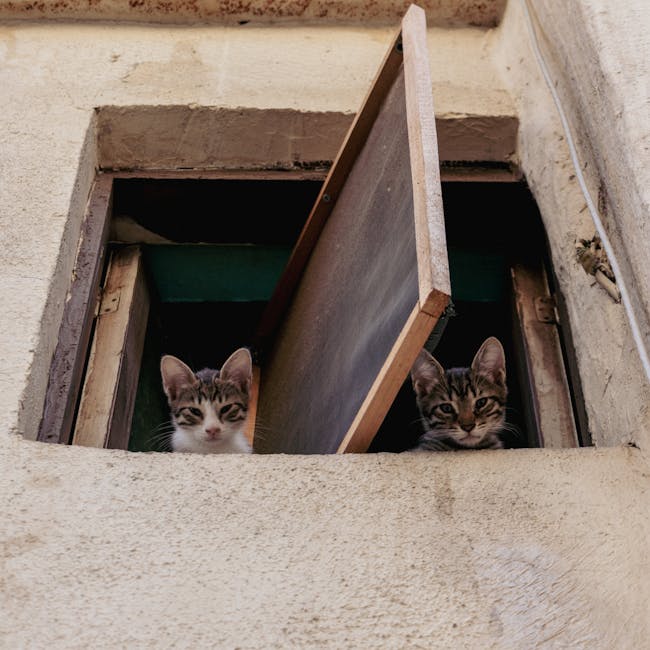
Cats reacting to outside noises
Introduction
Many pet owners notice their Cats reacting to outside noises, which can sometimes lead to unexpected behaviors. It’s important to understand that such reactions are a natural response to stimuli in their environment. While these behaviors can be concerning, they are often a way for your cat to express their feelings about what they perceive as potential threats.
When cats react to outside noises, it may manifest as vocalizations, hiding, or even aggressive posturing. These responses are not uncommon and serve as a safety signal for your pet. It’s essential to recognize that aggression in pets, whether in dogs or cats, is a form of communication rather than a definitive behavior disorder.
As you observe your cat’s reactions, remember that understanding their feelings and providing a safe space can help them feel more secure. This article aims to offer insights into these behaviors without diagnosing any specific issues. By fostering a calm environment, you can support your cat in navigating their reactions to the world around them.
Reviewed by the SASI Vet Behavior & Aggression Editorial Board.
What aggression may look like
When cats react to outside noises, their behavior can vary widely. You might notice them growling or hissing, which are vocalizations that indicate discomfort or agitation. These sounds can serve as a warning to perceived threats. Additionally, a cat may exhibit a stiff posture, with their body tense and tail held high or puffed up, signaling that they are on alert.
Some cats may choose to avoid the source of the noise altogether, retreating to a safe space where they feel more secure. This behavior is a natural response to stress and can help them cope with overwhelming stimuli. In certain situations, a cat might snap or swat if they feel cornered or threatened, using these actions as a way to protect themselves.
Understanding these observable behaviors can help you create a calm environment for your cat. Providing a safe space and minimizing exposure to startling sounds can support their well-being and comfort. Always approach your cat with patience and empathy, recognizing that their reactions are a way of communicating their feelings and needs.
Situations where pets may show aggressive behaviour
Understanding why pets, particularly cats, may exhibit aggressive behaviour can help create a safer environment for everyone involved. One common trigger is Cats reacting to outside noises. Sudden sounds, such as sirens, construction, or even loud conversations, can startle a cat, leading to fear-based reactions.
Another situation that may provoke aggression is discomfort. If a cat feels threatened by a new object in their environment or is in a space that feels cramped, they may respond defensively. Resource tension can also play a role; for instance, if a cat feels that their food, toys, or resting spots are being encroached upon, they may react aggressively to protect their resources.
Unfamiliar visitors can be a source of stress for many cats. The presence of strangers in their territory can lead to anxiety and defensive behaviours. Additionally, sudden changes in their routine or environment, such as moving to a new home or the arrival of a new pet, can trigger aggressive responses as they navigate their feelings of uncertainty.
Why punishment can make things worse
When cats react to outside noises, it can be a stressful experience for both the pet and the owner. Many people may instinctively respond with intimidation or corrections, believing that this will help their cat feel more secure. However, these methods can often lead to increased fear and anxiety in our feline friends.
Using punishment or dominance-based techniques can create a negative association with the environment, making the cat more fearful of the noises they hear. Instead of feeling safe, they may become more anxious, leading to a cycle of stress and undesirable behaviors. This can also damage the bond between the cat and their owner, as the cat may begin to associate their caregiver with fear rather than comfort.
Creating a calm and controlled environment is essential. Providing a safe space where your cat can retreat when they hear outside noises can help them feel more secure. Using positive reinforcement to encourage calm behavior can also foster a sense of safety and trust. Remember, kindness and understanding are key to helping your cat navigate their fears.
How calm routines may support safety
Establishing a consistent routine can greatly benefit cats reacting to outside noises. Predictable daily activities help create a sense of security, allowing your cat to feel more at ease in their environment. When they know what to expect, it can reduce anxiety and promote a calmer demeanor.
Creating safe spaces within your home is essential. Designate areas where your cat can retreat when they feel overwhelmed by external sounds. These spaces should be quiet and comfortable, filled with familiar items like blankets or toys. This sanctuary allows them to decompress and regain their confidence.
Introducing new experiences slowly can also help. If your cat is sensitive to outside noises, gradually exposing them to these sounds at a low volume can assist in desensitization. Always monitor their reactions and provide reassurance during these introductions.
Supervision is key when your cat is exposed to potentially stressful situations. Being present allows you to observe their behavior and offer comfort when needed. By fostering a calm environment and being attentive to their needs, you can support your cat in feeling safe and secure, even in the face of outside disturbances.
When aggression signals more serious concern
Observing your cat’s behavior can provide valuable insights into their emotional state, especially when it comes to cats reacting to outside noises. While some reactions may be typical, certain red flags can indicate a more serious concern. It’s important to be aware of these signs to ensure the safety and well-being of both your cat and those around them.
One significant red flag is escalating intensity in your cat’s reactions. If your cat goes from mild alertness to aggressive behavior, this change can signal distress. Additionally, sudden changes in behavior, such as a previously calm cat becoming fearful or aggressive, warrant attention. These shifts can indicate that your cat is struggling to cope with their environment.
Another concerning sign is if your cat bites or swats in response to outside noises. This behavior can be a way of expressing fear or frustration. If you notice any of these red flags, it’s essential to seek professional evaluation. A qualified expert can help you understand your cat’s behavior and guide you in creating a safe and supportive environment for them.
Working with qualified professionals
When addressing concerns such as cats reacting to outside noises, it is essential to collaborate with qualified professionals who can provide guidance tailored to your pet’s needs. Positive reinforcement trainers specialize in teaching cats new behaviors through rewards, helping to create a calm environment and reduce stress related to external stimuli.
Veterinary behaviour professionals have a deep understanding of animal behavior and can assess your cat’s reactions in context. They can offer insights into why your cat may be reacting to outside noises and suggest strategies to help manage these responses in a safe and humane manner.
Veterinarians play a crucial role in ensuring your cat’s overall health. They can rule out any underlying medical issues that might contribute to your cat’s sensitivity to sounds. By working together, these professionals can help you create a supportive environment for your cat, fostering a sense of safety and security.
Remember, each cat is unique, and a collaborative approach will provide the best outcomes for addressing their reactions to outside noises.
FAQs
Why do my cats react to outside noises?
Cats have highly sensitive hearing and are naturally alert to their surroundings. Outside noises can trigger their instinctual responses, leading to various reactions such as curiosity, anxiety, or even fear.
What should I do if my cats seem scared of outside noises?
If your cats are frightened, it’s important to create a safe and calm environment for them. Providing a cozy space where they can retreat can help them feel more secure. You might also consider using calming techniques, such as gentle petting or soft music, to help soothe them.
Can I help my cats become less reactive to outside noises?
While each cat is unique, gradually desensitizing them to certain sounds can be beneficial. You can start by exposing them to low-volume recordings of outside noises while providing positive reinforcement, such as treats or playtime, to create a positive association.
Is it normal for cats to react differently to various sounds?
Yes, it is completely normal for cats to have different reactions to various sounds. Some may be more curious, while others might show signs of stress. Understanding your cat’s individual personality can help you support them better.
When should I be concerned about my cats’ reactions to outside noises?
If your cats’ reactions lead to persistent signs of distress or if they exhibit changes in behavior, it may be helpful to consult with a professional who specializes in feline behavior. They can provide guidance tailored to your cats’ needs.
Summary
Many cat owners notice their pets reacting to outside noises, which can sometimes lead to aggressive behavior. It’s important to understand that this aggression is often a form of communication. Cats may feel threatened or anxious when they hear unfamiliar sounds, prompting them to react in ways that can seem aggressive.
When your cat reacts to outside noises, it’s essential to remain calm and supportive. Creating a safe space for your cat can help them feel more secure. Consider providing a quiet area where they can retreat when they feel overwhelmed. This can be a cozy bed or a designated room away from the noise.
Additionally, observing your cat’s body language can provide insights into their feelings. Signs of stress may include flattened ears, hissing, or swatting. If you notice these behaviors, it may be beneficial to consult with a professional who specializes in feline behavior. They can offer guidance tailored to your cat’s specific needs.
Remember, understanding and patience are key. By recognizing that aggression is a form of communication, you can help your cat feel more at ease in their environment.
In conclusion, being attuned to your cat’s reactions to outside noises is crucial for their well-being. By fostering a supportive atmosphere and being proactive in addressing their needs, you can help your feline friend navigate their world with greater confidence. This approach not only enhances their quality of life but also strengthens the bond you share.
- Understanding feline body language
- Creating a safe space for your cat
- Positive reinforcement techniques
- Recognizing signs of stress in pets
- Building a calm routine for your pet
Disclaimer: This article provides general information about pet aggression and does not replace professional evaluation.