
Cats showing agitation during carrier entry

Share
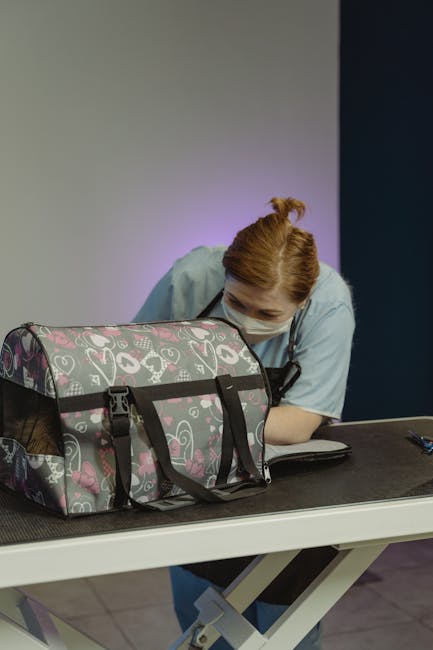
Cats showing agitation during carrier entry
Introduction
It’s not uncommon for pet owners to notice their Cats showing agitation during carrier entry. This behavior can be concerning, but it’s important to understand that it often serves as a safety signal for the animal. Cats, like dogs, can exhibit signs of stress or discomfort in certain situations, and recognizing these signals is crucial for ensuring their well-being.
When a cat displays agitation, it may be expressing fear or anxiety about being confined in a carrier. This reaction is a natural response to a perceived threat, and it’s essential to approach the situation with calmness and understanding. Remember, this article does not diagnose behavior disorders; rather, it aims to provide insight into the reasons behind such behaviors and how to create a more positive experience for both you and your cat.
By fostering a supportive environment and using gentle techniques, you can help your cat feel more comfortable with the carrier. Understanding their feelings and responding with empathy can make a significant difference in their behavior during these moments.
Reviewed by the SASI Vet Behavior & Aggression Editorial Board.
What aggression may look like
When observing Cats showing agitation during carrier entry, you may notice a variety of behaviors that indicate their discomfort or stress. These behaviors can include growling or hissing, which are vocalizations that express their unease. A cat may also exhibit a stiff posture, indicating tension in their body as they prepare to react to the situation.
Some cats might choose to avoid the carrier altogether, retreating to a safe space instead. This avoidance behavior is a clear sign that they are not comfortable with the process. In certain situations, a cat may even snap or swat if they feel cornered or threatened, which is their way of communicating that they need space.
Understanding these observable behaviors is crucial for ensuring a calm and safe environment for both you and your cat. By recognizing signs of agitation, you can take steps to make the carrier experience more positive and less stressful for your feline friend.
Situations where pets may show aggressive behaviour
Understanding the common triggers for aggression in pets can help create a safer environment for both pets and their owners. One situation where you might notice cats showing agitation during carrier entry is when they feel threatened or scared. The carrier may represent a confined space, leading to feelings of vulnerability.
Fear is a significant factor; loud noises, sudden movements, or unfamiliar environments can cause anxiety in pets. Additionally, discomfort can arise from the carrier itself if it is too small or not familiar to the cat. Resource tension may occur if there are multiple pets in the household, leading to competition over food, toys, or attention.
Unfamiliar visitors can also trigger aggressive behaviour, as pets may feel the need to protect their territory. Lastly, sudden changes in routine or environment, such as moving to a new home or changes in family dynamics, can lead to stress and agitation in pets. Recognizing these triggers can help you manage situations more effectively and ensure a calm atmosphere for your furry companions.
Why punishment can make things worse
When dealing with cats showing agitation during carrier entry, it’s essential to approach the situation with kindness and understanding. Using intimidation or punishment can lead to increased fear and anxiety in your cat, making the experience even more stressful for both of you.
When a cat feels threatened, their natural instinct may be to react defensively. This can result in heightened agitation, making it more challenging to safely get them into their carrier. Instead of fostering trust, punitive methods can damage the bond between you and your pet, leading to a cycle of fear and aggression.
Creating a calm and controlled environment is crucial. Consider using positive reinforcement techniques, such as rewarding your cat with treats or praise when they approach the carrier voluntarily. This encourages a more positive association with the carrier, reducing agitation over time.
Remember, patience and understanding are key. By prioritizing your cat’s emotional well-being and using gentle methods, you can help them feel more secure and comfortable during carrier entry, ultimately leading to a more peaceful experience for both of you.
How calm routines may support safety
When dealing with cats showing agitation during carrier entry, establishing a calm routine can significantly enhance their sense of security. Consistency in daily activities helps create a predictable environment, which can reduce anxiety for your feline friend.
Creating safe spaces within your home is essential. Designate areas where your cat can retreat when feeling overwhelmed. These spaces should be quiet and comfortable, allowing them to relax away from any stressors.
Introducing the carrier gradually can also be beneficial. Instead of forcing your cat into the carrier, allow them to explore it at their own pace. Place it in a familiar area and encourage them to investigate it without pressure. This slow introduction can help them associate the carrier with positive experiences.
Supervision during these interactions is crucial. Monitor your cat’s body language and behavior to ensure they are comfortable. If they show signs of distress, take a step back and give them space. By fostering a calm environment and respecting their boundaries, you can help your cat feel more secure during carrier entry, ultimately reducing agitation.
When aggression signals more serious concern
It’s important to recognize when cats showing agitation during carrier entry may indicate a deeper issue. While some level of resistance is common, certain red flags can suggest that the situation is more serious. For instance, if your cat’s agitation escalates in intensity-such as moving from growling to hissing or swatting-this could be a sign of heightened stress or fear.
Additionally, sudden changes in behavior, such as a previously calm cat becoming aggressive, warrant attention. This shift may indicate that something is troubling your cat, whether it be environmental changes, health concerns, or past negative experiences associated with the carrier.
Another critical red flag is if your cat bites during the process of carrier entry. Biting is a clear signal that your cat feels threatened and is trying to defend itself. In such cases, it’s essential to prioritize safety for both you and your cat.
If you notice any of these concerning behaviors, seeking guidance from a professional who specializes in feline behavior can provide valuable insights and support. Understanding your cat’s needs is key to fostering a safe and positive experience.
Working with qualified professionals
When dealing with cats showing agitation during carrier entry, it’s essential to seek guidance from qualified professionals who can provide support and strategies tailored to your cat’s needs.
Positive reinforcement trainers specialize in teaching cats desirable behaviors through rewards. They can help you create a calm environment and develop techniques to make carrier entry a more positive experience for your cat. By focusing on rewarding your cat for calm behavior, trainers can assist in reducing anxiety associated with the carrier.
Veterinary behaviour professionals have a deeper understanding of feline behavior and can assess your cat’s specific situation. They can offer insights into the underlying causes of agitation and suggest ways to improve your cat’s comfort and confidence during carrier entry.
Veterinarians play a crucial role in ensuring your cat’s overall health. While they do not focus on behavior modification, they can rule out any medical issues that may contribute to your cat’s agitation. A thorough health check can provide peace of mind and help you work more effectively with trainers and behavior professionals.
FAQs
Why is my cat showing agitation during carrier entry?
Cats may show agitation during carrier entry due to fear or anxiety associated with the carrier. It’s important to create a positive association with the carrier to help ease their stress.
How can I help my cat feel more comfortable with the carrier?
Start by leaving the carrier open in a familiar space with soft bedding and treats inside. Allow your cat to explore it at their own pace, which can help reduce their agitation.
What should I do if my cat resists entering the carrier?
If your cat resists, avoid forcing them inside. Instead, try using gentle encouragement, such as enticing them with their favorite toy or treat, to create a more positive experience.
Is it normal for my cat to be agitated when traveling?
Yes, many cats experience agitation during travel. Familiarizing them with the carrier beforehand can help minimize their stress during trips.
How can I make carrier training a positive experience?
Incorporate short, positive sessions where your cat can enter and exit the carrier freely. Reward them with praise and treats to reinforce a calm demeanor.
Summary
When cats show agitation during carrier entry, it’s important to understand that this behavior is a form of communication. Cats may feel anxious or threatened in situations where they are confined or restricted, such as when entering a carrier. Recognizing this agitation as a signal can help you respond in a calm and supportive manner.
To create a more positive experience for your cat, consider gradually introducing the carrier into their environment. Allow your cat to explore the carrier at their own pace, using treats or toys to create positive associations. Patience is key; rushing the process can increase their stress and agitation.
If your cat continues to show signs of distress, it may be beneficial to seek guidance from a professional who specializes in feline behavior. They can provide tailored strategies to help your cat feel more comfortable and secure during carrier entry. Remember, your cat’s feelings are valid, and with understanding and support, you can help them navigate this experience more calmly.
Additionally, consider the importance of regular, gentle interactions with your cat outside of stressful situations. Engaging in playtime or simply spending quiet moments together can strengthen your bond and help your cat feel more secure overall. This foundation of trust can be invaluable when it comes time for carrier entry, making the process smoother for both of you.
Furthermore, maintaining a consistent routine can also contribute to your cat’s sense of security. Cats thrive on predictability, and knowing what to expect can help alleviate anxiety. Incorporating calming activities, such as gentle grooming or quiet time together, can further enhance your cat’s comfort level. By prioritizing their emotional well-being and fostering a nurturing environment, you can help your cat feel more at ease during carrier entry and beyond.
Lastly, consider the role of environmental enrichment in your cat’s life. Providing engaging toys, scratching posts, and interactive play can help reduce overall stress and anxiety. A well-stimulated cat is often more adaptable to changes and challenges, including those associated with carrier entry. By focusing on their overall happiness and well-being, you can create a more harmonious living situation for both you and your feline companion.
- Understanding Cat Behavior
- Positive Reinforcement Techniques
- Creating Safe Spaces for Pets
- Feline Body Language
- Building Trust with Your Cat
Disclaimer: This article provides general information about pet aggression and does not replace professional evaluation.