Diarrhea in dogs symptoms and when to see a vet

Share
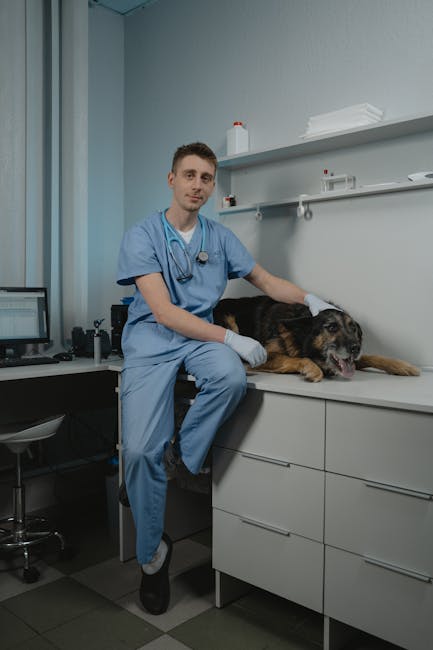
diarrhea in dogs symptoms and when to see a vet
Introduction
Digestive issues can affect both dogs and cats, and one common symptom that pet owners may notice is diarrhea. Changes in your pet’s digestion might indicate an underlying health concern or simply a temporary upset. Understanding diarrhea in dogs symptoms and when to see a vet can help you provide the best care for your furry friend.
Diarrhea involves loose or watery stools and may be accompanied by other signs such as increased frequency of bowel movements or discomfort. While occasional diarrhea might not be serious, persistent or severe changes in digestion could affect your pet’s overall health and comfort.
It is important to remember that this information is intended to help you recognize possible signs and does not replace professional veterinary advice. If your pet shows diarrhea or other digestive symptoms, consulting a licensed veterinarian is the safest way to determine the cause and appropriate care.
Reviewed by the SASI Vet Digestive Symptoms Editorial Board.
How this digestive symptom appears
Diarrhea in dogs symptoms and when to see a vet can vary widely from one pet to another. Often, owners notice changes in their dog’s stool, such as it becoming loose, watery, or more frequent than usual. Some dogs may also show signs of discomfort or urgency when needing to go outside.
Along with diarrhea, you might observe other signs like:
- Decreased appetite or reluctance to eat
- Vomiting or occasional gagging
- Straining or signs of abdominal discomfort
- Bloating or increased gas
- Lethargy or unusual tiredness
It’s important to remember that each dog may display these symptoms differently. Some dogs might have mild diarrhea with no other signs, while others could appear more unwell. Changes in behaviour, such as restlessness or hiding, might also be clues that your pet is not feeling well.
If you notice persistent diarrhea or any concerning symptoms, it’s a good idea to contact your veterinarian. They can help determine the cause and recommend appropriate care tailored to your dog’s needs.
Common possible causes
Diarrhea in dogs symptoms and when to see a vet can be influenced by a variety of factors. It’s important to understand that this digestive symptom may have many different triggers, ranging from mild to more serious causes.
Dietary factors
One common cause is dietary indiscretion, where dogs eat something unusual or spoiled. Sudden changes in their food or treats might also upset their digestive system, leading to diarrhea in some cases.
Infections and parasites
Mild infections caused by bacteria or viruses might result in digestive upset. Parasites such as worms or protozoa could also contribute to diarrhea, especially in younger or unvaccinated dogs.
Stress and sensitivities
Stressful situations, like travel or changes in environment, might trigger digestive symptoms. Additionally, some dogs may have sensitivities or allergies to certain ingredients in their diet, which could cause intermittent diarrhea.
Because diarrhea can stem from many different causes, it’s always best to consult a licensed veterinarian. They can help determine the underlying reason and recommend appropriate care tailored to your dog’s needs.
Less common but serious causes
While many cases of diarrhea in dogs symptoms and when to see a vet are due to mild or temporary issues, less commonly, more serious conditions may be involved. In some cases, veterinarians consider problems that require prompt attention to prevent complications.
Foreign bodies and blockages
Occasionally, a dog may ingest something that causes a blockage in the digestive tract. This can lead to persistent diarrhea, vomiting, and abdominal pain. Such situations often need veterinary evaluation to determine the best course of action.
Organ and pancreatic diseases
Diseases affecting organs like the liver, kidneys, or pancreas might contribute to ongoing digestive symptoms. Pancreatic problems, for example, can cause inflammation that disrupts normal digestion and leads to diarrhea.
Severe infections and rare causes
In some cases, severe bacterial or parasitic infections may be responsible. Less commonly, certain types of cancer can also cause digestive disturbances. Because these conditions can be serious, it is important to consult a veterinarian if diarrhea persists or worsens.
If your dog shows ongoing diarrhea or other concerning signs, contacting a veterinarian is the safest way to ensure appropriate care and diagnosis tailored to your pet’s needs.
When it may be an emergency
Recognizing when diarrhea in dogs symptoms and when to see a vet is urgent can be crucial for your pet’s health. Some signs may indicate a serious condition that requires immediate veterinary attention.
Red flag signs to watch for
If your dog shows any of the following symptoms, it might be an emergency situation:
- Repeated vomiting or vomiting that contains blood
- Blood in the stool
- Severe abdominal pain or a swollen, tight belly
- Collapse, extreme weakness, or difficulty standing
- Pale or bluish gums
- Your dog appears very unwell or lethargic beyond usual diarrhea symptoms
These signs could indicate a serious underlying problem such as an obstruction, poisoning, or severe infection. If you notice any of these symptoms, it is important to contact a licensed veterinarian promptly for advice tailored to your pet’s condition.
How veterinarians investigate digestive symptoms
When a dog shows signs such as diarrhea in dogs symptoms and when to see a vet, veterinarians begin by gathering a detailed history. This includes questions about the pet’s diet, recent activities, exposure to other animals, and the duration and frequency of symptoms. Understanding these factors helps guide the next steps in the investigation.
Physical examination and abdominal palpation
A thorough physical exam is performed to assess the overall health of the pet. Veterinarians often palpate the abdomen to check for pain, swelling, or abnormalities in the digestive organs. This hands-on approach provides valuable clues about the possible causes of digestive upset.
Diagnostic testing
To further evaluate digestive symptoms, several tests might be recommended:
- Blood tests to assess organ function and detect signs of infection or inflammation.
- Stool tests to identify parasites, bacteria, or other abnormalities.
- Imaging techniques such as X-rays or ultrasound to visualize the digestive tract and surrounding structures.
In some cases, veterinarians may suggest more advanced procedures like endoscopy or surgery to obtain tissue samples or address specific concerns. Each step is tailored to the individual pet’s condition and response to initial treatments.
If your dog is experiencing digestive issues, it is important to consult a licensed veterinarian who can provide personalized advice and appropriate care.
What pet owners can monitor at home
When observing diarrhea in dogs symptoms and when to see a vet, keeping track of certain details at home can be very helpful. Monitoring how often your dog has diarrhea and the consistency or appearance of their stool may provide important clues about their health.
Key details to observe
- Frequency and duration of diarrhea episodes
- Colour, texture, and presence of any unusual substances in stool
- Any vomiting and its characteristics
- Changes in appetite or refusal to eat
- Water intake-whether your dog is drinking more or less than usual
- Energy levels and behaviour changes
- Weight changes over a short period
- Recent introduction of new foods, treats, or exposure to stressors
These observations might help your veterinarian better understand your dog’s condition. However, because diarrhea can have many causes, it is important to contact a licensed veterinarian for personalized advice and to determine if your pet needs professional care.
General home care guidance
If your pet is experiencing diarrhea in dogs symptoms and when to see a vet, it is important to follow your veterinarian’s instructions carefully. Providing supportive care at home may help your pet feel more comfortable while you monitor their condition.
Always ensure your dog has access to fresh, clean water to prevent dehydration, which can be a concern with diarrhea. Avoid allowing your pet to eat anything from the trash or other unsafe sources, as this could worsen digestive upset or introduce harmful substances.
Safe practices to consider
- Keep fresh water available at all times to encourage hydration.
- Prevent your dog from scavenging or eating non-food items.
- Avoid giving any human medications or supplements unless directed by your veterinarian.
- Maintain a calm and quiet environment to reduce stress, which might affect digestion.
Remember, diarrhea can have many causes, and while some cases may resolve with basic care, others might require veterinary attention. If symptoms persist, worsen, or are accompanied by other signs such as lethargy or vomiting, contacting your veterinarian promptly is the safest choice for your pet’s health.
Supporting long-term digestive health
Maintaining digestive health in pets is important for their overall well-being. A consistent diet that meets your dog’s nutritional needs may help reduce the risk of digestive upset. Sudden changes in food can sometimes lead to symptoms like diarrhea in dogs symptoms and when to see a vet should be carefully monitored.
Diet and feeding habits
When diet changes are necessary, introducing new foods gradually over several days or weeks might allow your pet’s digestive system to adjust more comfortably. Avoiding sudden food binges or access to harmful items, such as garbage or toxic substances, could also help prevent digestive disturbances.
Regular veterinary care
Routine veterinary checkups can support early detection of digestive issues and other health concerns. Parasite prevention is another key factor, as intestinal parasites may contribute to digestive symptoms in some cases. Your veterinarian can provide guidance tailored to your pet’s specific needs.
If you notice ongoing or severe digestive symptoms, including diarrhea, it is important to consult a licensed veterinarian. They can help determine the underlying cause and recommend appropriate care to support your pet’s digestive health over time.
FAQs
What are common signs of diarrhea in dogs?
Diarrhea in dogs symptoms and when to see a vet can vary, but common signs include loose or watery stools, increased frequency of bowel movements, and sometimes urgency or discomfort. Your dog might also appear lethargic or lose appetite in some cases.
What might cause diarrhea in dogs?
Diarrhea can result from many factors such as dietary changes, infections, parasites, stress, or underlying health conditions. Occasionally, exposure to toxins or certain foods might also contribute. Identifying the cause often requires veterinary evaluation.
When should I contact a veterinarian about my dog’s diarrhea?
You should consider contacting a veterinarian if diarrhea lasts more than 24 to 48 hours, if your dog shows signs of dehydration, vomiting, blood in stools, or severe lethargy. Puppies, senior dogs, and pets with other health issues may need more urgent attention.
Can diarrhea in dogs be prevented?
While not all cases are preventable, maintaining a consistent diet, avoiding sudden food changes, and keeping your dog away from harmful substances may help reduce the risk. Regular veterinary check-ups can also support overall digestive health.
Is diarrhea always a sign of a serious problem?
Not necessarily. Diarrhea can sometimes be mild and self-limiting, but it might also indicate a more serious condition. Because symptoms can overlap, it’s important to seek veterinary advice to determine the best course of action for your pet.
Summary
Digestive symptoms like diarrhea in dogs symptoms and when to see a vet can be important indicators of your pet’s health. These symptoms may arise from a variety of causes, ranging from minor dietary changes to more serious underlying conditions. Understanding that diarrhea is a sign rather than a diagnosis helps emphasize the need for careful observation.
Because the causes of digestive upset can be so diverse, it is important to work closely with a licensed veterinarian. They can help determine the potential reasons behind your pet’s symptoms through appropriate examinations and tests. Early veterinary advice may help prevent complications and support your dog’s recovery.
Key points to remember:
- Diarrhea might be temporary or a sign of a more significant issue.
- Changes in diet, infections, stress, or other health problems could contribute.
- Monitoring your dog’s overall behaviour and symptoms is helpful.
- Consulting a veterinarian ensures the best approach to diagnosis and care.
While digestive symptoms can be concerning, many dogs recover well with proper veterinary guidance. Staying calm and seeking professional advice is the best way to support your pet’s health and wellbeing.
- Canadian Veterinary Medical Association
- American Veterinary Medical Association
- World Small Animal Veterinary Association
- Ontario Veterinary College, University of Guelph
- Western College of Veterinary Medicine, University of Saskatchewan
Disclaimer: This article provides general information about digestive symptoms in pets and does not replace professional veterinary advice. Always consult a licensed veterinarian regarding your pet’s specific condition.