Dog anal gland problems signs causes and vet care

Share
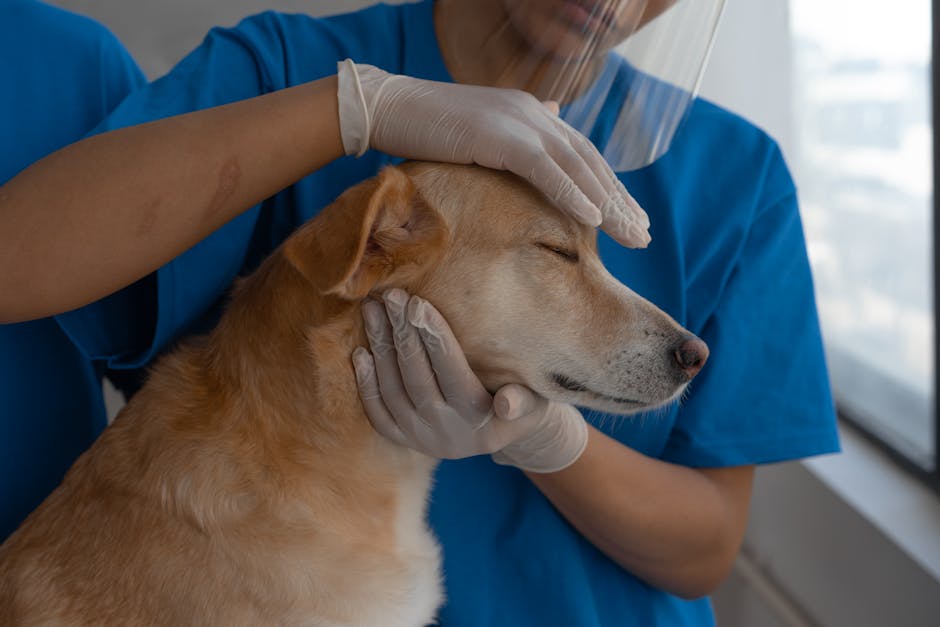
Dog anal gland problems signs causes and vet care
Introduction
Dog anal gland problems signs causes and vet care is a common concern among pet owners, particularly those with dogs. This condition involves the small glands located near a dog’s anus, which may cause discomfort or other issues if they do not function properly. While cats can also experience anal gland problems, dogs are more frequently affected.
Understanding this condition is important because it can impact a pet’s comfort and overall health. Signs such as scooting, licking the rear area, or unusual odours are often associated with anal gland issues. However, these signs can also be related to other health problems, so careful observation and professional evaluation are essential.
It is important to remember that this article provides general information and does not replace a veterinary visit. Only a licensed veterinarian can accurately diagnose and recommend appropriate care for your pet. Veterinarians may recommend various approaches depending on the severity and underlying cause of the problem.
Reviewed by SASI Vet Editorial Board.
What this condition is
Dog anal gland problems signs causes and vet care refer to issues involving the small sacs located near a dog’s anus, known as anal glands or anal sacs. These glands produce a strong-smelling fluid that is normally expressed (released) during defecation to mark territory.
When functioning properly, the anal glands empty naturally. However, if they become blocked, inflamed, or infected, a dog may develop discomfort or other symptoms. This condition is often associated with swelling, irritation, or even abscess formation around the anus.
How it develops
- Anal glands may become impacted if the fluid thickens or the ducts narrow.
- Impaction can lead to inflammation (anal sacculitis) or infection.
- Repeated issues may cause chronic problems or abscesses requiring veterinary attention.
Signs of anal gland problems may include scooting, licking or biting at the rear, difficulty defecating, or a foul odour. Veterinarians may recommend examination and treatment based on the severity and underlying cause. Only a licensed veterinarian can diagnose and provide appropriate care for these conditions.
Common causes
Dog anal gland problems signs causes and vet care are often linked to several common factors observed in veterinary practice. Anal gland issues may cause discomfort, swelling, or infection around the anal area, but the underlying causes can vary.
Frequent causes and risk factors
- Impaction: Anal glands can become blocked if the secretions thicken or are not expressed naturally, leading to discomfort or infection.
- Infection and inflammation: Bacterial infections may develop if the glands are not emptied properly, sometimes resulting in abscesses.
- Diet and stool consistency: Dogs with soft or loose stools may not apply enough pressure to empty the glands during defecation, increasing the risk of problems.
- Breed predisposition: Some breeds appear more prone to anal gland issues, though the exact reasons are not fully understood.
- Obesity and inactivity: Excess weight and lack of exercise may contribute to gland dysfunction.
It is important to note that causes can be mixed or uncertain in some cases. Veterinarians may recommend diagnostic evaluation and tailored care based on the individual dog’s condition. Only a licensed veterinarian can diagnose and provide appropriate treatment for anal gland problems.
Typical signs and symptoms
Dog anal gland problems signs causes and vet care often involve a range of behaviours and physical changes that pet owners may observe at home. These signs can vary from mild to more serious, and monitoring them carefully can help your veterinarian provide appropriate care.
Mild signs
- Frequent scooting or dragging the rear end along the floor
- Licking or biting around the anal area more than usual
- Occasional discomfort or restlessness
- Small amounts of discharge or slight redness near the anus
More serious signs
- Swelling or a noticeable lump near the anus
- Foul odour coming from the anal area
- Signs of pain when sitting or defecating
- Bleeding or pus discharge
- Changes in bowel movements or difficulty defecating
It is important to keep notes on any changes you observe, including when signs started and their frequency. These details can assist your veterinarian in diagnosing and managing your pet’s condition. Remember, only a licensed veterinarian can accurately diagnose and recommend treatment for anal gland issues.
When it is an emergency
Dog anal gland problems signs causes and vet care can vary, but certain symptoms may indicate the need for immediate veterinary attention. Sudden, severe, or rapidly worsening signs should never be ignored, as they may signal a serious condition requiring urgent care.
Red flag signs to watch for include:
- Severe swelling or redness around the anal area
- Intense pain or vocalizing when the area is touched
- Difficulty defecating or straining excessively
- Presence of blood or pus discharge from the anal glands
- Signs of systemic illness such as fever, lethargy, or loss of appetite
- Sudden onset of limping or reluctance to sit
These symptoms may cause significant discomfort and could be associated with infections, abscesses, or other complications. Veterinarians may recommend prompt examination and treatment to prevent worsening of the condition. If you notice any of these signs, it is important to seek veterinary care immediately or visit an emergency clinic to ensure your pet’s health and well-being.
How veterinarians diagnose it
When a dog presents with anal gland problems signs causes and vet care concerns, veterinarians begin with a thorough history and physical examination. Owners may report symptoms such as scooting, licking or biting near the rear, or unusual odours. Understanding the duration and severity of these signs helps guide the diagnostic process.
Physical examination
The veterinarian will carefully examine the anal area, checking for swelling, redness, or discomfort. Palpation of the anal glands may reveal fullness or pain, which is often associated with impaction or infection.
Common diagnostic tests
To further evaluate the condition, veterinarians may recommend several tests, including:
- Blood work to assess overall health and detect signs of infection or inflammation
- Imaging techniques such as X-rays or ultrasound to identify abscesses or other abnormalities
- Analysis of gland secretions if samples can be safely obtained
These steps help determine the underlying cause and guide appropriate treatment. It is important to remember that only a licensed veterinarian can diagnose and manage anal gland problems in dogs safely and effectively.
Treatment options
When addressing dog anal gland problems signs causes and vet care, veterinarians may recommend a variety of treatment approaches depending on the severity and underlying cause. It is important to remember that only a licensed veterinarian can determine the most appropriate plan for each individual pet.
Medications
Medications may be used to manage inflammation, infection, or discomfort. These can include anti-inflammatory drugs or antibiotics, but specific choices and dosages should always be guided by a veterinarian.
Procedures
In some cases, manual expression of the anal glands by a veterinarian can provide relief. More advanced procedures, such as gland flushing or surgical removal, may be considered if problems persist or worsen.
Dietary and Home Care
- Dietary changes to improve stool consistency may help reduce anal gland issues.
- Maintaining good hygiene and monitoring for signs of discomfort can support overall health.
- Regular veterinary check-ups are important to assess and manage ongoing concerns.
Each treatment option carries potential benefits and risks, and veterinarians may tailor recommendations based on the pet’s specific condition and response to therapy.
Home care and monitoring
After a veterinary visit for dog anal gland problems signs causes and vet care, pet owners may be advised to observe their dog closely at home. Monitoring your pet’s behaviour and comfort can help identify any changes that might require further veterinary attention.
What to watch for
- Excessive licking or biting around the anal area
- Signs of discomfort such as scooting or difficulty sitting
- Unusual swelling, redness, or discharge near the anal glands
- Changes in bowel movements or signs of pain during defecation
Comfort measures
Providing a clean, quiet resting area and ensuring your dog has easy access to water and food may support recovery. Avoid applying any topical treatments or attempting gland expression without veterinary guidance, as this could cause harm.
When to contact your veterinarian
If your dog’s symptoms worsen, new signs appear, or if you have any concerns about their condition, it is important to contact your veterinary clinic promptly. Only a licensed veterinarian can diagnose and recommend appropriate treatment based on your pet’s specific needs.
Prevention and long-term management
Dog anal gland problems signs causes and vet care are often linked to factors that pet owners can help manage to reduce risk. Preventative measures may include regular vaccinations and parasite control, which support overall health and reduce complications. Maintaining a balanced diet and healthy weight is also important, as obesity can contribute to anal gland issues.
Reducing risk
- Provide a high-fibre diet to promote firm stools, which may help naturally express anal glands.
- Ensure routine veterinary check-ups to monitor your pet’s health and catch early signs of problems.
- Use parasite prevention products as recommended by your veterinarian to avoid infections that may affect the anal glands.
- Maintain a healthy weight through appropriate diet and exercise.
Long-term management
If anal gland problems become chronic, veterinarians may recommend regular gland expression or other treatments tailored to your dog’s needs. Long-term management often involves monitoring for signs such as scooting, licking, or discomfort, and working closely with your veterinarian to adjust care plans as needed. It is important to follow professional advice and avoid attempting treatments without veterinary guidance.
Living with a pet with this condition
Managing dog anal gland problems signs causes and vet care requires patience and ongoing attention. While this condition may cause discomfort or behavioural changes, many pets continue to enjoy a good quality of life with proper support.
Quality of life and lifestyle adjustments
Pets affected by this condition often benefit from regular monitoring and adjustments to their daily routine. Some lifestyle changes that veterinarians may recommend include:
- Maintaining a high-fibre diet to promote healthy bowel movements
- Ensuring regular exercise to support overall health
- Keeping the anal area clean and observing for any signs of irritation
Follow-up visits and veterinary care
Regular follow-up visits are important to assess your pet’s condition and adjust care plans as needed. Only a licensed veterinarian can diagnose and treat this condition appropriately. They may suggest periodic examinations or procedures to manage symptoms and prevent complications.
Supporting your pet day-to-day
Owners can support their pets by observing any changes in behaviour or signs of discomfort and communicating these with their veterinary team. Realistic expectations and ongoing dialogue with professionals help ensure the best possible outcomes for pets living with this condition.
FAQs
What are common signs of dog anal gland problems?
Signs may include scooting on the floor, licking or biting near the anus, swelling, or a foul smell. These behaviours are often associated with discomfort but can also indicate other conditions. A veterinarian can help determine the cause.
What causes dog anal gland problems?
Causes can vary and may include impaction, infection, or inflammation of the anal glands. Diet, allergies, and anatomy may also play a role. Identifying the underlying cause requires a veterinary examination.
How do veterinarians diagnose and treat these issues?
Diagnosis typically involves a physical exam and sometimes additional tests. Treatment may include expressing the glands, managing infections, or addressing underlying conditions. Veterinarians may recommend dietary changes or other supportive care.
Can dog anal gland problems be prevented?
Prevention strategies may involve regular veterinary check-ups, maintaining a healthy diet, and monitoring your dog for early signs. However, not all cases are preventable. Discuss prevention options with your veterinarian.
When should I see a vet about dog anal gland problems signs causes and vet care?
If you notice persistent scooting, swelling, or discomfort around your dog’s anus, it is important to consult a licensed veterinarian promptly. Early assessment can help manage the condition effectively and safely.
Summary
Dog anal gland problems signs causes and vet care are important topics for pet owners to understand. Early recognition of potential issues can help ensure timely veterinary evaluation and appropriate management. While some dogs may show clear signs such as scooting, licking, or discomfort, others might have more subtle symptoms.
Common signs that may indicate anal gland concerns include:
- Frequent licking or biting near the rear
- Dragging the bottom along the floor (scooting)
- Swelling or redness around the anus
- Unusual or strong-smelling discharge
- Signs of pain or difficulty defecating
Causes of anal gland problems are often associated with impaction, infection, or inflammation. Veterinarians may recommend diagnostic evaluation and treatments tailored to the individual dog’s condition. Timely veterinary care can help prevent complications and improve comfort.
It is important to have realistic expectations, as some dogs may experience recurring issues requiring ongoing management. Always consult a licensed veterinarian for diagnosis and treatment options. With proper care, many dogs can maintain good anal gland health and quality of life.
Further Resources
- American Veterinary Medical Association (AVMA)
- Canadian Veterinary Medical Association (CVMA)
- World Small Animal Veterinary Association (WSAVA)
- RSPCA
- UC Davis Veterinary Medicine Teaching Hospital
Disclaimer: This article provides general information about pet health and does not replace professional veterinary advice. Always talk to a licensed veterinarian about your pet’s specific situation.