Dog eye discharge causes and when to see a vet

Share
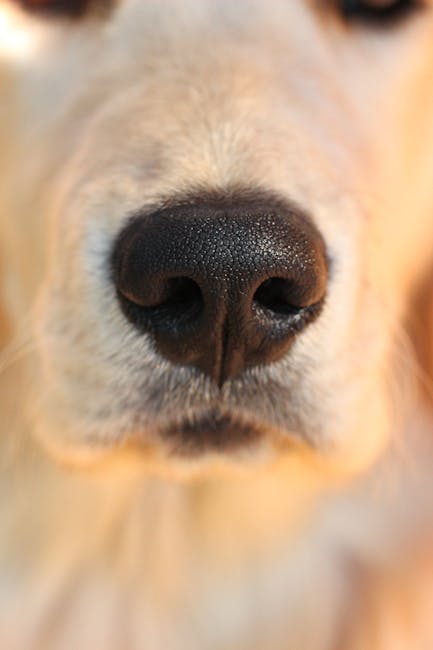
Dog eye discharge causes and when to see a vet
Introduction
Dog eye discharge causes and when to see a vet is a common concern for many pet owners. This condition often affects dogs but can also be seen in cats. Understanding the possible reasons behind eye discharge can help owners recognise when their pet may need veterinary attention.
Eye discharge in pets may cause discomfort and can be a sign of various underlying issues. These range from minor irritations to more serious health problems. It is important to remember that only a licensed veterinarian can accurately diagnose and treat the cause of eye discharge.
Pet owners should be aware that:
- Eye discharge can vary in colour and consistency.
- It may be associated with allergies, infections, or injuries.
- Persistent or worsening discharge often requires professional evaluation.
This article provides general information about dog eye discharge causes and when to see a vet but does not replace a veterinary visit. If you notice any changes in your pet’s eyes or behaviour, consulting a veterinarian is the safest course of action.
Reviewed by SASI Vet Editorial Board.
What this condition is
Dog eye discharge causes and when to see a vet is a common concern among pet owners. Eye discharge in dogs refers to any fluid or mucus that comes from the eyes. This condition may affect one or both eyes and can vary in colour and consistency.
Typically, eye discharge is often associated with irritation or inflammation of the eye or surrounding tissues. The discharge may be clear, cloudy, yellow, green, or even bloody, depending on the underlying cause.
Parts of the eye involved
- Conjunctiva: The thin membrane covering the white part of the eye and inside of the eyelids, which may become inflamed (conjunctivitis).
- Lacrimal glands: These produce tears that keep the eye moist; blockage or infection here can increase discharge.
- Cornea: The clear front surface of the eye, which may develop ulcers or scratches leading to discharge.
Eye discharge may develop gradually or suddenly, depending on the cause. Causes can range from minor irritants like dust or allergies to more serious issues such as infections, injuries, or underlying health problems. Because many conditions may cause similar symptoms, veterinarians may recommend a thorough examination to determine the exact cause and appropriate treatment.
Common causes
Dog eye discharge causes and when to see a vet can vary widely depending on the underlying condition. Eye discharge in dogs is often associated with irritation, infection, or other health issues affecting the eyes or surrounding tissues.
Frequent causes and risk factors
- Allergies: Environmental allergens such as pollen, dust, or mould may cause watery or mucoid discharge.
- Infections: Bacterial, viral, or fungal infections can lead to increased eye discharge, often accompanied by redness or swelling.
- Foreign bodies: Debris like grass seeds or dust particles may irritate the eye, resulting in discharge as the eye attempts to flush out the irritant.
- Conformational issues: Certain breeds with prominent eyes or excessive skin folds may be more prone to tear staining and discharge.
- Blocked tear ducts: Tear drainage problems can cause tears to overflow and create discharge.
- Injury or trauma: Scratches or wounds to the eye surface may produce discharge as part of the healing process.
In some cases, the cause of eye discharge may be unclear or multifactorial. Veterinarians may recommend a thorough examination to determine the specific cause and appropriate treatment. If your dog has persistent or worsening eye discharge, consulting a licensed veterinarian is important to ensure proper care and avoid complications.
Typical signs and symptoms
Dog eye discharge causes and when to see a vet can often be identified by observing changes in your pet’s eyes. Some signs may be mild and temporary, while others could indicate a more serious issue requiring veterinary attention.
Mild signs
- Clear or slightly watery discharge
- Occasional blinking or squinting
- Slight redness or irritation around the eye
- Minor crusting at the corners of the eyes
These mild signs may cause some discomfort but are often manageable with careful monitoring. Keeping a record of these symptoms can help your veterinarian assess the situation more effectively.
More serious signs
- Thick, coloured (yellow, green, or brown) discharge
- Persistent redness or swelling
- Excessive tearing or discharge that worsens over time
- Visible pain, such as pawing at the eye or reluctance to open it
- Changes in vision or behaviour
If you notice any of these more serious signs, veterinarians may recommend a thorough examination to determine the underlying cause and appropriate treatment. Monitoring your pet closely and sharing detailed observations with your veterinarian is important for their care.
When it is an emergency
Dog eye discharge causes and when to see a vet can vary widely, but certain signs indicate the need for immediate veterinary attention. Sudden, severe, or rapidly worsening symptoms may cause serious complications and should never be ignored.
If your dog shows any of the following red flag signs, it is important to seek urgent care at a veterinary clinic or emergency hospital:
- Sudden onset of heavy eye discharge, especially if it is thick, green, yellow, or bloody
- Swelling or bulging of the eye or surrounding tissues
- Obvious pain such as squinting, pawing at the eye, or reluctance to open the eye
- Sudden blindness or significant changes in vision
- Trauma to the eye or head
- Signs of systemic illness such as lethargy, vomiting, or fever accompanying eye symptoms
These symptoms are often associated with serious conditions that may require prompt diagnosis and treatment. Veterinarians may recommend diagnostic tests and therapies to prevent permanent damage or complications. Always err on the side of caution and consult a licensed veterinarian immediately if you are concerned about your dog’s eye health.
How veterinarians diagnose it
When a dog presents with eye discharge, veterinarians begin by gathering a detailed history. This includes asking about the duration, appearance, and any changes in the discharge, as well as any other symptoms the dog may have. Understanding the environment and any recent exposures can also provide important clues.
The physical examination focuses on the eyes and surrounding structures. Veterinarians look for signs of irritation, redness, swelling, or injury. They may also assess tear production and check for foreign bodies or abnormalities in the eyelids and eyelashes.
Common diagnostic tests
- Ophthalmic examination: Using specialized instruments to closely inspect the eye’s surface and internal structures.
- Fluorescein staining: A dye test to detect corneal ulcers or scratches.
- Schirmer tear test: Measures tear production to identify dry eye conditions.
- Eye swabs or cytology: Collecting samples to identify infections or inflammatory cells.
- Blood work: May be recommended to assess overall health or detect systemic causes.
- Imaging: Techniques such as X-rays or ultrasound can help evaluate deeper structures if needed.
Because dog eye discharge causes and when to see a vet can vary widely, only a licensed veterinarian can accurately diagnose and recommend appropriate treatment based on these findings.
Treatment options
Treatment for dog eye discharge causes and when to see a vet depends on the underlying condition identified by a licensed veterinarian. Since eye discharge can result from various issues, including infections, allergies, or irritants, the approach to care may vary widely.
Common treatment approaches
- Medications: Veterinarians may recommend topical or oral medications to address infections or inflammation. The specific type and duration of treatment will be tailored to the pet’s diagnosis.
- Procedures: In some cases, procedures such as flushing the eye or removing foreign bodies may be necessary to relieve symptoms and promote healing.
- Dietary changes: Adjustments to diet may be suggested if allergies or nutritional factors are contributing to eye issues.
- Home care: Gentle cleaning of the eye area with veterinarian-approved methods can help manage discharge and prevent further irritation.
It is important to avoid self-diagnosing or treating your pet’s eye condition without professional guidance. Only a licensed veterinarian can determine the appropriate treatment plan based on a thorough examination and diagnostic testing if needed.
Home care and monitoring
After a veterinary visit, safe home care for your pet may involve careful monitoring and providing comfort while following your veterinarian’s guidance. It is important to remember that only a licensed veterinarian can diagnose and treat your pet’s condition.
Monitoring your dog
Keep an eye on any changes in your dog’s eye discharge, as this may provide useful information for your veterinarian. Note the colour, amount, and consistency of the discharge, as well as any signs of discomfort such as rubbing or squinting.
Comfort measures
- Gently clean around the eyes with a soft, damp cloth if recommended by your veterinarian.
- Ensure your dog rests in a calm, clean environment to reduce irritation.
- Avoid exposure to smoke, dust, or other potential irritants that may cause or worsen eye discharge.
When to contact your veterinarian
If you notice worsening symptoms, such as increased redness, swelling, a sudden change in discharge, or if your dog appears in pain or vision seems affected, contact your veterinary clinic promptly. The focus keyword “dog eye discharge causes and when to see a vet” highlights the importance of timely professional assessment rather than attempting to manage the condition solely at home.
Prevention and long-term management
Understanding dog eye discharge causes and when to see a vet can help pet owners take steps to reduce risks and manage ongoing issues. While some causes of eye discharge may be unavoidable, certain preventive measures can support overall eye health.
Reducing risk
- Ensure regular vaccinations and parasite prevention as recommended by your veterinarian.
- Maintain a balanced diet and healthy weight to support your pet’s immune system.
- Keep your dog’s face and eyes clean, especially after outdoor activities.
- Schedule routine veterinary check-ups to monitor eye health and catch early signs of problems.
Long-term management
If your dog has a chronic condition causing eye discharge, veterinarians may recommend ongoing treatments or lifestyle adjustments. This could include medicated eye drops, changes in grooming routines, or environmental modifications to reduce irritants.
Regular follow-up visits are often necessary to assess treatment effectiveness and adjust care plans. Always consult a licensed veterinarian for diagnosis and tailored advice, as individual needs can vary widely.
Living with a pet with this condition
Managing a pet with this condition requires patience and ongoing attention to their comfort and health. Quality of life may be maintained or improved with regular veterinary follow-up visits, which help monitor the condition and adjust care as needed.
Day-to-day care and support
Owners can support their pet by observing any changes in symptoms and maintaining a clean environment. For example, gently wiping the eyes with a damp cloth may help reduce discomfort if dog eye discharge causes mild irritation. However, it is important not to use any treatments without veterinary guidance.
Possible lifestyle adjustments
- Minimizing exposure to irritants such as dust or smoke
- Ensuring a balanced diet to support overall health
- Providing a calm and stress-free environment
Realistic expectations are essential, as some pets may experience intermittent symptoms or require ongoing management. Open communication with the veterinary team is crucial to address concerns promptly and adapt care plans appropriately. Remember, only a licensed veterinarian can diagnose and treat your pet’s condition safely and effectively.
FAQs
What are common causes of dog eye discharge?
Dog eye discharge causes and when to see a vet vary widely. Discharge may result from allergies, irritants like dust or smoke, infections, or blocked tear ducts. Some breeds are more prone to tear staining or watery eyes due to facial structure.
When should I be concerned about my dog’s eye discharge?
Discharge that is thick, coloured (yellow, green, or bloody), persistent, or accompanied by redness, swelling, or discomfort may indicate an underlying issue. In such cases, veterinarians may recommend an examination to determine the cause.
Can environmental factors affect my dog’s eyes?
Yes, exposure to wind, smoke, pollen, or chemicals may cause mild irritation and watery eyes. These factors often cause temporary discharge that resolves once the irritant is removed.
How is eye discharge typically managed?
- Cleaning the eye area gently with a damp cloth
- Monitoring for changes in discharge or eye appearance
- Seeking veterinary advice if symptoms worsen or persist
Why is it important to consult a veterinarian?
Only a licensed veterinarian can accurately diagnose the cause of eye discharge and recommend appropriate treatment. Self-diagnosing or treating without professional guidance may delay proper care or worsen the condition.
Summary
Understanding dog eye discharge causes and when to see a vet is important for pet owners to support their dog’s eye health. Eye discharge in dogs may cause concern but is often associated with a range of conditions, from mild irritations to more serious issues.
Early recognition of unusual or persistent eye discharge can help ensure timely veterinary care. Signs to watch for include:
- Changes in the colour or consistency of the discharge
- Swelling or redness around the eyes
- Excessive blinking or pawing at the eyes
- Any signs of discomfort or vision changes
Veterinarians may recommend a thorough examination to determine the underlying cause and appropriate treatment. It is important to remember that only a licensed veterinarian can diagnose and treat eye conditions safely and effectively.
While some causes of eye discharge are minor and resolve with simple care, others may require more involved management. Prompt attention can help protect your dog’s vision and overall well-being. Staying observant and seeking professional advice when needed offers the best chance for a positive outcome.
- American Veterinary Medical Association (AVMA)
- Canadian Veterinary Medical Association (CVMA)
- World Small Animal Veterinary Association (WSAVA)
- RSPCA
- UC Davis Veterinary Medicine Teaching Hospital
Disclaimer: This article provides general information about pet health and does not replace professional veterinary advice. Always talk to a licensed veterinarian about your pet’s specific situation.