Dog shaking head common causes and treatment basics

Share
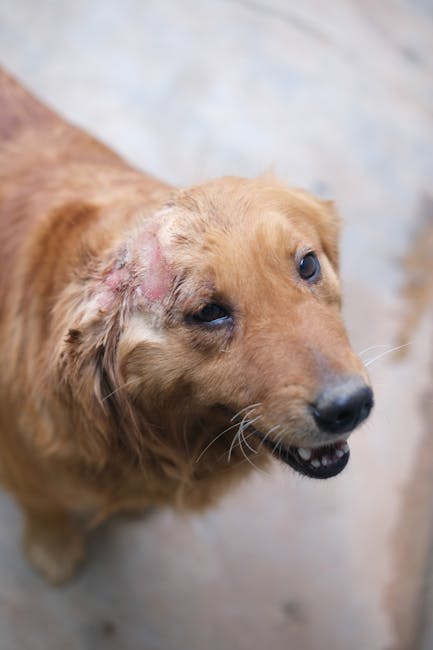
Dog shaking head common causes and treatment basics
Introduction
Dogs shaking their heads is a behaviour that many pet owners notice and often wonder about. This article discusses dog shaking head common causes and treatment basics to help you understand why your dog may be exhibiting this behaviour. While this issue primarily affects dogs, some causes can also be relevant to other pets such as cats.
Head shaking in dogs is often associated with discomfort or irritation in the ears or head area. It may cause concern because it can indicate underlying health problems that require attention. Common reasons include ear infections, allergies, foreign objects in the ear canal, or ear mites. Understanding these possibilities can help you recognise when your pet might need veterinary care.
It is important to remember that this information does not replace a veterinary visit. Only a licensed veterinarian can accurately diagnose the cause of head shaking and recommend appropriate treatment. If your dog is shaking its head frequently or appears distressed, consulting a professional is the safest approach to ensure your pet’s health and comfort.
Reviewed by SASI Vet Editorial Board.
What this condition is
The phrase “dog shaking head common causes and treatment basics” refers to a situation where a dog frequently shakes its head, which may indicate an underlying health issue. This behaviour often involves rapid side-to-side movements of the head and can be a sign that the dog is experiencing discomfort or irritation.
Typically, this condition affects the ears, which are sensitive and prone to various problems. The ear canal and surrounding tissues may become inflamed or infected, leading to symptoms such as redness, swelling, discharge, or a foul odour. Over time, if left untreated, these issues can worsen and potentially affect the dog’s hearing or balance.
How it develops
- Initial irritation or foreign material in the ear may cause discomfort.
- Repeated scratching or shaking can worsen inflammation.
- Secondary infections may develop due to bacteria or yeast.
- Chronic cases might lead to thickening of ear tissues or other complications.
Because the causes and severity can vary widely, veterinarians may recommend a thorough examination to determine the exact reason for the head shaking and to develop an appropriate treatment plan. Only a licensed veterinarian can diagnose and treat these conditions safely and effectively.
Common causes
Dog shaking head common causes and treatment basics often involve a variety of underlying factors. Head shaking in dogs is frequently associated with irritation or discomfort in the ears, but other causes may also contribute. Understanding these common causes can help pet owners recognize when veterinary evaluation is needed.
Ear infections and irritations
One of the most frequent reasons dogs shake their heads is due to ear infections or irritations. These may be caused by:
- Yeast or bacterial infections
- Ear mites or other parasites
- Allergic reactions leading to inflammation
- Foreign objects lodged in the ear canal
Such conditions often cause itching, pain, or a sensation of fullness, prompting the dog to shake its head.
Other potential causes
Besides ear-related issues, head shaking may also be linked to:
- Injury or trauma to the head or neck
- Neurological conditions affecting balance or sensation
- Dental problems causing referred discomfort
In some cases, the exact cause may be uncertain or multifactorial, requiring thorough veterinary assessment.
Veterinarians may recommend diagnostic tests and tailored treatments based on the individual dog’s condition. It is important to consult a licensed veterinarian to determine the appropriate care for any dog exhibiting persistent head shaking.
Typical signs and symptoms
When observing a dog shaking head common causes and treatment basics, pet owners may notice a range of signs that vary in severity. Some signs are mild and may not immediately indicate a serious problem, while others could suggest the need for prompt veterinary attention.
Mild signs
- Occasional head shaking or tilting
- Light scratching around the ears or head
- Minor redness or irritation visible on the skin
- Brief episodes of discomfort or restlessness
More serious signs
- Frequent or vigorous head shaking
- Persistent scratching or pawing at the ears
- Discharge, foul odour, or swelling around the ears
- Signs of pain such as whimpering or sensitivity when touched
- Balance issues or head tilting that does not improve
Pet owners are encouraged to monitor any changes in their dog’s behaviour and keep notes on the frequency and nature of symptoms. This information can be valuable for a licensed veterinarian, who is best equipped to diagnose the underlying cause and recommend appropriate treatment options.
When it is an emergency
Dog shaking head common causes and treatment basics can involve a range of issues, some of which require urgent veterinary attention. While many cases are mild, certain signs indicate the need for immediate care.
Seek emergency veterinary help if your pet shows any of the following red flag signs:
- Sudden onset of severe head shaking or continuous shaking that does not stop
- Signs of intense pain, such as yelping, whining, or reluctance to be touched
- Bleeding or discharge from the ears that is heavy or persistent
- Loss of balance, disorientation, or difficulty walking
- Swelling around the head, neck, or ears
- Repeated vomiting or difficulty breathing
- Rapid worsening of symptoms over a short period
These symptoms may be associated with infections, injuries, foreign objects, or neurological problems. Veterinarians may recommend diagnostic tests and treatments tailored to the underlying cause. It is important not to delay seeking professional care when these signs appear, as prompt intervention can improve outcomes.
How veterinarians diagnose it
When a dog is shaking its head, veterinarians follow a systematic approach to determine the underlying cause. The focus keyword “dog shaking head common causes and treatment basics” reflects the importance of a thorough evaluation to guide appropriate care.
Initial assessment
The veterinarian begins by gathering a detailed history, including the duration and frequency of the head shaking, any accompanying symptoms, and possible exposure to irritants or infections. This information helps narrow down potential causes.
Physical examination
A careful physical exam focuses on the head and ears, checking for signs of discomfort, swelling, discharge, or foreign bodies. The veterinarian may also assess the pet’s overall health to identify any systemic issues.
Diagnostic tests
To further investigate, veterinarians may recommend one or more of the following tests:
- Blood work to evaluate general health and detect infections or inflammation
- Ear cytology or cultures to identify bacterial or fungal infections
- Imaging studies such as X-rays or otoscopy to visualise the ear canal and middle ear structures
These steps help veterinarians form a diagnosis and develop a treatment plan tailored to the individual dog. It is important to consult a licensed veterinarian for an accurate diagnosis and appropriate management.
Treatment options
When addressing dog shaking head common causes and treatment basics, veterinarians may recommend a variety of approaches depending on the underlying issue. It is important to remember that only a licensed veterinarian can determine the appropriate treatment plan for each individual pet.
Medications
Medications may be prescribed to manage symptoms or treat infections. These can include anti-inflammatory drugs, antibiotics, or medications to relieve itching and discomfort. The choice of medication and duration of treatment will vary based on the diagnosis.
Procedures
In some cases, procedures such as ear cleaning or removal of foreign objects may be necessary. These are typically performed by a veterinarian to ensure safety and effectiveness.
Dietary and Home Care
- Dietary changes may be suggested if allergies are suspected to contribute to symptoms.
- Regular ear cleaning at home might be advised to prevent buildup of debris or wax.
- Monitoring the pet’s environment to reduce exposure to irritants can also be helpful.
Because dog shaking head common causes and treatment basics can vary widely, professional veterinary evaluation is essential to ensure the best outcome for your pet’s health and comfort.
Home care and monitoring
After a veterinary visit for concerns such as dog shaking head common causes and treatment basics, safe home care focuses on monitoring your pet’s condition and providing comfort. It is important to follow your veterinarian’s instructions carefully and avoid making any changes to prescribed treatments without professional advice.
Monitoring your dog at home
- Observe the frequency and intensity of head shaking or scratching.
- Check for any signs of discomfort, swelling, discharge, or unusual odors around the ears.
- Note any changes in appetite, behaviour, or energy levels.
- Keep a record of any new or worsening symptoms to share with your veterinarian.
Comfort measures
- Provide a calm and quiet environment to reduce stress.
- Ensure your dog has easy access to fresh water and a comfortable resting area.
- Avoid inserting objects into the ear canal or attempting to clean ears without veterinary guidance.
When to contact your veterinarian
Contact your veterinary clinic if your dog’s symptoms worsen, if there is increased redness, swelling, or discharge, or if your pet shows signs of pain or behavioural changes. Only a licensed veterinarian can diagnose and recommend appropriate treatment based on a thorough examination.
Prevention and long-term management
Understanding dog shaking head common causes and treatment basics can help pet owners reduce the risk of underlying issues. While some causes may be unavoidable, several preventive measures are often recommended by veterinarians to support overall ear health and comfort.
Risk reduction strategies
- Regular vaccinations to protect against infections that may affect the ears.
- Consistent parasite prevention, including treatments for ear mites and ticks.
- Maintaining a balanced diet and healthy weight to support immune function.
- Routine ear cleaning as advised by a veterinarian, especially for breeds prone to ear problems.
- Scheduling regular veterinary check-ups to identify and address issues early.
Long-term management
If a chronic condition is diagnosed, long-term management may involve ongoing monitoring and care tailored to the pet’s specific needs. Veterinarians may recommend periodic ear examinations, adjustments in cleaning routines, or other supportive measures to minimise discomfort and prevent recurrence.
It is important to remember that only a licensed veterinarian can diagnose and treat ear conditions. Pet owners should seek professional advice if their dog frequently shakes its head or shows signs of discomfort.
Living with a pet with this condition
When a dog is shaking its head frequently, it may cause discomfort and affect its quality of life. Understanding the common causes and treatment basics can help owners provide better support for their pet.
Quality of life and lifestyle adjustments
Pets experiencing this condition often benefit from a calm and comfortable environment. Minimizing exposure to irritants such as dust or loud noises may reduce symptoms. Maintaining regular grooming can also help prevent skin or ear issues that are often associated with head shaking.
Follow-up visits and veterinary care
Ongoing communication with a licensed veterinarian is essential. Follow-up visits allow the veterinary team to monitor the pet’s progress and adjust care plans as needed. Veterinarians may recommend specific treatments or lifestyle changes based on the underlying cause.
Supporting your pet day-to-day
- Observe your pet closely for changes in behaviour or symptom severity.
- Keep the ears clean and dry, but avoid inserting objects into the ear canal.
- Provide a stress-free environment to help reduce discomfort.
- Ensure your pet has access to fresh water and a balanced diet.
Realistic expectations and patience are important. While some pets respond well to treatment, others may require ongoing management. Always consult a licensed veterinarian for advice tailored to your pet’s specific needs.
FAQs
What are common reasons for a dog shaking its head?
Dog shaking head common causes and treatment basics include ear irritation, infections, allergies, or the presence of foreign objects. This behaviour may also be linked to ear mites or excess wax buildup. Each cause requires different approaches to management.
When should I be concerned about my dog shaking its head?
If your dog shakes its head frequently or shows signs of discomfort such as scratching, redness, or discharge, it is important to consult a licensed veterinarian. Persistent head shaking may indicate an underlying issue that needs professional evaluation.
How do veterinarians diagnose the cause of head shaking?
Veterinarians typically perform a thorough physical examination, including checking the ears for signs of infection, inflammation, or foreign material. They may recommend diagnostic tests such as cytology or cultures to identify specific problems.
What treatment options might be recommended?
- Cleaning the ears carefully
- Medications to address infections or inflammation
- Managing allergies through diet or environment
- Removal of foreign objects if present
Treatment varies depending on the diagnosis and should always be guided by a veterinarian.
Can I prevent my dog from shaking its head?
Regular ear care and monitoring for signs of irritation may help reduce the risk. However, prevention depends on the underlying cause, so discussing your dog’s specific needs with a veterinarian is recommended.
Summary
Recognizing the signs when a dog is shaking its head is important for timely care. The condition described as dog shaking head common causes and treatment basics may involve various underlying issues, such as ear infections, allergies, or foreign objects. Early observation and prompt veterinary evaluation can help identify the cause and guide appropriate management.
Key points to consider include:
- Head shaking may cause discomfort and is often associated with irritation or inflammation in the ear or surrounding areas.
- Veterinarians may recommend diagnostic tests to determine the exact cause before suggesting treatment options.
- Treatment approaches vary depending on the diagnosis and may include cleaning, medication, or other supportive care.
- Owners should avoid attempting to treat the condition without professional advice, as improper care can worsen the problem.
While head shaking can be concerning, many causes are manageable with veterinary support. Maintaining regular check-ups and monitoring your dog’s behaviour can contribute to better outcomes. Always consult a licensed veterinarian for diagnosis and treatment tailored to your pet’s specific needs.
Additional resources
- American Veterinary Medical Association (AVMA)
- Canadian Veterinary Medical Association (CVMA)
- World Small Animal Veterinary Association (WSAVA)
- RSPCA
- UC Davis Veterinary Medicine Teaching Hospital
Disclaimer: This article provides general information about pet health and does not replace professional veterinary advice. Always talk to a licensed veterinarian about your pet’s specific situation.