Dog thickened paw pads rough texture symptoms

Share
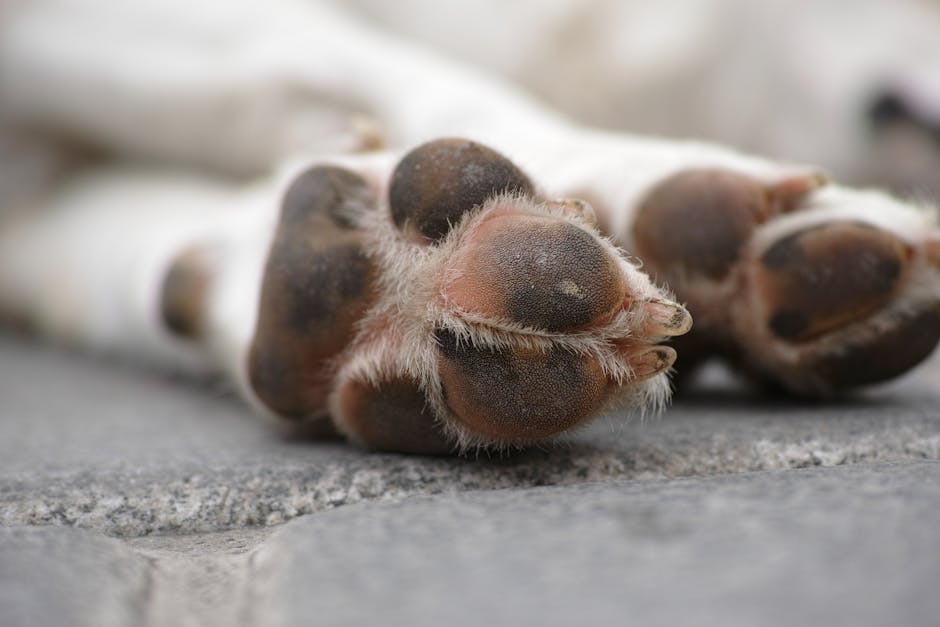
dog thickened paw pads rough texture symptoms
Introduction
Changes in your pet’s skin can be an important sign of their overall health and comfort. One symptom that some dog owners may notice is dog thickened paw pads rough texture symptoms. This condition most often affects dogs, although skin changes can occur in both dogs and cats.
Thickened or rough paw pads might indicate underlying issues such as irritation, allergies, or other skin conditions. Because the paws are essential for walking and exploring, any discomfort in this area could affect your pet’s daily activities and quality of life.
It is important to remember that while these signs may provide clues, they do not replace a professional veterinary evaluation. If you observe thickened or rough paw pads on your dog, it is best to consult a licensed veterinarian. They can help determine the cause and recommend appropriate care tailored to your pet’s needs.
Reviewed by the SASI Vet Skin Symptoms Editorial Board.
What this skin symptom looks like
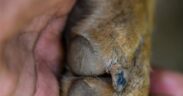
When a dog has thickened paw pads with a rough texture, you might notice that the skin on their paws feels harder or more calloused than usual. The surface could appear dry, cracked, or uneven, sometimes resembling rough patches or small bumps. This change in texture may make the pads look less smooth and more rugged.
In some cases, the paw pads might also show signs of redness or mild swelling, especially if the thickening is related to irritation or ongoing pressure. You might see areas where the skin looks flaky or scaly, and occasionally there could be slight crusting or dryness around the edges.
Other possible signs to watch for
- Discoloration or darkening of the paw pads
- Increased sensitivity or discomfort when walking
- Occasional moisture or slight odor if there is an underlying infection
- Variations in thickness or texture from one paw to another
It’s important to remember that each dog may show these symptoms differently, and the exact appearance can vary depending on the cause. If you notice thickened paw pads with a rough texture symptoms in your dog, consulting a veterinarian can help determine the best approach for your pet’s comfort and health.
Common possible causes
The symptom of dog thickened paw pads rough texture symptoms can have a variety of underlying causes. It is important to understand that similar signs may arise from different health issues, so careful evaluation by a veterinarian is recommended.
Allergies
Environmental or food allergies might lead to inflammation and changes in the texture of paw pads. Dogs may lick or chew their paws excessively, which can contribute to thickening and roughness over time.
Parasites and infections
Parasites such as mites or fungal and bacterial infections could cause irritation and skin changes on the paws. These conditions sometimes result in thickened, roughened skin as the body reacts to the irritation.
Irritants and trauma
Exposure to harsh chemicals, rough surfaces, or repeated trauma may cause the paw pads to become thickened and rough. This is often a protective response but should be assessed to prevent further damage.
Hormonal and systemic conditions
In some cases, hormonal imbalances or systemic illnesses might affect skin health, including the paw pads. These conditions can alter skin texture and thickness, though they are less common causes.
If you notice persistent changes in your dog’s paw pads, consulting a licensed veterinarian is the best way to determine the cause and appropriate care.
Less common but important causes
In some cases, dog thickened paw pads rough texture symptoms may be linked to less common but significant health issues. These causes often require thorough veterinary evaluation to identify and manage appropriately.
Autoimmune diseases
Autoimmune conditions might cause changes in the skin and paw pads, leading to thickening or roughness. These diseases occur when the immune system mistakenly attacks the body’s own tissues, potentially affecting the paws among other areas.
Serious infections
While infections are a frequent cause of paw pad changes, less commonly, more serious bacterial or fungal infections could result in persistent thickening or rough texture. These infections may need specialized diagnostic tests to confirm.
Systemic illnesses and cancer
In rare cases, systemic illnesses or certain types of cancer might contribute to abnormal changes in the paw pads. These conditions often present with additional symptoms beyond the paws and require comprehensive veterinary assessment.
If you notice persistent thickening or roughness of your dog’s paw pads, it is important to consult a veterinarian. They can help determine the underlying cause and recommend appropriate care tailored to your pet’s needs.
When it may be an emergency
In some cases, thickened paw pads with a rough texture symptoms in dogs might indicate a more serious issue requiring urgent veterinary attention. While many causes are manageable, certain signs should prompt immediate care to prevent complications.
Red flag signs to watch for
- Severe pain or limping that worsens quickly
- Rapid swelling of the paw or surrounding area
- Open sores, bleeding, or discharge from the paw pads
- Signs of infection such as redness, warmth, or foul odor
- Difficulty breathing or coughing, which could suggest a systemic reaction
- Major changes in behaviour, including lethargy, weakness, or unresponsiveness
If you notice any of these symptoms alongside thickened paw pads with rough texture symptoms, it is important to contact a veterinarian promptly. Early evaluation can help identify the underlying cause and guide appropriate care. Always err on the side of caution when your dog’s comfort or health seems compromised.
How veterinarians investigate skin symptoms
When a dog presents with thickened paw pads or rough texture symptoms, veterinarians begin by gathering a detailed history. This includes asking about the duration of the problem, any changes in the environment, diet, or exposure to irritants. Understanding these factors helps guide the next steps in the examination.
Physical Examination
A thorough physical exam is performed to assess the skin and other body systems. The veterinarian carefully inspects the affected areas, noting any swelling, redness, or other abnormalities. This hands-on evaluation is essential to determine the extent and nature of the skin changes.
Diagnostic Tests
To better understand the cause of skin symptoms, several diagnostic tools might be used, such as:
- Skin scrapings to check for parasites or infections
- Cytology to examine cells from the skin surface
- Microbial cultures to identify bacterial or fungal infections
- Allergy testing in some cases to detect sensitivities
- Blood tests to evaluate overall health and immune function
- Skin biopsies to obtain a small tissue sample for detailed analysis
Each of these tests may provide valuable information but must be interpreted by a veterinarian within the context of the whole clinical picture. If your dog shows signs like thickened paw pads or rough texture symptoms, consulting a licensed veterinarian is important for appropriate evaluation and care.
What pet owners can monitor at home
When you notice changes such as dog thickened paw pads rough texture symptoms, keeping track of certain details at home can be very helpful. Observing when the issue first appeared and whether it has worsened or improved over time provides important context for your veterinarian.
Areas affected and changes over time
Note which parts of your dog’s paws are involved and if other areas of the skin are showing similar changes. Monitoring whether the rough texture spreads or remains localized can offer clues about the underlying cause.
Itching and discomfort
Pay attention to your dog’s behaviour, especially signs of itching, licking, or chewing at the affected paw pads. The level of discomfort might vary and could help your veterinarian understand if irritation or inflammation is present.
Environmental and lifestyle factors
Consider if there are any seasonal patterns, such as symptoms worsening in certain weather conditions. Also, think about recent changes in diet, grooming products, or exposure to other animals, as these factors might contribute to skin changes.
Keeping a simple diary of these observations can be valuable when discussing your dog’s condition with a licensed veterinarian. Always seek professional advice to ensure your pet receives appropriate care tailored to their needs.
General home care guidance
If your dog has thickened paw pads with a rough texture, there are some general steps you might consider to help support their comfort at home. Preventing further irritation or injury is important, as paw pads are sensitive and can be easily damaged.
Preventing self-trauma
Dogs may lick or chew at thickened paw pads, which could worsen the condition. Using an Elizabethan collar might be recommended by your veterinarian to discourage excessive licking or scratching. Keeping your dog’s nails trimmed can also reduce the risk of accidental scratching.
Maintaining paw pad health
- Avoid harsh soaps, chemicals, or rough surfaces that could irritate the paw pads further.
- Regularly check the paws for any signs of cracks, bleeding, or infection.
- Keep your dog’s environment clean and dry to reduce the chance of secondary problems.
Remember, the symptom of dog thickened paw pads rough texture symptoms might indicate an underlying issue that requires veterinary evaluation. It is always best to consult a licensed veterinarian for personalized advice and appropriate care tailored to your pet’s needs.
Preventing future flare-ups
Managing dog thickened paw pads rough texture symptoms often involves ongoing care and attention. Regular veterinary checkups may help identify underlying causes early and guide appropriate management strategies tailored to your pet’s needs.
Routine Care and Monitoring
Parasite prevention is an important part of maintaining healthy skin and paw pads. Fleas, ticks, and mites could contribute to irritation or secondary infections, so discussing preventive options with your veterinarian might reduce flare-ups.
Gentle grooming practices can also support skin health. Using mild shampoos and avoiding harsh chemicals may help maintain the natural barrier of the paw pads and surrounding skin.
Diet and Environment
An appropriate diet that meets your dog’s nutritional requirements might improve skin condition over time. In some cases, food sensitivities or allergies could play a role, so your veterinarian may recommend dietary adjustments if needed.
Environmental control is another key factor. Minimizing exposure to known allergens such as certain grasses, dust, or chemicals could reduce irritation and discomfort.
Following Veterinary Guidance
Long-term plans set by your veterinarian are essential for managing chronic or recurring issues. Consistently following their advice and monitoring your dog’s condition may help prevent future flare-ups and improve overall paw pad health.
If you notice changes or worsening symptoms, contacting your veterinarian promptly is always recommended for personalized evaluation and care.
FAQs
What causes thickened paw pads with a rough texture in dogs?
Thickened paw pads with a rough texture may result from repeated pressure, environmental factors like rough surfaces, or chronic irritation. In some cases, underlying health issues such as allergies or infections could contribute. A veterinarian can help determine the cause based on your dog’s history and examination.
Is it normal for a dog’s paw pads to become thick and rough over time?
It can be normal for paw pads to thicken slightly as dogs age or spend more time walking on hard or abrasive surfaces. However, significant changes in texture or thickness might indicate an underlying problem that should be evaluated by a veterinarian.
Could thickened paw pads with rough texture be painful for my dog?
Yes, in some cases, thickened and rough paw pads might cause discomfort or pain, especially if cracks, sores, or infections develop. If your dog is licking, limping, or showing signs of sensitivity, it’s important to seek veterinary advice.
How can I help prevent my dog’s paw pads from becoming thick and rough?
Preventive care may include avoiding prolonged exposure to harsh surfaces, keeping paws clean and moisturized with veterinarian-recommended products, and regular paw inspections. Always consult your veterinarian before starting any new care routine.
When should I see a veterinarian about my dog’s paw pads?
If you notice persistent thickening, roughness, cracking, bleeding, or signs of pain, it’s best to contact a veterinarian. Early evaluation can help address potential issues before they worsen.
This information about dog thickened paw pads rough texture symptoms is intended to help you understand possible causes and when to seek professional advice.
Summary
Skin symptoms in pets, such as dog thickened paw pads rough texture symptoms, can be important indicators of underlying health issues. These changes might result from a variety of causes, including environmental factors, allergies, infections, or chronic conditions. Understanding these signs can help pet owners recognize when their dog may need veterinary attention.
Possible Causes
- Repeated exposure to rough surfaces or irritants
- Allergic reactions or sensitivities
- Infections, including fungal or bacterial
- Underlying skin disorders or systemic illnesses
Because the causes of thickened or rough paw pads can vary widely, it is important to consult a licensed veterinarian for an accurate diagnosis. A professional evaluation may include a physical exam and possibly diagnostic tests to determine the best approach for your pet’s care.
Remember, while some symptoms might seem minor, they could indicate more significant health concerns. Monitoring your dog’s skin and paw condition and seeking veterinary advice when changes occur can help ensure your pet stays comfortable and healthy.
- Canadian Veterinary Medical Association
- American Veterinary Medical Association
- World Small Animal Veterinary Association
- Veterinary Dermatology Specialty Groups
- Pet Health Canada
Disclaimer: This article provides general information about skin-related symptoms in pets and does not replace professional veterinary advice. Always consult a licensed veterinarian regarding your pet’s specific condition.