Dog vomiting causes symptoms and when to see a vet

Share
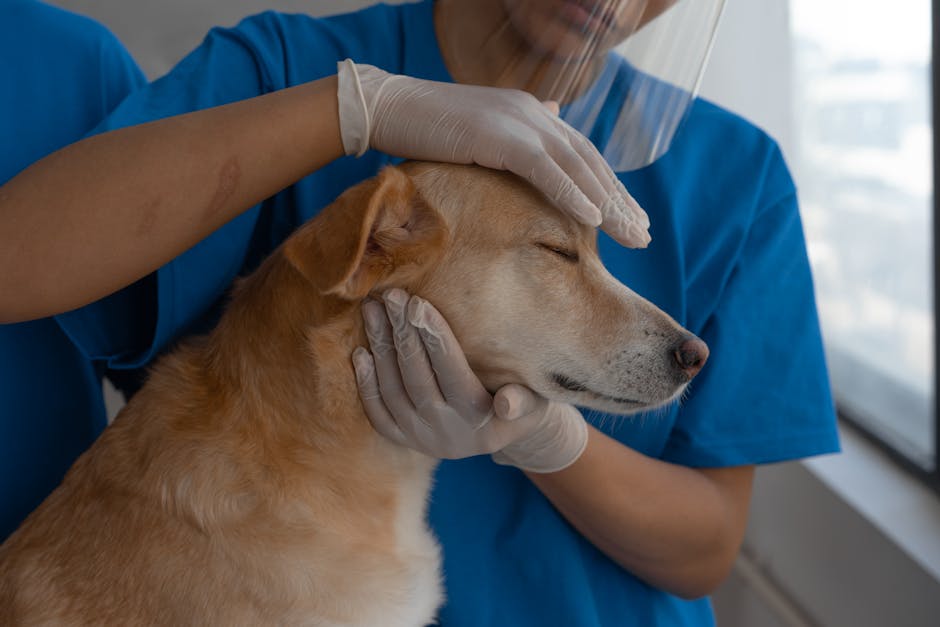
Dog vomiting causes symptoms and when to see a vet
Introduction
Vomiting is a common health concern that may affect both dogs and cats, though it is often more frequently observed in dogs. Understanding dog vomiting causes symptoms and when to see a vet can help pet owners recognise when their animal may need professional care.
Vomiting may cause discomfort and can be a sign of various underlying issues ranging from mild to serious. It is often associated with dietary indiscretion, infections, or other medical conditions. Because vomiting can have many different causes, it is important for pet owners to monitor their pet’s symptoms closely.
Key points to consider include:
- Frequency and duration of vomiting episodes
- Presence of other symptoms such as lethargy, diarrhoea, or loss of appetite
- Changes in behaviour or activity levels
This article aims to provide general information about common causes and symptoms related to vomiting in dogs. However, it does not replace a veterinary visit. Only a licensed veterinarian can accurately diagnose and recommend appropriate treatment for your pet’s specific condition.
Reviewed by SASI Vet Editorial Board.
What this condition is
Dog vomiting causes symptoms and when to see a vet is a common concern among pet owners. Vomiting in dogs refers to the forceful expulsion of stomach contents through the mouth. It is often associated with irritation or inflammation of the stomach or intestines, but can also involve other parts of the digestive system.
This condition may develop suddenly or gradually, depending on the underlying cause. Some dogs may vomit once and recover quickly, while others experience repeated episodes over days or weeks. Vomiting can be caused by a variety of factors including dietary indiscretion, infections, toxins, or more serious illnesses affecting organs such as the liver, kidneys, or pancreas.
How vomiting develops
- Initial irritation or blockage in the digestive tract
- Activation of the vomiting centre in the brain
- Muscle contractions that expel stomach contents
Because vomiting may cause dehydration or indicate a serious health problem, veterinarians may recommend a thorough examination to determine the cause. Only a licensed veterinarian can diagnose and treat the underlying condition appropriately.
Common causes
Dog vomiting causes symptoms and when to see a vet are often linked to a variety of factors. Vomiting in dogs is a common clinical sign that may result from many different underlying issues. Understanding common causes can help pet owners recognise when veterinary advice is needed.
Dietary factors
- Eating spoiled or inappropriate food
- Sudden changes in diet
- Ingesting foreign objects or toxins
Medical conditions
- Gastrointestinal infections or inflammation
- Parasites such as worms
- Systemic illnesses including kidney or liver disease
- Pancreatitis or other digestive disorders
Other risk factors
- Stress or anxiety
- Motion sickness
- side effects from medications
In many cases, the exact cause of vomiting may be uncertain or multifactorial. Veterinarians may recommend diagnostic tests to determine the underlying reason and appropriate treatment. Persistent or severe vomiting should always prompt a veterinary consultation to ensure the health and safety of the pet.
Typical signs and symptoms
Dog vomiting causes symptoms that can vary from mild to more serious. Pet owners may notice occasional vomiting that resolves quickly and does not affect the dog’s behaviour or appetite. These mild signs often do not require immediate veterinary attention but should be monitored closely.
Common mild signs include:
- Occasional vomiting with normal energy levels
- Brief loss of appetite
- Normal drinking habits
- Normal stool consistency
More serious signs that may indicate a need to see a veterinarian include:
- Repeated or persistent vomiting over several hours or days
- Vomiting accompanied by lethargy or weakness
- Signs of dehydration such as dry gums or sunken eyes
- Blood or unusual material in vomit
- Abdominal pain or bloating
- Changes in stool such as diarrhoea or constipation
It is helpful for pet owners to keep notes on the frequency, appearance, and any other symptoms observed. Veterinarians may recommend diagnostic tests or treatments based on these observations. Only a licensed veterinarian can diagnose the underlying cause and provide appropriate care.
When it is an emergency
Dog vomiting causes symptoms and when to see a vet can be difficult to determine. While occasional vomiting may not be serious, certain signs indicate the need for immediate veterinary attention or a visit to an emergency clinic.
Sudden, severe, or rapidly worsening symptoms are always a reason to seek urgent care. These red flag signs may include:
- Repeated vomiting over a short period
- Vomiting accompanied by weakness, collapse, or difficulty breathing
- Presence of blood in vomit or black, tarry stools
- Signs of severe abdominal pain or bloating
- Persistent vomiting with inability to keep water down
- Vomiting after ingesting a known toxin or foreign object
- Signs of dehydration such as dry gums or sunken eyes
Veterinarians may recommend urgent evaluation to diagnose and treat the underlying cause. Only a licensed veterinarian can determine the severity and appropriate care for your pet’s condition. If you notice any of these symptoms, do not delay in seeking professional help.
How veterinarians diagnose it
When a dog presents with vomiting, veterinarians begin by gathering a detailed history to understand the context and possible causes. This includes questions about the dog’s diet, recent activities, exposure to toxins, and any other symptoms. The focus keyword “dog vomiting causes symptoms and when to see a vet” is central to guiding this process.
A thorough physical examination follows, assessing hydration status, abdominal pain, and overall condition. Based on these findings, veterinarians may recommend several diagnostic tests to identify the underlying cause.
Common diagnostic tests
- Blood work: To evaluate organ function, detect infections, or identify metabolic imbalances.
- Urinalysis: To assess kidney function and detect urinary tract issues.
- Imaging studies: Such as X-rays or ultrasound to visualize the gastrointestinal tract and other organs.
- Fecal examination: To check for parasites or infections.
These tests help veterinarians form a comprehensive picture of the dog’s health. It is important to remember that only a licensed veterinarian can diagnose and recommend appropriate treatment based on these assessments.
Treatment options
When addressing dog vomiting causes symptoms and when to see a vet, treatment approaches can vary depending on the underlying cause and severity. Veterinarians may recommend a combination of strategies tailored to each pet’s needs.
Medications and procedures
Medications may be used to control nausea, reduce inflammation, or treat infections. In some cases, diagnostic procedures such as blood tests or imaging might be necessary to identify the cause and guide treatment.
Dietary changes
Adjusting a dog’s diet is often part of managing vomiting. This may include feeding a bland diet temporarily or switching to a specialized formula recommended by a veterinarian to support digestive health.
Home care and monitoring
- Ensuring access to fresh water to prevent dehydration
- Monitoring the frequency and characteristics of vomiting episodes
- Providing a calm and comfortable environment
It is important to remember that only a licensed veterinarian can diagnose the cause of vomiting and determine the most appropriate treatment plan. Owners should seek veterinary advice promptly if vomiting persists or is accompanied by other concerning symptoms.
Home care and monitoring
After a veterinary visit for concerns related to dog vomiting causes symptoms and when to see a vet, careful home monitoring can support your pet’s recovery. It is important to follow the veterinarian’s instructions closely and avoid making any changes to treatment without professional advice.
Monitoring your dog at home
- Observe your dog’s behaviour and appetite daily, noting any changes in vomiting frequency or appearance.
- Check for additional signs such as lethargy, diarrhoea, dehydration, or abdominal pain, which may require prompt veterinary reassessment.
- Keep a record of any medications given as directed by your veterinarian, including times and doses.
Comfort measures
- Provide a quiet, comfortable resting area away from noise and activity.
- Ensure access to fresh water to help prevent dehydration, but offer small amounts frequently rather than large volumes at once.
- Follow any dietary recommendations provided by your veterinarian, such as feeding bland or easily digestible foods if advised.
When to contact your veterinarian
Contact your veterinary clinic if vomiting worsens, if your dog shows signs of distress, or if new symptoms develop. Only a licensed veterinarian can determine if further diagnostics or treatment adjustments are necessary.
Prevention and long-term management
Understanding dog vomiting causes symptoms and when to see a vet can help pet owners take steps to reduce the risk of vomiting episodes. While not all causes are preventable, certain measures may lower the likelihood or severity of vomiting.
Preventive measures
- Regular vaccinations to protect against infectious diseases that may cause vomiting
- Consistent parasite prevention to avoid gastrointestinal upset from worms or parasites
- Feeding a balanced diet appropriate for the dog’s age, breed, and health status
- Maintaining a healthy weight to reduce stress on the digestive system
- Providing fresh water and avoiding access to toxic or spoiled substances
- Scheduling routine veterinary check-ups to monitor overall health and catch early signs of illness
Long-term management
If vomiting is linked to a chronic condition, veterinarians may recommend ongoing management strategies tailored to the underlying cause. This could include dietary adjustments, medications, or regular monitoring. It is important that any long-term plan is developed and supervised by a licensed veterinarian to ensure safety and effectiveness.
Living with a pet with this condition
Managing a pet experiencing symptoms related to dog vomiting causes symptoms and when to see a vet requires patience and careful observation. While some episodes may resolve quickly, others can indicate underlying issues that need ongoing attention.
Quality of life and daily care
Owners can support their pet by maintaining a consistent feeding schedule and providing easy-to-digest meals as advised by their veterinarian. Ensuring access to fresh water is important to prevent dehydration, which is often associated with vomiting.
Follow-up visits and monitoring
Regular veterinary check-ups are essential to monitor the pet’s condition and adjust care plans as needed. Veterinarians may recommend diagnostic tests or treatments based on the pet’s response and any changes in symptoms.
Lifestyle adjustments
- Minimise stress and sudden changes in environment
- Avoid exposure to toxins or unsuitable foods
- Keep a symptom diary to track frequency and triggers
Open communication with the veterinary team helps set realistic expectations and ensures timely intervention if the pet’s condition changes. Remember, only a licensed veterinarian can diagnose and provide appropriate treatment for your pet’s health concerns.
FAQs
What are common causes of dog vomiting?
Dog vomiting causes symptoms and when to see a vet can vary widely. Vomiting may be caused by dietary indiscretion, infections, toxins, or underlying health conditions. Sometimes, mild stomach upset resolves without intervention, but persistent vomiting should be evaluated by a veterinarian.
What symptoms often accompany vomiting in dogs?
Vomiting is often associated with other signs such as lethargy, diarrhoea, loss of appetite, or abdominal pain. These symptoms may indicate a more serious problem requiring veterinary assessment.
When should I take my dog to the vet for vomiting?
- If vomiting is frequent or severe
- If your dog shows signs of dehydration
- If vomiting is accompanied by blood or unusual colour
- If your dog is very young, old, or has other health issues
Veterinarians may recommend diagnostic tests to determine the cause and appropriate treatment.
Can diet changes help prevent vomiting?
Dietary adjustments may help some dogs, especially if vomiting is related to food intolerance or sudden diet changes. Always consult your veterinarian before making changes to your dog’s diet.
Is vomiting always an emergency?
Not always, but vomiting can sometimes signal a serious condition. Prompt veterinary advice is important to ensure your dog’s health and safety.
Summary
Understanding dog vomiting causes symptoms and when to see a vet is important for pet owners. Vomiting in dogs may be caused by a variety of factors, ranging from mild digestive upset to more serious health issues. Early recognition of concerning signs can help ensure timely veterinary care.
Key points to remember
- Vomiting is often associated with dietary indiscretion, infections, or underlying medical conditions.
- Occasional vomiting may not be urgent, but repeated or severe episodes require veterinary evaluation.
- Additional symptoms such as lethargy, dehydration, or changes in appetite can indicate a need for prompt attention.
- Veterinarians may recommend diagnostic tests to determine the cause and appropriate treatment.
While vomiting can be distressing, many dogs recover well with proper care. It is important to avoid self-diagnosing or treating your pet without professional guidance. Consulting a licensed veterinarian ensures the best approach to managing your dog’s health and wellbeing.
Further reading and resources
- American Veterinary Medical Association (AVMA) – Vomiting in Dogs
- Canadian Veterinary Medical Association (CVMA) – Vomiting in Dogs
- World Small Animal Veterinary Association (WSAVA) – Clinical Practice Guidelines
- RSPCA – Vomiting in Dogs
- University of Cambridge Veterinary School – Dog Vomiting Advice
Disclaimer: This article provides general information about pet health and does not replace professional veterinary advice. Always talk to a licensed veterinarian about your pet’s specific situation.