Dogs Reacting During Night Noises

Share
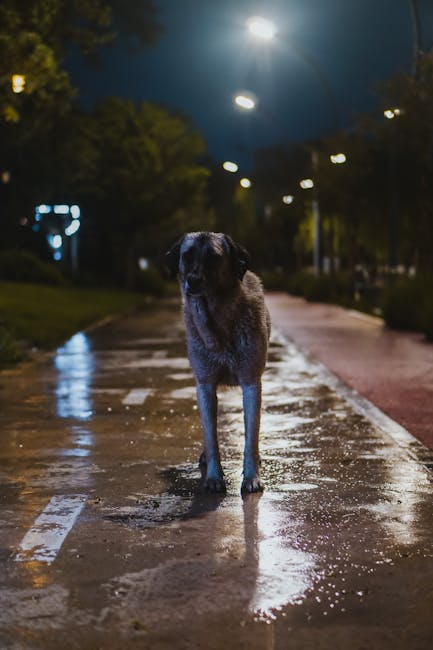
Dogs reacting during Night Noises
Introduction
Many pet owners may notice their dogs reacting during night noises, which can be concerning. It’s important to understand that such reactions can be a natural response to unfamiliar sounds in the environment. Dogs and cats may exhibit various behaviors when they feel uncertain or threatened, and these reactions can sometimes be misinterpreted as aggression. However, it’s essential to recognize that these behaviors are often safety signals rather than indicators of a behavior disorder.
When your dog reacts to noises at night, it may be expressing its instinctual need to protect its territory or alert you to potential disturbances. This is a normal behavior for many pets, and understanding it can help you respond appropriately. Remember, the goal is to create a calm and secure environment for your pet, allowing them to feel safe and comfortable in their surroundings.
By focusing on positive reinforcement and creating a peaceful atmosphere, you can help your dog navigate their reactions to night noises more effectively. Always prioritize safety and well-being for both you and your pet as you work together to manage these situations.
Reviewed by the SASI Vet Behavior & Aggression Editorial Board.
What Aggression May Look Like
When dogs react to night noises, their behavior can vary widely. Some may exhibit growling, a low rumble that signals discomfort or alertness. Others might respond with a stiff posture, indicating they are on high alert and assessing the situation. Hissing is more commonly associated with cats, but it can also be a sign of distress in dogs when they feel threatened.
In some cases, a dog may choose to avoid the source of the noise altogether, retreating to a safe space where they feel more secure. This behavior can be a natural response to perceived threats. Alternatively, a dog might snap, which is a quick, defensive action that serves as a warning to back off. It’s important to recognize these behaviors as communication, expressing their feelings about the situation.
Understanding these observable behaviors can help pet owners create a safe environment for their pets. By being aware of how dogs react during night noises, owners can take steps to support their pets and help them feel more at ease.
Situations Where Pets May Show Aggressive Behaviour
Understanding why dogs may react aggressively can help pet owners create a safer environment for everyone involved. Common triggers for aggression can stem from various everyday situations.
One frequent scenario is when dogs react during night noises. Sounds such as thunder, fireworks, or even unfamiliar footsteps can provoke fear or anxiety, leading to defensive behaviours. This reaction is often rooted in a dog’s instinct to protect their territory or themselves from perceived threats.
Resource tension can also lead to aggressive behaviour. Dogs may feel the need to guard their food, toys, or resting areas, especially if they sense competition from other pets or people. This can manifest as growling or snapping when someone approaches their belongings.
Additionally, unfamiliar visitors can trigger aggression in dogs. New people in their space may cause anxiety, prompting a protective response. Sudden changes in the household, such as moving furniture or introducing a new pet, can also unsettle dogs, leading to unpredictable reactions.
By recognizing these common triggers, pet owners can take proactive steps to ensure a calm and secure environment for their pets.
Why Punishment Can Make Things Worse
When dogs are reacting during night noises, it can be distressing for both the pet and the owner. Many people may instinctively respond with intimidation or corrections, believing this will help their dog feel more secure. However, these methods can often lead to increased fear and anxiety in dogs.
Using punishment or dominance-based techniques can create a negative association with the sounds that trigger their reactions. Instead of feeling safe, dogs may become more fearful, leading to heightened anxiety and potentially more intense reactions in the future. This cycle can be detrimental to their emotional well-being.
It’s essential to foster a calm and supportive environment for your dog. Creating a safe space where they can retreat during stressful situations, such as loud noises at night, can help them feel more secure. Positive reinforcement and gentle reassurance can encourage your dog to cope better with their fears, promoting a sense of safety and trust.
By focusing on kindness and understanding, you can help your dog navigate their fears in a way that strengthens your bond and enhances their overall well-being.
How Calm Routines May Support Safety
Establishing consistent routines can greatly benefit Dogs reacting during night noises. A predictable schedule helps create a sense of security, allowing your dog to feel more at ease during potentially stressful situations. Regular feeding, walking, and playtimes can contribute to a calmer environment.
Creating a safe space for your dog is essential. This could be a cozy bed in a quiet area of your home where they can retreat when feeling overwhelmed. Ensuring this space is free from sudden disturbances can help them relax, especially during nighttime noises.
Introducing new experiences gradually can also reduce anxiety. For instance, if your dog is sensitive to specific sounds, consider exposing them to those noises at a low volume while engaging in a positive activity, like playtime or treats. This slow introduction can help them associate the sounds with positive experiences.
Supervision is key when your dog is adjusting to new situations. Being present allows you to monitor their reactions and provide comfort when needed. By fostering a calm environment and being attentive to your dog’s needs, you can help them navigate their fears more effectively.
When Aggression Signals More Serious Concern
It’s not uncommon for dogs to react during night noises, but certain behaviors can indicate a more serious issue. If your dog’s reactions escalate in intensity, such as moving from barking to growling or lunging, this may be a red flag. Sudden changes in behavior, especially if your dog has previously been calm, can also be concerning. For instance, if your dog who normally sleeps soundly begins to show signs of aggression at night, it’s important to take note.
Another critical sign to watch for is if your dog bites or attempts to bite when reacting to noises. This behavior can indicate that your dog is feeling threatened or anxious, and it’s essential to address these feelings promptly. While it’s natural for dogs to be startled by unexpected sounds, consistent aggressive reactions warrant immediate attention.
If you notice any of these signs, seeking a professional evaluation is crucial. A qualified expert can help you understand your dog’s behavior and guide you in creating a safe and supportive environment for both you and your pet.
Working with Qualified Professionals
When addressing concerns such as dogs reacting during night noises, it’s essential to collaborate with qualified professionals who can provide guidance tailored to your pet’s needs. Positive reinforcement trainers specialize in teaching dogs new behaviors through rewards, helping to create a calm environment during stressful situations like nighttime disturbances.
Veterinary behaviour professionals have a deep understanding of animal behavior and can assess your dog’s reactions in various contexts. They can offer insights into why your dog may be reacting to night noises and suggest strategies to help them feel more secure.
Veterinarians play a crucial role in ensuring your pet’s overall health. They can rule out any underlying medical issues that might contribute to anxiety or fear responses. By working together with these professionals, you can create a supportive plan that focuses on your dog’s well-being and helps them navigate their environment more comfortably.
Remember, addressing dogs reacting during night noises is a process that requires patience and understanding. With the right support, you can help your furry friend feel more at ease.
FAQs
Why do dogs react during night noises?
Dogs have heightened senses, especially hearing, which makes them more aware of sounds that may go unnoticed by humans. Noises at night can trigger their natural instincts to be alert and protective.
What should I do if my dog barks at night noises?
If your dog barks at night noises, it’s important to remain calm. Acknowledge their alertness, but try to redirect their focus to a calming activity or a safe space where they feel secure.
Can I help my dog feel more comfortable at night?
Creating a cozy and secure sleeping environment can help. Consider using soft bedding, a favorite toy, or even a white noise machine to mask sudden sounds that might startle them.
Is it normal for dogs to be more reactive at night?
Yes, it is quite normal for dogs to be more reactive at night. The darkness can heighten their senses and make them more alert to unfamiliar sounds.
How can I reassure my dog during nighttime disturbances?
Reassurance can come from your presence. Sit with your dog, speak softly, and provide gentle petting to help them feel safe and secure during nighttime disturbances.
Summary
It’s not uncommon for dogs reacting during night noises to express their discomfort or anxiety. These reactions can be a form of communication, indicating that your dog is feeling threatened or unsure about the sounds they hear. Understanding this behavior is crucial for fostering a safe and supportive environment for your pet.
When your dog reacts to nighttime disturbances, it’s important to remain calm and composed. Your demeanor can greatly influence how your dog feels in these situations. Providing a safe space where they can retreat can help them feel more secure. Consider creating a cozy area with their favorite blanket or toys, where they can go when they feel anxious.
If your dog’s reactions seem excessive or concerning, seeking guidance from a professional who specializes in animal behavior can be beneficial. They can help you understand your dog’s needs and develop strategies to manage their responses to nighttime noises effectively. Remember, your dog is communicating with you, and with patience and understanding, you can help them feel more at ease.
Additionally, engaging in regular training sessions can strengthen your bond and enhance your dog’s confidence. This can be particularly helpful in reducing anxiety related to nighttime disturbances. By incorporating fun and rewarding activities into your routine, you can create positive associations that may help your dog feel more secure.
Furthermore, consider the importance of socialization. Gradually introducing your dog to various environments, sounds, and experiences can help them build resilience and adaptability. This proactive approach can empower your dog to respond more calmly to unexpected noises in the future.
- Positive reinforcement training techniques
- Understanding canine body language
- Creating a safe space for pets
- Establishing consistent routines
- Gradual exposure to new experiences
Disclaimer: This article provides general information about pet aggression and does not replace professional evaluation.