Dogs reacting during overstimulated gatherings

Share
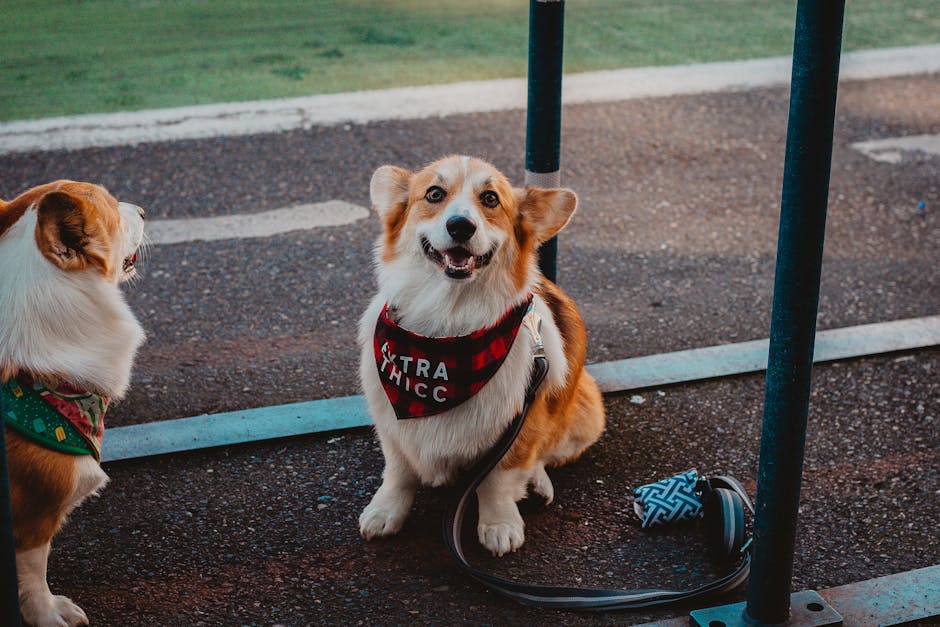
Dogs reacting during overstimulated gatherings
Introduction
It’s not uncommon for dogs to react during overstimulated gatherings, which can be a source of concern for pet owners. Understanding that these reactions are often a safety signal is crucial. Both dogs and cats may exhibit signs of stress or discomfort in busy environments, and it’s important to recognize that these behaviors are not necessarily indicative of a behavior disorder.
When pets feel overwhelmed, their responses can vary widely, from barking and growling to retreating or hiding. These reactions serve as a way for them to communicate their feelings and establish boundaries in situations that may feel threatening or chaotic. As responsible pet owners, it’s essential to observe and interpret these signals with care, ensuring the safety of both our pets and those around them.
This article aims to provide insights into understanding these behaviors without diagnosing any underlying issues. By fostering a calm and supportive environment, we can help our pets navigate overstimulated gatherings more comfortably and safely.
Reviewed by the SASI Vet Behavior & Aggression Editorial Board.
What aggression may look like
When dogs are reacting during overstimulated gatherings, their body language can communicate a range of emotions. It’s important to observe these signs to ensure everyone’s safety and comfort.
Some dogs may growl or hiss as a way to express discomfort or stress. This vocalization can serve as a warning to others that they need space. Additionally, a stiff posture may indicate that a dog is feeling tense or threatened. In such situations, the dog might also avoid eye contact or turn away, signaling a desire to disengage from the interaction.
In more intense moments, a dog might snap or show their teeth, which can be alarming. This behavior often arises when a dog feels overwhelmed and is trying to communicate their need for distance. Alternatively, some dogs may choose to retreat, moving away from the source of their discomfort. Recognizing these behaviors is crucial for creating a safe environment for all pets and people involved.
Situations where pets may show aggressive behaviour
Understanding the context in which dogs may display aggressive behaviour is essential for ensuring a safe environment for both pets and people. One common scenario is when dogs are reacting during overstimulated gatherings. These events can introduce a variety of triggers that may lead to discomfort or fear.
For instance, loud noises, unfamiliar faces, and the presence of other animals can overwhelm a dog, causing them to feel anxious. This overstimulation can result in defensive behaviours as they try to cope with the situation. Additionally, resource tension may arise if a dog feels protective over food, toys, or even their human companions, leading to aggressive responses.
Sudden changes in routine or environment can also contribute to a dog’s unease. When faced with unfamiliar visitors or unexpected situations, a dog may react out of fear or uncertainty. Recognizing these triggers is crucial for creating a calm atmosphere and helping your pet feel secure.
By being aware of these common situations, pet owners can take proactive steps to manage their dog’s environment and reduce the likelihood of aggressive behaviours.
Why punishment can make things worse
When dogs react during overstimulated gatherings, it can be a challenging situation for both the pet and their owner. Many may consider using intimidation or correction methods to manage these reactions. However, these approaches can often lead to increased fear and anxiety in dogs, making the situation worse rather than better.
Using punishment or dominance-based techniques can create a negative association with the environment or the triggers present during these gatherings. Instead of feeling safe and secure, dogs may become more fearful, leading to heightened reactivity. This can result in a cycle of anxiety and aggression, making it difficult for the dog to learn appropriate behaviors.
Promoting kindness and understanding is essential in these situations. Creating controlled environments where dogs can gradually acclimate to social settings can help them feel more comfortable. Positive reinforcement and gentle guidance can encourage desired behaviors without the risks associated with intimidation. By fostering a supportive atmosphere, we can help our dogs navigate overstimulated gatherings more effectively and safely.
How calm routines may support safety
When it comes to Dogs reacting during overstimulated gatherings, establishing calm routines can play a significant role in promoting safety and comfort. Consistency in daily activities helps dogs feel secure, reducing anxiety and the likelihood of reactive behaviors.
Creating safe spaces within your home allows your dog to retreat when they feel overwhelmed. These areas should be quiet and free from distractions, providing a sanctuary where they can relax. Additionally, introducing your dog to new environments or gatherings slowly can help them acclimate without feeling overstimulated.
Supervision is crucial during gatherings. Keeping a close eye on your dog allows you to recognize signs of stress early on, enabling you to intervene if necessary. Encouraging calm interactions with other pets and people can also foster positive experiences, helping your dog feel more at ease in social settings.
By prioritizing routine consistency, safe spaces, and gradual introductions, you can create a supportive environment that minimizes the chances of Dogs reacting during overstimulated gatherings, ultimately enhancing their well-being and safety.
When aggression signals more serious concern
Observing dogs reacting during overstimulated gatherings can be concerning for pet owners. While some excitement is normal, certain behaviors may indicate a need for closer attention. Red flags include escalating intensity in barking or growling, sudden changes in demeanor, or any signs of aggression that seem out of character for your dog.
For instance, if your dog goes from being playful to showing signs of stress or aggression, this shift can be a signal that they are overwhelmed. Additionally, if your dog displays any biting behavior, even in a playful context, it’s essential to take this seriously. Such actions can indicate that your dog is feeling threatened or uncomfortable.
In these situations, it’s crucial to prioritize safety for both your dog and those around them. If you notice these concerning behaviors, seeking guidance from a qualified professional who specializes in animal behavior can provide valuable insights. They can help you understand your dog’s needs and develop a plan to ensure everyone’s well-being during social gatherings.
Working with qualified professionals
When addressing issues like dogs reacting during overstimulated gatherings, it’s essential to collaborate with qualified professionals who can provide guidance tailored to your pet’s needs. Positive reinforcement trainers specialize in teaching dogs desirable behaviors through rewards, helping to create a calm and controlled environment during social situations.
Veterinary behaviour professionals have a deep understanding of animal behavior and can assess your dog’s reactions in various contexts. They can offer insights into the underlying causes of your dog’s behavior and suggest strategies to enhance their comfort and confidence in social settings.
Veterinarians play a crucial role in your pet’s overall health and well-being. They can help rule out any medical issues that might contribute to your dog’s reactions and provide advice on how to manage their environment effectively. By working together with these professionals, you can create a supportive plan that prioritizes your dog’s safety and emotional health during overstimulated gatherings.
FAQs
What causes dogs reacting during overstimulated gatherings?
Dogs may react during overstimulated gatherings due to excitement, anxiety, or feeling overwhelmed by the environment. Loud noises, unfamiliar people, and other animals can contribute to their stress levels.
How can I tell if my dog is overstimulated?
Signs of overstimulation in dogs can include excessive barking, pacing, panting, or trying to escape the situation. They may also exhibit hyperactive behavior or become withdrawn.
What should I do if my dog reacts during a gathering?
If your dog reacts during a gathering, it’s important to create a calm space for them. Consider removing them from the situation and allowing them to relax in a quiet area until they feel more comfortable.
How can I help my dog feel more comfortable in social settings?
Gradual exposure to social situations can help. Start with smaller gatherings and gradually increase the number of people and distractions. Always monitor your dog’s comfort level and provide breaks as needed.
Is it normal for dogs to react in these situations?
Yes, it is normal for dogs to react during overstimulated gatherings. Each dog has a unique threshold for stimulation, and understanding your dog’s limits can help you manage their experiences better.
Summary
It’s not uncommon for dogs reacting during overstimulated gatherings to display behaviors that may seem aggressive. This reaction is often a form of communication, indicating that your dog is feeling overwhelmed or stressed in a busy environment. Understanding this can help you approach the situation with empathy and care.
When your dog shows signs of discomfort, it’s essential to remain calm and provide a safe space for them to retreat. This could mean stepping away from the crowd or finding a quieter area where your dog can feel more secure. Recognizing the signs of overstimulation, such as barking, growling, or attempting to escape, can help you intervene before the situation escalates.
Seeking the guidance of a professional who specializes in animal behavior can be beneficial. They can provide insights tailored to your dog’s specific needs and help you develop strategies for managing their reactions in social settings. Remember, your dog’s safety and comfort are paramount, and with the right support, you can help them navigate these challenging situations more effectively.
By fostering understanding and patience, we can create a more harmonious environment for our pets and ourselves. Engaging in activities that promote relaxation, such as gentle walks or quiet playtime, can also help reinforce positive associations with social interactions. Ultimately, the goal is to ensure that our pets feel secure and happy, allowing them to thrive in various settings.
Additionally, consider incorporating training exercises that focus on relaxation and calmness. Simple commands like “sit” or “down” can be practiced in low-stress environments before gradually introducing more stimulating situations. This approach can help build your dog’s confidence and improve their ability to cope with overstimulating gatherings.
Furthermore, it can be helpful to educate yourself about canine body language and stress signals. Understanding what your dog is trying to communicate can empower you to respond appropriately and create a more positive experience for them. This knowledge can also enhance your bond with your pet, as you become more attuned to their needs and feelings.
- Understanding Dog Behavior
- Positive Reinforcement Training Techniques
- Creating Safe Spaces for Pets
- Recognizing Signs of Stress in Animals
- Gradual Exposure to New Environments
Disclaimer: This article provides general information about pet aggression and does not replace professional evaluation.