Dogs Showing Discomfort Around Strangers

Share
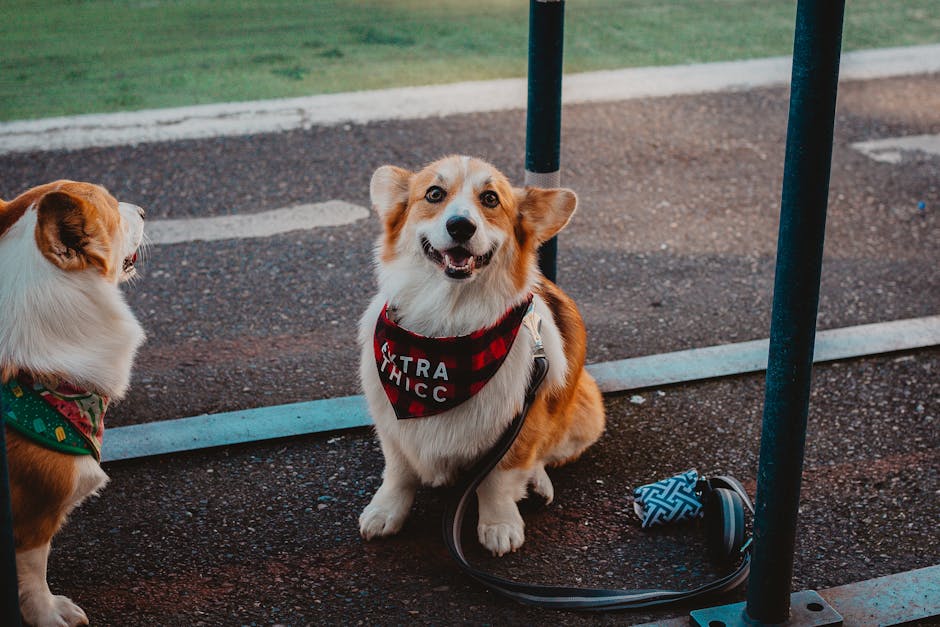
Dogs showing discomfort around Strangers
Introduction
It’s not uncommon for Dogs showing discomfort around strangers to exhibit signs of unease. This behavior can manifest in various ways, such as barking, growling, or even retreating. Understanding that these reactions are a form of communication is essential for pet owners. They signal that your dog may feel threatened or anxious in unfamiliar situations.
Recognizing these signals is crucial for ensuring the safety of both your pet and those around them. It’s important to remember that aggression in dogs and cats is not a diagnosis but rather a response to perceived threats. This behavior can stem from a variety of factors, including past experiences, socialization levels, and individual temperament.
By observing your pet’s body language and reactions, you can create a more comfortable environment for them. This may involve managing their interactions with strangers and providing them with a safe space where they feel secure. Understanding and addressing these feelings can help foster a more positive experience for your dog and promote a sense of safety for everyone involved.
Reviewed by the SASI Vet Behavior & Aggression Editorial Board.
What Aggression May Look Like
When observing dogs showing discomfort around strangers, it’s important to recognize various behaviors that may indicate their feelings. These behaviors can include growling, which is a vocalization that expresses unease or warning. Some dogs may also exhibit hissing, particularly in cats, as a way to communicate their discomfort.
Stiff posture is another sign to watch for; a dog or cat may stand rigidly, signaling that they are feeling threatened. Avoidance behaviors, such as moving away or hiding, are common as well. In some cases, a pet might snap, which is a quick, defensive action meant to create space between themselves and the perceived threat.
Retreating is also a natural response; a pet may choose to back away from a situation that feels uncomfortable. Understanding these observable behaviors can help pet owners create a safer environment for their animals and foster a sense of security. Always prioritize the well-being of your pet and seek guidance from a professional if you notice these signs frequently.
Situations Where Pets May Show Aggressive Behaviour
Understanding the situations that may lead to dogs showing discomfort around strangers can help create a safer environment for everyone involved. Various everyday triggers can contribute to this behaviour.
One common trigger is fear. Dogs may feel threatened by unfamiliar people, leading to defensive reactions. This can occur in situations where a stranger approaches too quickly or invades the dog’s personal space. Similarly, discomfort can arise from sudden movements or loud noises, which may startle a dog and prompt an aggressive response.
Resource tension is another factor. Dogs may feel protective over their food, toys, or resting areas, leading to aggressive behaviour when they perceive a stranger as a potential threat to these resources. Additionally, unfamiliar visitors in the home can create anxiety for some dogs, especially if they are not accustomed to new people entering their territory.
Lastly, sudden changes in a dog’s environment, such as moving to a new home or changes in routine, can also lead to increased stress and discomfort. Recognizing these triggers can help pet owners manage situations more effectively and ensure a positive experience for both their pets and visitors.
Why Punishment Can Make Things Worse
When dealing with dogs showing discomfort around strangers, it’s essential to understand that using intimidation or punishment can often exacerbate the situation. These methods can increase fear and anxiety in dogs, leading to a heightened sense of threat. Instead of feeling safe, a dog may become more defensive, which can escalate aggressive behaviors.
Dogs communicate through body language, and when they feel threatened, they may display signs of discomfort, such as growling, barking, or even attempting to flee. Punishing these behaviors can create a cycle of fear, making the dog more anxious and less likely to feel secure in the presence of unfamiliar people.
Creating a calm and controlled environment is crucial. By using positive reinforcement and encouraging safe interactions, you can help your dog feel more comfortable around strangers. This approach fosters trust and allows your dog to learn that new experiences can be positive rather than threatening. Remember, kindness and patience are key to helping your dog navigate their feelings safely.
How Calm Routines May Support Safety
Establishing consistent routines can greatly benefit dogs showing discomfort around strangers. A predictable daily schedule helps your dog feel secure, reducing anxiety and promoting a sense of safety. Regular feeding, walking, and playtimes create a familiar environment that can ease stress.
Creating safe spaces within your home is also essential. Designate areas where your dog can retreat when feeling overwhelmed. This could be a cozy bed in a quiet room or a crate that they associate with comfort. Ensuring your dog has access to these safe spaces allows them to manage their own comfort levels.
When introducing your dog to new people, take it slow. Gradual introductions can help reduce feelings of overwhelm. Allow your dog to observe from a distance before moving closer, and always prioritize their comfort. Supervision during these interactions is crucial to ensure that your dog feels secure and can retreat if needed.
By maintaining calm routines, providing safe spaces, and facilitating slow introductions, you can create a supportive environment for dogs showing discomfort around strangers. This approach fosters trust and helps your dog feel more at ease in social situations.
When Aggression Signals More Serious Concern
It’s important to recognize when dogs showing discomfort around strangers may indicate a more serious issue. While some dogs may simply be shy or cautious, certain red flags can suggest that their behavior is escalating beyond typical wariness.
One significant warning sign is an increase in the intensity of their reactions. If a dog that usually barks or growls begins to show more aggressive behaviors, such as lunging or snapping, this can indicate heightened stress or fear. Sudden changes in behavior, such as a previously friendly dog becoming aggressive, should also raise concerns. These shifts can be a response to new experiences or environments that the dog finds overwhelming.
Additionally, any instance of biting, even if it seems minor, should be taken seriously. Biting can be a clear signal that a dog feels threatened and is unable to cope with the situation. If you notice these behaviors in your dog, it’s crucial to seek professional evaluation from a qualified animal behaviorist or trainer who can provide guidance tailored to your dog’s needs. Early intervention can help ensure the safety and well-being of both your dog and those around them.
Working with Qualified Professionals
When addressing concerns such as dogs showing discomfort around strangers, it is essential to collaborate with qualified professionals who can provide guidance and support. Each type of expert plays a unique role in ensuring the well-being of your pet.
Positive reinforcement trainers specialize in teaching dogs new behaviors and helping them feel more comfortable in various situations. They use reward-based methods to encourage desirable behaviors, creating a positive learning environment for your dog.
Veterinary behaviour professionals focus on understanding the underlying reasons for your dog’s discomfort. They can assess your dog’s behavior in detail and provide insights into how to improve their interactions with strangers. Their expertise can help you develop a tailored approach that respects your dog’s needs.
Veterinarians are essential for overall health and well-being. They can rule out any medical issues that may contribute to your dog’s behavior and ensure that your pet is physically healthy. A collaborative approach among these professionals can create a supportive network for you and your dog, fostering a safe and positive environment for everyone involved.
FAQs
What should I do if my dog is showing discomfort around strangers?
If your dog is showing discomfort around strangers, it’s important to prioritize their safety and comfort. Create a safe space for your dog where they can retreat if they feel overwhelmed. Gradually introduce them to new people in a controlled environment, allowing them to approach at their own pace.
How can I tell if my dog is uncomfortable?
Signs of discomfort in dogs can include avoiding eye contact, turning their head away, or tucking their tail. They may also bark, growl, or show signs of stress, such as panting or pacing. Observing these behaviors can help you understand their feelings better.
Is it normal for dogs to be wary of strangers?
Yes, it is quite normal for dogs to be wary of strangers. Many dogs are naturally cautious and may need time to feel comfortable around new people. This behavior can be influenced by their past experiences and socialization.
How can I help my dog feel more comfortable around new people?
To help your dog feel more comfortable, consider positive reinforcement techniques. Encourage calm behavior by rewarding your dog with treats or praise when they remain relaxed around strangers. Gradual exposure to new people can also help build their confidence.
When should I seek professional help?
If your dog’s discomfort escalates to aggressive behavior or if you feel unsure about managing the situation, it may be beneficial to consult a professional dog trainer or a behavior consultant who uses positive methods. They can provide guidance tailored to your dog’s needs.
Summary
When dogs are showing discomfort around strangers, it’s important to understand that this behavior is often a form of communication. Dogs may feel threatened or anxious in unfamiliar situations, and their reactions can vary from barking to growling or even snapping. These signals are their way of expressing unease and should be taken seriously.
As a responsible pet owner, your priority should be the safety of both your dog and those around you. It’s essential to remain calm and avoid situations that may escalate your dog’s discomfort. Instead of forcing interactions, allow your dog to observe from a distance where they feel secure. Gradually introducing them to new people in a controlled manner can help them feel more at ease.
Seeking the guidance of a professional who specializes in canine behavior can provide you with tailored strategies to help your dog navigate these situations. Remember, understanding and patience are key. By recognizing that dogs showing discomfort around strangers are communicating their feelings, you can create a safer and more positive environment for everyone involved.
Additionally, fostering a supportive atmosphere at home can significantly impact your dog’s confidence. Engaging in regular training sessions, socialization opportunities, and positive experiences can help your dog build resilience. Over time, with consistent support and understanding, many dogs can learn to feel more comfortable in the presence of strangers, enhancing their overall quality of life.
- Understanding Dog Behavior
- Positive Reinforcement Training Techniques
- Creating Safe Spaces for Pets
- Reading Canine Body Language
- Gradual Socialization Strategies
Disclaimer: This article provides general information about pet aggression and does not replace professional evaluation.