Dogs stiff tail wagging before reacting

Share
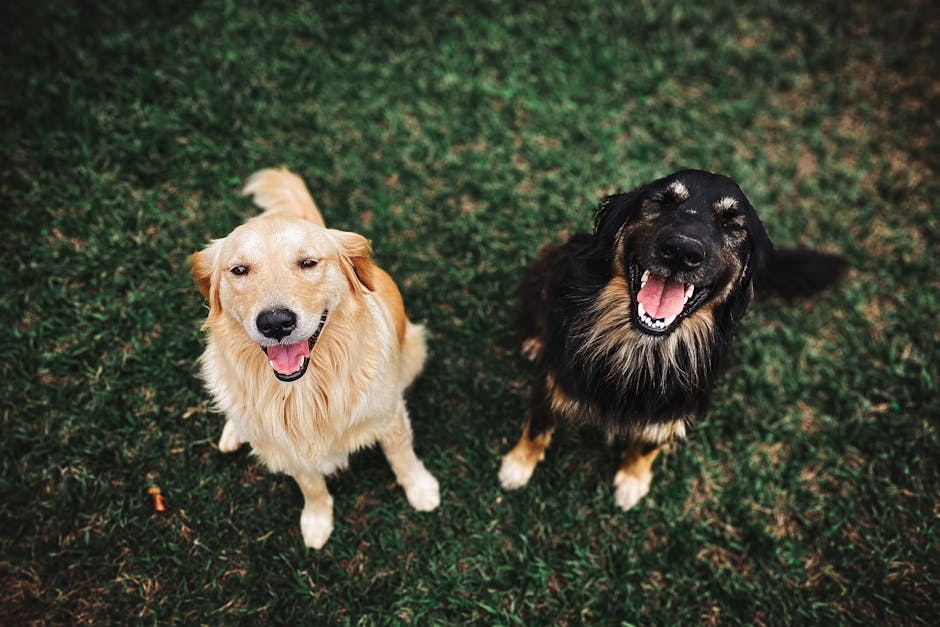
dogs stiff tail wagging before reacting
Introduction
Understanding our pets’ body language is essential for ensuring their safety and the safety of those around them. One behavior that may raise concerns is when dogs exhibit stiff tail wagging before reacting. This can be a signal of various emotions, including excitement, anxiety, or even frustration. It’s important to recognize that aggression can manifest in both dogs and cats, and these behaviors serve as safety signals rather than definitive diagnoses.
When a dog displays a stiff tail wag, it may indicate that they are feeling threatened or are preparing to react to a situation. Observing these signals can help pet owners take proactive steps to manage their pets’ environments and interactions. By understanding the context in which these behaviors occur, we can better support our pets and ensure a harmonious relationship with them.
Remember, this article is not intended to diagnose behavior disorders but rather to provide insight into the importance of recognizing and interpreting your pet’s body language. By fostering a calm and supportive environment, we can help our pets feel more secure and reduce the likelihood of aggressive reactions.
Reviewed by the SASI Vet Behavior & Aggression Editorial Board.
What aggression may look like
Understanding how dogs express themselves can help us recognize when they might be feeling uncomfortable or threatened. One observable behavior is a dog’s stiff tail wagging before reacting. This can indicate heightened emotions, and it’s important to pay attention to the context in which this occurs.
Other signs of discomfort may include growling, which serves as a warning, or hissing in cats, signaling that they need space. A stiff posture can also be a clear indicator that an animal is feeling tense or defensive. In some cases, you might notice avoidance behaviors, where a dog or cat chooses to move away from a situation or person. Snapping can occur if an animal feels cornered or overly provoked, while retreating is often a sign that they are seeking safety.
Recognizing these behaviors is crucial for ensuring the safety of both pets and people. By observing and understanding these signals, we can create a more harmonious environment for our furry companions.
Situations where pets may show aggressive behaviour
Understanding the context in which dogs may display aggressive behaviour is essential for ensuring safety and promoting positive interactions. One common scenario involves dogs stiff tail wagging before reacting, which can indicate heightened arousal or discomfort. This behaviour may arise in various situations.
Fear is a significant trigger; a dog may feel threatened by loud noises, unfamiliar environments, or sudden movements. In these moments, they might react defensively. Discomfort can also lead to aggression; for instance, if a dog is in pain or feels unwell, they may respond negatively when approached.
Resource tension is another common cause. Dogs may guard food, toys, or even their resting spots, leading to aggressive displays if they perceive a threat to their possessions. Additionally, unfamiliar visitors can provoke anxiety, causing a dog to react aggressively as a means of protection.
Lastly, sudden changes in routine or environment can unsettle a dog, leading to unpredictable behaviour. Recognizing these triggers can help pet owners create a safer and more comfortable atmosphere for their furry companions.
Why punishment can make things worse
When observing dogs stiff tail wagging before reacting, it’s essential to understand that their body language can indicate a range of emotions, including excitement or anxiety. Using intimidation or punishment in response to these signals can lead to increased fear and confusion in your dog. Instead of helping, these methods can escalate aggressive behaviors and create a cycle of anxiety.
Dogs communicate through their body language, and a stiff tail wag can be a sign that they are feeling threatened or unsure. When we respond with corrections or dominance-based techniques, we may inadvertently reinforce their fear, making them more likely to react defensively in the future. This can lead to a breakdown in trust between you and your pet.
Creating a safe and controlled environment is crucial. Focus on positive reinforcement and understanding your dog’s signals. By promoting kindness and patience, you can help your dog feel secure and reduce the likelihood of reactive behaviors. Remember, fostering a trusting relationship is key to a harmonious life with your pet.
How calm routines may support safety
Establishing calm routines can significantly contribute to a safe environment for dogs, especially when observing behaviors like dogs stiff tail wagging before reacting. Consistency in daily activities helps dogs feel secure and reduces anxiety, allowing them to navigate their surroundings with confidence.
Creating safe spaces within your home is essential. These areas should be quiet and free from distractions, providing your dog with a retreat when they feel overwhelmed. This sanctuary allows them to decompress and regain their composure.
When introducing your dog to new experiences or other animals, take your time. Slow introductions can help prevent overwhelming situations that may lead to stress or anxiety. Always supervise interactions, ensuring that your dog feels comfortable and safe throughout the process.
By maintaining a calm and predictable routine, you can foster a sense of security for your dog. This approach not only helps in managing their reactions but also promotes a positive atmosphere where they can thrive. Remember, patience and understanding are key in supporting your dog’s emotional well-being.
When aggression signals more serious concern
Understanding your dog’s body language is crucial, especially when you notice behaviors like dogs stiff tail wagging before reacting. While a wagging tail often indicates excitement or happiness, a stiff tail can signal tension or discomfort. It’s important to pay attention to the context and other accompanying signals.
Red flags to watch for include escalating intensity in your dog’s behavior, sudden changes in temperament, or any signs of aggression that seem out of character. For instance, if your dog, who is usually friendly, suddenly becomes defensive or reactive, this could indicate a deeper issue. Biting, even in play, can also be a serious concern and should not be overlooked.
If you observe these warning signs, it’s essential to seek professional evaluation. A qualified animal behaviorist or trainer can help you understand your dog’s behavior and guide you in creating a safe environment for both your pet and those around them. Remember, early intervention can lead to better outcomes for everyone involved.
Working with qualified professionals
When observing dogs stiff tail wagging before reacting, it’s essential to seek guidance from qualified professionals who can help you understand your pet’s behavior. Positive reinforcement trainers specialize in teaching dogs new skills and modifying behaviors through rewards, creating a safe and supportive environment for learning.
Veterinary behaviour professionals have a deep understanding of animal behavior and can provide insights into the underlying causes of your dog’s reactions. They can help you interpret your dog’s body language and suggest strategies to enhance your pet’s well-being.
Veterinarians play a crucial role in your pet’s overall health. They can rule out any medical issues that may be contributing to behavioral changes. A collaborative approach involving trainers, veterinary behaviour professionals, and veterinarians ensures that you receive comprehensive support tailored to your dog’s needs.
By working together with these professionals, you can create a positive environment that fosters understanding and safety for both you and your dog, ultimately leading to a more harmonious relationship.
FAQs
What does it mean when my dog has a stiff tail wagging before reacting?
A stiff tail wagging can indicate that your dog is feeling tense or uncertain. It’s important to observe the context and other body language signals to understand their emotional state better.
Should I approach my dog if they are displaying a stiff tail wagging?
If your dog is showing a stiff tail wagging, it’s best to give them space. Approaching them may increase their stress or anxiety. Instead, allow them to calm down before interacting.
How can I help my dog feel more comfortable?
Creating a calm environment can help your dog feel more secure. Providing a safe space, engaging in gentle play, or using positive reinforcement can encourage relaxation.
When should I seek professional help for my dog?
If you notice persistent signs of stress or discomfort, it may be beneficial to consult with a qualified professional who specializes in dog behavior. They can provide guidance tailored to your dog’s needs.
Can other dogs sense when my dog has a stiff tail wagging?
Yes, other dogs can pick up on your dog’s body language, including a stiff tail wagging. This can influence their interactions, so monitoring their behavior is essential for safety.
Summary
When observing dogs stiff tail wagging before reacting, it’s important to understand that this behavior is a form of communication. Dogs use their tails to express a range of emotions, and a stiff tail wag can indicate heightened arousal or discomfort. This does not necessarily mean that aggression is imminent, but it is a signal that your dog may be feeling stressed or threatened.
As a responsible pet owner, your priority should be the safety of both your dog and those around you. If you notice this behavior, it’s essential to remain calm and avoid escalating the situation. Providing your dog with a safe space to retreat can help them feel more secure. Observing their body language closely can also give you insights into their emotional state.
Seeking the guidance of a professional who specializes in animal behavior can be beneficial. They can help you understand your dog’s signals better and develop strategies for managing their reactions in a safe and supportive manner. Remember, understanding and patience are key in fostering a positive environment for your dog.
In addition to understanding your dog’s body language, it’s also helpful to educate yourself about canine behavior in general. This knowledge can empower you to respond appropriately to various situations, ensuring that both you and your dog feel safe and comfortable. Engaging in training classes or workshops can also enhance your skills in interpreting and responding to your dog’s needs.
Furthermore, building a strong bond with your dog through regular, positive interactions can enhance their confidence and reduce anxiety. Activities such as daily walks, playtime, and training sessions can strengthen your relationship and help your dog feel more secure in their environment. Always remember that a well-socialized dog is often more adaptable and less likely to exhibit stress-related behaviors.
- Understanding Dog Behavior
- Positive Reinforcement Training Techniques
- Creating Safe Spaces for Pets
- Recognizing Signs of Stress in Animals
- Building Trust with Your Pet
Disclaimer: This article provides general information about pet aggression and does not replace professional evaluation.