Dogs Stiffening Around New Environments

Share
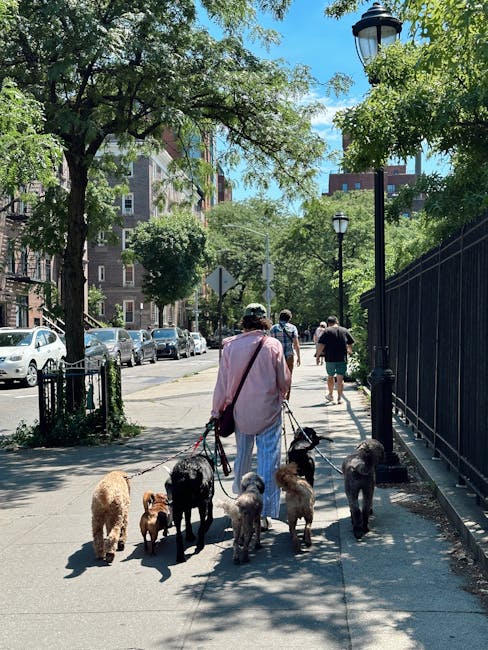
Dogs stiffening Around New Environments
Introduction
It’s not uncommon for dogs to exhibit signs of discomfort or stress when encountering new environments. One such behavior is dogs stiffening around new environments, which can be a signal of their unease. Understanding this behavior is essential for ensuring the safety and well-being of both your pet and those around them.
When dogs feel threatened or uncertain, they may respond with stiffness, which can be a precursor to more intense reactions. This response is not a diagnosis of a behavior disorder but rather a natural reaction to unfamiliar situations. Similarly, cats can also display signs of aggression or stress in new settings, highlighting the importance of recognizing these signals in both species.
By observing your pet’s body language and behavior, you can create a safer environment for them. It’s crucial to approach these situations with calmness and support, allowing your pet to feel secure as they navigate new experiences. Remember, understanding and patience are key in helping your furry friend adjust to their surroundings.
Reviewed by the SASI Vet Behavior & Aggression Editorial Board.
What Aggression May Look Like
When dogs encounter new environments, they may exhibit a range of observable behaviors that can indicate discomfort or stress. One common sign is stiffening, where a dog’s body becomes rigid as they assess their surroundings. This stiff posture can be accompanied by growling, which serves as a vocal warning to others that they feel threatened.
In some cases, a dog may choose to avoid the situation altogether, retreating to a safer space. This avoidance behavior is a clear signal that they are not comfortable. Additionally, some dogs may display snapping, which is a quick, defensive action that can occur if they feel cornered or overly pressured.
It’s important to recognize these signs as expressions of a dog’s feelings rather than as aggressive intent. Understanding these behaviors can help caregivers create a more supportive environment for their pets, allowing them to feel safe and secure as they navigate new experiences. Observing and respecting a dog’s comfort level is key to fostering a positive relationship and ensuring their well-being.
Situations Where Pets May Show Aggressive Behaviour
Understanding the situations that may lead to aggressive behavior in pets is essential for ensuring a safe and harmonious environment. One common trigger is when dogs stiffen around new environments. This reaction can stem from various factors, including fear or discomfort in unfamiliar settings.
For instance, a dog may feel threatened by loud noises, strange smells, or unfamiliar sights, leading to a defensive response. Similarly, resource tension can occur when a pet feels protective over food, toys, or space, which may result in aggressive displays if they perceive a threat to their resources.
Unfamiliar visitors can also provoke Anxiety in pets, especially if they are not accustomed to new people entering their territory. Sudden changes in routine or environment, such as moving to a new home or the arrival of a new family member, can further contribute to feelings of insecurity and lead to aggressive behavior.
Recognizing these triggers is the first step in creating a supportive environment for your pet, allowing them to feel safe and secure in their surroundings.
Why Punishment Can Make Things Worse
When dogs stiffen around new environments, it can be a sign of anxiety or uncertainty. In these moments, using intimidation or punishment can exacerbate their fear, leading to increased stress and potential aggression. Instead of helping your dog feel more secure, these methods can create a cycle of fear and anxiety, making the situation worse.
Dogs are sensitive creatures, and their responses to new experiences are often rooted in their instinctual need for safety. When faced with unfamiliar surroundings, a calm and supportive approach is essential. Encouraging positive experiences in new environments can help your dog build confidence and feel more at ease.
Creating a controlled environment where your dog can explore at their own pace is crucial. Use positive reinforcement to reward calm behavior and gradually introduce them to new stimuli. This gentle approach fosters trust and helps your dog learn to navigate new situations without fear. Remember, kindness and patience are key to helping your dog thrive in unfamiliar settings.
How Calm Routines May Support Safety
When dogs stiffening around new environments occur, establishing a calm routine can be beneficial. Consistency in daily activities helps create a sense of security for your dog. Predictable schedules for feeding, walks, and playtime can reduce anxiety and promote relaxation.
Creating safe spaces within your home is also essential. Designate areas where your dog can retreat when feeling overwhelmed. These spaces should be quiet and comfortable, allowing your dog to decompress without distractions.
Introducing your dog to new environments slowly can further support their comfort. Gradually exposing them to different settings while maintaining a calm demeanor can help them adjust without feeling pressured. Supervision during these introductions is crucial to ensure your dog feels secure and to prevent any overwhelming experiences.
By focusing on routine consistency, safe spaces, and gradual introductions, you can help your dog navigate new environments with greater ease. This supportive approach fosters a sense of safety and confidence, allowing your dog to explore the world at their own pace.
When Aggression Signals More Serious Concern
Observing your dog stiffening around new environments can be a natural response to unfamiliar situations. However, it’s essential to recognize when this behavior may indicate a more serious concern. Red flags include escalating intensity, sudden changes in behavior, or any signs of aggression such as growling or snapping.
If your dog exhibits these behaviors, it’s crucial to pay attention to the context. For instance, if your dog becomes increasingly tense or defensive in new settings, this could signal discomfort or fear. Sudden changes in behavior, such as a previously friendly dog becoming aggressive, should also raise concerns. Additionally, any instance of biting, even if it seems minor, is a serious signal that warrants immediate attention.
In these situations, seeking the guidance of a qualified professional who specializes in animal behavior can provide valuable insights. They can help assess the underlying causes of your dog’s behavior and offer support tailored to your pet’s needs. Prioritizing safety for both your dog and those around them is essential, so don’t hesitate to reach out for help if you notice these warning signs.
Working with Qualified Professionals
When observing dogs stiffening around new environments, it’s essential to seek guidance from qualified professionals who can provide support and understanding. Positive reinforcement trainers specialize in teaching dogs new behaviors in a safe and encouraging manner. They can help you create a positive association with new environments through reward-based techniques, making experiences more enjoyable for your dog.
Veterinary behavior professionals have a deep understanding of animal behavior and can assess your dog’s reactions in various situations. They can offer insights into why your dog may be feeling uncomfortable and help you develop a tailored approach to improve their confidence and comfort in new settings.
Veterinarians play a crucial role in your pet’s overall health and well-being. They can rule out any underlying health issues that may contribute to your dog’s behavior. By collaborating with these professionals, you can create a comprehensive support system that prioritizes your dog’s emotional and physical safety, ensuring a more positive experience in new environments.
FAQs
Why do dogs stiffen around new environments?
Dogs may stiffen in new environments as a natural response to unfamiliar stimuli. This behavior can indicate caution or uncertainty, as they assess their surroundings for potential threats.
How can I help my dog feel more comfortable in new places?
To help your dog feel more at ease, introduce them to new environments gradually. Allow them to explore at their own pace and provide plenty of positive reinforcement, such as treats and praise, when they show curiosity.
Is it normal for my dog to be stiff around strangers?
Yes, it is common for dogs to exhibit stiffness around strangers, especially if they are not used to meeting new people. Encourage calm interactions and give your dog space to approach when they feel ready.
What should I do if my dog shows signs of stress in new environments?
If your dog shows signs of stress, such as stiffening or avoiding interaction, it’s important to create a safe space for them. Allow them to retreat if needed and avoid forcing interactions until they feel more comfortable.
Can I train my dog to be more relaxed in new situations?
Yes, training can help your dog become more relaxed in new situations. Focus on positive reinforcement techniques to reward calm behavior and gradually expose them to new environments in a controlled manner.
Summary
When dogs stiffening around new environments occurs, it can be a sign of stress or uncertainty. This behavior is a form of communication, indicating that your dog may be feeling overwhelmed or unsure about their surroundings. It’s important to recognize that this response is natural for many dogs, especially in unfamiliar situations.
As a pet owner, your role is to provide a calm and supportive environment. If you notice your dog exhibiting stiffness or other signs of discomfort, it’s essential to remain composed and avoid forcing them into situations that may heighten their anxiety. Instead, allow your dog to explore at their own pace, offering reassurance and positive reinforcement when they show curiosity or relaxation.
Seeking the guidance of a professional who specializes in animal behavior can be beneficial. They can help you understand your dog’s specific needs and develop strategies to create a more comfortable experience for them in new environments. Remember, patience and understanding are key to helping your dog feel secure and confident.
In addition to these strategies, consider engaging in activities that promote bonding and trust between you and your dog. Regular playtime, training sessions, and leisurely walks can strengthen your relationship and help your dog feel more secure in your presence. The more positive experiences you share, the more confident your dog may become in various situations.
Furthermore, it can be helpful to educate yourself about canine body language and behavior. Understanding the subtle cues your dog gives can enhance your ability to respond appropriately to their needs. This knowledge can empower you to create a nurturing environment that fosters your dog’s emotional well-being.
- Understanding Dog Behavior
- Positive Reinforcement Training Techniques
- Creating Safe Spaces for Pets
- Recognizing Signs of Stress in Pets
- Building Confidence in Anxious Dogs
Disclaimer: This article provides general information about pet aggression and does not replace professional evaluation.