Feeding guide for cats after diarrhea

Share
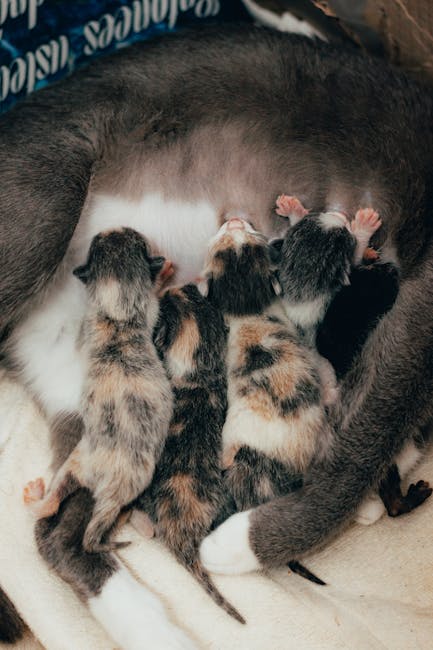
feeding guide for cats after diarrhea
Introduction
This feeding guide for cats after diarrhea is designed to help pet owners understand general principles of nutrition during recovery. It applies primarily to adult cats, but some ideas might also be relevant for kittens or senior cats experiencing digestive upset. Proper feeding during this time may support your cat’s health, energy levels, and overall wellbeing as they regain strength.
Feeding correctly after diarrhea is important because the digestive system can be sensitive and may need gentle, easily digestible foods. Providing appropriate nutrition could help reduce further irritation and promote healing. However, every cat is unique, and their needs might vary depending on age, health status, and the cause of diarrhea.
What this guide covers
- Basic feeding principles after diarrhea
- Types of foods that might be easier to digest
- General tips to support recovery
Please remember that this guide does not replace veterinary advice. If your cat’s symptoms persist or worsen, or if you have concerns about their diet, it is important to consult a licensed veterinarian or a qualified veterinary nutrition professional for personalized recommendations.
Reviewed by the SASI Vet Nutrition & Feeding Guides Editorial Board.
Understanding your pet’s nutritional needs
Providing proper nutrition is important for pets recovering from digestive issues, such as diarrhea. A balanced diet typically includes energy sources, proteins, fats, carbohydrates, vitamins, and minerals to support overall health and healing.
Key Nutritional Components
- Energy: Usually supplied by carbohydrates and fats, energy helps maintain body functions and activity levels.
- Protein: Essential for tissue repair and immune support, especially important during recovery.
- Fats: Provide concentrated energy and support skin and coat health.
- Carbohydrates: Can be a gentle source of energy, but some pets may tolerate them differently after digestive upset.
- Vitamins and minerals: Necessary for metabolic processes and overall wellness.
Factors Influencing Nutritional Needs
Age, size, activity level, and body condition might influence what and how much a pet should eat. For example, younger or more active pets often require more calories and nutrients. Medical conditions, including recent diarrhea, could affect digestion and nutrient absorption, making tailored feeding important.
When considering a feeding guide for cats after diarrhea, it is best to consult a veterinarian. They can provide advice suited to your pet’s specific health status and recovery needs.
Choosing appropriate food for this feeding guide
When considering a feeding guide for cats after diarrhea, selecting the right type of food is important to support recovery and digestive health. Life-stage diets formulated for kittens, adults, or seniors may provide balanced nutrition tailored to your cat’s needs during this time.
Commercial diets labeled as complete and balanced are designed to meet essential nutrient requirements. Reading the label carefully can help ensure the food provides adequate nutrition. Look for statements indicating the diet meets recognized nutritional standards.
Wet vs. dry food
Wet food might be easier to digest and can help increase fluid intake, which could be beneficial after diarrhea. Dry food is convenient but may be less appealing or harder to digest for some cats recovering from digestive upset. Some owners find a combination of both works well.
Special veterinary diets
In some cases, a veterinarian may recommend a special veterinary diet formulated for digestive support. These diets often contain specific ingredients to help soothe the gastrointestinal tract and promote recovery.
Because each cat’s situation is unique, it is best to consult a veterinarian before making changes to your cat’s diet. They can provide guidance tailored to your cat’s health status and nutritional needs.
How much to feed and how often
When managing a feeding guide for cats after diarrhea, portion sizes and feeding frequency are important considerations. Feeding guidelines on pet food packaging can serve as a helpful starting point, but these are general recommendations and may need adjustment based on your cat’s individual needs.
Monitoring your cat’s body condition score can provide useful feedback on whether the current feeding amount is appropriate. If your cat is losing weight or appears too thin, or conversely is gaining excess weight, consulting a veterinarian is advisable. They can help tailor feeding amounts and schedules to support recovery and overall health.
Feeding frequency
Adult cats typically do well with two or more regular meals per day. In some cases, offering several smaller meals throughout the day might be beneficial, especially during recovery from digestive upset. Kittens and younger cats often require more frequent feeding to meet their energy needs.
General tips
- Start with recommended portion sizes and observe your cat’s response.
- Adjust feeding amounts gradually, based on appetite and body condition.
- Maintain consistent feeding times to support digestive health.
- Always provide fresh water alongside meals.
Remember, each cat’s situation is unique. If you have concerns about feeding after diarrhea or your cat’s nutritional needs, seeking advice from a licensed veterinarian or veterinary nutrition professional is the safest approach.
Healthy feeding routines and practical tips
Establishing a consistent feeding routine can support your cat’s recovery and overall digestive health. Feeding in a calm, quiet space helps reduce stress, which might improve appetite and digestion. Using clean bowls for each meal is important to prevent bacterial growth and maintain hygiene.
Separating pets that compete for food may prevent anxiety and allow your cat to eat peacefully. Measuring portions can help avoid overfeeding and support a balanced intake, especially after episodes of diarrhea. Avoiding constant access to treats might encourage regular meal consumption and reduce digestive upset.
Additional considerations
- Always provide fresh, clean water to keep your cat well hydrated, which is crucial after diarrhea.
- In some cases, slow feeders or puzzle feeders may be useful to encourage slower eating and mental stimulation.
- Observe your cat’s response to feeding changes and consult a veterinarian if concerns persist or worsen.
Remember, this feeding guide for cats after diarrhea is general advice. For personalized recommendations, it is best to contact a licensed veterinary professional who can assess your cat’s specific needs.
Treats, snacks, and what to avoid
Treats and snacks can be a helpful part of a feeding guide for cats after diarrhea, but they should be given in moderation. Keeping treats to a small portion of your cat’s daily calorie intake may help prevent digestive upset and support recovery.
Choosing safe treat options is important. Look for treats that are gentle on the stomach and made from simple, easily digestible ingredients. Avoid giving large amounts or frequent treats, as this might interfere with a balanced diet.
Foods and substances to avoid
Some human foods can be harmful or toxic to cats and dogs and should be strictly avoided. These include:
- Chocolate
- Onions and garlic
- Certain artificial sweeteners, such as xylitol
- Alcohol
- Cooked bones or small bones that could cause choking or internal injury
In some cases, even small amounts of these foods might cause serious health issues. If you suspect your pet has ingested something harmful, contacting a veterinarian promptly is essential.
Always consult your veterinarian or a qualified veterinary nutrition professional for personalized advice about treats and snacks during your cat’s recovery from diarrhea. They can help guide you toward the safest and most supportive feeding choices.
Signs that a feeding plan may not be working
When following a feeding guide for cats after diarrhea, it’s important to watch for signs that the current plan might not be suitable. Some changes in your cat’s health or behavior could indicate that adjustments are needed.
Physical signs to observe
Unwanted weight gain or loss may suggest that the diet is not meeting your cat’s nutritional needs. A dull or dry coat and low energy levels might also be signs that the feeding plan isn’t supporting overall health as well as it should.
Digestive and behavioral changes
Ongoing digestive upset, such as vomiting or diarrhea, could mean the food is not agreeing with your cat. Changes in stool consistency or frequency are important to note. Additionally, behavioral changes around food, like reluctance to eat or increased begging, might signal discomfort or dissatisfaction with the diet.
What to do if you notice these signs
It can be helpful to keep a daily record of your cat’s eating habits, stool quality, and energy levels. If you observe any concerning changes, consider consulting a veterinarian. They can provide guidance tailored to your cat’s specific needs and help adjust the feeding plan safely.
Special situations where extra guidance is needed
While general feeding advice can be helpful, some situations require more careful attention and individualized plans. This is especially true when managing a feeding guide for cats after diarrhea, as underlying health or life stage factors might influence dietary needs.
Life stages and special conditions
Very young kittens who are still growing, as well as pregnant or lactating cats, often have unique nutritional requirements. These stages may require adjustments that only a veterinarian or a qualified veterinary nutrition professional can safely recommend.
Health concerns and body condition
Cats with serious medical conditions, those who are very underweight or overweight, or pets currently on prescription diets might need specialized feeding strategies. Attempting to manage these situations without professional guidance could delay recovery or worsen health.
When to seek professional advice
Because each cat’s situation is different, it is important to consult a veterinarian for tailored advice. Only a licensed professional can design a feeding plan that considers all relevant factors, ensuring the best support for your cat’s health and recovery.
FAQs
How quickly should I change my cat’s food after diarrhea?
When transitioning your cat’s diet after diarrhea, it’s generally best to make changes gradually over several days. Sudden switches might upset their digestive system further. Mixing the old and new food in increasing amounts could help your cat adjust more comfortably.
Is it okay to mix wet and dry food during recovery?
Mixing wet and dry food can be acceptable and may encourage your cat to eat more. Wet food often provides extra moisture, which might be beneficial after diarrhea. However, monitor your cat’s tolerance and appetite closely during this time.
What if my cat is picky or refuses to eat after diarrhea?
Loss of appetite can occur after digestive upset. Offering small, frequent meals and ensuring a calm feeding environment might help. If your cat continues to refuse food for more than 24 hours, contacting a veterinarian is important.
When should I be concerned about changes in my cat’s appetite?
If your cat’s appetite remains reduced or if diarrhea persists beyond a couple of days, it could indicate an underlying issue. In such cases, seeking veterinary advice is recommended to ensure proper care and nutrition.
Can I give treats or supplements while feeding my cat after diarrhea?
It’s best to avoid treats or supplements unless advised by a veterinarian. Some additives might irritate your cat’s digestive system. Always consult a professional before introducing anything new during recovery.
Summary
Feeding guide for cats after diarrhea emphasizes the importance of offering a gentle, balanced diet that supports digestive recovery. Gradually reintroducing food in small, frequent meals may help reduce digestive stress and encourage normal appetite. It is important to monitor your cat’s body condition and behavior closely during this time, as changes could indicate ongoing issues.
Key Points to Remember
- Provide easily digestible, nutritious food that suits your cat’s needs.
- Observe for signs of improvement or any new symptoms.
- Maintain hydration and avoid sudden diet changes.
- Keep track of your cat’s weight and energy levels.
Regular veterinary checkups might be valuable to ensure your cat is recovering well and to adjust feeding recommendations if needed. Each cat’s situation can vary, so working closely with your veterinary team can provide the safest and most effective guidance. Remember, patience and careful observation are key to supporting your cat’s return to health in a calm and reassuring way.
- Canadian Veterinary Medical Association
- American Veterinary Medical Association
- World Small Animal Veterinary Association
- European Pet Food Industry bodies
- Major veterinary teaching hospitals
Disclaimer: This article provides general information about pet nutrition and feeding and does not replace professional veterinary advice. Always consult a licensed veterinarian regarding your pet’s specific needs.