Feeding guide for cats prone to constipation

Share
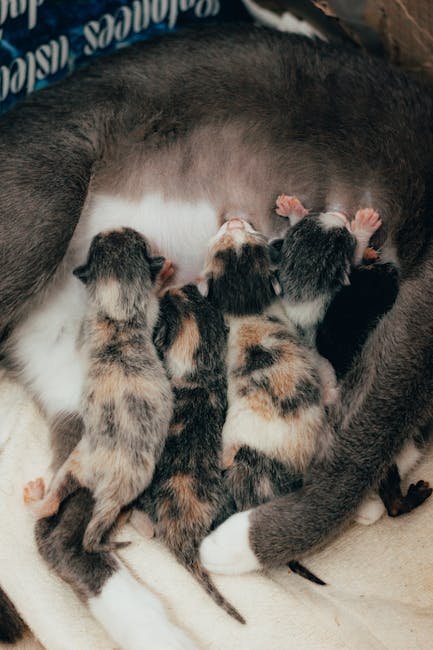
feeding guide for cats prone to constipation
Introduction
This feeding guide for cats prone to constipation is designed to help pet owners understand general principles of nutrition that may support digestive health. It is intended for adult cats who might experience occasional or chronic constipation, as well as those with specific dietary needs related to this condition.
Feeding your cat appropriately can play an important role in maintaining their overall health, energy levels, and comfort. Proper nutrition might help support regular bowel movements and promote long-term wellbeing. However, every cat is unique, and what works well for one may not be suitable for another.
Reviewed by the SASI Vet Nutrition & Feeding Guides Editorial Board.
Why Feeding Matters
- Supports healthy digestion and bowel function
- Provides essential nutrients for energy and growth
- Helps maintain a healthy weight and hydration
- May reduce the risk of constipation-related discomfort
Please remember that this guide does not replace professional veterinary advice. If your cat shows signs of constipation or other health concerns, it is important to consult a licensed veterinarian or a qualified veterinary nutrition professional for personalized recommendations and care.
Understanding your pet’s nutritional needs
Providing balanced nutrition is essential for the overall health of both dogs and cats. Key nutrients include energy sources like fats and carbohydrates, as well as protein, vitamins, and minerals. Each of these plays a vital role in maintaining bodily functions, supporting growth, and promoting a healthy immune system.
Essential Nutrients
- Energy: Derived mainly from fats and carbohydrates, energy supports daily activities and bodily processes.
- Protein: Important for tissue repair, muscle maintenance, and enzyme production.
- Vitamins and minerals: Necessary for metabolic functions, bone health, and overall well-being.
When considering a feeding guide for cats prone to constipation, it is important to recognize that nutritional needs can vary widely. Factors such as age, size, activity level, and body condition may influence what and how much a pet should eat. Additionally, medical conditions might require adjustments in diet to support digestive health.
Because each pet is unique, consulting a licensed veterinarian or a qualified veterinary nutrition professional is recommended. They can provide guidance tailored to your pet’s specific needs, helping to manage or prevent issues like constipation safely and effectively.
Choosing appropriate food for this feeding guide
When selecting food for cats prone to constipation, it is important to consider their specific needs and life stage. Life-stage diets formulated for kittens, adults, or senior cats may provide balanced nutrition tailored to their age and activity level.
Commercial diets labeled as complete and balanced are designed to meet the general nutritional requirements of cats. Reading the label carefully can help ensure the food contains essential nutrients and meets recognized standards.
Wet vs. dry food
Wet food might be beneficial for cats prone to constipation because it typically contains higher moisture content, which could support hydration and digestive health. Dry food, while convenient, may require ensuring your cat drinks enough water throughout the day.
Special veterinary diets
In some cases, a veterinarian may recommend a special diet formulated to support digestive health or manage constipation. These diets might include specific fiber levels or ingredients to promote regular bowel movements.
Always consult a licensed veterinarian before making significant changes to your cat’s diet. They can provide guidance tailored to your cat’s individual health needs and help you choose the most appropriate food for this feeding guide for cats prone to constipation.
How much to feed and how often
When considering a feeding guide for cats prone to constipation, it is important to focus on general principles rather than exact amounts. Feeding guidelines on pet food packages can serve as a helpful starting point, but individual needs may vary widely. Monitoring your cat’s body condition score can help you assess whether the portion sizes are appropriate over time.
Feeding frequency can also influence digestive health. Many adult cats do well with two or more regular meals per day, while kittens might benefit from several smaller meals to support their growth and energy needs. Consistency in feeding times may help maintain a healthy digestive rhythm.
Tips for feeding
- Use package guidelines as a baseline, then adjust based on your cat’s weight and activity level.
- Observe your cat’s body condition and consult your veterinarian if you notice weight changes or signs of discomfort.
- Consider dividing daily food into multiple smaller meals to encourage regular digestion.
- Always provide fresh water alongside meals to support hydration and bowel function.
Because cats prone to constipation may have unique dietary needs, working with a veterinarian or a veterinary nutrition professional can help tailor feeding amounts and schedules safely and effectively.
Healthy feeding routines and practical tips
Establishing a consistent feeding routine can support digestive health, especially for cats prone to constipation. Feeding your cat in a calm, quiet space helps reduce stress, which may improve their eating habits and digestion.
Using clean bowls for food and water is important to encourage regular eating and drinking. In multi-pet households, separating cats that compete for food might prevent anxiety and overeating, which could affect bowel health.
Portion control and feeding methods
Measuring portions helps maintain a balanced diet and prevents overfeeding. Avoiding constant access to treats or free-feeding may encourage regular meal times and better digestion.
Providing fresh water at all times is essential, as adequate hydration supports healthy bowel movements. In some cases, slow feeders or puzzle feeders might be useful to encourage slower eating and mental stimulation, which could benefit cats prone to constipation.
Always consult a licensed veterinarian or a qualified veterinary nutrition professional for personalized advice tailored to your cat’s specific needs.
Treats, snacks, and what to avoid
Treats and snacks can be a helpful part of a feeding guide for cats prone to constipation, but they should only make up a small portion of your cat’s daily calorie intake. Offering treats in moderation helps maintain a balanced diet and supports digestive health.
Choosing safe treats
When selecting treats, opt for options that are specifically formulated for cats and are easy to digest. Avoid giving large amounts of treats, as overfeeding can contribute to weight gain and digestive upset. Always introduce new treats gradually and observe your cat’s response.
Foods to avoid
Some human foods can be harmful or toxic to cats and dogs and should be strictly avoided. These include:
- Chocolate
- Onions and garlic
- Certain artificial sweeteners (such as xylitol)
- Alcohol
- Cooked or small bones that could cause choking or internal injury
Feeding any of these items might lead to serious health issues. If you suspect your pet has ingested something dangerous, contact a veterinarian promptly.
For personalized advice on treats and snacks suitable for your cat, especially if they are prone to constipation, consulting a licensed veterinary professional is recommended. They can help tailor feeding choices to support your cat’s digestive health safely.
Signs that a feeding plan may not be working
When following a feeding guide for cats prone to constipation, it’s important to watch for signs that the current plan may not be ideal. Some changes in your cat’s health or behaviour could suggest that adjustments are needed.
Physical and digestive signs
You might notice unwanted weight gain or loss, which could indicate that the diet is not meeting your cat’s nutritional needs. Low energy levels or a dull, lackluster coat may also be signs that the feeding plan isn’t supporting overall health as well as it should.
Digestive upset, such as vomiting, diarrhea, or constipation, could be a sign that the food is not agreeing with your cat’s system. Changes in stool consistency, frequency, or appearance are important to monitor closely.
Behavioural changes
Some cats may show changes in behaviour around food, such as decreased appetite, reluctance to eat, or increased begging. These behaviours might indicate discomfort or dissatisfaction with the current diet.
What to do next
Keeping a simple journal of any changes you observe can be helpful when discussing your cat’s health with a veterinarian. If you notice any of these signs, it’s a good idea to consult a licensed veterinary professional for personalized advice and to ensure your cat’s feeding plan supports their well-being.
Special situations where extra guidance is needed
Some cats require more careful attention to their diet, especially in special situations. This is particularly important for a feeding guide for cats prone to constipation, as their needs might differ from those of healthy cats.
Growth and reproduction
Very young kittens, as well as pregnant or lactating cats, have unique nutritional requirements that may not be met by standard feeding guidelines. These life stages often demand tailored diets to support healthy development and milk production.
Medical conditions and body weight
Cats with serious medical conditions, such as kidney disease or gastrointestinal issues, might need specialized diets. Similarly, cats that are very underweight or overweight could benefit from individualized feeding plans to help manage their condition safely.
Prescription diets
Pets on prescription diets should follow the feeding instructions provided by their veterinarian. These diets are formulated for specific health concerns and should not be altered without professional guidance.
Because these situations can be complex, only a licensed veterinarian or a qualified veterinary nutrition professional can design a feeding plan tailored to your cat’s specific needs. Always consult your veterinarian before making changes to your cat’s diet, especially if your cat is prone to constipation or other health issues.
FAQs
How quickly should I change my cat’s food if they are prone to constipation?
When changing your cat’s diet, it’s best to do so gradually over 7 to 10 days. Slowly mixing increasing amounts of the new food with the old can help reduce digestive upset. Sudden changes might worsen constipation or cause other digestive issues.
Is it okay to mix wet and dry food for cats prone to constipation?
Mixing wet and dry food can be beneficial because wet food adds moisture, which may help with hydration and stool softness. However, each cat is different, so observe how your cat responds and consult your veterinarian if you notice any changes in bowel habits.
What should I do if my cat is a picky eater and refuses new foods?
Picky eating can make managing constipation more challenging. Offering small amounts of new food alongside familiar favorites might encourage acceptance. Patience is important, but if your cat consistently refuses food or shows signs of discomfort, seek veterinary advice.
When should I be concerned about changes in my cat’s appetite?
A decreased or increased appetite could signal underlying health issues, especially in cats prone to constipation. If appetite changes last more than a day or are accompanied by vomiting, lethargy, or difficulty defecating, contact your veterinarian promptly.
Are there any general feeding tips for cats prone to constipation?
- Ensure fresh water is always available to support hydration.
- Feed consistent meal portions at regular times.
- Monitor stool quality and frequency closely.
- Consult your veterinarian for tailored advice based on your cat’s needs.
Summary
Feeding cats prone to constipation requires a balanced approach that supports digestive health and overall well-being. Providing a diet that includes adequate hydration and fiber may help promote regular bowel movements and reduce discomfort. It is important to observe your cat’s body condition and behaviour closely, as changes could indicate underlying issues that need attention.
Regular veterinary checkups play a key role in managing your cat’s health. These visits allow your veterinarian to monitor progress, adjust feeding strategies if needed, and address any concerns early. Remember that each cat is unique, and what works well for one may not be ideal for another.
Key points to consider:
- Maintain a consistent feeding routine with appropriate portion sizes.
- Encourage water intake to support hydration and digestion.
- Watch for signs of discomfort, changes in appetite, or altered litter box habits.
- Consult your veterinary team for tailored advice and ongoing support.
By working closely with your veterinarian and paying attention to your cat’s needs, you can help manage constipation risks in a safe and effective way. This collaborative approach fosters a comfortable, healthy life for your feline companion.
- Canadian Veterinary Medical Association
- American Veterinary Medical Association
- World Small Animal Veterinary Association
- European Pet Food Industry bodies
- Major veterinary teaching hospitals
Disclaimer: This article provides general information about pet nutrition and feeding and does not replace professional veterinary advice. Always consult a licensed veterinarian regarding your pet’s specific needs.