Feeding guide for show cats

Share
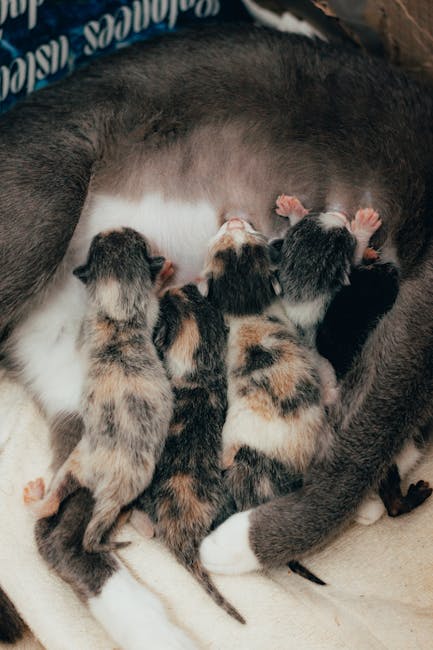
feeding guide for show cats
Introduction
This feeding guide for show cats is designed to help cat owners understand the basics of proper nutrition for cats that participate in shows. While it focuses on show cats, many of the principles may also apply to kittens, adult cats, and senior cats with varying needs.
Feeding your cat correctly is important for maintaining good health, supporting energy levels, promoting healthy growth, and ensuring long-term wellbeing. Proper nutrition might also help your show cat maintain an optimal appearance and condition, which can be important in competitive settings.
Reviewed by the SASI Vet Nutrition & Feeding Guides Editorial Board.
Who This Guide Is For
- Kittens growing into healthy adults
- Adult cats with active lifestyles
- Senior cats with special dietary considerations
- Show cats needing balanced nutrition for peak condition
It is important to remember that this guide does not replace professional veterinary advice. Each cat’s needs could vary based on age, health status, activity level, and other factors. For personalized feeding recommendations, you should always consult a licensed veterinarian or a qualified veterinary nutrition professional.
Understanding your pet’s nutritional needs
Providing balanced nutrition is essential for the health and well-being of both dogs and cats. Key nutrients include energy sources, proteins, fats, carbohydrates, vitamins, and minerals. Each plays a vital role in supporting bodily functions, growth, and maintenance.
Essential Nutrients
- Energy: Mainly derived from fats and carbohydrates, energy fuels daily activities and bodily processes.
- Protein: Important for muscle development, tissue repair, and immune function.
- Fats: Provide concentrated energy and support skin, coat, and brain health.
- Carbohydrates: Serve as an additional energy source and aid digestive health.
- Vitamins and minerals: Necessary for metabolism, bone health, and overall vitality.
Factors Influencing Nutritional Needs
Age, size, activity level, and body condition can all influence what and how much a pet should eat. For example, growing kittens or puppies may require more protein and calories, while older or less active pets might need fewer calories to maintain a healthy weight.
Medical conditions could also affect dietary requirements, making it important to consult a veterinarian for tailored advice. This feeding guide for show cats and other pets aims to provide general understanding but should not replace professional guidance.
Choosing appropriate food for this feeding guide
When selecting food for your show cat, it is important to consider life-stage diets that match your cat’s age and activity level. Foods labeled as complete and balanced are designed to provide all essential nutrients your cat may need. These diets can help support overall health and performance in show cats.
Types of commercial diets
Both wet and dry foods have advantages. Wet food may offer higher moisture content, which can be beneficial for hydration, while dry food is often convenient and helps maintain dental health. Some owners choose to feed a combination of both to meet their cat’s preferences and needs.
Special veterinary diets
In some cases, a veterinarian might recommend a special diet tailored to address specific health concerns. These diets are formulated to support particular medical conditions and should only be used under veterinary guidance.
Reading labels and seeking advice
Always read the product label carefully, looking for statements that confirm the food is complete and balanced. This ensures the diet meets established nutritional standards. Because each cat’s needs can vary, consulting a veterinarian is the best way to receive personalized recommendations for a feeding guide for show cats.
How much to feed and how often
When considering a feeding guide for show cats, it is important to understand that portion sizes and feeding frequency can vary depending on the cat’s age, activity level, and overall health. Feeding guidelines on pet food packaging may serve as a helpful starting point, but these amounts might need adjustment based on your cat’s individual needs.
Monitoring your cat’s body condition score regularly can help you determine if the current feeding amount is appropriate. A healthy body condition typically means your cat is neither too thin nor overweight. If you notice changes in weight or body shape, consulting a veterinarian can provide guidance on adjusting portions safely.
Typical feeding patterns
- Kittens and young cats often benefit from several small meals throughout the day to support growth and energy needs.
- Adult cats usually do well with two or more regular meals daily, but some may prefer free feeding if it suits their lifestyle and weight management.
- Senior cats might require tailored feeding schedules based on their health status and appetite changes.
Always consider your cat’s unique circumstances and seek advice from a veterinary professional to develop a feeding routine that supports their wellbeing and performance in the show ring.
Healthy feeding routines and practical tips
Establishing a consistent feeding routine is important for the well-being of your cat, especially when following a feeding guide for show cats. Feeding in a calm, quiet space can help reduce stress and encourage better eating habits. Using clean bowls for food and water each day supports your cat’s health by minimizing bacteria buildup.
Managing feeding environment
If you have multiple pets, separating them during meal times may prevent competition and anxiety around food. This can help each cat eat at their own pace without feeling rushed or threatened.
Portion control and treats
Measuring portions carefully helps maintain a healthy weight and supports overall nutrition. Avoid giving constant access to treats, as this might lead to overeating or unbalanced nutrition. Treats should be given sparingly and as part of a balanced diet.
Water and feeding tools
Fresh water should always be available to your cat. In some cases, slow feeders or puzzle feeders might be useful to encourage mental stimulation and slower eating, which can benefit digestion and prevent gulping.
For personalized advice tailored to your cat’s specific needs, consulting a licensed veterinarian or a veterinary nutrition professional is recommended.
Treats, snacks, and what to avoid
When following a feeding guide for show cats, treats and snacks can be a helpful way to reward good behavior or provide enrichment. However, it is important to keep treats to a small portion of your cat’s daily calorie intake to maintain a balanced diet and healthy weight.
Choosing safe treat options is essential. Many commercial cat treats are formulated to be safe and nutritious, but some human foods can be harmful or even toxic to cats and dogs. It is best to avoid giving your pet any foods that might pose a risk.
Foods to avoid
- Chocolate, which contains substances toxic to pets
- Onions and garlic, which may cause digestive upset or blood issues
- Certain artificial sweeteners, such as xylitol, that could be dangerous
- Alcohol, which can affect the nervous system and organs
- Cooked bones or small bones that might splinter and cause injury
If you are unsure about which treats or snacks are appropriate for your show cat, consulting a licensed veterinarian or a qualified veterinary nutrition professional is always recommended. They can provide guidance tailored to your pet’s specific needs and health status.
Signs that a feeding plan may not be working
When following a feeding guide for show cats, it’s important to watch for signs that the current plan may not be meeting your cat’s needs. Changes in weight, energy, or appearance could indicate that adjustments are needed.
Physical signs to observe
Unwanted weight gain or loss might suggest that the feeding amounts or nutrient balance are not ideal. A dull or thinning coat could indicate nutritional deficiencies or other health concerns. Additionally, digestive upset such as vomiting or diarrhea may occur in some cases.
Behavioral and stool changes
Changes in your cat’s behavior around food, like increased begging or refusal to eat, might signal dissatisfaction or discomfort. Alterations in stool consistency, frequency, or color could also be signs that the diet isn’t agreeing with your cat’s digestive system.
Keeping a record of these changes can be helpful. If you notice any of these signs, it’s a good idea to consult a veterinarian. They can provide guidance tailored to your cat’s individual needs and help ensure the feeding plan supports their health and show condition.
Special situations where extra guidance is needed
When considering a feeding guide for show cats, it is important to recognize that some situations require extra, individualized attention. Certain life stages and health conditions may affect nutritional needs in ways that general guidelines cannot fully address.
Life stages and special conditions
Very young kittens who are still growing, pregnant or lactating queens, and cats with serious medical conditions often need tailored feeding plans. These situations might involve unique nutrient requirements or feeding strategies that should be carefully managed.
Weight concerns and prescription diets
Cats that are very underweight or overweight could benefit from specialized nutritional support. Additionally, pets on prescription diets for specific health issues require close monitoring and adjustments based on veterinary advice.
In all these cases, only a licensed veterinarian or a qualified veterinary nutrition professional can design a safe and effective feeding plan. They can consider the individual cat’s health status, lifestyle, and goals to provide the best guidance.
If your cat falls into any of these categories, please consult your veterinarian before making changes to their diet or feeding routine. Personalized advice is essential to support your cat’s health and well-being safely.
FAQs
How quickly should I change my show cat’s food?
When switching your show cat’s diet, it’s best to do so gradually over 7 to 10 days. Slowly mixing increasing amounts of the new food with the old can help reduce digestive upset. Sudden changes might cause stomach discomfort or diarrhea.
Is it okay to mix wet and dry food for show cats?
Mixing wet and dry food can be acceptable and may provide variety and hydration. However, consistency is important, so try to maintain a balanced routine. Monitor your cat’s response and adjust as needed.
What should I do if my show cat is a picky eater?
Picky eating can sometimes be normal, but it’s important to ensure your cat is still getting proper nutrition. Offering a variety of textures and flavors might help. If picky behavior persists or your cat loses weight, consult a veterinarian.
When should I be concerned about changes in my show cat’s appetite?
Appetite changes can occur for many reasons, including stress or illness. If your cat’s appetite decreases for more than 24-48 hours or is accompanied by other symptoms, it’s wise to seek veterinary advice promptly.
Are supplements necessary for show cats?
In most cases, a balanced diet provides necessary nutrients. Supplements might be considered in some situations but should only be used under veterinary guidance to avoid imbalances or health risks.
Summary
Feeding guide for show cats emphasizes the importance of providing a safe and balanced diet tailored to support their unique needs. A well-rounded feeding approach may help maintain optimal body condition, energy levels, and overall health, which are essential for performance and appearance in the show ring.
Regular monitoring of your cat’s body condition and behaviour is valuable. Changes in appetite, weight, or activity might indicate adjustments are needed or could signal underlying health concerns. Observing these factors closely can help ensure your cat remains in peak condition.
Key Points to Remember
- Provide a nutritionally complete and balanced diet appropriate for your cat’s life stage and activity level.
- Maintain consistent feeding routines to support digestive health and well-being.
- Monitor your cat’s weight and behaviour regularly to detect any changes early.
- Schedule routine veterinary checkups to assess health and receive professional guidance.
Working closely with your veterinary team can help tailor feeding strategies that best support your show cat’s health and performance. Remember, each cat is unique, and professional advice is invaluable in making informed feeding decisions. With attentive care and collaboration, you can help your show cat thrive in a safe and nurturing environment.
- Canadian Veterinary Medical Association
- American Veterinary Medical Association
- World Small Animal Veterinary Association
- European Pet Food Industry bodies
- Major veterinary teaching hospitals
Disclaimer: This article provides general information about pet nutrition and feeding and does not replace professional veterinary advice. Always consult a licensed veterinarian regarding your pet’s specific needs.