Grooming Pets with Long Tails

Share
Grooming Pets with Long Tails
Introduction
Grooming pets with long tails is an essential aspect of their overall care and well-being. Regular grooming not only helps maintain a pet’s appearance but also supports their comfort and hygiene. For pets with long tails, grooming can be particularly important, as it helps prevent tangles and mats that can lead to discomfort.
Additionally, grooming sessions provide an excellent opportunity for pet owners to bond with their furry friends while also allowing for early detection of any potential issues, such as skin irritations or unusual lumps. It’s important to remember that this article does not offer medical instructions or treatment advice. Instead, it aims to highlight the significance of grooming as a loving and proactive approach to pet care.
When it comes to grooming pets with long tails, seeking the assistance of a professional groomer can be beneficial, especially if you’re unsure about the best practices. A gentle and caring approach to grooming can make a world of difference in your pet’s comfort and happiness.
Reviewed by the SASI Vet Care & Grooming Editorial Board.
Why Regular Grooming Matters
Grooming pets with long tails is an essential part of their overall care. Regular grooming not only helps maintain a beautiful coat but also promotes healthy skin. A well-groomed coat can reduce shedding, which is beneficial for both your pet and your home. By keeping your pet’s fur tidy, you can minimize the amount of hair that ends up on your furniture and clothing.
Additionally, grooming helps control odors that can develop over time. A clean coat is less likely to harbor dirt and debris, contributing to a fresher-smelling pet. Regular grooming sessions also provide an excellent opportunity to bond with your furry friend, making it a pleasant experience for both of you.
Moreover, during grooming, you can spot any changes in your pet’s coat or skin, such as lumps or mats, early on. This proactive approach allows you to monitor your pet’s health and well-being more closely. Overall, incorporating regular grooming into your pet care routine is a wonderful way to ensure your beloved companion stays happy, healthy, and comfortable.
Understanding Your Pet’s Coat and Grooming Needs
Every pet has a unique coat type that influences their grooming needs, especially when it comes to grooming pets with long tails. Understanding these differences can help you provide the best care for your furry friend.
Short-haired pets typically require less frequent brushing, as their coats tend to shed less and are easier to maintain. In contrast, long-haired pets often need more regular attention to prevent tangles and mats, particularly around their tails, where hair can become easily knotted.
Double-coated breeds have a dense undercoat and a longer outer coat, which may require seasonal grooming to manage shedding. These pets benefit from regular brushing to keep their coats healthy and to minimize loose fur around the home. Curly-coated pets, on the other hand, may need specialized care to maintain their unique texture and prevent matting.
Ultimately, the frequency of brushing will depend on your pet’s specific coat type and lifestyle. Regular grooming not only keeps your pet looking their best but also strengthens the bond between you and your furry companion.
Brushing Basics
Grooming pets with long tails can be a delightful bonding experience that promotes their overall well-being. Regular brushing helps to keep their fur healthy and shiny while reducing tangles and shedding. When you take the time to gently brush your pet’s tail, you not only remove loose hair but also help to distribute natural oils throughout their coat, enhancing its luster.
Additionally, gentle brushing can be a soothing activity for your furry friend. Many pets enjoy the attention, and the gentle strokes can help them feel relaxed and comfortable. This routine can also serve as an opportunity to check for any unusual signs, such as mats or debris, ensuring that your pet remains happy and healthy.
By incorporating brushing into your regular grooming routine, you can create a positive experience that both you and your pet will look forward to. Remember, the key is to approach this task with patience and care, making it a joyful time for both of you.
Bathing Considerations
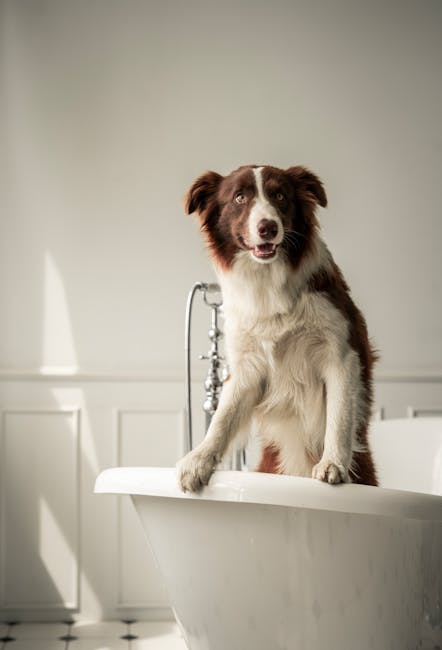
When it comes to grooming pets with long tails, bathing can be a delightful experience for both you and your furry friend. It’s essential to create a calm and soothing environment to help your pet feel at ease. Start by using warm water, as it is more comfortable for your pet and helps to relax them during the process.
Choosing pet-safe bathing products is crucial. Look for gentle shampoos specifically formulated for animals, as these will be kinder to their skin and coat. Always ensure that you rinse thoroughly to remove any residue, as leftover product can irritate your pet’s skin.
Handling your pet gently throughout the bathing process is important. Speak softly and reassure them, making the experience as positive as possible. After bathing, drying your pet thoroughly is key, especially for those with long tails, as damp fur can lead to discomfort. A soft towel can be a great way to help them dry off while providing comfort. Remember, the goal is to make bathing a pleasant routine that strengthens your bond with your beloved pet.
Nail Care Awareness
Nail maintenance is an essential aspect of grooming pets with long tails. Keeping your pet’s nails at a healthy length not only contributes to their overall comfort but also helps prevent potential injuries. Overgrown nails can lead to discomfort while walking, running, or playing, and may even cause issues with their posture.
As a pet owner, it’s important to be aware of the signs that your furry friend’s nails may need attention. If you notice that your pet’s nails are clicking on hard surfaces, or if they seem to be catching on carpets or furniture, it might be time for a little pampering. Additionally, if your pet is reluctant to walk or seems to be favoring certain paws, this could indicate that their nails are too long.
When in doubt, seeking the help of a professional groomer or veterinarian is always a wise choice. They can provide the care your pet needs in a safe and gentle manner, ensuring that your beloved companion remains comfortable and happy. Remember, regular nail care is a vital part of keeping your pet healthy and content!
Ear and Paw Hygiene
Maintaining ear and paw hygiene is an essential aspect of grooming pets with long tails. Regularly checking these areas can significantly contribute to your pet’s overall comfort and well-being. Ears can be sensitive, and keeping an eye on them helps ensure that your furry friend remains happy and free from any discomfort.
Paws, too, are vital for your pet’s mobility and enjoyment of daily activities. By observing their paws, you can help ensure they are free from debris or irritations that might affect their ability to play and explore. A gentle check can also foster a deeper bond between you and your pet, as they learn to trust you during these moments of care.
In addition to comfort, regular attention to ear and paw hygiene can help you notice any Changes That May require a closer look. This proactive approach not only supports your pet’s physical health but also enhances their emotional well-being, allowing them to thrive in a loving environment. Remember, a happy pet is a healthy pet!
Helping Anxious Pets During Grooming
Grooming pets with long tails can sometimes be a challenge, especially for those who may feel anxious during the process. Creating a calm and soothing environment is essential to help your furry friend feel more at ease. Consider setting up a quiet space with soft lighting and minimal distractions. This can help your pet relax and associate grooming with a peaceful atmosphere.
Short grooming sessions can also be beneficial. Instead of lengthy appointments, try to keep sessions brief and enjoyable. This allows your pet to gradually get used to the grooming process without feeling overwhelmed. You can start with just a few minutes of gentle brushing or combing, gradually increasing the time as your pet becomes more comfortable.
Pairing grooming with positive experiences can make a significant difference. Offering treats, praise, or gentle petting during and after grooming can help create a positive association. This way, your pet may look forward to grooming sessions, making the experience more enjoyable for both of you. Remember, patience and understanding are key to helping your anxious pet feel secure and happy during grooming.
When to Seek Professional Grooming
Grooming pets with long tails can be a delightful experience, but there are times when seeking the help of a professional groomer is the best choice for both you and your furry friend. If your pet has developed severe mats in their coat, especially around the tail area, a groomer can gently handle these tangles without causing stress or discomfort to your pet.
Additionally, if your pet tends to feel anxious During Grooming Sessions, a professional groomer is trained to create a calm and reassuring environment. They have the experience to work with nervous pets, ensuring that the grooming process is as smooth and stress-free as possible.
Some coat types can be particularly challenging to manage at home. If you find that your pet’s long tail coat requires more specialized care than you can provide, a groomer can offer the expertise needed to maintain a healthy and beautiful appearance. Remember, the goal is to keep your pet comfortable and happy, so don’t hesitate to reach out for professional help when needed.
FAQs
Q: How often should I groom my pet with a long tail?
A: The frequency of grooming can depend on your pet’s coat type and lifestyle. Generally, pets with long tails may benefit from regular grooming to keep their fur healthy and free from tangles. A gentle routine can help maintain their coat and ensure they feel comfortable.
Q: What should I do if my pet’s tail gets tangled?
A: If you notice tangles in your pet’s tail, it’s best to approach the situation with care. You can gently work through the tangles using your fingers or a soft brush, ensuring your pet remains calm and Relaxed During the process.
Q: Can grooming help with shedding?
A: Yes, regular grooming can help manage shedding in pets with long tails. By brushing their coat, you can remove loose fur and reduce the amount of hair that ends up around your home, making it a more pleasant environment for everyone.
Q: Is it necessary to bathe my pet before grooming?
A: While bathing can be beneficial for some pets, it’s not always necessary before grooming. A clean coat can make grooming easier, but it’s important to consider your pet’s comfort and preferences.
Summary
Grooming pets with long tails can be a delightful experience that not only enhances their appearance but also promotes their overall comfort and well-being. Regular grooming helps to keep their tails clean and free from tangles, which can be especially important for pets with longer fur. This routine can also serve as a wonderful bonding time between you and your furry friend, allowing for gentle handling and affection.
Incorporating grooming into your pet’s routine can help them feel more relaxed and comfortable. It’s a great opportunity to check for any signs of discomfort or changes in their coat, which can be beneficial for their health. Remember to create a calm environment during grooming sessions, using soothing words and gentle touches to make the experience enjoyable for your pet.
Ultimately, grooming pets with long tails is not just about aesthetics; it’s about nurturing their happiness and well-being. By making grooming a positive and regular part of your pet’s life, you contribute to their overall comfort and strengthen the bond you share.
- American Kennel Club (AKC)
- PetMD
- The Humane Society of the United States
- ASPCA
- National Dog Groomers Association of America
Disclaimer: This article provides general grooming information and does not replace professional care.