Heartworm in cats home care and when it is an emergency

Share
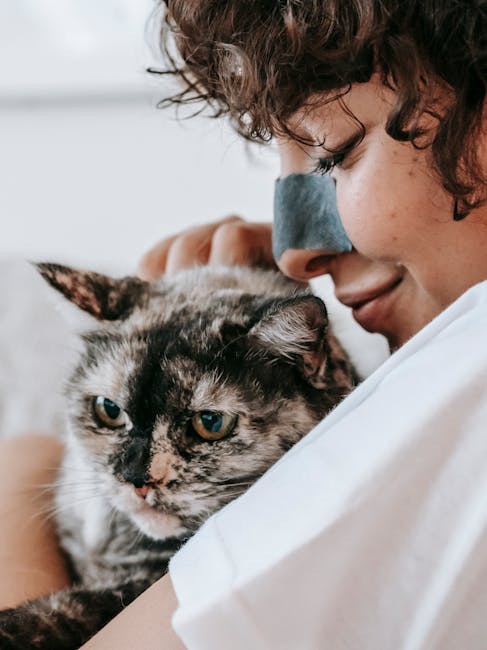
heartworm in cats home care and when it is an emergency
Introduction
Heartworm in cats is a serious parasite concern that affects our feline friends, although it is more commonly associated with dogs. These tiny worms are transmitted by mosquitoes and can cause significant health problems in cats, ranging from mild symptoms to life-threatening complications.
Understanding heartworm and how to care for your cat at home is important for their comfort and well-being. While cats are less likely than dogs to develop adult heartworms, even a small number can cause severe damage to the heart and lungs. Parasite control is essential not only to protect your pet’s health but also to reduce the risk of spreading parasites in your community.
It’s important to remember that this information does not replace professional veterinary advice. Every cat’s situation is unique, and parasite prevention and treatment plans should always be developed in partnership with a licensed veterinarian. They can help you recognize when home care is appropriate and when an emergency visit is necessary.
Reviewed by SASI Vet Parasite Editorial Board.
What this parasite is
Heartworm in cats is caused by a type of parasitic worm that lives in the heart and nearby blood vessels. Unlike fleas or ticks that live on the outside of your pet, heartworms are internal parasites that can cause serious health problems if left untreated.
These worms are spread through mosquito bites. When a mosquito bites an infected animal, it picks up tiny heartworm larvae. Later, when the mosquito bites your cat, it can pass these larvae into your pet’s bloodstream. Over time, the larvae grow into adult worms that live in the heart and lungs.
Heartworms survive by feeding on your cat’s blood and can cause damage to the heart, lungs, and blood vessels. Cats usually have fewer worms than dogs, but even a small number can be dangerous.
Because heartworm infection can be hard to detect early and may cause sudden illness, it’s important to work with your veterinarian to develop a parasite control plan that fits your cat’s lifestyle and risk factors.
How pets become infected or exposed
Heartworm in cats home care and when it is an emergency begins with understanding how cats become infected. Heartworm disease is caused by parasites transmitted through mosquito bites. When an infected mosquito bites a cat, it can pass heartworm larvae into the cat’s bloodstream.
Several factors increase the risk of heartworm exposure in cats:
- Outdoor access: Cats that spend time outside are more likely to encounter mosquitoes carrying heartworm larvae.
- Geographic location: Areas with warm climates and standing water provide ideal breeding grounds for mosquitoes.
- Contact with other animals: While cats do not spread heartworm directly to each other, the presence of infected dogs or wildlife nearby can increase mosquito infection rates.
- Lack of regular parasite prevention: Without consistent veterinary guidance and preventive measures, cats remain vulnerable to heartworm infection.
It’s important to remember that heartworm prevention and care should always be discussed with a licensed veterinarian. They can help develop a safe and effective parasite control plan tailored to your cat’s lifestyle and risk factors.
Typical signs and symptoms
Heartworm in cats home care and when it is an emergency can be challenging because many cats show few or no signs early on. Some infections remain “silent” for a time, making it important to watch closely for any changes in your cat’s health.
Common signs you might notice at home include:
- Coughing or wheezing
- Difficulty breathing or rapid breathing
- Reduced activity or lethargy
- Loss of appetite or weight loss
- Vomiting
- Sudden collapse or fainting episodes
Unlike some parasites that cause visible skin irritation, heartworm infection in cats usually affects the lungs and heart, so skin signs are uncommon. Because symptoms can be subtle or mistaken for other illnesses, any unusual behaviour or breathing difficulties should prompt a veterinary visit.
Remember, parasite control plans are best developed with your veterinarian, who can recommend appropriate testing and prevention tailored to your cat’s needs. If your cat shows signs of distress, such as trouble breathing or collapse, seek emergency veterinary care immediately.
When it may be an emergency
Heartworm in cats home care is important, but there are times when urgent veterinary attention is necessary. If your cat shows any of the following signs, it’s best to seek veterinary care immediately to ensure their safety and well-being.
Watch closely for these emergency signs:
- Severe lethargy or weakness
- Difficulty breathing or rapid breathing
- Pale or bluish gums, which may indicate poor oxygenation or blood loss
- Heavy vomiting or persistent diarrhea
- Collapse or sudden inability to stand
- Signs of severe blood loss or anaemia, such as weakness or fainting
These symptoms can indicate serious complications related to heartworm infection or other health issues. While home care and prevention are key parts of managing heartworm risk, they do not replace professional veterinary evaluation and treatment when emergencies arise.
Always work with your veterinarian to develop a parasite control plan tailored to your cat’s needs. Prompt veterinary care can make a significant difference in outcomes if your cat experiences any concerning symptoms.
How veterinarians diagnose parasite problems
If you suspect your cat may have heartworm or another parasite, a veterinarian will perform a thorough evaluation to determine the cause of symptoms. Diagnosing parasite problems involves several steps to ensure an accurate understanding of your pet’s health.
First, the vet will conduct a complete physical exam, checking your cat’s overall condition and looking for signs that might suggest parasite infection. Depending on the findings, they may recommend one or more diagnostic tests, such as:
- Skin scrapings: to detect external parasites like mites.
- Fecal tests: to identify intestinal parasites by examining stool samples.
- Blood tests: to check for heartworm infection and other blood-borne parasites.
- Imaging: such as X-rays or ultrasound, to assess internal organs and detect complications.
These tests help the veterinarian develop a safe and effective parasite control plan tailored to your cat’s needs. Remember, while home care is important, it should never replace professional veterinary advice and treatment, especially when dealing with heartworm in cats home care and when it is an emergency. Always consult your veterinarian promptly if you notice any concerning symptoms.
General treatment approaches
When it comes to managing heartworm in cats, home care plays a supportive role but is never a substitute for professional veterinary treatment. Veterinarians tailor treatment plans based on the cat’s health status, the severity of infection, and other individual factors.
Common treatment strategies may include:
- Prescription parasite control products designed specifically for cats
- Supportive care to help manage symptoms and maintain comfort
- Regular follow-up testing to monitor the cat’s response to treatment and detect any complications early
It is important to remember that only a licensed veterinarian can select the appropriate products and protocols for your cat. Attempting to treat heartworm in cats at home without veterinary guidance can be dangerous and ineffective.
If you suspect your cat has heartworm or if you notice any concerning symptoms, contact your veterinarian promptly. Early diagnosis and a carefully managed treatment plan are key to the best possible outcome.
Home care and cleaning the environment
When managing heartworm in cats home care and when it is an emergency, maintaining a clean and comfortable environment is an important part of supporting your cat’s recovery. While treatment and prevention plans are always guided by your veterinarian, there are safe steps you can take at home to help reduce stress and limit exposure to other parasites.
Cleaning and hygiene tips
- Wash bedding regularly: Use warm water and mild detergent to clean your cat’s bedding and favourite resting spots. This helps remove any parasites or eggs that may be present.
- Vacuum frequently: Vacuum carpets, rugs, and furniture to reduce flea eggs and larvae in the environment. Dispose of vacuum bags or empty canisters promptly.
- Clean litter boxes daily: Keep litter boxes clean and disinfected to prevent the spread of parasites and maintain good hygiene.
- Check other pets: Monitor other animals in your home for signs of parasites and discuss appropriate prevention with your veterinarian.
Always follow your veterinarian’s advice regarding parasite control products and treatments. Avoid using harsh chemicals or human products on your cat without veterinary guidance, as these can be harmful. Remember, a parasite control plan tailored by your veterinarian is the safest way to protect your cat’s health and wellbeing.
Preventing future infestations
When it comes to heartworm in cats home care and when it is an emergency, prevention is always better than treatment. Protecting your cat from heartworm and other parasites involves a combination of regular veterinary care and practical daily habits.
Key strategies to help prevent future infestations include:
- Regular veterinary checkups: Routine exams allow your veterinarian to monitor your cat’s health and recommend appropriate parasite prevention tailored to your pet’s lifestyle and risk factors.
- Appropriate parasite prevention products: Use veterinarian-recommended preventives consistently, as these are designed to protect against heartworm and other common parasites safely and effectively.
- Environmental control: Reduce exposure to mosquitoes, the primary carriers of heartworm, by keeping your cat indoors or in screened areas, especially during peak mosquito activity times.
- Routine monitoring: Watch for any signs of illness and report concerns promptly to your veterinarian to catch potential issues early.
- Safe outdoor habits: If your cat goes outside, supervise their time outdoors and avoid areas with standing water where mosquitoes breed.
Remember, parasite prevention is an ongoing commitment. Work closely with your veterinarian to develop a comprehensive plan that keeps your cat healthy and protected year-round.
Risks to other pets and people
Heartworm in cats home care and when it is an emergency is an important topic for pet owners to understand, especially regarding the potential risks to other pets and people. While heartworm disease primarily affects cats and dogs, the risk of transmission between pets depends on the presence of mosquitoes, which act as carriers of the parasite.
Here are some key points to consider:
- Heartworm cannot be directly transmitted from one pet to another without a mosquito vector.
- Dogs are the main reservoir for heartworms, but infected cats can also contribute to the local mosquito population carrying the parasite.
- Humans are not a natural host for heartworms, and cases of human infection are extremely rare and typically do not result in disease.
- Other parasites, such as fleas or ticks, may pose different risks and require separate prevention strategies.
If you have concerns about the health of your pets or potential risks to your family, it is best to discuss them with your veterinarian or physician. They can provide guidance tailored to your household and recommend appropriate parasite control plans. Remember, effective prevention and early veterinary care are key to keeping all members of your family safe and healthy.
FAQs
What is heartworm in cats?
Heartworm is a serious parasite transmitted by mosquitoes. While more common in dogs, cats can also be infected. It affects the heart and lungs and can cause breathing difficulties, coughing, or sudden illness.
Can I care for my cat with heartworm at home?
Home care focuses on keeping your cat comfortable and reducing stress. However, heartworm disease in cats can be unpredictable and sometimes severe. Always work closely with your veterinarian to develop a safe care plan tailored to your cat’s needs.
When should I consider heartworm in cats home care an emergency?
Seek veterinary care immediately if your cat shows signs such as:
- Sudden difficulty breathing or rapid breathing
- Collapse or fainting
- Persistent coughing or vomiting
- Extreme lethargy or weakness
These symptoms may indicate a life-threatening situation requiring urgent attention.
How can I prevent heartworm in my cat?
Prevention is the safest approach. Your veterinarian can recommend an appropriate parasite control plan based on your cat’s lifestyle and local risk factors. Regular check-ups and mosquito control also help reduce risk.
Summary
Heartworm in cats home care and when it is an emergency requires careful attention and timely action. Early recognition of symptoms, such as coughing, difficulty breathing, or sudden weakness, is important to ensure your cat receives prompt veterinary evaluation. While heartworm disease can be serious, quick veterinary care can improve outcomes and provide relief.
Key points to remember:
- Watch for signs of respiratory distress or unusual behaviour in your cat.
- Seek veterinary care immediately if your cat shows sudden or severe symptoms.
- Follow your veterinarian’s advice for diagnosis and treatment-home care alone is not sufficient.
- Discuss long-term prevention plans with your veterinarian to protect your cat from heartworm infection.
With attentive care and a strong partnership with your veterinarian, you can help keep your cat safe and healthy. Remember, parasite control plans are tailored to your cat’s needs and environment, so regular veterinary visits are essential. Staying informed and proactive is the best way to support your feline friend’s well-being.
Additional Resources
- Canadian Veterinary Medical Association (CVMA) – www.canadianveterinarians.net
- American Veterinary Medical Association (AVMA) – www.avma.org
- World Small Animal Veterinary Association (WSAVA) – www.wsava.org
- Centers for Disease Control and Prevention (CDC) – Heartworm Information – www.cdc.gov/heartworm
- Ontario Veterinary College, University of Guelph – Parasite Resources – www.ovc.uoguelph.ca
Disclaimer: This article provides general information about parasites and parasite prevention for pets and does not replace professional veterinary advice. Always talk to a licensed veterinarian about your pet’s specific situation.