How to recognize hookworms in dogs and early warning signs at home

Share
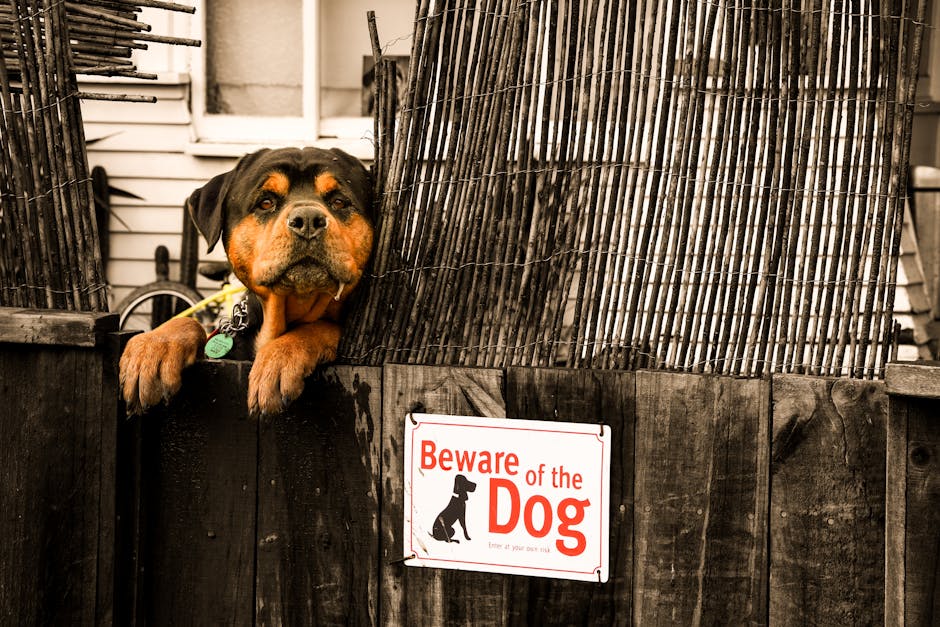
how to recognize hookworms in dogs and early warning signs at home
Introduction
Hookworms are small intestinal parasites that commonly affect dogs, especially puppies and outdoor pets. Understanding how to recognize hookworms in dogs and early warning signs at home can help you protect your furry friend’s health and comfort.
These parasites attach to the lining of the intestines, feeding on blood and potentially causing symptoms like anaemia, weight loss, and digestive upset. While hookworms primarily affect dogs, they can also pose a risk to humans, making parasite control important for the whole household.
It’s important to remember that this information is for educational purposes only and does not replace professional veterinary advice. If you suspect your dog may have hookworms or any other parasite, consult your veterinarian promptly. They can recommend appropriate testing, diagnosis, and a safe, effective parasite control plan tailored to your pet’s needs.
Key reasons to maintain parasite control include:
- Ensuring your dog’s comfort and overall health
- Preventing serious complications from untreated infections
- Reducing the risk of transmission to people and other pets
Reviewed by SASI Vet Parasite Editorial Board.
What this parasite is
Hookworms are a type of intestinal worm that can live inside dogs. These tiny parasites attach themselves to the lining of the dog’s intestines, where they feed on blood and nutrients. They are not visible to the naked eye but can cause health problems if left untreated.
Hookworms survive by feeding on the dog’s blood, which can lead to symptoms like weakness or pale gums if the infestation is significant. They can enter a dog’s body through the skin, often the paws, or by swallowing larvae found in contaminated soil or feces.
Understanding how to recognize hookworms in dogs and early warning signs at home is important for keeping your pet healthy. Early signs might include:
- Diarrhea, sometimes with blood
- Weight loss or poor growth in puppies
- Increased thirst or appetite changes
- Lethargy or weakness
- Itchy skin or irritation where larvae entered
Because symptoms can be subtle or similar to other health issues, it’s essential to work with your veterinarian to develop a parasite control plan tailored to your dog’s needs. Regular check-ups and stool testing help catch hookworms early and keep your pet safe.
How pets become infected or exposed
Understanding how pets become infected or exposed to parasites like hookworms is an important step in keeping them healthy. Hookworms are common intestinal parasites that dogs can pick up from their environment or other animals.
Pets with outdoor access are at higher risk because hookworm larvae thrive in warm, moist soil. Common ways dogs can become infected include:
- Walking or lying on contaminated soil or grass where infected animals have been
- Contact with other dogs or wildlife carrying hookworms
- Ingesting larvae from contaminated surfaces or water sources
- Insects that may carry larvae, although this is less common
Risk factors also include lack of regular parasite prevention and close contact with other animals, especially in areas where hookworms are common. Puppies are particularly vulnerable due to their developing immune systems.
Remember, how to recognize hookworms in dogs and early warning signs at home is just one part of protecting your pet. A parasite control plan tailored to your dog’s lifestyle and environment should always be developed in consultation with your veterinarian. This ensures safe and effective prevention and care.
Typical signs and symptoms
Recognizing how to recognize hookworms in dogs and early warning signs at home can help you seek veterinary advice promptly. Hookworm infections may cause a range of signs, but some dogs show very subtle or no symptoms initially, making regular check-ups important.
Common signs you might notice include:
- Skin irritation: Redness, itching, or small sores where larvae have penetrated the skin, often on the paws or belly.
- Digestive issues: Diarrhea, sometimes with blood or mucus, and occasional vomiting.
- Weight loss or poor appetite: Affected dogs may eat less or lose weight despite normal feeding.
- Lethargy: Reduced energy or reluctance to play and exercise.
- Pale gums: This can indicate anaemia caused by blood loss from hookworms feeding in the intestines.
Because some infections can be “silent” at first, it’s important to work with your veterinarian to develop a parasite control plan tailored to your dog’s lifestyle and risk factors. Early detection and prevention are key to keeping your pet healthy and comfortable.
When it may be an emergency
Recognizing how to recognize hookworms in dogs and early warning signs at home is important, but some symptoms require immediate veterinary attention. If your dog shows any of the following signs, please seek emergency care promptly to ensure their safety and well-being.
Urgent signs to watch for include:
- Severe lethargy or weakness
- Difficulty breathing or rapid breathing
- Pale or white gums, which may indicate blood loss or anaemia
- Heavy vomiting or persistent diarrhea, especially if it contains blood
- Collapse or inability to stand
- Signs of severe blood loss, such as dark or tarry stools
These symptoms can signal serious complications from hookworm infections or other health issues. While early detection at home is helpful, it does not replace professional veterinary evaluation and treatment.
Remember, parasite control plans should always be developed in partnership with your veterinarian. They can provide the safest and most effective approach tailored to your dog’s needs.
How veterinarians diagnose parasite problems
If you’re concerned about how to recognize hookworms in dogs and early warning signs at home, a veterinarian is the best person to help confirm if parasites are present. Diagnosing parasite issues involves a thorough approach to understand your pet’s health.
During a veterinary visit, the process often includes:
- Physical examination: The vet checks your dog’s overall condition, looking for signs like weight loss, pale gums, or skin irritation.
- Skin scrapings: If skin parasites are suspected, a small sample may be taken to examine under a microscope.
- Fecal tests: Stool samples are commonly analysed to detect parasite eggs or larvae, including hookworms.
- Blood tests: These can help identify infections or anaemia related to parasite infestations.
- Imaging: In some cases, X-rays or ultrasounds may be used to assess internal organs.
Each diagnostic step provides valuable information, but no single test can give all the answers. Parasite control plans are tailored by your veterinarian based on these findings and your dog’s specific needs. Always consult your vet for advice rather than attempting home treatments, as early and accurate diagnosis is key to keeping your dog healthy and comfortable.
General treatment approaches
When it comes to how to recognize hookworms in dogs and early warning signs at home, understanding treatment options is important. If your veterinarian suspects a hookworm infection, they will recommend a tailored treatment plan based on your dog’s health, age, and severity of infection.
Common treatment strategies veterinarians may use include:
- Prescription parasite control products: These are specifically designed to eliminate hookworms and other intestinal parasites safely and effectively.
- Supportive care: In cases of significant blood loss or dehydration, your dog may need additional care such as fluids or nutritional support to recover fully.
- Follow-up testing: After treatment, your veterinarian may perform stool tests to ensure the infection has cleared and to monitor your dog’s progress.
It’s important to remember that only a licensed veterinarian can choose the right product and protocol for your dog. Avoid using any home remedies or over-the-counter treatments without veterinary guidance, as these may be ineffective or harmful.
Working closely with your veterinarian ensures the best outcome for your dog’s health and helps prevent future infections through appropriate parasite control plans.
Home care and cleaning the environment
When learning how to recognize hookworms in dogs and early warning signs at home, it’s important to support your pet’s treatment with good home care and a clean environment. While veterinary care is essential, these steps can help reduce the risk of reinfection and keep your home safe for all pets and family members.
Here are some general tips to maintain a healthy environment:
- Wash bedding regularly: Use hot water to clean your dog’s bedding and any washable toys to remove eggs or larvae.
- Vacuum frequently: Vacuum carpets, rugs, and floors to pick up any parasite eggs or larvae that may be present.
- Clean litter boxes and outdoor areas: If you have cats or other pets, keep litter boxes clean and dispose of waste promptly. Also, regularly clean outdoor areas where your dog spends time.
- Check other pets: Hookworms can affect multiple animals in the household, so have your veterinarian examine all pets to ensure they are parasite-free.
- Follow your veterinarian’s advice: Always use parasite control products and treatments as directed by your veterinarian. Avoid using harsh chemicals or human products without professional guidance.
Remember, a parasite control plan tailored by your veterinarian is the safest and most effective way to protect your dog and your home.
Preventing future infestations
Understanding how to recognize hookworms in dogs and early warning signs at home is important, but preventing infestations is equally essential for your pet’s health. Regular veterinary checkups allow your veterinarian to recommend the best parasite prevention plan tailored to your dog’s needs and lifestyle.
Effective prevention involves more than one-time treatment. Consider these strategies to reduce the risk of hookworm and other parasite infestations:
- Use appropriate parasite prevention products: Your veterinarian can suggest safe and effective options to protect your dog from hookworms and other parasites.
- Maintain a clean environment: Regularly clean your dog’s bedding, toys, and living areas to minimize parasite exposure.
- Practice safe outdoor habits: Avoid areas known to be contaminated with feces from other animals, and pick up your dog’s waste promptly.
- Routine monitoring: Keep an eye on your dog’s health and behaviour, and report any concerns to your veterinarian promptly.
Ongoing prevention is key to keeping your dog healthy and comfortable. Always work closely with your veterinarian to develop and maintain a parasite control plan that suits your dog’s unique needs.
Risks to other pets and people
Understanding how to recognize hookworms in dogs and early warning signs at home is important not only for your pet’s health but also for the safety of other pets and family members. Hookworms can sometimes spread between animals and, in rare cases, to people.
Hookworm larvae are typically passed in the stool of an infected dog. Other pets may become infected by coming into contact with contaminated soil or surfaces. Young puppies and dogs with weakened immune systems are especially vulnerable.
In humans, hookworm larvae can cause skin irritation or a condition known as cutaneous larva migrans, which appears as itchy, red tracks on the skin. This usually happens when bare skin touches contaminated soil or sand.
To reduce risks:
- Keep your dog’s living area clean and free of feces.
- Prevent pets from roaming in areas where other animals may have defecated.
- Encourage family members to wash hands thoroughly after handling pets or soil.
- Use protective footwear in outdoor areas where hookworms might be present.
If you have concerns about the health of your pets or family members, please consult your veterinarian or physician. They can provide guidance tailored to your situation and help develop a safe parasite control plan.
FAQs
How can I recognize hookworms in dogs and early warning signs at home?
Hookworms are tiny parasites that can cause health issues in dogs. Early signs to watch for include:
- Persistent coughing or difficulty breathing
- Diarrhea, sometimes with blood
- Weight loss or poor appetite
- Weakness or lethargy
- Visible worms in stool or around the anus
If you notice any of these signs, consult your veterinarian promptly for proper diagnosis and care.
Can hookworms affect my family or other pets?
Hookworms can sometimes infect people and other animals, especially young children or pets with weakened immune systems. Good hygiene and regular parasite prevention help reduce this risk.
How do dogs get hookworms?
Dogs can become infected by ingesting hookworm larvae from contaminated soil, grooming themselves after contact, or through their mother’s milk if they are puppies.
Is regular parasite prevention important?
Yes, working with your veterinarian to create a parasite control plan is the safest way to protect your dog from hookworms and other parasites. Prevention helps keep your pet healthy and your home safe.
Summary
Recognizing hookworms in dogs and early warning signs at home is important for your pet’s health and comfort. While some signs may be subtle, paying attention to changes in your dog’s behaviour, appetite, and stool can help you notice potential issues early.
Key early signs to watch for include:
- Persistent coughing or difficulty breathing
- Diarrhea, sometimes with blood or mucus
- Weight loss or poor growth in puppies
- Visible signs of anaemia, such as pale gums
- Excessive licking or irritation around the anus
If you observe any of these signs, it’s important to seek prompt veterinary care. A veterinarian can confirm the presence of hookworms and recommend an appropriate parasite control plan tailored to your dog’s needs.
Remember, no home treatment should replace professional veterinary advice. Long-term prevention through regular check-ups and parasite control is the best way to keep your dog healthy and comfortable. Working closely with your veterinarian ensures the most effective and safe approach to managing hookworms and other parasites.
Additional Resources
- Canadian Veterinary Medical Association (CVMA)
- American Veterinary Medical Association (AVMA)
- World Small Animal Veterinary Association (WSAVA)
- Public Health Agency of Canada
- Ontario Veterinary College, University of Guelph
Disclaimer: This article provides general information about parasites and parasite prevention for pets and does not replace professional veterinary advice. Always talk to a licensed veterinarian about your pet’s specific situation.