Kitten vaccination schedule and when to visit the vet

Share
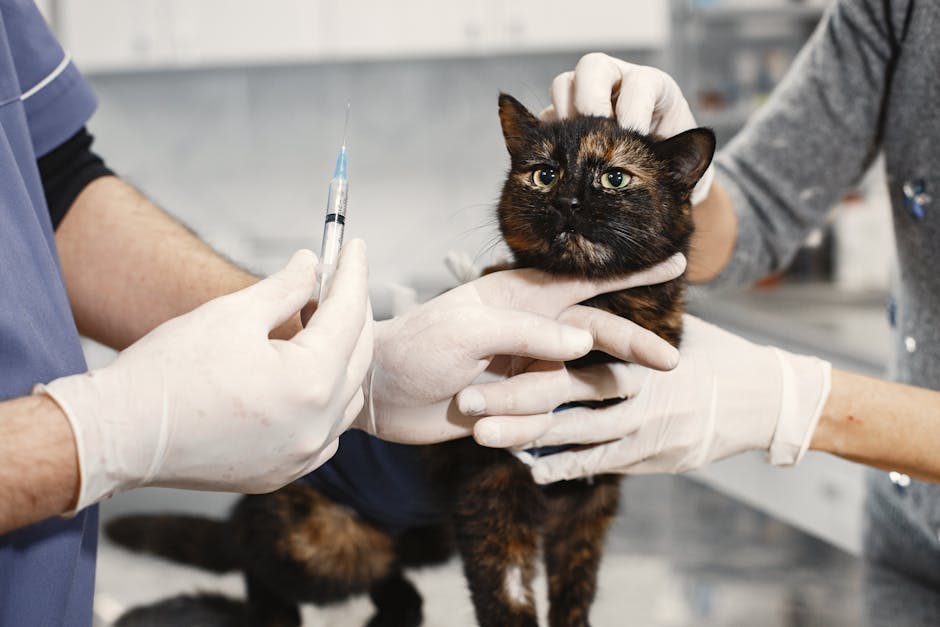
Kitten vaccination schedule and when to visit the vet
Introduction
Taking care of your kitten’s health from an early age is important for a happy, long life. This information is especially helpful for new kitten owners, but also for anyone caring for young cats. Understanding the kitten vaccination schedule and when to visit the vet can help you protect your pet from common illnesses and keep them healthy as they grow.
Preventive care, including vaccinations and regular veterinary visits, plays a key role in reducing the risk of disease. However, it’s important to remember that no prevention plan can guarantee perfect health. Each kitten is unique, and their needs may vary based on factors like breed, environment, and overall health.
Always work closely with your veterinarian to create a preventive care plan tailored to your kitten. Your vet can provide personalized advice on vaccinations, timing of visits, and other important health measures. This article offers general information and should never replace professional veterinary guidance.
Reviewed by SASI Vet Preventive Care Editorial Board.
Why preventive care matters
Establishing a kitten vaccination schedule and when to visit the vet is an essential part of keeping your new feline friend healthy throughout their life. Preventive care helps protect kittens from common infectious diseases that can be serious or even life-threatening.
By working with your veterinarian to develop a tailored vaccination plan and regular check-ups, you can:
- Lower the risk of illnesses such as feline distemper, respiratory infections, and other contagious diseases
- Detect health issues early, before they become more serious or costly to treat
- Support your kitten’s overall growth and development with timely advice on nutrition, parasite control, and behaviour
- Reduce the likelihood of emergency visits by addressing concerns proactively
Remember, every kitten is unique, and the best preventive care plan is one created in partnership with your veterinarian. Regular visits provide an opportunity to ask questions and adjust care as your kitten grows, ensuring they enjoy a long, happy, and healthy life.
How this preventive measure works
Kitten vaccination schedule and when to visit the vet are important parts of keeping your new feline friend healthy. Vaccinations help protect kittens from common infectious diseases by stimulating their immune system to recognize and fight specific viruses and bacteria.
When a kitten receives a vaccine, their body learns to produce antibodies without having to suffer from the actual illness. This prepares their immune system to respond quickly if they encounter the disease in the future.
Preventive care through vaccination is most effective when combined with regular veterinary visits. These visits allow your vet to:
- Assess your kitten’s overall health and development
- Recommend the right vaccines based on your kitten’s lifestyle and risk factors
- Provide guidance on timing for vaccinations and booster shots
- Discuss other important preventive measures, such as parasite control and nutrition
Every kitten is unique, so it’s essential to work with your veterinarian to create a vaccination plan tailored to your pet’s needs. This approach helps ensure your kitten grows into a healthy adult cat with strong protection against preventable diseases.
Which pets need it most
Kitten vaccination schedule and when to visit the vet are important considerations for all young cats, but some kittens benefit even more from timely preventive care. Generally, kittens are most vulnerable to infectious diseases during their first few months of life, making vaccinations essential to help protect their developing immune systems.
Vaccinations are especially important for kittens who:
- Live in multi-cat households or shelters where disease exposure is higher
- Spend time outdoors or have contact with other animals
- Have underlying health conditions that may affect their immunity
- Are in environments with known outbreaks of contagious diseases
Adult cats may also require vaccinations, but the focus here is on kittens due to their increased susceptibility. It’s important to remember that every kitten is unique. Factors such as breed, lifestyle, and health status influence the best vaccination plan.
Because of this, a veterinarian should always tailor the kitten vaccination schedule and when to visit the vet to your pet’s individual needs. Regular veterinary visits allow for personalized advice, ensuring your kitten receives the right preventive care at the right time for a healthy start in life.
What pet owners should look out for
Keeping an eye on your kitten’s health is an important part of their preventive care. While following a kitten vaccination schedule and when to visit the vet are key steps, you should also watch for any signs that might indicate your kitten needs extra attention.
Some changes or behaviours to monitor include:
- Loss of appetite or difficulty eating
- Unusual lethargy or weakness
- Persistent coughing, sneezing, or nasal discharge
- Vomiting or diarrhoea lasting more than a day
- Changes in urination or defecation habits
- Excessive scratching, hair loss, or skin irritation
- Swelling, lumps, or wounds that do not heal
- Sudden changes in behaviour, such as hiding or aggression
These signs don’t necessarily mean there is a serious problem, but they do suggest it’s time to check in with your veterinarian. Preventive care plans, including vaccination timing and wellness visits, should always be tailored to your kitten’s individual needs by a licensed vet. Regular monitoring at home helps ensure your kitten stays happy and healthy as they grow.
Role of the veterinarian
Your veterinarian plays a vital role in planning and managing your kitten’s preventive care, including the kitten vaccination schedule and when to visit the vet. Together, you form a partnership focused on keeping your kitten healthy and happy.
During regular visits, the veterinarian will:
- Perform thorough physical exams to monitor growth and detect any early health concerns
- Develop a tailored vaccination plan based on your kitten’s age, lifestyle, and risk factors
- Recommend parasite control strategies to protect against fleas, ticks, and worms
- Provide nutrition advice to support healthy development
- Suggest appropriate screening tests to catch potential issues early
- Schedule follow-up visits to update care plans as your kitten grows
Because every kitten is unique, preventive care plans should always be created in consultation with your veterinarian. They will guide you on the best timing and approach for vaccinations and other health measures, ensuring your kitten receives the safest and most effective care possible.
Safe home practices
Caring for your kitten at home is an important part of their overall health and wellbeing. Alongside following a kitten vaccination schedule and when to visit the vet, there are simple daily habits that support your kitten’s growth and happiness.
Regularly brushing your kitten’s teeth can help prevent dental issues later in life. Check their coat and skin for any signs of ticks or unusual lumps, especially if they spend time outdoors. Monitoring your kitten’s weight and appetite helps you notice any changes early.
Creating an enriching environment is also key. Provide toys, scratching posts, and safe spaces to explore and rest. This mental and physical stimulation supports healthy development and reduces stress.
Remember, these home practices complement but do not replace veterinary care. Your veterinarian can help tailor a preventive care plan, including vaccination timing and wellness visits, to your kitten’s unique needs. Always consult your vet before making changes to your kitten’s health routine.
Common myths and misunderstandings
When it comes to your kitten’s health, there are many myths about the kitten vaccination schedule and when to visit the vet. It’s important to rely on evidence-informed veterinary advice to keep your kitten safe and healthy.
Here are a few common misunderstandings gently clarified:
- Myth: Kittens only need one round of vaccinations.
Fact: Kittens usually require a series of vaccinations over several weeks to build strong immunity. Your veterinarian will recommend the best timing based on your kitten’s age and health. - Myth: Vaccinations can be delayed until the kitten is older.
Fact: Early vaccination helps protect kittens from serious diseases during their vulnerable first months. Your vet will advise when to start and how often to return. - Myth: If my kitten looks healthy, vet visits aren’t necessary.
Fact: Regular vet visits are essential for preventive care, including vaccinations, parasite control, and overall health checks-even if your kitten seems well.
Every kitten is unique, so it’s best to work closely with your veterinarian to create a vaccination and wellness plan tailored to your kitten’s needs. This ensures the best protection and care throughout their early life.
Life-stage considerations
When it comes to kitten vaccination schedule and when to visit the vet, preventive care varies depending on your pet’s life stage. Each stage-from playful kittens to wise seniors-has unique health needs that influence vaccination timing and veterinary visits.
Kittens and puppies require more frequent veterinary check-ups to establish a strong foundation of immunity and overall health. This period often involves a series of vaccinations and wellness exams to protect against common infectious diseases.
Adult pets typically need booster vaccinations and regular health assessments to maintain protection and catch any emerging health issues early. Their visits may be less frequent but remain essential for ongoing wellness.
Senior pets benefit from tailored preventive care that considers age-related changes. Vaccination needs might adjust based on their health status, and more frequent veterinary visits can help manage chronic conditions and ensure comfort.
- Vaccination schedules are not one-size-fits-all and depend on age, lifestyle, and health.
- Regular veterinary visits help monitor your pet’s health and update preventive care plans.
- Always consult your veterinarian to create a vaccination and wellness plan suited to your pet’s life stage.
Remember, your veterinarian is the best resource to guide you through the appropriate timing and type of vaccinations for your pet’s specific needs throughout their life.
FAQs
Why is a kitten vaccination schedule important?
Vaccinations help protect your kitten from serious diseases by building their immunity early on. Following a vaccination schedule recommended by your veterinarian ensures your kitten gets the right vaccines at the right times for the best protection.
When should I take my kitten to the vet for vaccinations?
Most kittens begin their vaccinations around 6 to 8 weeks of age, with follow-up visits every few weeks until they are about 16 weeks old. Your veterinarian will create a plan tailored to your kitten’s needs and lifestyle.
Can vaccinations cause side effects in kittens?
Most kittens tolerate vaccines well. Mild side effects like soreness, tiredness, or a slight fever can occur but usually resolve quickly. If you notice anything unusual or severe, contact your veterinarian promptly.
Are all vaccines necessary for every kitten?
Vaccination needs can vary based on your kitten’s environment, health, and risk factors. Your veterinarian will help decide which vaccines are essential and which may be optional for your kitten’s specific situation.
How can I keep track of my kitten’s vaccination schedule?
- Keep a vaccination record card provided by your vet.
- Set reminders for upcoming appointments.
- Ask your veterinarian any questions about timing or care.
Remember, the best kitten vaccination schedule and preventive care plan is one created with your veterinarian’s guidance to keep your kitten healthy and happy.
Summary
Following a kitten vaccination schedule and knowing when to visit the vet are essential steps in keeping your new feline friend healthy and happy. Preventive care helps protect kittens from common infectious diseases and supports their overall development during these critical early months.
Regular veterinary check-ups provide opportunities to monitor your kitten’s growth, discuss any concerns, and adjust care plans as needed. Open communication with your vet team ensures that your kitten’s unique needs are met with the most appropriate and up-to-date recommendations.
Keep in mind:
- Vaccinations are a key part of preventive care but should be tailored to your kitten’s lifestyle and risk factors by your veterinarian.
- Routine visits help catch potential health issues early, before they become serious.
- Preventive care also includes parasite control, nutrition advice, and behavioural guidance.
Every kitten is different, so work closely with your vet to create a care plan that fits your pet’s individual needs. This partnership is the best way to give your kitten a strong start and a lifetime of wellness.
Additional Resources
- Canadian Veterinary Medical Association (CVMA)
- American Veterinary Medical Association (AVMA)
- World Small Animal Veterinary Association (WSAVA)
- Royal Society for the Prevention of Cruelty to Animals (RSPCA)
- Ontario Veterinary College, University of Guelph
Disclaimer: This article provides general information about preventive care for pets and does not replace professional veterinary advice. Always talk to a licensed veterinarian about your pet’s specific needs.