Limping in cats common causes and when to call a vet

Share
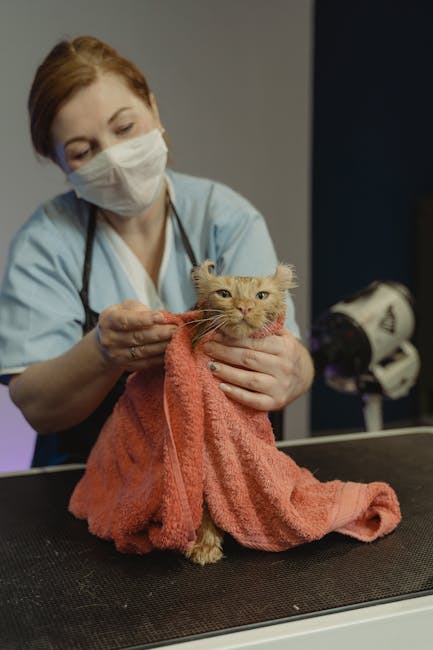
Limping in cats common causes and when to call a vet
Introduction
Limping in cats common causes and when to call a vet is a concern for many cat owners. Limping, or favouring one or more limbs, may cause discomfort and affect a cat’s mobility. While limping can occur in various animals, this article focuses primarily on cats, as they often hide pain and subtle signs can be missed.
Understanding the common causes of limping in cats helps owners recognise when veterinary attention is needed. Limping is often associated with injuries such as sprains, fractures, or soft tissue damage. Other causes may include infections, arthritis, or foreign objects lodged in the paw.
It is important to remember that this information does not replace a veterinary visit. Only a licensed veterinarian can diagnose the underlying cause of limping and recommend appropriate treatment. If your cat shows signs of limping, changes in behaviour, or persistent discomfort, consulting a veterinarian is advised.
- Limping may cause reduced activity or reluctance to jump
- Causes range from minor injuries to more serious conditions
- Early veterinary assessment can improve outcomes
Reviewed by SASI Vet Editorial Board.
What this condition is
Limping in cats common causes and when to call a vet refers to a situation where a cat favours one or more limbs, resulting in an abnormal gait or reluctance to put weight on a leg. This condition often indicates discomfort or pain in the affected limb.
Limping may involve the front or hind legs and can affect bones, joints, muscles, tendons, or ligaments. It is often associated with injuries such as sprains, fractures, or soft tissue damage, but can also develop gradually due to conditions like arthritis (joint inflammation) or infections.
Typically, limping develops over hours to days following trauma or may worsen slowly over weeks with chronic conditions. The severity and duration can vary widely depending on the underlying cause.
Common causes include:
- Minor injuries such as cuts, bruises, or nail damage
- Sprains or strains to muscles and ligaments
- Fractures or dislocations
- Arthritis or joint inflammation
- Infections affecting bones or soft tissues
- Foreign objects lodged in the paw
Because limping may indicate a range of health issues, veterinarians may recommend a thorough examination to determine the cause and appropriate treatment. Only a licensed veterinarian can diagnose and treat limping in cats safely and effectively.
Common causes
Limping in cats common causes and when to call a vet often relate to a variety of underlying issues. Limping is frequently associated with injury, infection, or inflammation affecting the limbs or paws. Understanding common causes can help pet owners recognise when veterinary advice is needed.
Injuries and trauma
Physical trauma such as falls, fights, or accidents may cause sprains, fractures, or bruising. These injuries often lead to limping and discomfort. Even minor wounds or punctures can result in pain or infection.
Infections and inflammation
Infections like abscesses, often from bite wounds, may cause swelling and pain. Joint inflammation, including arthritis, is another common cause, especially in older cats. These conditions may cause intermittent or persistent limping.
Other factors
- Foreign objects lodged in the paw pads
- Neurological conditions affecting limb function
- Congenital or developmental abnormalities
Because causes can be mixed or uncertain, veterinarians may recommend a thorough examination, diagnostic imaging, or laboratory tests to determine the exact reason for limping. Prompt veterinary assessment is important to ensure appropriate care and to prevent worsening of the condition.
Typical signs and symptoms
Limping in cats common causes and when to call a vet can vary widely, and pet owners may notice different signs depending on the underlying issue. Limping itself is often associated with discomfort or pain in one or more limbs, but the severity and accompanying symptoms can differ.
Mild signs
- Occasional favouring of one paw or leg
- Reduced activity or reluctance to jump
- Subtle changes in gait or posture
- Intermittent licking or grooming of a limb
More serious signs
- Persistent or worsening limping
- Swelling, heat, or visible wounds on a limb
- Reluctance to bear weight or use the limb at all
- Signs of distress such as vocalizing or hiding
Pet owners are encouraged to carefully observe and note any changes in their cat’s movement or behaviour. Keeping a record of When limping occurs, its severity, and any other symptoms can be helpful for a licensed veterinarian. Only a veterinarian can accurately diagnose the cause and recommend appropriate treatment, so timely veterinary consultation is important if limping persists or worsens.
When it is an emergency
Limping in cats common causes and when to call a vet can be challenging to determine at home. Some signs may cause concern and require immediate veterinary attention. Sudden, severe, or rapidly worsening symptoms are always reasons to seek urgent care.
Red flag signs to watch for include:
- Inability to bear weight on the affected limb
- Severe pain or vocalizing when the limb is touched
- Visible deformity, swelling, or open wounds
- Rapid onset of limping following trauma or injury
- Signs of systemic illness such as lethargy, vomiting, or collapse
If your cat shows any of these signs, veterinarians may recommend immediate evaluation at an emergency clinic. Prompt assessment can help diagnose fractures, infections, or other serious conditions that may require urgent treatment.
Remember, only a licensed veterinarian can accurately diagnose and treat your pet. When in doubt, it is safer to seek veterinary care rather than delay.
How veterinarians diagnose it
When addressing limping in cats common causes and when to call a vet, veterinarians begin with a thorough history and physical examination. Understanding the onset, duration, and any changes in the cat’s activity helps guide the diagnostic process.
History and Physical Exam
- Questions about recent injuries, outdoor access, or previous health issues
- Observation of the cat’s gait and weight-bearing on the affected limb
- Palpation of limbs to detect pain, swelling, or deformities
- Assessment of joints, muscles, and bones for abnormalities
Common Diagnostic Tests
Veterinarians may recommend several tests to identify the underlying cause of limping, including:
- Blood work to evaluate for infection or inflammation
- Imaging techniques such as X-rays or ultrasound to assess bones and soft tissues
- Joint fluid analysis if arthritis or infection is suspected
- Neurological examination to rule out nerve-related issues
These steps help veterinarians form a comprehensive understanding of the cat’s condition. It is important to remember that only a licensed veterinarian can diagnose and treat limping in cats safely and effectively.
Treatment options
When addressing limping in cats common causes and when to call a vet, veterinarians may recommend a variety of treatment approaches depending on the underlying issue. It is important to remember that only a licensed veterinarian can determine the most appropriate plan for each individual cat.
Medications and procedures
Treatment may include medications to manage pain or inflammation, as well as procedures to address injuries or infections. The choice of medication and its administration should always be guided by a veterinarian.
Dietary and home care
In some cases, dietary changes or supplements may support joint health and recovery. Home care strategies, such as limiting activity or providing a comfortable resting area, can also be beneficial during healing.
Monitoring and follow-up
- Regular veterinary check-ups to assess progress
- Adjustments to treatment based on response
- Observation for any new or worsening symptoms
Because limping can have many causes, from minor strains to more serious conditions, prompt veterinary evaluation is essential to ensure safe and effective care.
Home care and monitoring
After a veterinary visit for limping in cats common causes and when to call a vet have been discussed, pet owners may wonder how to safely care for their cat at home. While specific treatments should always be guided by a licensed veterinarian, general home care can support your cat’s comfort and recovery.
Monitoring your cat
Careful observation is important. You may want to:
- Watch for changes in limping severity or frequency
- Note any swelling, heat, or sensitivity around the affected limb
- Observe your cat’s activity level and willingness to move or jump
- Check for signs of pain such as vocalizing or hiding
Comfort measures
Providing a quiet, comfortable resting area can help reduce stress and encourage healing. Avoid forcing your cat to be active if it seems reluctant. Veterinarians may recommend limiting jumping or running until the cause of limping is better understood.
When to call the clinic again
If your cat’s limping worsens, if new symptoms develop, or if your cat appears to be in significant pain, it is important to contact your veterinarian promptly. Only a licensed professional can assess whether further examination or treatment is needed.
Prevention and long-term management
Understanding limping in cats common causes and when to call a vet can help pet owners take steps to reduce risks and manage the condition if it becomes chronic. While not all causes of limping are preventable, certain measures may lower the chance of injury or illness.
Reducing risk
- Regular vaccinations and parasite prevention to maintain overall health
- Providing a balanced diet to support healthy bones and joints
- Maintaining a healthy weight to reduce stress on limbs
- Supervising outdoor activity to minimise trauma or accidents
- Scheduling routine veterinary check-ups for early detection of issues
Long-term management
If limping is due to a chronic condition, veterinarians may recommend ongoing care tailored to the underlying cause. This could include controlled exercise, weight management, pain relief strategies, or physical therapy. Regular monitoring by a licensed veterinarian is essential to adjust treatment plans as needed and to ensure the cat’s comfort and mobility over time.
Living with a pet with this condition
Limping in cats common causes and when to call a vet can significantly affect a pet’s quality of life. Owners may notice changes in mobility, activity levels, or behaviour that suggest discomfort. While some cats adapt well, others may require adjustments to their daily routine.
Quality of life and lifestyle changes
Supporting a cat with limping often involves creating a safe and comfortable environment. This may include:
- Providing soft bedding in easily accessible areas
- Limiting jumping or climbing to reduce strain
- Ensuring litter boxes and food bowls are on stable, low surfaces
- Encouraging gentle play to maintain muscle tone without overexertion
Follow-up and communication
Regular veterinary follow-up is important to monitor the condition and adjust care as needed. Veterinarians may recommend periodic examinations or diagnostic tests to assess progress. Open communication with the veterinary team helps set realistic expectations and ensures timely intervention if the condition changes.
Remember, only a licensed veterinarian can diagnose and treat your pet. If you notice persistent limping or worsening symptoms, consult your veterinary professional promptly for advice tailored to your cat’s specific needs.
FAQs
What are common causes of limping in cats?
Limping in cats is often associated with injuries such as sprains, fractures, or wounds. Other causes may include arthritis, infections, or foreign objects lodged in the paw. Some cats may limp due to underlying neurological or systemic conditions.
When should I call a veterinarian about my cat’s limping?
If your cat shows persistent limping lasting more than 24 hours, severe pain, swelling, or inability to bear weight on a limb, it is important to consult a licensed veterinarian promptly. Sudden limping after trauma also warrants immediate veterinary attention.
Can limping in cats resolve without treatment?
Some minor injuries may improve with rest and limited activity. However, because limping may indicate a range of issues, veterinarians may recommend an examination to determine the cause and appropriate care. Avoid self-diagnosing or treating your cat without professional guidance.
How do veterinarians diagnose the cause of limping in cats?
Veterinarians typically perform a physical examination and may suggest diagnostic tests such as X-rays or blood work to identify the underlying cause. Accurate diagnosis helps guide effective treatment plans tailored to the individual cat.
What treatments might a veterinarian recommend for limping in cats?
- Rest and restricted activity
- Pain management strategies
- Wound care or infection control
- Physical therapy or supportive devices
Only a licensed veterinarian can determine the best approach based on the specific condition and needs of your cat.
Summary
Limping in cats common causes and when to call a vet is an important topic for pet owners to understand. Limping may cause discomfort or indicate an underlying issue that requires veterinary attention. Early recognition of limping and timely veterinary care can improve outcomes and help manage your cat’s health effectively.
Common causes of limping in cats include minor injuries, soft tissue strains, arthritis, or infections. While some cases may resolve with rest, others might need professional evaluation to prevent complications.
Key points to consider
- Observe your cat’s movement and behaviour closely for any signs of pain or favouring a limb.
- If limping persists for more than a day or worsens, veterinarians may recommend a thorough examination.
- Additional diagnostic tests might be needed to identify the exact cause.
- Veterinary care can help manage pain and support recovery through appropriate treatment plans.
Remember, only a licensed veterinarian can diagnose and treat your cat’s condition safely. Prompt attention and realistic expectations can help ensure the best possible care for your feline companion.
Further reading and resources
- American Veterinary Medical Association (AVMA) – Limping in Dogs and Cats
- Canadian Veterinary Medical Association (CVMA) – Limping in Cats
- World Small Animal Veterinary Association (WSAVA) – Orthopaedic Guidelines
- RSPCA – Limping in Cats
- UC Davis Veterinary Medical Teaching Hospital – Small Animal Orthopedics
Disclaimer: This article provides general information about pet health and does not replace professional veterinary advice. Always talk to a licensed veterinarian about your pet’s specific situation.