Pain relief after injury in pets

Share
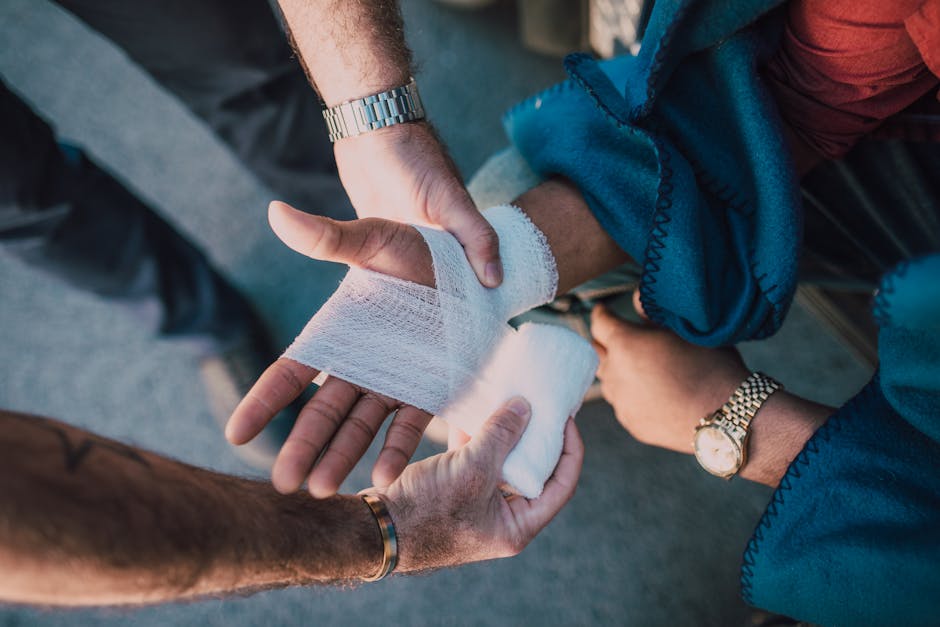
pain relief after injury in pets
Providing effective pain relief after injury in pets is a crucial aspect of veterinary care. When pets experience pain due to injury, it can affect their comfort, mobility, and overall well-being. Understanding the importance of managing pain helps pet owners support their animals during recovery and improves their quality of life.
It is essential to recognize that pain relief should always be guided by a veterinarian. Each pet’s needs are unique, and professional assessment ensures safe and appropriate care. This article is intended for educational purposes only and does not recommend specific medications or home treatments. Self-medicating or using unapproved remedies can be harmful and delay proper healing.
Veterinarians use their expertise to determine the best approach to managing pain, considering factors such as the type of injury, the pet’s health status, and potential side effects. If you suspect your pet is in pain after an injury, seeking prompt veterinary advice is the safest way to ensure effective relief and a smooth recovery process.
Reviewed by the SASI Vet Medications Editorial Board.
Introduction
Providing effective pain relief after injury in pets is a crucial aspect of veterinary care. When pets experience pain due to injury, it can affect their comfort, mobility, and overall well-being. Understanding the importance of managing pain helps pet owners support their animals during recovery and improves their quality of life.
It is essential to recognize that pain relief should always be guided by a veterinarian. Each pet’s needs are unique, and professional assessment ensures safe and appropriate care. This article is intended for educational purposes only and does not recommend specific medications or home treatments. Self-medicating or using unapproved remedies can be harmful and delay proper healing.
Veterinarians use their expertise to determine the best approach to managing pain, considering factors such as the type of injury, the pet’s health status, and potential side effects. If you suspect your pet is in pain after an injury, seeking prompt veterinary advice is the safest way to ensure effective relief and a smooth recovery process.
How pain may show up in dogs and cats
Recognizing pain relief after injury in pets begins with observing changes in their usual behavior. Pets often cannot tell us when they hurt, so subtle signs become important clues.
Changes in movement and posture
pets in pain may limp, hesitate to jump or climb stairs, or move more slowly. They might hold a limb differently or avoid putting weight on it. Some animals adopt unusual postures to reduce discomfort.
Appetite and grooming habits
A decrease in appetite or reluctance to eat can indicate discomfort. Cats and dogs may also groom less or excessively lick a painful area, which can be a sign of irritation or soreness.
Mood and sleep patterns
Look for increased irritability, withdrawal, or vocalizations such as whining or growling. Changes in sleep, including restlessness or sleeping more than usual, can also suggest pain.
Observing these signs and discussing them with your veterinarian is essential for ensuring your pet’s comfort and safety during recovery. Always seek professional advice for appropriate pain relief after injury in pets.
Why pain relief should be veterinary-guided
When it comes to pain relief after injury in pets, it’s important to understand that animals process medications very differently than humans. What might be safe for a person can be harmful or even life-threatening for a pet. Each animal’s response to pain relief depends on factors such as their species, age, overall health, and the nature of their injury.
The risks of self-medicating
Giving your pet medication without veterinary guidance can lead to serious complications. Pets may experience adverse reactions, overdose, or interactions with other treatments they are receiving. Additionally, some medications that are safe for one pet might be dangerous for another, especially if they have underlying health issues.
Why veterinary guidance matters
A veterinarian can assess your pet’s specific needs and recommend the safest and most effective pain relief plan. This ensures that your pet’s comfort is managed responsibly while minimizing risks. Always consult your veterinarian before administering any pain relief after injury in pets to protect their health and well-being.
Common categories of pain relief in veterinary medicine
When managing pain relief after injury in pets, veterinarians consider several categories of medications and therapies to ensure comfort and safety. The choice of pain relief depends on the type and severity of the injury, the pet’s overall health, and any underlying conditions. It is important to understand that not all pain relief options are suitable for every animal, and professional guidance is essential.
Nonsteroidal anti-inflammatory drugs (NSAIDs)
These are commonly used to reduce inflammation and alleviate mild to moderate pain. They work by targeting the body’s inflammatory response, helping pets feel more comfortable during recovery.
Opioid analgesics
For more severe pain, veterinarians may consider stronger pain relief options that act on the nervous system to provide effective control. These are typically used under close supervision due to potential side effects.
Adjunctive therapies
Additional approaches, such as local anesthetics or alternative therapies, may be incorporated to enhance pain management. Each option is tailored to the individual pet’s needs.
Always consult a veterinarian before administering any pain relief after injury in pets to ensure safe and appropriate care.
Why human pain medicines can be dangerous for pets
When it comes to pain relief after injury in pets, it’s important to understand that medications designed for humans can be harmful or even life-threatening to animals. Pets metabolize drugs differently, and substances that are safe for people may cause serious side effects in dogs, cats, and other animals.
Risks of giving human pain medicines to pets
Some human pain medicines can lead to stomach ulcers, kidney damage, liver failure, or toxic reactions in pets. Even small amounts can be dangerous, and symptoms of poisoning might not appear immediately. Because of these risks, never give your pet any human pain medication unless specifically instructed by a veterinarian.
Safe pain relief options
If your pet is injured or in pain, the best course of action is to consult your veterinarian. They can recommend safe and effective pain relief options tailored to your pet’s needs. Prompt professional guidance ensures your pet’s comfort and safety without risking harmful side effects.
What to do if you think your pet is in pain
Recognizing when your pet is in discomfort is important for their well-being. If you suspect your pet needs pain relief after injury in pets, the first step is to create a calm and safe environment. Limit their activity to prevent further injury and avoid encouraging movement that could worsen their condition.
Keep your pet comfortable
Provide a soft, quiet resting area where your pet can relax without disturbance. Avoid handling or moving them unnecessarily, as this can increase stress and pain. Observe their behavior closely for signs of distress or worsening symptoms.
When to contact a veterinarian
It is essential to reach out to your veterinarian promptly for professional advice. They can assess your pet’s condition and recommend appropriate care. Never give your pet any medication without veterinary guidance, as some human or over-the-counter drugs can be harmful to animals.
Remember, your attentive care and timely veterinary support are key to helping your pet recover safely and comfortably.
Safety during prescribed pain relief
Ensuring safety during pain relief after injury in pets is essential for their recovery and well-being. Always follow your veterinarian’s directions carefully when administering any prescribed pain relief. Avoid combining different products unless explicitly approved by your vet, as this can lead to harmful interactions or side effects.
Keep a detailed medication list
Maintain an up-to-date list of all medications your pet is receiving, including any supplements or over-the-counter products. This helps your veterinarian monitor for potential interactions and adjust treatment if necessary.
Monitor your pet closely
Watch for any changes in behavior, appetite, or physical condition while your pet is on pain relief. Unusual signs should be reported promptly to your veterinarian to ensure safe and effective care.
Communicate openly with your veterinarian
Never hesitate to ask questions about your pet’s pain relief plan. Clear communication helps prevent mistakes and supports your pet’s comfort and safety throughout recovery.
When pain may be an emergency
Recognizing when your pet’s discomfort requires immediate veterinary attention is important for their safety and well-being. While many injuries can be managed with appropriate care, certain signs indicate the need for urgent evaluation.
Signs to watch for
- Collapse or loss of consciousness: If your pet suddenly collapses or becomes unresponsive, seek emergency care promptly.
- Severe breathing difficulty: Labored, rapid, or noisy breathing can signal a serious problem needing immediate attention.
- Uncontrolled bleeding: Bleeding that does not stop with gentle pressure requires urgent veterinary help.
- Inability to stand or walk: Sudden weakness or paralysis may indicate a critical injury or condition.
- Severe distress or vocalization: Intense pain signs such as constant crying, restlessness, or aggression should not be ignored.
When considering pain relief after injury in pets, it’s essential to consult your veterinarian before administering any treatment. Prompt professional assessment ensures your pet receives safe and effective care tailored to their needs.
Questions pet owners often ask (FAQs)
How can I tell if my pet is in pain after an injury?
Pets often show subtle signs of discomfort such as limping, decreased activity, changes in appetite, or unusual vocalizations. Observing your pet closely and noting any behavioral changes can help you recognize if they might be experiencing pain after an injury.
Is it safe to give my pet over-the-counter pain relief?
Many human pain relief products can be harmful or even toxic to pets. It is important to never give your pet any medication without consulting a veterinarian first to ensure their safety and well-being.
What should I do immediately after my pet gets injured?
Keeping your pet calm and restricting movement can help prevent further injury. Applying gentle cold compresses may reduce swelling, but it’s essential to seek veterinary advice promptly for appropriate care and pain management.
When should I contact a veterinarian about pain relief after injury in pets?
If your pet shows signs of persistent pain, swelling, difficulty moving, or any worsening symptoms, it’s important to reach out to a veterinarian. Professional guidance ensures your pet receives safe and effective pain relief tailored to their specific needs.
Are there non-medication options to help my pet feel more comfortable?
Supportive care such as providing a soft resting area, gentle massage, and minimizing stress can aid comfort. However, these should complement veterinary recommendations rather than replace professional pain management strategies.
Working with your veterinarian
Ensuring effective pain relief after injury in pets requires close collaboration with your veterinarian. Open communication is essential to develop a safe and appropriate plan tailored to your pet’s specific needs. Always share your pet’s full medical history, including any current medications, supplements, or chronic health conditions, as these factors can influence treatment choices and safety.
Importance of follow-up visits
Regular follow-up appointments allow your veterinarian to monitor your pet’s progress and adjust the pain management approach as needed. These visits help identify any side effects or changes in your pet’s condition, ensuring the chosen methods remain effective and safe.
Sharing observations at home
Your observations at home are invaluable. Noticing changes in behavior, appetite, or mobility can provide critical information for your veterinarian to assess how well your pet is responding to pain relief strategies. Promptly reporting concerns helps prevent complications and supports your pet’s comfort and recovery.
Remember, never administer any medication without veterinary guidance. Working together with your veterinarian is the best way to support your pet’s healing and well-being after an injury.
Summary
Providing effective pain relief after injury in pets is essential for their comfort and recovery. However, managing pain in animals requires careful consideration and should always be guided by a veterinarian. Each pet’s needs are unique, and what works for one may not be safe or effective for another. Self-medicating pets can lead to serious health risks, including adverse reactions or worsening of the injury.
Veterinarians assess the type and severity of the injury, the pet’s overall health, and other factors before recommending appropriate pain management strategies. These may include a combination of approaches tailored specifically to the individual animal. Monitoring your pet closely and communicating any changes in behavior or symptoms to your veterinarian is crucial for adjusting care as needed.
Remember, your pet’s safety and well-being come first. Always seek professional advice rather than attempting to treat pain on your own. Responsible pain relief after injury in pets helps ensure a smoother recovery and a better quality of life during healing.
- American Veterinary Medical Association (AVMA)
- American Animal Hospital Association (AAHA)
- International Veterinary Academy of Pain Management (IVAPM)
- World Small Animal Veterinary Association (WSAVA)
- Veterinary Information Network (VIN)
Disclaimer: This article provides general information about pain relief in pets and does not replace professional veterinary advice. Do not give any medication to your pet unless directed by a licensed veterinarian.