

Pets That Dislike Brushing

Share
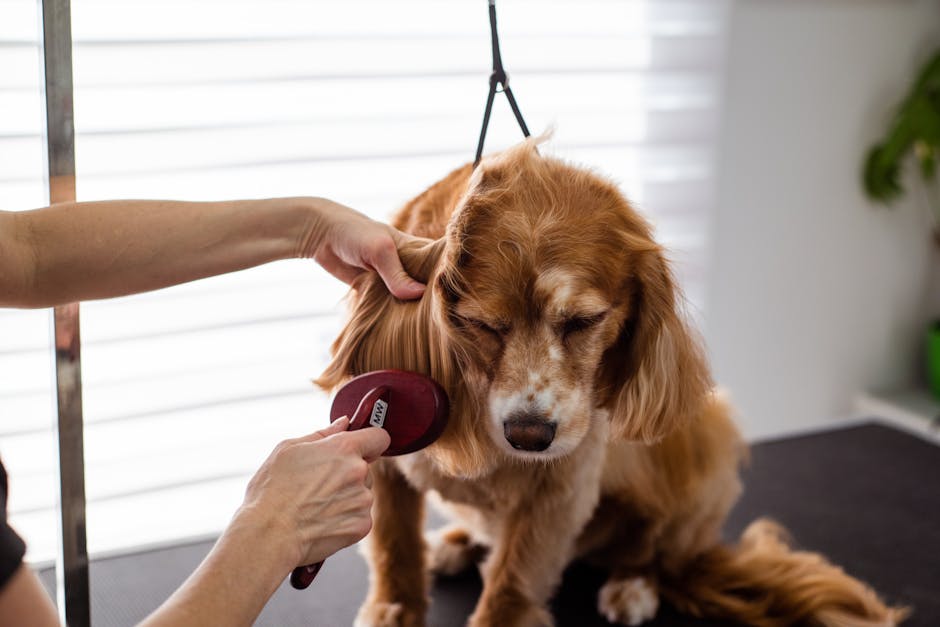
Pets That Dislike Brushing
Introduction
Grooming is an essential part of pet care for dogs and cats, contributing to their overall comfort and hygiene. However, some pets that dislike brushing may find the experience stressful. It’s important to approach grooming with patience and understanding, as it can help strengthen the bond between you and your furry friend.
Regular grooming not only keeps your pet’s coat looking its best but also allows you to check for any changes in their skin or coat that may require attention. This gentle practice can help you notice any unusual lumps, bumps, or irritations early on, ensuring your pet stays healthy and happy.
While this article aims to highlight the importance of grooming, it does not provide medical instructions or treatment advice. If your pet is particularly resistant to brushing or shows signs of distress, seeking the help of a professional groomer can make a world of difference. They are trained to handle pets that dislike brushing and can offer a safe and comfortable grooming experience for your beloved companion.
Reviewed by the SASI Vet Care & Grooming Editorial Board.
Why Regular Grooming Matters
Regular grooming is essential for all pets, including those that dislike brushing. It plays a vital role in maintaining their overall coat health and well-being. A well-groomed coat helps to reduce shedding, which can be a relief for pet owners and keeps your home cleaner. Additionally, grooming can help control odors, ensuring your furry friend smells fresh and clean.
Beyond aesthetics, regular grooming sessions provide an excellent opportunity for pet owners to bond with their pets. This time spent together can help build trust and make future grooming experiences more enjoyable, even for pets that dislike brushing. Moreover, during these sessions, you can keep an eye out for any changes in your pet’s skin or coat, such as lumps or mats, which can be important for their health.
Incorporating Gentle grooming practices can make the experience more pleasant for your pet. Remember, the goal is to create a positive association with grooming, which can lead to a happier and healthier pet. Regular grooming is not just about looks; it’s about caring for your pet’s overall well-being.
Understanding Your Pet’s Coat and grooming needs
Every pet has a unique coat type that influences their grooming needs, especially for those pets that dislike brushing. Understanding these differences can help you create a more comfortable grooming experience for your furry friend.
Short-haired pets typically require less frequent brushing, as their coats shed less and are easier to maintain. However, they still benefit from occasional brushing to remove loose hair and keep their skin healthy.
Long-haired pets often need more regular grooming to prevent tangles and mats. Their flowing coats can trap dirt and debris, so gentle brushing can help keep them clean and comfortable.
Double-coated pets have a dense undercoat and a longer outer coat. These coats shed seasonally, which means they may need more frequent brushing during shedding periods to manage loose fur and maintain a healthy coat.
Curly-coated pets may require specialized grooming techniques to keep their curls looking their best. Regular brushing can help prevent matting and keep their coat soft and fluffy.
By understanding your pet’s coat type, you can tailor your grooming routine to suit their needs, making the experience more enjoyable for both of you.
Brushing Basics
Brushing is an essential part of pet care, especially for pets that dislike brushing. It can be a wonderful bonding experience when approached with patience and gentleness. Regular brushing helps to reduce tangles and minimize shedding, making your home a more comfortable place for both you and your furry friend.
When you brush your pet, you are not only helping to keep their coat healthy but also promoting good skin health by stimulating natural oils. This can lead to a shinier, more vibrant coat. For pets that may be sensitive to brushing, it’s important to create a calm environment. Soft, soothing words and gentle strokes can help them feel more at ease.
Over time, with consistent and gentle brushing, your pet may begin to associate this activity with positive experiences. This can lead to a more enjoyable grooming routine for both of you. Remember, the goal is to make brushing a pleasant experience, fostering trust and comfort between you and your beloved pet.
Bathing Considerations
Bathing your furry friend can be a delightful experience, especially for pets that dislike brushing. It’s essential to create a calm and soothing environment to help them feel at ease. Start by using warm water, as it can be more comforting for your pet. Ensure the temperature is just right, avoiding anything too hot or cold.
When selecting bathing products, always opt for pet-safe options that are gentle on their skin and coat. This helps to prevent any irritation and keeps their fur looking healthy and shiny. Remember, the goal is to make bath time enjoyable, so take your time and speak softly to your pet throughout the process.
After bathing, drying your pet thoroughly is crucial. A gentle towel can help absorb excess water, and if your pet is comfortable, a low setting on a pet-safe dryer can assist in the drying process. Always monitor your pet’s comfort level and adjust your approach as needed. With patience and care, bath time can become a positive routine for both you and your beloved companion.
Nail Care Awareness
Nail maintenance is an essential aspect of pet care that often goes overlooked. Just like humans, pets need their nails to be kept at a healthy length to ensure their comfort and well-being. Long nails can lead to discomfort, difficulty walking, and even potential injuries. It’s important to regularly check your pet’s nails, especially if they are pets that dislike brushing, as they may not be as accustomed to regular handling.
Signs that your pet’s nails might need attention include excessive clicking sounds on hard surfaces, difficulty in walking or running, or visible discomfort when they are standing. If you notice any of these signs, it may be time to consider a nail trim. However, if you feel uncertain about how to proceed, seeking the help of a professional groomer or veterinarian is always a wise choice. They can provide a safe and gentle experience for your furry friend, ensuring that their nails are well cared for without causing any stress. Remember, maintaining your pet’s nails is a vital part of their overall health and happiness.
Ear and Paw Hygiene
Maintaining ear and paw hygiene is essential for the overall comfort of your furry friends, especially for pets that dislike brushing. Regularly checking these areas can help you notice any changes that might indicate discomfort or irritation. Ears can accumulate dirt and wax, which may lead to feelings of unease if left unattended. Similarly, paws are often exposed to various surfaces and elements that can affect their well-being.
By being attentive to your pet’s ears and paws, you create an opportunity for bonding and trust. This gentle approach can help your pet feel more secure, even if they are not fond of brushing. Observing these areas can also provide insight into your pet’s health, allowing you to notice any unusual signs that may require further attention.
Remember, the goal is to foster a positive experience for your pet. Regular checks can help ensure that they remain comfortable and happy, making your time together more enjoyable. Emphasizing ear and paw hygiene is a wonderful way to show your love and care for your beloved companion.
Helping Anxious Pets during grooming
Grooming can be a challenging experience for pets that dislike brushing. Creating a calm and inviting environment is essential to help them feel more at ease. Start by choosing a quiet space where your pet feels safe and comfortable. Soft lighting and soothing music can also contribute to a relaxing atmosphere.
Consider keeping grooming sessions short and sweet. This approach allows your pet to gradually acclimate to the process without feeling overwhelmed. You might begin with just a few minutes of gentle brushing, gradually increasing the time as your pet becomes more comfortable.
Pairing grooming with positive experiences can make a significant difference. Offering treats, praise, or gentle petting during and after grooming can help your pet associate the experience with something enjoyable. This positive reinforcement can encourage a more relaxed attitude towards brushing over time.
Remember, patience is key. Every pet is unique, and it’s important to go at their pace. With a little love and understanding, you can help your furry friend feel more comfortable during grooming sessions.
When to Seek Professional Grooming
Grooming is an essential part of pet care, but there are times when seeking the help of a professional groomer is the best choice, especially for pets that dislike brushing. If your furry friend has developed severe mats in their coat, it can be uncomfortable for them and challenging for you to manage at home. A professional groomer has the experience and gentle techniques to handle these situations safely.
Additionally, if your pet shows signs of anxiety during grooming sessions, a professional can provide a calm environment tailored to their needs. Groomers are trained to work with anxious pets, helping them feel more at ease while ensuring their grooming needs are met.
Some coat types can be particularly challenging to maintain, requiring specialized knowledge and care. In these cases, a groomer can offer the expertise needed to keep your pet’s coat healthy and looking its best. Remember, seeking professional help is a loving choice that prioritizes your pet’s comfort and well-being.
FAQs
Q: What can I do if my pet dislikes brushing?
A: It’s common for pets that dislike brushing to feel anxious or uncomfortable. Start by creating a calm environment and introducing the brush gradually. Allow your pet to sniff the brush and reward them with treats for positive interactions.
Q: How often should I brush my pet?
A: The frequency of brushing can depend on your pet’s coat type. Generally, regular brushing helps reduce shedding and keeps their coat healthy. Consult with a grooming professional for personalized advice based on your pet’s needs.
Q: Are there alternatives to brushing for pets that dislike it?
A: Yes! There are various grooming options available, such as using grooming gloves or soft cloths to help remove loose fur. These alternatives can be less intimidating for pets that dislike brushing.
Q: How can I make grooming a positive experience?
A: Making grooming a fun and rewarding experience is key. Use treats, praise, and gentle petting to create a positive association. Short, frequent sessions can also help your pet become more comfortable over time.
Summary
Grooming is an essential part of pet care, promoting not only cleanliness but also comfort and wellness. However, some pets that dislike brushing may find the experience stressful. It’s important to approach grooming with patience and understanding, creating a positive environment that encourages your furry friend to feel safe and relaxed.
To help pets that dislike brushing, consider introducing grooming gradually. Start with short sessions, allowing your pet to become accustomed to the brush without feeling overwhelmed. Use gentle strokes and offer plenty of praise and treats to create a positive association with the grooming process. Remember, the goal is to make grooming a bonding experience rather than a chore.
Additionally, exploring alternative grooming methods, such as using your hands or a soft cloth, can be beneficial for pets that are particularly sensitive. Always pay attention to your pet’s body language, and if they seem uncomfortable, take a step back and try again later. With time and patience, grooming can become a cherished routine that enhances your pet’s overall well-being.
- American Kennel Club (AKC)
- PetMD
- The Humane Society of the United States
- ASPCA
- International Association of Animal Behavior Consultants (IAABC)
Disclaimer: This article provides general grooming information and does not replace professional care.



