Planning veterinary care when traveling with pets

Share
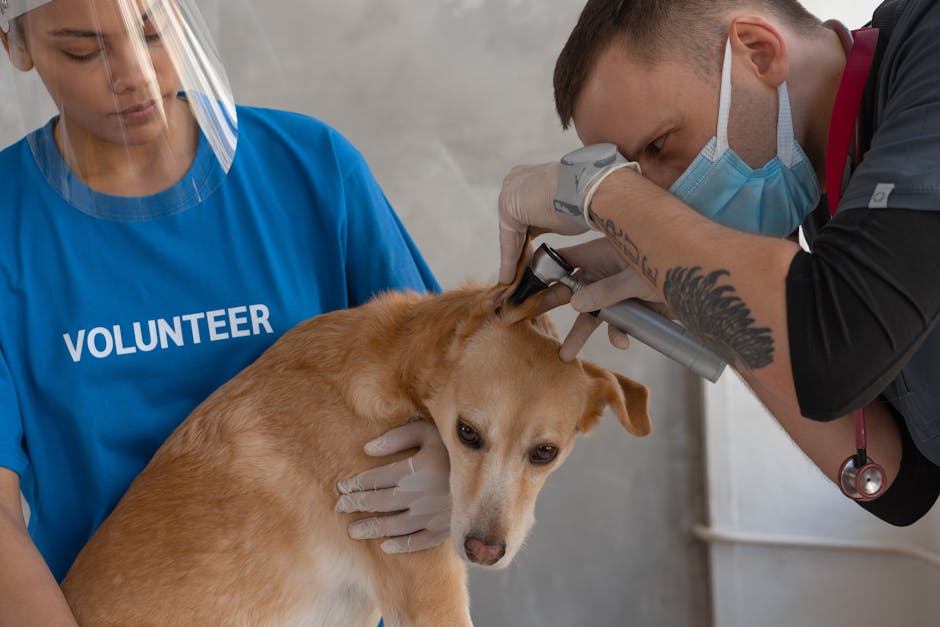
planning veterinary care when traveling with pets
Planning veterinary care when traveling with pets is an essential aspect of ensuring their health and comfort throughout the journey. One important consideration is managing pain relief, which can arise from various causes such as injury, surgery, or chronic conditions. It is crucial to understand that pain management should always be guided by a qualified veterinarian to ensure safety and effectiveness.
This article serves as an educational resource to highlight the importance of veterinary oversight in pain relief for traveling pets. It does not recommend specific medications or home treatments, as improper use can lead to serious health risks. Instead, pet owners are encouraged to consult their veterinarian before travel to discuss any potential pain management needs and to develop a safe plan tailored to their pet’s unique health status.
By prioritizing professional veterinary guidance, pet owners can help minimize discomfort and promote well-being during travel. Proper planning and communication with a veterinarian are key steps in providing responsible care and ensuring a positive experience for both pets and their owners.
Reviewed by the SASI Vet Medications Editorial Board.
How pain may show up in dogs and cats
When planning veterinary care when traveling with pets, it’s important to recognize how pain might present in your dog or cat. Pets often cannot tell us when they hurt, so observing changes in their behavior and appearance is key.
Changes in Movement and Posture
pets in pain may move more slowly, limp, or avoid putting weight on a limb. You might notice stiffness, reluctance to jump or climb, or a hunched posture. These subtle signs can indicate discomfort even if your pet tries to hide it.
Appetite and Grooming
A decrease in appetite or refusal to eat can be a sign of pain. Cats and dogs may also groom less or excessively lick a specific area, which can signal irritation or soreness.
Mood and Sleep Patterns
Changes in mood such as increased irritability, withdrawal, or vocalizing more than usual may suggest discomfort. Additionally, pets might sleep more or have restless sleep when experiencing pain.
Being attentive to these signs helps ensure your pet receives timely veterinary care, especially when traveling, to keep them comfortable and safe.
Why pain relief should be veterinary-guided
When it comes to pain relief for pets, it’s important to understand that animals process medications very differently than humans. What might be safe for a person can be harmful or even life-threatening to a pet. This is why planning veterinary care when traveling with pets is essential to ensure their safety and comfort.
Individualized care is key
Each pet’s health, age, and specific situation influence how they respond to pain relief options. A veterinarian can assess these factors and recommend the safest approach tailored to your pet’s needs. Without professional guidance, self-medicating can lead to serious complications, including adverse reactions or ineffective pain management.
Risks of self-medicating
Administering medications without veterinary advice can cause unintended harm. Pets may experience toxic effects, allergic reactions, or interactions with other treatments they are receiving. Additionally, improper dosing can worsen their condition rather than improve it.
For these reasons, always consult a veterinarian before giving any pain relief to your pet, especially when traveling. This ensures your companion’s well-being and helps you enjoy your journey with peace of mind.
Common categories of pain relief in veterinary medicine
When planning veterinary care when traveling with pets, it is important to understand that veterinarians may use various categories of pain relief to ensure your pet’s comfort and safety. The choice of pain management depends on the specific diagnosis, the type and severity of pain, and the overall health of the animal.
Non-opioid analgesics
These are often used for mild to moderate pain and inflammation. They can help reduce discomfort associated with injuries or chronic conditions.
Opioid analgesics
For more severe pain, veterinarians may consider stronger pain relief options that require careful monitoring due to potential side effects.
Adjunctive therapies
Additional methods such as local anesthetics or other supportive treatments may be incorporated to enhance pain control and improve recovery.
Always consult your veterinarian before administering any pain relief to your pet, especially when traveling. Proper planning veterinary care when traveling with pets ensures that pain management is safe, effective, and tailored to your pet’s unique needs.
Why human pain medicines can be dangerous for pets
When planning veterinary care when traveling with pets, it’s important to understand that many human pain medicines can be harmful or even toxic to animals. Pets metabolize substances differently than humans, and medications that are safe for people may cause serious side effects in dogs, cats, and other animals.
Risks of giving human pain medicines to pets
Some human pain medications can lead to stomach ulcers, kidney damage, liver problems, or dangerous changes in blood pressure and heart rate in pets. Even small amounts can be risky, and the effects may not be immediately obvious. Because of these dangers, it’s crucial never to give your pet any human pain medicine unless specifically directed by a veterinarian.
Safe planning for pet pain management during travel
If your pet needs pain relief while traveling, consult your veterinarian beforehand. They can recommend safe options and help you prepare for any medical needs during your trip. Proper planning veterinary care when traveling with pets ensures their comfort and safety without risking harmful side effects from inappropriate medications.
What to do if you think your pet is in pain
If you suspect your pet is experiencing pain, it’s important to take calm and careful steps to ensure their comfort and safety. First, try to restrict their activity to prevent further injury or discomfort. Avoid encouraging your pet to move around excessively or jump, as this can worsen their condition.
Keep your pet comfortable
Provide a quiet, soft resting area where your pet can relax without disturbance. Make sure they have easy access to water and a familiar environment to reduce stress. Avoid handling or moving your pet unnecessarily, especially if they seem reluctant or in distress.
Contact your veterinarian promptly
Planning veterinary care when traveling with pets is essential, especially if pain arises unexpectedly. Reach out to your veterinarian as soon as possible for advice tailored to your pet’s situation. They can guide you on the best next steps and whether your pet needs to be seen immediately.
Remember, never attempt to treat your pet’s pain on your own without professional guidance. Prompt veterinary consultation ensures your pet receives the safest and most appropriate care.
Safety during prescribed pain relief
When planning veterinary care when traveling with pets, ensuring safe use of prescribed pain relief is essential. Always follow your veterinarian’s directions carefully to avoid complications. Never combine different pain relief products unless explicitly approved by your vet, as this can lead to harmful interactions.
Keep a detailed medication list
Maintain an up-to-date list of all medications your pet is receiving. This helps you track doses and provides important information if you need to consult a veterinarian while away from home.
Monitor your pet closely
Watch for any changes in your pet’s behavior, appetite, or physical condition during treatment. If you notice anything unusual or concerning, contact your veterinarian promptly for advice.
Ask questions and communicate
Never hesitate to ask your veterinarian questions about your pet’s pain relief plan. Clear communication ensures you understand how to administer medications safely and recognize when professional care is needed.
By prioritizing these safety principles, you can help your pet stay comfortable and protected while traveling and receiving veterinary care.
When pain may be an emergency
Planning veterinary care when traveling with pets involves being aware of signs that indicate urgent attention is needed. While some discomfort can be managed calmly, certain symptoms require prompt evaluation by a veterinarian to ensure your pet’s safety and comfort.
Red flags to watch for include:
- Collapse or loss of consciousness: If your pet suddenly collapses or becomes unresponsive, seek emergency care immediately.
- Severe breathing difficulty: Labored, rapid, or noisy breathing can signal a serious problem that needs urgent assessment.
- Uncontrolled bleeding: Bleeding that does not stop with gentle pressure should be addressed promptly to prevent complications.
- Inability to stand or walk: Sudden weakness or paralysis can indicate a critical issue requiring immediate veterinary attention.
- Severe distress or pain: Signs such as continuous crying, restlessness, or aggressive behavior may mean your pet is in significant discomfort.
Recognizing these signs early and seeking veterinary care without delay is an important part of planning veterinary care when traveling with pets. Staying calm and prepared helps ensure your pet receives the care they need in any situation.
Questions pet owners often ask (FAQs)
How can I safely manage my pet’s pain while traveling?
Planning veterinary care when traveling with pets involves consulting your veterinarian before the trip. They can provide guidance on recognizing signs of discomfort and recommend safe options to keep your pet comfortable during travel.
What signs of pain should I watch for in my pet on a trip?
Common signs include limping, whimpering, restlessness, or changes in appetite and behavior. If you notice any of these, it’s important to seek veterinary advice promptly to ensure your pet’s well-being.
Is it safe to give my pet pain relief medications without veterinary advice?
It is not safe to administer any pain relief medications without veterinary guidance. Some medications can be harmful or interact with other treatments, so always consult a professional before giving your pet anything.
What should I do if my pet seems in pain while away from home?
If your pet shows signs of pain during travel, contact a local veterinarian as soon as possible. Early intervention can prevent complications and help maintain your pet’s comfort and safety.
How can I prepare my pet for a comfortable trip?
Discuss your travel plans with your veterinarian to develop a care strategy tailored to your pet’s needs. This preparation helps ensure your pet remains as comfortable and stress-free as possible throughout the journey.
Working with your veterinarian
Planning veterinary care when traveling with pets is an important step to ensure their health and comfort throughout your journey. Before you travel, it’s essential to have an open conversation with your veterinarian about your pet’s specific needs. Sharing a complete medical history, including any chronic conditions, current medications, and supplements, helps your veterinarian provide tailored advice and prepare for any potential concerns.
Collaborate on a care plan
Your veterinarian can guide you on how to monitor your pet’s well-being during travel and recommend any necessary precautions. Regular follow-ups before and after your trip can help catch any issues early and maintain your pet’s health. This collaboration also allows your veterinarian to update records and adjust care plans as needed.
Prepare for emergencies
Discussing emergency protocols and identifying veterinary clinics along your travel route can provide peace of mind. Your veterinarian can advise on signs to watch for that may require immediate attention, ensuring you’re prepared to act quickly if needed.
By working closely with your veterinarian, you can help make traveling a safe and positive experience for your pet.
Summary
Planning veterinary care when traveling with pets is essential to ensure their comfort and safety throughout the journey. Pets may experience stress, discomfort, or pain due to changes in environment, movement, or underlying health conditions. While pain relief is an important aspect of their care, it must always be individualized and guided by a veterinarian. Self-medicating pets can lead to serious health risks, including adverse reactions or interactions with other treatments.
Before traveling, consult your veterinarian to discuss your pet’s specific needs and any potential health concerns. Your veterinarian can provide advice tailored to your pet’s condition and recommend safe options to manage pain or discomfort during travel. Monitoring your pet closely for signs of distress or pain is also crucial, as early intervention can prevent complications.
Remember, the goal is to keep your pet comfortable and safe without risking their health through unsupervised medication. Proper planning and veterinary guidance are the best ways to support your pet’s well-being when traveling.
- American Veterinary Medical Association (AVMA)
- American Animal Hospital Association (AAHA)
- International Association for Animal Hospice and Palliative Care (IAAHPC)
- World Small Animal Veterinary Association (WSAVA)
- Veterinary Information Network (VIN)
Disclaimer: This article provides general information about pain relief in pets and does not replace professional veterinary advice. Do not give any medication to your pet unless directed by a licensed veterinarian.