Preventing behavioral issues in cats with enrichment routines

Share
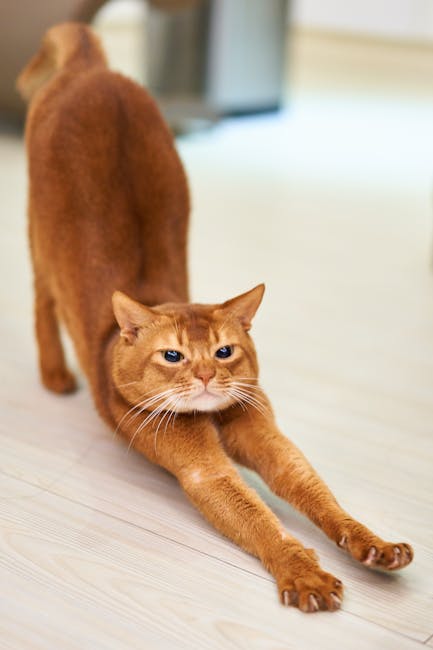
Preventing behavioral issues in cats with enrichment routines
Introduction
Preventing behavioral issues in cats with enrichment routines is an important part of keeping your feline friend happy and healthy. This advice applies to cats of all ages, from playful kittens to senior cats. Providing mental and physical stimulation through enrichment can help reduce stress, boredom, and unwanted behaviours.
While enrichment routines support your cat’s well-being and may lower the risk of behavioural problems, they do not guarantee perfect health or behaviour. Every cat is unique, and some may still experience challenges despite preventive efforts.
Remember, this information is meant to guide you in supporting your cat’s behaviour and does not replace professional veterinary advice. It’s always best to work with your veterinarian to develop a preventive care plan tailored to your cat’s individual needs.
Reviewed by SASI Vet Preventive Care Editorial Board.
Why preventive care matters
Preventing behavioral issues in cats with enrichment routines is an important part of keeping your feline friend healthy and happy over the long term. Providing mental and physical stimulation helps reduce stress and boredom, which are common triggers for unwanted behaviours such as scratching, aggression, or inappropriate elimination.
Regular enrichment activities can contribute to your cat’s overall well-being by:
- Lowering the risk of stress-related health problems, including urinary tract issues and obesity
- Improving mood and reducing anxiety, which supports a better quality of life
- Minimizing the chance of sudden behavioural changes that might lead to emergency veterinary visits
Every cat is unique, so it’s best to work with your veterinarian to develop an enrichment plan tailored to your pet’s needs and lifestyle. This preventive care approach not only supports your cat’s physical health but also strengthens your bond and helps prevent serious complications down the road.
How this preventive measure works
Preventing behavioral issues in cats with enrichment routines involves providing mental and physical stimulation that meets your cat’s natural instincts. Just like people, cats need activities that challenge their minds and bodies to stay happy and healthy. Without enough stimulation, cats may develop unwanted behaviours such as scratching furniture, excessive vocalization, or aggression.
Enrichment routines can include a variety of activities and environmental changes, such as:
- Interactive play with toys that mimic hunting behaviours
- Providing climbing structures and hiding spots
- Rotating toys to keep interest high
- Offering puzzle feeders to encourage problem-solving
- Creating a safe outdoor space or window views for natural stimulation
These activities help reduce stress and boredom, which are common triggers for behavioural problems. By regularly engaging your cat in enrichment, you support their emotional well-being and reduce the likelihood of issues developing.
It’s important to work with your veterinarian to develop a preventive care plan tailored to your cat’s individual needs and lifestyle. Your vet can help you choose the best enrichment strategies and ensure your cat’s overall health is monitored alongside behavioural care.
Which pets need it most
Preventing behavioral issues in cats with enrichment routines is beneficial for many feline companions, but some cats may gain particular advantage from these strategies. Enrichment helps support mental and physical health, reducing stress and unwanted behaviours.
Cats who may benefit most include:
- Indoor-only cats: Without outdoor stimulation, indoor cats can become bored or frustrated, making enrichment essential to keep them engaged.
- Young and adolescent cats: Energetic kittens and teenagers often need extra outlets for play and exploration to develop healthy habits.
- Senior cats: Older cats may enjoy gentle enrichment that encourages movement and mental activity, helping maintain quality of life.
- Cats in multi-pet households: Enrichment can reduce tension and competition by providing individual outlets for each cat.
- Cats with existing health or behavioural concerns: Tailored enrichment may support wellbeing, but should always be planned with veterinary guidance.
Every cat is unique. A veterinarian can help design an enrichment routine that fits your cat’s age, lifestyle, environment, and health needs to effectively prevent behavioural issues and promote happiness.
What pet owners should look out for
Preventing behavioral issues in cats with enrichment routines is a proactive way to support your cat’s well-being. While enrichment can be very effective, it’s important to watch for signs that your cat may need adjustments to their routine or additional support.
Some behaviours or changes to monitor include:
- Increased scratching of furniture or other inappropriate areas
- Excessive vocalization or sudden changes in meowing patterns
- Hiding more often or avoiding interaction with family members
- Changes in litter box habits, such as urinating outside the box
- Restlessness, pacing, or repetitive behaviours like over-grooming
- Loss of interest in play or enrichment activities
These signs can indicate that your cat’s enrichment routine may need to be adjusted or that other factors are affecting their behaviour. Remember, every cat is unique, and what works well for one may not suit another.
Always discuss any concerns or behavioural changes with your veterinarian. They can help tailor a preventive care plan that includes enrichment strategies suited to your cat’s individual needs and ensure your pet stays happy and healthy.
Role of the veterinarian
Preventing behavioral issues in cats with enrichment routines is an important part of your cat’s overall well-being. Your veterinarian plays a key role in planning and managing preventive care to support both physical health and behavioural wellness.
During regular visits, your vet will perform thorough physical exams to check your cat’s health and identify any early signs of illness or discomfort that could affect behaviour. They will also help develop a tailored vaccination plan and recommend parasite control measures appropriate for your cat’s lifestyle and environment.
Nutrition advice is another essential component, as a balanced diet supports brain function and energy levels, which can influence behaviour. Your veterinarian may suggest screening tests to monitor your cat’s health over time and catch potential issues early.
Preventive care is a partnership between you and your veterinarian. Together, you can create a plan that includes enrichment routines designed to keep your cat mentally stimulated and reduce stress, helping to prevent behavioural problems before they start.
- Regular physical exams
- Customized vaccination and parasite control
- Nutrition guidance
- Health screening tests
- Follow-up and ongoing support
Always consult your veterinarian to develop a preventive care plan tailored specifically to your cat’s needs and lifestyle.
Safe home practices
Preventing behavioral issues in cats with enrichment routines begins with creating a safe and stimulating home environment. Regularly observing your cat’s behaviour and health helps you notice any changes early. Always work with your veterinarian to develop a preventive care plan tailored to your cat’s needs.
Here are some general, safe home care tips to support your cat’s well-being and reduce the risk of behavioural problems:
- Provide environmental enrichment: Offer a variety of toys, scratching posts, and climbing structures to keep your cat mentally and physically engaged.
- Maintain a consistent routine: Cats thrive on predictability, so try to feed, play, and interact with your cat at regular times each day.
- Monitor weight and health: Keep an eye on your cat’s weight and overall condition, as changes can affect behaviour and may signal health issues.
- Practice gentle grooming: Regular brushing helps reduce stress and strengthens your bond, while also keeping your cat’s coat healthy.
- Check for parasites: Regularly inspect your cat for ticks or fleas, especially if they spend time outdoors, and discuss appropriate prevention with your vet.
Remember, enrichment routines and preventive care are most effective when combined with veterinary guidance. Never start or change medications at home without consulting your veterinarian.
Common myths and misunderstandings
When it comes to preventing behavioral issues in cats with enrichment routines, there are several myths that can cause confusion. It’s important to approach these ideas with an open mind and rely on evidence-informed veterinary advice to support your cat’s well-being.
Myth 1: Enrichment is only for bored or indoor cats
While indoor cats often benefit greatly from enrichment, all cats can enjoy and gain from mental and physical stimulation. Enrichment helps reduce stress and prevent unwanted behaviours regardless of where your cat lives.
Myth 2: Toys alone are enough to prevent behavioural problems
Toys are a great start, but enrichment routines work best when they include a variety of activities such as interactive play, puzzle feeders, and opportunities to explore different textures and scents. A balanced approach tailored to your cat’s preferences is key.
Myth 3: Behavioural issues mean your cat is “bad” or “naughty”
Behavioural challenges often signal unmet needs or stress rather than intentional misbehaviour. Preventing behavioural issues in cats with enrichment routines focuses on understanding and meeting those needs compassionately.
Always consult your veterinarian to develop a preventive care plan that suits your cat’s unique personality and lifestyle. They can help guide you in creating effective enrichment strategies that support long-term behavioural health.
Life-stage considerations
Preventing behavioral issues in cats with enrichment routines is important throughout all life stages, but the approach may vary depending on your cat’s age and needs. Whether you have a playful kitten, an active adult, or a more settled senior, tailoring enrichment can help support your cat’s well-being and reduce unwanted behaviours.
Kittens
Kittens are naturally curious and energetic. Providing a variety of toys, safe climbing spaces, and interactive playtime helps them develop healthy habits and social skills. Early enrichment encourages positive behaviours and reduces the chance of frustration or anxiety later on.
Adult cats
Adult cats benefit from consistent mental and physical stimulation to prevent boredom and stress. Puzzle feeders, regular play sessions, and opportunities to explore new textures or scents can keep them engaged and content.
Senior cats
Older cats may have different activity levels or mobility challenges. Gentle, low-impact enrichment like soft toys, window perches, or scent games can provide comfort and mental stimulation without causing strain.
Every cat is unique, so it’s important to work with your veterinarian to develop an enrichment routine that fits your cat’s life stage, personality, and health status. Your vet can help create a preventive care plan that supports your cat’s happiness and behaviour throughout their life.
FAQs
How can enrichment routines help prevent behavioural issues in cats?
Enrichment routines provide mental and physical stimulation, which can reduce boredom and stress-common causes of unwanted behaviours like scratching or aggression. Activities such as interactive play, puzzle feeders, and safe climbing spaces keep cats engaged and content.
What types of enrichment are best for indoor cats?
Indoor cats benefit from a variety of enrichment options, including:
- Regular play sessions with toys that mimic prey
- Window perches for watching outside activity
- Scratching posts or pads
- Puzzle feeders to encourage natural hunting behaviours
How often should I update my cat’s enrichment routine?
Cats can lose interest in the same toys or activities over time. Rotating toys and introducing new challenges every few weeks helps maintain their interest and prevents behavioural problems.
Can enrichment routines replace veterinary advice for behavioural issues?
While enrichment is a key part of preventing behavioural issues, it does not replace professional veterinary advice. Always consult your veterinarian to develop a preventive care plan tailored to your cat’s needs.
Summary
Preventing behavioral issues in cats with enrichment routines is a valuable part of keeping your feline friend happy and healthy. Providing mental and physical stimulation through play, exploration, and environmental variety can reduce stress and unwanted behaviours, improving your cat’s overall well-being.
While enrichment is a powerful tool, it’s important to have realistic expectations. Behavioural changes take time and consistency, and some issues may require additional support from your veterinarian or a certified animal behaviourist.
Regular veterinary check-ups play a key role in preventive care. Your vet can help identify any underlying health problems that might affect behaviour and guide you in creating a tailored enrichment plan that suits your cat’s unique needs.
Open communication with your veterinary team ensures that your cat’s physical and emotional health are monitored closely. Together, you can develop a balanced approach that promotes positive behaviours and strengthens your bond.
- Enrichment routines help reduce stress and boredom.
- Consistent, varied activities support mental and physical health.
- Veterinary guidance is essential for personalised preventive care.
- Early intervention can prevent more serious behavioural concerns.
Additional Resources
- Canadian Veterinary Medical Association (CVMA)
- American Veterinary Medical Association (AVMA)
- World Small Animal Veterinary Association (WSAVA)
- Royal Society for the Prevention of Cruelty to Animals (RSPCA)
- Ontario Veterinary College, University of Guelph
Disclaimer: This article provides general information about preventive care for pets and does not replace professional veterinary advice. Always talk to a licensed veterinarian about your pet’s specific needs.