Preventing destructive scratching in cats enrichment basics

Share
Preventing destructive scratching in cats enrichment basics
Introduction
Preventing destructive scratching in cats enrichment basics is an important part of keeping your feline friend happy and your home intact. This information is helpful for cat owners of all ages, from playful kittens to senior cats. While scratching is a natural behaviour for cats, providing the right enrichment and preventive care can reduce unwanted damage and promote healthy habits.
It’s important to remember that preventive care helps lower the risk of behavioural issues and related stress, but it does not guarantee perfect health or behaviour. Every cat is unique, and what works well for one may not be ideal for another.
This article offers general guidance and should not replace advice from a licensed veterinarian. Your vet can help create a tailored preventive care plan that fits your cat’s specific needs, lifestyle, and health status.
- Understand why cats scratch and how to redirect this behaviour
- Learn about safe and effective enrichment options
- Recognize the importance of regular veterinary check-ups
Working together with your veterinarian ensures the best approach to preventing destructive scratching while supporting your cat’s overall well-being.
Reviewed by SASI Vet Preventive Care Editorial Board.
Why preventive care matters
Preventing destructive scratching in cats enrichment basics is more than just protecting your furniture-it plays an important role in your cat’s overall health and happiness. Providing appropriate outlets for scratching helps satisfy natural behaviours, reducing stress and frustration that can lead to unwanted damage or behavioural issues.
Good preventive care supports long-term well-being by:
- Lowering the risk of stress-related health problems, such as skin irritation or anxiety.
- Encouraging physical activity that maintains muscle tone and joint health.
- Reducing the chance of injuries from inappropriate scratching or attempts to escape confinement.
- Minimizing emergency visits related to behavioural problems or injuries caused by destructive scratching.
Every cat is unique, so it’s important to work with your veterinarian to develop a preventive care plan tailored to your pet’s needs. This plan can include enrichment strategies, environmental modifications, and regular health checks to keep your cat comfortable and content.
How this preventive measure works
Preventing destructive scratching in cats enrichment basics focuses on providing cats with appropriate outlets for their natural scratching behaviour. Scratching is a normal and healthy activity for cats, helping them to mark territory, stretch muscles, and maintain claw health. When cats don’t have suitable options, they may turn to furniture or other household items, which can be frustrating for owners.
This type of prevention works by enriching your cat’s environment with items and activities that satisfy their scratching needs. Common approaches include:
- Offering scratching posts or pads made from materials cats enjoy, such as sisal or cardboard
- Placing these items in areas where your cat likes to scratch or spend time
- Encouraging use of scratching surfaces through positive reinforcement and play
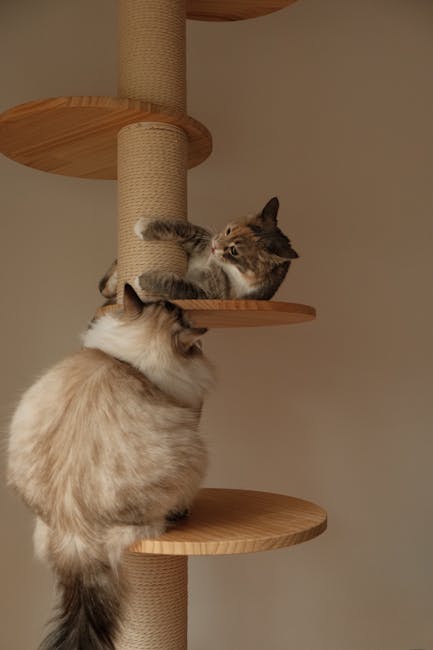
- Providing a variety of textures and orientations (vertical and horizontal) to suit your cat’s preferences
By meeting your cat’s natural instincts in a positive way, you can reduce the likelihood of destructive scratching. It’s important to work with your veterinarian to develop a preventive care plan tailored to your cat’s needs and lifestyle, ensuring the best outcomes for both you and your feline friend.
Which pets need it most
Preventing destructive scratching in cats enrichment basics is especially important for certain cats who may be more prone to unwanted scratching behaviours. While all cats can benefit from enrichment and appropriate outlets for scratching, some factors increase the need for focused preventive care.
Species and age
- Domestic cats of all ages, but particularly young and adolescent cats who are more active and curious.
- Indoor-only cats, as they may have fewer natural opportunities to scratch and explore.
Lifestyle and environment
- Cats living in apartments or homes without outdoor access.
- Multi-cat households where competition for resources can increase stress and scratching.
- Homes with valuable furniture or delicate surfaces that cats might target.
Existing health conditions
- Cats experiencing stress or anxiety, which can lead to increased scratching.
- Those with joint or mobility issues that affect normal scratching behaviour and may need alternative enrichment options.
Every cat is unique, so it’s important to work with your veterinarian to develop a preventive care plan tailored to your cat’s individual needs and lifestyle. This ensures the best approach to managing scratching while supporting your cat’s overall well-being.
What pet owners should look out for
Preventing destructive scratching in cats enrichment basics involves paying close attention to your cat’s behaviour and environment. Noticing certain signs early can help you and your veterinarian adjust your cat’s preventive care plan to keep both your cat and your home happy.
Watch for these common indicators that may suggest your cat needs more enrichment or a change in their scratching options:
- Scratching furniture, carpets, or other inappropriate surfaces more frequently or intensely
- Restlessness or increased pacing around the home
- Signs of stress such as hiding, vocalizing, or changes in appetite
- Damage to claws or paws, including redness or swelling
- reduced interest in usual toys or activities
Changes in your cat’s scratching habits can signal that their current enrichment or scratching posts are not meeting their needs. It’s important to discuss these observations with your veterinarian, who can help tailor a preventive care plan that includes appropriate enrichment strategies and environmental modifications.
Remember, every cat is unique, and working with your vet ensures your cat’s scratching behaviour is managed safely and effectively.
Role of the veterinarian
Preventing destructive scratching in cats enrichment basics is an important part of your cat’s overall well-being, and your veterinarian plays a key role in supporting this goal. Veterinarians work with you to develop a personalised preventive care plan that addresses your cat’s unique needs.
During regular physical exams, your vet assesses your cat’s health and behaviour, helping to identify any issues that might contribute to unwanted scratching. They also recommend appropriate vaccination plans and parasite control measures to keep your cat healthy and comfortable.
Nutrition advice is another important aspect of preventive care. A balanced diet supports your cat’s skin and coat health, which can influence scratching behaviour. Your veterinarian may also suggest screening tests to detect underlying health problems early.
Effective preventive care is a partnership between you and your veterinarian. Together, you can create a plan that includes:
- Regular check-ups to monitor health and behaviour
- Vaccinations tailored to your cat’s lifestyle
- Parasite prevention suited to your region
- Nutrition guidance to support overall wellness
- Follow-up visits to adjust the plan as needed
Always consult your veterinarian to develop and maintain a preventive care plan that best supports your cat’s health and happiness.
Safe home practices
Preventing destructive scratching in cats enrichment basics begins with creating a safe and stimulating environment at home. Providing your cat with appropriate outlets for scratching helps protect your furniture and supports their natural behaviours.
Here are some simple, safe practices to consider:
- Offer a variety of scratching posts: Different textures and angles encourage your cat to use them instead of household items.
- Keep nails trimmed: Regularly trimming your cat’s nails can reduce damage, but always ask your veterinarian or a professional groomer for guidance on safe techniques.
- Enrich the environment: Use toys, climbing structures, and interactive play to keep your cat mentally and physically engaged, which can reduce stress-related scratching.
- Monitor your cat’s health: Check for any signs of discomfort or skin issues that might cause excessive scratching and discuss concerns with your veterinarian.
- Maintain a clean living space: Regularly clean scratching posts and resting areas to keep your cat comfortable and encourage their use.
Remember, every cat is unique. Work with your veterinarian to develop a preventive care plan tailored to your cat’s needs, ensuring a happy and healthy home for both of you.
Common myths and misunderstandings
When it comes to preventing destructive scratching in cats enrichment basics, there are several myths that can cause confusion or frustration. Understanding the facts can help you support your cat’s natural behaviours in a positive way.
Myth 1: Cats scratch just to be naughty or spiteful. In reality, scratching is a normal and healthy behaviour for cats. It helps them mark territory, stretch muscles, and keep their claws in good condition. It’s not about punishment or misbehaviour.
Myth 2: Declawing is the only way to stop destructive scratching. Declawing is a serious surgical procedure with potential long-term consequences and is not recommended by most veterinarians. Instead, providing appropriate scratching posts and enrichment can redirect your cat’s scratching to acceptable areas.
Myth 3: All cats prefer the same types of scratching surfaces. Cats have individual preferences-some like vertical posts, others prefer horizontal pads. Experimenting with different textures and locations can help you find what your cat enjoys most.
Remember, every cat is unique. Preventive care plans, including enrichment strategies, should be developed in consultation with your veterinarian to ensure your cat’s well-being and happiness.
Life-stage considerations
Preventing destructive scratching in cats enrichment basics can vary depending on your cat’s life stage. Each stage brings unique needs and behaviours, so tailoring your approach helps support your cat’s well-being and protects your home.
Kittens: Young cats are naturally curious and energetic. Providing a variety of scratching posts and interactive toys encourages healthy scratching habits early on. Supervised playtime and gentle redirection help guide them away from furniture.
Adult cats: Adult cats benefit from consistent enrichment that satisfies their scratching instincts. Offering sturdy scratching surfaces in preferred locations and rotating toys can keep them engaged. Pay attention to any changes in behaviour that might indicate stress or health issues.
Senior cats: Older cats may have reduced mobility or arthritis, which can affect how and where they scratch. Soft, accessible scratching options and gentle encouragement can help maintain their natural behaviours without discomfort.
Remember, every cat is unique. Your veterinarian is the best resource to develop a preventive care plan tailored to your cat’s age, health, and lifestyle. Regular check-ups ensure your cat’s scratching needs are met safely and effectively throughout their life.
FAQs
What causes destructive scratching in cats?
Scratching is a natural behaviour for cats. It helps them mark territory, stretch muscles, and keep their claws healthy. Destructive scratching often happens when cats don’t have appropriate outlets or enough enrichment to satisfy these needs.
How can I prevent destructive scratching in my cat?
Providing a variety of scratching posts and pads in different materials and locations can help. Regular playtime and environmental enrichment reduce boredom and stress, which are common triggers for unwanted scratching.
Are there specific enrichment basics that help with scratching?
Yes! Enrichment basics include:
- Scratching surfaces that are sturdy and tall enough for full-body stretches
- Interactive toys to keep your cat mentally and physically active
- Safe spaces where your cat feels secure and relaxed
Can I train my cat to stop scratching furniture?
Training can help, but it takes patience. Redirect your cat to appropriate scratching items and reward them for using these. Avoid punishment, as it can increase stress and worsen behaviour.
When should I talk to my veterinarian about scratching issues?
If destructive scratching continues despite enrichment efforts, or if your cat shows signs of stress or discomfort, consult your veterinarian. They can help create a tailored preventive care plan that suits your cat’s needs.
Summary
Preventing destructive scratching in cats enrichment basics is an important part of keeping your feline friend happy and your home intact. By understanding your cat’s natural behaviours and providing appropriate outlets, you can reduce unwanted scratching and promote mental and physical well-being.
Key benefits of preventive care include:
- Protecting furniture and belongings from damage
- Encouraging healthy exercise and stimulation
- Strengthening the bond between you and your cat through positive interactions
It’s important to have realistic expectations-some scratching is natural and healthy for cats. The goal is to guide this behaviour rather than eliminate it entirely.
Regular veterinary check-ups play a vital role in preventive care. Your vet can help identify any underlying issues that might contribute to destructive scratching and work with you to develop a tailored enrichment plan. Open communication with your veterinary team ensures your cat’s needs are met safely and effectively.
Always consult your veterinarian before starting any new strategies to manage scratching, as they can provide advice specific to your cat’s health and lifestyle.
Additional Resources
- Canadian Veterinary Medical Association (CVMA)
- American Veterinary Medical Association (AVMA)
- World Small Animal Veterinary Association (WSAVA)
- Royal Society for the Prevention of Cruelty to Animals (RSPCA)
- Ontario Veterinary College, University of Guelph
Disclaimer: This article provides general information about preventive care for pets and does not replace professional veterinary advice. Always talk to a licensed veterinarian about your pet’s specific needs.