Preventing grooming related injuries in long haired cats

Share
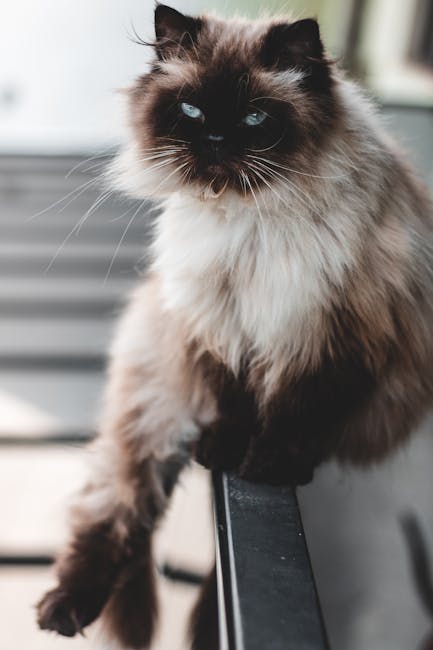
Preventing grooming related injuries in long haired cats
Introduction
Long haired cats are beautiful companions, but their thick, flowing coats require special attention to keep them healthy and comfortable. This article focuses on preventing grooming related injuries in long haired cats, a topic important for cat owners of all ages-from playful kittens to senior cats.
Grooming is essential for removing loose fur, preventing mats, and maintaining skin health. However, without proper care, grooming can sometimes lead to injuries such as cuts, irritations, or stress-related behaviours. While preventive care helps reduce these risks, it does not guarantee perfect health or prevent all problems.
Every cat is unique, so it’s important to work with your veterinarian to develop a grooming routine that suits your cat’s specific needs. This article provides general guidance but does not replace professional veterinary advice or personalized care plans.
Remember, gentle and regular grooming combined with veterinary support can help keep your long haired cat comfortable and safe.
Reviewed by SASI Vet Preventive Care Editorial Board.
Why preventive care matters
Preventing grooming related injuries in long haired cats is an important part of keeping your feline friend healthy and comfortable. Long hair can easily become tangled or matted, which may lead to skin irritation, pain, or even infections if not addressed properly. Regular, gentle grooming helps reduce these risks and supports your cat’s overall well-being.
By maintaining a consistent grooming routine, you can:
- Lower the chance of painful mats and skin problems
- Improve your cat’s comfort and mobility
- Spot early signs of health issues such as lumps, wounds, or parasites
- Reduce the likelihood of emergency vet visits related to grooming injuries
Preventive care also contributes to a better quality of life by keeping your cat’s coat clean and healthy, which can positively affect their mood and behaviour. It’s important to work with your veterinarian to develop a grooming plan tailored to your cat’s specific needs, ensuring safety and effectiveness. Remember, each cat is unique, and professional guidance will help you prevent injuries while promoting long-term health.
How this preventive measure works
Preventing grooming related injuries in long haired cats involves regular care and attention to their unique coat needs. Long fur can easily become tangled or matted, which may cause discomfort, skin irritation, or even wounds if left untreated. By maintaining a consistent grooming routine, you help keep your cat’s coat healthy and reduce the risk of injury.
This type of prevention focuses on:
- Regular brushing to remove loose hair and prevent mats from forming
- Checking the skin for any signs of redness, swelling, or sores
- Keeping the fur clean and free of debris that can cause irritation
- Trimming fur around sensitive areas if needed to avoid tangles
These steps help maintain your cat’s comfort and skin health, while also making grooming a positive experience. It’s important to work with your veterinarian to develop a preventive care plan tailored to your cat’s coat type and lifestyle. Your vet can offer guidance on the best grooming practices and when to seek professional help to keep your long haired cat safe and comfortable.
Which pets need it most
Preventing grooming related injuries in long haired cats is especially important for certain groups of cats who may be more prone to problems. Long haired breeds, such as Persians, Maine Coons, and Ragdolls, often require more frequent grooming to avoid mats and tangles that can cause skin irritation or injury.
Age can also play a role. Kittens and senior cats might have more difficulty grooming themselves effectively, increasing the risk of mats and related injuries. Cats with limited mobility or health conditions, such as arthritis or obesity, may also benefit from extra grooming support to prevent discomfort or skin damage.
Indoor cats with less natural wear on their coats and outdoor cats exposed to dirt, debris, or rough environments might both face unique grooming challenges. Regular attention to their coats can help prevent painful mats and skin problems.
Every cat is unique, so it’s important to work with your veterinarian to develop a preventive care plan tailored to your cat’s specific needs. This ensures safe, effective grooming that supports your cat’s health and comfort.
What pet owners should look out for
Preventing grooming related injuries in long haired cats starts with careful observation at home. Regularly checking your cat’s coat and skin can help you spot early signs that something may need attention or adjustment in their grooming routine.
Watch for these common signs and behaviours:
- Mattes or tangles: Areas where fur clumps together can pull on the skin and cause discomfort or injury.
- Redness or irritation: Skin that looks inflamed or sore may indicate grooming tools are too harsh or that mats have caused damage.
- Excessive licking or scratching: This can be a sign of discomfort or pain related to grooming issues.
- Changes in behaviour: Reluctance to be touched, hiding, or signs of stress during grooming sessions.
- Broken or missing fur: Patches where fur is thinning or missing might suggest over-grooming or injury.
If you notice any of these signs, it’s important to consult your veterinarian. They can help create a safe, effective preventive care plan tailored to your long haired cat’s needs. Remember, regular professional advice is key to keeping your cat comfortable and injury-free during grooming.
Role of the veterinarian
Preventing grooming related injuries in long haired cats is an important part of your cat’s overall health, and your veterinarian plays a key role in this process. Together, you and your vet can develop a preventive care plan tailored to your cat’s unique needs.
During regular physical exams, your veterinarian will check your cat’s skin, coat, and nails for any signs of irritation or injury that could result from grooming challenges. These visits also provide an opportunity to discuss your cat’s grooming routine and any concerns you may have.
Your veterinarian will recommend appropriate vaccination plans and parasite control measures to keep your cat healthy and comfortable. Nutrition advice is another important aspect, as a balanced diet supports a healthy coat and skin.
Screening tests may be suggested to identify underlying health issues that could affect grooming, such as skin conditions or arthritis. Follow-up appointments help monitor your cat’s progress and adjust care plans as needed.
Remember, preventive care plans should always be created in partnership with your veterinarian to ensure the best outcomes for your long haired cat’s health and comfort.
Safe home practices
Preventing grooming related injuries in long haired cats begins with gentle, consistent care at home. Regular brushing helps keep your cat’s coat free of mats and tangles, which can cause discomfort or skin problems if left untreated. Use a brush suited for your cat’s fur type and be patient, especially if your cat is not used to grooming sessions.
Check your cat’s skin frequently for any signs of irritation, redness, or small wounds that could indicate grooming-related injuries. If you notice anything unusual, consult your veterinarian promptly rather than attempting to treat it yourself.
Other helpful home practices include:
- Keeping your cat’s nails trimmed to reduce accidental scratches during grooming
- Providing a calm, quiet environment to make grooming less stressful
- Offering regular play and enrichment to support overall health and reduce anxiety
- Monitoring your cat’s weight, as obesity can make grooming more difficult and increase injury risk
Remember, every cat is unique. Work with your veterinarian to develop a preventive care plan tailored to your long haired cat’s needs. This partnership ensures safe grooming practices that protect your cat’s comfort and well-being.
Common myths and misunderstandings
When it comes to preventing grooming related injuries in long haired cats, there are several myths that can cause confusion or unnecessary worry. It’s important to rely on evidence-informed veterinary advice rather than assumptions.
Myth 1: Regular brushing always prevents matting and injuries
While frequent brushing helps reduce tangles, it doesn’t guarantee your cat won’t develop mats or skin irritation. Some cats have very fine or dense coats that require professional grooming or special tools. Always check with your veterinarian about the best grooming routine for your cat’s specific coat type and health.
Myth 2: Cutting mats out yourself is safe and easy
Attempting to cut out mats without proper training can accidentally injure your cat’s skin. Mats close to the skin may need to be handled by a professional groomer or veterinarian to avoid cuts or infections. If you notice severe matting, consult your vet for safe options.
Myth 3: Long haired cats don’t need regular vet check-ups for grooming issues
Preventing grooming related injuries in long haired cats involves more than just brushing. Regular veterinary visits help identify skin problems, parasites, or other health concerns that affect your cat’s coat and comfort. Your vet can help create a preventive care plan tailored to your cat’s needs.
Life-stage considerations
Preventing grooming related injuries in long haired cats requires attention to their changing needs throughout life. Each life stage brings unique challenges and opportunities for safe grooming, so it’s important to adapt care accordingly.
Kittens
Young cats are still developing their tolerance for handling and grooming. Gentle introduction to brushing and nail trimming helps build positive experiences. Use soft brushes and avoid forcing any activity.
Adult cats
Adult long haired cats usually tolerate regular grooming better but may still have sensitive areas. Regular brushing prevents mats and reduces the risk of injury during grooming. Watch for signs of discomfort and adjust techniques as needed.
Senior cats
Older cats may have health issues like arthritis or reduced mobility, making grooming more challenging. Extra care and patience are needed to avoid causing pain or stress. Shorter, more frequent grooming sessions can be helpful.
- Always use appropriate tools for your cat’s coat type and size.
- Check skin regularly for irritation or wounds.
- Never rush grooming; keep sessions calm and positive.
Because each cat is unique, work with your veterinarian to develop a preventive care plan tailored to your long haired cat’s life stage and health status. This ensures grooming remains safe and comfortable throughout their life.
FAQs
How can I prevent grooming related injuries in long haired cats?
Regular, gentle grooming is key to avoiding injuries. Use appropriate tools like wide-toothed combs and soft brushes, and be patient to keep your cat comfortable. Always check for mats or tangles and address them carefully to prevent pulling or skin irritation.
What signs should I watch for that might indicate a grooming injury?
Look for redness, swelling, bleeding, or your cat showing discomfort when touched. Scratches, cuts, or unusual hair loss can also signal a problem. If you notice any of these signs, contact your veterinarian for advice.
Can I trim my cat’s hair at home safely?
Trimming can be helpful but requires caution. Use proper grooming scissors or clippers designed for pets, and avoid sensitive areas like the skin around the ears and paws. If you’re unsure, a professional groomer or your vet can offer guidance or services.
How often should I groom my long haired cat?
Frequency varies by cat, but most long haired cats benefit from grooming several times a week. Your veterinarian can help create a preventive care plan tailored to your cat’s specific needs and coat type.
Why is a vet’s advice important for grooming care?
Veterinarians can identify skin conditions or health issues that affect grooming and recommend safe techniques or products. They ensure your preventive care plan supports your cat’s overall well-being and comfort.
Summary
Preventing grooming related injuries in long haired cats is an important part of keeping your feline friend comfortable and healthy. Regular grooming helps reduce mats and tangles that can cause pain or skin problems, but it’s essential to approach grooming with care and patience.
Key benefits of preventive grooming include:
- Reducing the risk of painful mats and skin irritation
- Helping your cat stay clean and comfortable
- Allowing early detection of any skin issues or abnormalities
- Strengthening the bond between you and your cat through gentle handling
It’s important to have realistic expectations-some cats may be more sensitive or less tolerant of grooming, and professional help might be needed at times. Regular veterinary check-ups play a vital role in your cat’s overall wellness and can provide guidance tailored to your cat’s specific needs.
Always communicate openly with your veterinarian and grooming professionals to develop a preventive care plan that suits your long haired cat. This collaborative approach ensures your cat’s grooming routine is safe, effective, and supportive of their well-being.
Additional Resources
- Canadian Veterinary Medical Association (CVMA)
- American Veterinary Medical Association (AVMA)
- World Small Animal Veterinary Association (WSAVA)
- Royal Society for the Prevention of Cruelty to Animals (RSPCA)
- Ontario Veterinary College, University of Guelph
Disclaimer: This article provides general information about preventive care for pets and does not replace professional veterinary advice. Always talk to a licensed veterinarian about your pet’s specific needs.