Preventing household conflicts between dogs and cats

Share
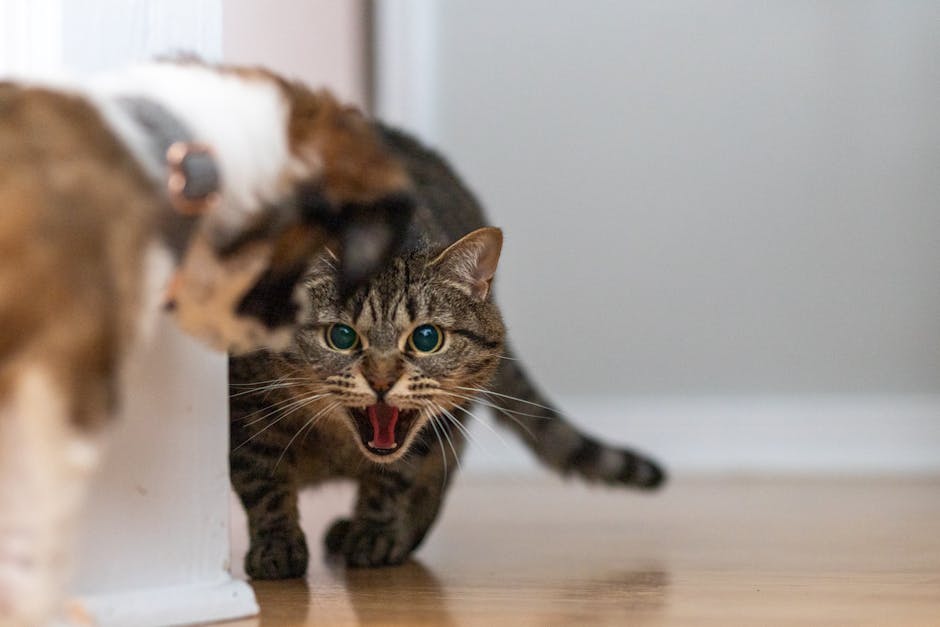
Preventing household conflicts between dogs and cats
Introduction
Bringing dogs and cats together in the same home can be a joyful experience, but it also requires thoughtful preventive care to ensure harmony. This article focuses on preventing household conflicts between dogs and cats, a concern for pet owners with puppies, kittens, adult dogs, and senior cats alike.
While prevention can greatly reduce the risk of behavioural issues and stress-related health problems, it does not guarantee perfect harmony or health. Each pet is unique, and their interactions depend on many factors including personality, past experiences, and environment.
Preventive care involves strategies such as gradual introductions, providing separate safe spaces, and monitoring body language to help pets coexist peacefully. However, this information is intended as a general guide and does not replace professional veterinary advice.
Always work with your veterinarian to develop a preventive care plan tailored to your pets’ specific needs. Your vet can help you understand the best ways to support your pets’ wellbeing and address any concerns early on.
Reviewed by SASI Vet Preventive Care Editorial Board.
Why preventive care matters
Preventing household conflicts between dogs and cats is an important part of maintaining a peaceful and healthy home environment for your pets. When pets get along well, they experience less stress, which supports their overall well-being and can lower the risk of stress-related health issues.
Taking preventive steps helps reduce the chance of injuries from fights or aggressive behaviour, which can lead to infections or other complications requiring emergency care. A calm and cooperative household also means fewer behavioural problems that might otherwise require professional intervention.
Some benefits of focusing on this preventive care include:
- Improved quality of life for both dogs and cats
- Lower stress levels, which support immune health
- Reduced risk of accidents or injuries from conflicts
- Fewer emergency visits and costly treatments
Remember, every pet is unique. The best preventive care plan to prevent household conflicts between dogs and cats should be developed in partnership with your veterinarian, who can provide guidance tailored to your pets’ specific needs and personalities.
How this preventive measure works
Preventing household conflicts between dogs and cats involves creating a safe and comfortable environment where both pets can coexist peacefully. The basic idea is to reduce stress and misunderstandings by managing their interactions thoughtfully and gradually.
This preventive care approach focuses on:
- Introducing pets slowly and under controlled conditions to build positive associations.
- Providing separate spaces for each animal to retreat to when they need privacy or rest.
- Using consistent routines to help pets feel secure and reduce anxiety.
- Monitoring body language and behaviour to recognize early signs of tension or discomfort.
- Encouraging positive reinforcement to reward calm and friendly interactions.
Every household and pet is unique, so it’s important to work with a veterinarian or a qualified animal behaviourist to develop a preventive care plan tailored to your pets’ needs. This ensures that both your dog and cat can enjoy a harmonious home, reducing the risk of conflicts and promoting their overall well-being.
Which pets need it most
Preventing household conflicts between dogs and cats is important for many pet owners, but some animals may benefit more from focused preventive care. Understanding which pets are at higher risk can help you work with your veterinarian to create a tailored plan that suits your unique household.
Species and age
- Kittens and puppies: Young animals are still learning social skills and boundaries, so early guidance can reduce future conflicts.
- Adult dogs and cats: Pets introduced to each other later in life may need extra support to adjust peacefully.
Lifestyle and environment
- Multi-pet households: Homes with several dogs and cats often require more careful management to prevent tension.
- High-activity pets: Energetic dogs or curious cats may unintentionally provoke conflicts without proper outlets for their energy.
Existing health conditions
- Pets experiencing pain, illness, or sensory decline (such as vision or hearing loss) may become more irritable or less tolerant of others.
Every pet is unique, so it’s essential to consult your veterinarian to develop a preventive care plan that fits your pets’ specific needs and circumstances. This approach helps ensure a harmonious home for both dogs and cats.
What pet owners should look out for
Preventing household conflicts between dogs and cats starts with careful observation of their interactions and behaviours. Early signs of tension or discomfort can help you address issues before they escalate.
Watch for changes such as:
- Growling, hissing, or other vocal warnings directed at each other
- Stiff body posture, raised fur, or avoidance behaviours
- Resource guarding around food bowls, toys, or resting spots
- Sudden changes in appetite, grooming habits, or litter box use
- Increased hiding or withdrawal from social interaction
These behaviours may indicate stress or unresolved conflicts that require attention. It’s important to remember that every pet is unique, and what works for one pair may not suit another.
Preventive care plans tailored to your pets’ needs should always be developed in consultation with your veterinarian. They can help you create a safe, harmonious environment and recommend strategies to support positive interactions between your dog and cat.
Role of the veterinarian
Preventing household conflicts between dogs and cats starts with a strong partnership between you and your veterinarian. Your vet plays a key role in planning and managing preventive care tailored to your pets’ unique needs.
During regular physical exams, your veterinarian assesses your pets’ overall health and behaviour, helping to identify any early signs of stress or discomfort that could contribute to tension between your dog and cat.
Preventive care also includes:
- Developing vaccination plans to protect against common diseases
- Recommending parasite control to keep pets comfortable and healthy
- Providing nutrition advice that supports wellbeing and reduces irritability
- Suggesting appropriate screening tests based on age, breed, and lifestyle
- Scheduling follow-up visits to monitor progress and adjust care as needed
Every preventive care plan should be created in consultation with your veterinarian, who can offer guidance specific to your pets and household. This collaborative approach helps ensure both your dog and cat enjoy a peaceful, happy home together.
Safe home practices
Preventing household conflicts between dogs and cats starts with creating a calm, predictable environment where both pets feel secure. Establishing safe spaces for each animal helps reduce stress and territorial disputes.
Here are some practical tips to promote harmony at home:
- Separate resources: Provide individual food and water bowls, litter boxes, and resting areas to avoid competition.
- Supervised introductions: When bringing a new pet home, introduce them gradually and under close supervision to build positive associations.
- Environmental enrichment: Offer toys, scratching posts, and interactive playtime to keep both pets mentally and physically stimulated.
- Regular health checks: Monitor your pets’ weight, coat condition, and behaviour for signs of discomfort or illness that could increase tension.
- Maintain grooming routines: Brushing your pets regularly can reduce stress and strengthen your bond with them.
Remember, every pet is unique. Work with your veterinarian to develop a preventive care plan tailored to your pets’ needs and to address any behavioural concerns safely and effectively.
Common myths and misunderstandings
When it comes to preventing household conflicts between dogs and cats, there are several myths that can cause confusion or unnecessary worry. Understanding the facts helps create a peaceful home for both pets.
Myth 1: Dogs and cats are natural enemies and can never get along. While some dogs and cats may initially be wary of each other, many can learn to coexist peacefully or even become friends with proper introductions and ongoing management.
Myth 2: Introducing pets quickly is best to avoid prolonged tension. Rushing introductions can increase stress and risk of conflict. A gradual, supervised approach tailored to your pets’ personalities is safer and more effective.
Myth 3: Only aggressive behaviour needs attention. Subtle signs of stress or avoidance can also indicate discomfort. Recognizing these early helps prevent escalation.
Remember, every pet is unique. Preventive care plans to reduce conflicts should be developed in consultation with your veterinarian, who can provide guidance based on your pets’ health, behaviour, and environment.
Life-stage considerations
Preventing household conflicts between dogs and cats involves different approaches depending on your pets’ life stages. Puppies and kittens are still learning social skills and boundaries, so early, gentle introductions and supervised interactions are key. Positive experiences during this time can help build trust and reduce tension as they grow.
Adult dogs and cats may have established personalities and habits, which means introductions might require more patience and careful management. Observing body language and providing separate safe spaces can help ease stress and prevent conflicts.
Senior pets often have changing needs, such as reduced mobility or sensory decline, which can affect how they interact with other animals. Extra consideration for their comfort and health is important to maintain harmony in the home.
In all cases, preventive care plans should be tailored to your pets’ unique needs and created in consultation with your veterinarian. They can offer guidance on behaviour, environment, and health factors that support peaceful coexistence throughout your pets’ lives.
FAQs
How can I introduce my dog and cat to prevent conflicts?
Introducing dogs and cats slowly and carefully helps reduce stress and potential conflicts. Start with short, supervised meetings in neutral spaces, and allow them to observe each other from a distance. Gradually increase their time together as they become more comfortable.
What signs indicate tension between my dog and cat?
Watch for growling, hissing, raised fur, stiff body posture, or avoidance behaviours. These signals suggest your pets may feel threatened or uneasy. If you notice these signs, separate them calmly and try reintroducing more slowly.
Can separate feeding areas help prevent conflicts?
Yes, feeding your dog and cat in different locations can reduce competition and resource guarding. Providing separate food and water bowls, as well as distinct resting spaces, supports peaceful coexistence.
Should I use training or behaviour modification?
Positive reinforcement training can encourage calm and respectful interactions. Reward your pets for calm behaviour around each other. However, every pet is unique, so work with your veterinarian or a certified animal behaviourist to develop a safe plan tailored to your pets’ needs.
When should I seek professional help?
If conflicts persist or escalate despite your efforts, consult your veterinarian. They can help identify underlying causes and recommend appropriate strategies or referrals to behaviour specialists.
Preventing household conflicts between dogs and cats takes patience and care. Always create preventive care plans in partnership with your veterinarian to ensure the best outcomes for your pets.
Summary
Preventing household conflicts between dogs and cats is an important part of creating a peaceful and happy home for all your pets. With thoughtful preventive care, you can reduce stress and promote positive interactions between your furry friends.
Key benefits of preventive care include:
- Helping pets feel secure and comfortable in shared spaces
- Reducing the risk of aggressive behaviours and injuries
- Supporting overall mental and physical well-being
It’s important to have realistic expectations-introducing dogs and cats takes time, patience, and ongoing effort. Every pet is unique, and some may require more gradual adjustments than others.
Regular veterinary check-ups play a vital role in preventive care. Your veterinarian can help identify any health issues that might affect behaviour and offer tailored advice to support harmony in your multi-pet household. Open communication with your vet team ensures your preventive care plan is safe, effective, and suited to your pets’ individual needs.
Remember, preventive care plans should always be developed in partnership with a licensed veterinarian to ensure the best outcomes for your pets.
Additional Resources
- Canadian Veterinary Medical Association (CVMA)
- American Veterinary Medical Association (AVMA)
- World Small Animal Veterinary Association (WSAVA)
- Royal Society for the Prevention of Cruelty to Animals (RSPCA)
- Ontario Veterinary College, University of Guelph
Disclaimer: This article provides general information about preventive care for pets and does not replace professional veterinary advice. Always talk to a licensed veterinarian about your pet’s specific needs.