Preventing kennel cough exposure in dogs

Share
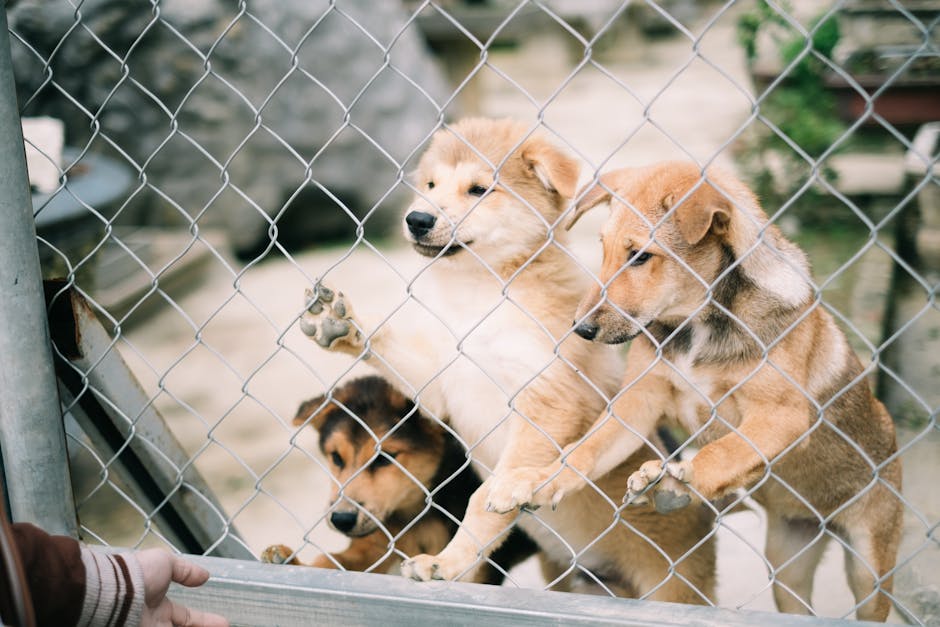
Preventing kennel cough exposure in dogs
Introduction
Preventing kennel cough exposure in dogs is an important part of keeping your furry friend healthy, especially if they spend time around other dogs. This topic is relevant for all dogs, including puppies, adult dogs, and seniors. Kennel cough is a common respiratory infection that can spread easily in places like dog parks, boarding facilities, and grooming salons.
While taking preventive steps can significantly reduce the risk of your dog catching kennel cough, it’s important to remember that no method guarantees perfect health. Each dog’s risk factors and needs can vary based on age, lifestyle, and overall health.
This information is intended to help you understand how to lower the chances of exposure, but it does not replace advice from a licensed veterinarian. Your vet can help create a personalized preventive care plan that fits your dog’s unique situation and health status.
Key points to consider include:
- Limiting contact with unfamiliar dogs during outbreaks
- Maintaining good hygiene and clean environments
- Discussing vaccination options with your veterinarian
Working closely with your vet ensures the best approach to protecting your dog from kennel cough and other contagious illnesses.
Reviewed by SASI Vet Preventive Care Editorial Board.
Why preventive care matters
Preventing kennel cough exposure in dogs is an important part of maintaining your pet’s overall health and well-being. Kennel cough is a contagious respiratory infection that can cause discomfort and lead to more serious health issues if left unchecked. By focusing on preventive care, you can help reduce your dog’s risk of contracting this common illness.
Good preventive care offers several benefits:
- Lower risk of disease: Minimizing exposure to kennel cough helps protect your dog from respiratory infections and other complications.
- Improved quality of life: Healthy dogs are more active, comfortable, and able to enjoy daily activities without coughing or breathing difficulties.
- Fewer emergency visits: Preventing illness reduces the chance of sudden health crises that require urgent veterinary care.
Every dog is unique, so it’s important to work with your veterinarian to develop a preventive care plan tailored to your pet’s lifestyle and health needs. This plan may include vaccination, avoiding high-risk environments, and other strategies to keep your dog safe and healthy.
How this preventive measure works
Preventing kennel cough exposure in dogs primarily involves reducing the risk of infection through a combination of vaccination and good management practices. Kennel cough is a contagious respiratory illness, so prevention focuses on helping your dog’s immune system recognize and fight the germs that cause it.
Vaccination is a key part of prevention. It helps your dog’s body build protection against the bacteria and viruses commonly responsible for kennel cough. While vaccines don’t guarantee complete immunity, they can significantly reduce the severity and duration of illness if your dog is exposed.
In addition to vaccination, other preventive measures include:
- Limiting contact with dogs showing signs of respiratory illness
- Avoiding crowded places where infections can spread easily
- Maintaining clean environments, such as kennels and dog parks
- Practising good hygiene, like washing your hands after handling other dogs
Every dog’s risk factors and health needs are unique. For the best preventive care plan to protect your dog from kennel cough exposure, consult your veterinarian. They can recommend the most appropriate vaccines and strategies based on your dog’s lifestyle and health status.
Which pets need it most
Preventing kennel cough exposure in dogs is especially important for certain pets based on their age, lifestyle, environment, and health status. While all dogs can benefit from preventive care, some are more at risk and may gain the most from tailored protection plans.
Dogs at higher risk
- Puppies and young dogs: Their immune systems are still developing, making them more vulnerable to respiratory infections.
- Senior dogs: Older dogs may have weaker immune responses or underlying health issues that increase susceptibility.
- Dogs in group settings: Pets that frequently visit kennels, doggy daycares, grooming salons, or dog parks face higher exposure risks.
- Dogs with existing respiratory or immune conditions: Pets with chronic illnesses or compromised immunity need extra protection.
- Working or travelling dogs: Dogs that participate in shows, competitions, or travel often may encounter more varied environments and other animals.
Because each dog’s situation is unique, it’s important to work with a veterinarian to develop a preventive care plan that fits your pet’s specific needs. Your vet can help determine the best strategies to reduce the risk of kennel cough exposure and keep your dog healthy and happy.
What pet owners should look out for
Preventing kennel cough exposure in dogs starts with careful observation at home. While kennel cough is often mild, early signs can help you know when to seek veterinary advice or adjust your dog’s preventive care plan. Always work with your veterinarian to create a plan tailored to your dog’s needs.
Watch for these common signs and changes in behaviour that might indicate your dog is at risk or developing symptoms:
- A persistent, dry cough that may sound harsh or honking
- Increased sneezing or nasal discharge
- Reduced energy or reluctance to play and exercise
- Loss of appetite or changes in eating habits
- Signs of discomfort or difficulty breathing, such as rapid or laboured breaths
- Excessive eye watering or redness
Keep in mind that some dogs may carry the infection without obvious symptoms but can still spread it to others. If you notice any of these signs or if your dog has been in contact with other dogs in high-risk environments, consult your veterinarian promptly. They can help adjust preventive measures to keep your dog safe and healthy.
Role of the veterinarian
Your veterinarian plays a vital role in preventing kennel cough exposure in dogs through a comprehensive approach to preventive care. By working closely with you, they help create a tailored plan that supports your dog’s health and reduces the risk of respiratory infections.
During regular physical exams, your vet assesses your dog’s overall health and identifies any early signs of illness. They also recommend appropriate vaccination plans to protect against kennel cough and other contagious diseases.
In addition, your veterinarian provides guidance on parasite control, nutrition, and lifestyle factors that contribute to a strong immune system. Screening tests may be suggested to monitor your dog’s health and catch potential issues before they become serious.
Preventive care is an ongoing partnership between you and your veterinarian. Follow-up visits allow adjustments to your dog’s care plan based on their age, environment, and risk factors. Always consult your vet to develop and maintain a preventive care strategy that best suits your dog’s needs.
Safe home practices
Preventing kennel cough exposure in dogs involves more than avoiding contact with infected animals. At home, you can support your dog’s respiratory health and overall well-being through simple, safe practices. Always work with your veterinarian to develop a preventive care plan tailored to your dog’s needs.
Here are some helpful steps to consider:
- Maintain good hygiene: Regularly clean your dog’s bedding, toys, and food bowls to reduce germs.
- Monitor your dog’s health: Watch for any signs of coughing, sneezing, or nasal discharge and report concerns to your vet promptly.
- Support immune health: Provide a balanced diet and ensure your dog stays at a healthy weight to help their immune system function well.
- Enrich the environment: Keep your dog mentally and physically stimulated with safe play and exercise, which can reduce stress and support overall health.
- Check for parasites: Regularly inspect your dog for ticks and other parasites, as these can weaken their immune defences.
- Limit exposure: Avoid crowded dog parks or boarding facilities during outbreaks or if your dog’s immune system is compromised.
Remember, preventive care is a team effort between you and your veterinarian. Never start or change any medications at home without professional guidance.
Common myths and misunderstandings
When it comes to preventing kennel cough exposure in dogs, there are several myths that can cause confusion. Understanding the facts helps you make the best choices for your pet’s health.
Myth 1: Kennel cough only happens in kennels. While the name suggests otherwise, kennel cough can spread anywhere dogs gather, such as parks, daycare centres, or grooming salons. It’s important to be mindful of your dog’s interactions in all social settings.
Myth 2: Vaccination completely prevents kennel cough. Vaccines can reduce the risk and severity of kennel cough but don’t guarantee full protection. That’s why a comprehensive preventive care plan, tailored by your veterinarian, is essential.
Myth 3: If my dog seems healthy, they can’t spread kennel cough. Dogs can carry and transmit the infection even before showing symptoms. This is why good hygiene and avoiding close contact with coughing dogs are important preventive steps.
Remember, the best approach to preventing kennel cough exposure in dogs involves working closely with your veterinarian. They can help create a plan that fits your dog’s lifestyle and health needs, ensuring the safest and most effective care.
Life-stage considerations
Preventing kennel cough exposure in dogs requires attention to your pet’s life stage, as their immune system and risk factors can vary. Puppies, adults, and seniors each have unique needs when it comes to keeping this contagious respiratory infection at bay.
Puppies
Puppies are more vulnerable because their immune systems are still developing. Early socialization is important, but it’s best to avoid high-risk environments like crowded dog parks or boarding facilities until your veterinarian confirms their vaccinations are up to date.
Adult dogs
Healthy adult dogs generally have stronger immunity, but they can still catch kennel cough, especially if they spend time in group settings such as daycare or training classes. Regular wellness visits help ensure their preventive care plan is current.
Senior dogs
Older dogs may have weaker immune responses or underlying health issues that increase their susceptibility. Extra caution and tailored preventive strategies, developed with your veterinarian, can help protect them from exposure.
Because each dog’s situation is unique, always work with your veterinarian to create a preventive care plan that fits your pet’s age, lifestyle, and health status. This approach helps keep your dog safe and healthy throughout their life.
FAQs
What is kennel cough and how do dogs catch it?
Kennel cough is a contagious respiratory infection that causes a persistent cough in dogs. It spreads easily through airborne droplets when infected dogs cough or sneeze, and by contact with contaminated surfaces.
How can I help in preventing kennel cough exposure in dogs?
To reduce the risk, consider these steps:
- Avoid crowded places like dog parks or boarding facilities during outbreaks.
- Keep your dog away from dogs showing signs of coughing or sneezing.
- Maintain good hygiene by cleaning your dog’s belongings regularly.
- Discuss vaccination options with your veterinarian as part of a preventive care plan.
Can kennel cough be serious?
Most dogs recover with rest and supportive care, but puppies, older dogs, or those with weakened immune systems may experience more severe symptoms. Always consult your veterinarian if your dog shows signs of illness.
Should I vaccinate my dog against kennel cough?
Vaccination can help reduce the risk and severity of kennel cough. Your veterinarian can recommend if and when this vaccine is appropriate based on your dog’s lifestyle and health.
What should I do if I think my dog has kennel cough?
If your dog develops a persistent cough or other respiratory symptoms, contact your veterinarian promptly. They can provide guidance tailored to your dog’s needs and help prevent spreading the infection to others.
Summary
Preventing kennel cough exposure in dogs is an important part of keeping your furry friend healthy and comfortable. While no preventive care plan can guarantee complete protection, working closely with your veterinarian helps reduce the risk and supports your dog’s overall respiratory health.
Key benefits of preventive care include:
- Lower chances of your dog catching kennel cough in group settings
- Early detection of symptoms through regular check-ups
- Personalized advice tailored to your dog’s lifestyle and health status
It’s important to have realistic expectations and understand that kennel cough can still occur despite best efforts. Open communication with your vet team ensures timely guidance if your dog shows signs of illness or if you have concerns about exposure.
Remember, preventive care plans should always be created in partnership with a licensed veterinarian who knows your dog’s unique needs. This approach helps keep your dog happy, active, and ready for all the adventures you share together.
- Canadian Veterinary Medical Association (CVMA)
- American Veterinary Medical Association (AVMA)
- World Small Animal Veterinary Association (WSAVA)
- Royal Society for the Prevention of Cruelty to Animals (RSPCA)
- Ontario Veterinary College, University of Guelph
Disclaimer: This article provides general information about preventive care for pets and does not replace professional veterinary advice. Always talk to a licensed veterinarian about your pet’s specific needs.