Preventing matting in Persian cats coat maintenance

Share
Preventing matting in Persian cats coat maintenance
Introduction
Preventing matting in a Persian cat’s coat is essential for maintaining healthy fur and avoiding painful tangles. To prevent mats in a Persian cat coat effectively, daily brushing and proper grooming tools are crucial. Without consistent coat maintenance, long fur can quickly develop knots, especially around high-friction areas.
Every cat is unique, and the best care plan should be tailored to their individual needs. This article offers general guidance but does not replace the advice of a licensed veterinarian. Working with your vet will ensure your Persian cat’s coat care routine supports their overall well-being.
Key points to keep in mind:
- Long-haired cats require more frequent grooming than short-haired cats.
- Preventing mats helps avoid discomfort and skin problems.
- Regular checks and gentle brushing are essential parts of coat maintenance.
- Consult your veterinarian for personalized recommendations and to address any concerns.
Reviewed by SASI Vet Preventive Care Editorial Board.
Why preventive care matters
Preventing matting in Persian cats coat maintenance is more than just keeping your cat looking beautiful-it plays a vital role in their overall health and comfort. Regular grooming helps avoid painful tangles and mats that can trap dirt, moisture, and bacteria close to the skin.
When mats form, they can lead to skin irritation, infections, and even restrict your cat’s movement. These issues may cause discomfort and stress, reducing your cat’s quality of life. In severe cases, untreated mats can result in emergency veterinary visits or more serious complications.
By establishing a preventive care routine, you can:
- Lower the risk of skin problems and infections
- Keep your cat comfortable and active
- Reduce the chance of painful grooming emergencies
- Strengthen the bond between you and your cat through gentle handling
Every Persian cat is unique, so it’s important to work with your veterinarian to develop a coat maintenance plan tailored to your cat’s needs. This approach ensures your cat stays healthy, happy, and mat-free for years to come.
How this preventive measure works
Preventing matting in Persian cats coat maintenance involves regular grooming and attentive care to keep the long, dense fur clean and tangle-free. Because Persian cats have a unique coat that is prone to knots and mats, consistent prevention helps avoid discomfort, skin irritation, and potential infections.
The basic idea is to gently remove loose hairs and prevent tangles before they become mats. This is done through:
- Daily brushing with appropriate tools designed for long-haired cats
- Regular checking of common problem areas, such as behind the ears, under the legs, and around the neck
- Bathing when recommended by your veterinarian to help maintain coat health
- Keeping the cat’s environment clean to reduce dirt and debris that can contribute to matting
Since every Persian cat’s coat and lifestyle are different, preventive care plans should be created with a veterinarian or professional groomer. They can provide guidance tailored to your cat’s specific needs, ensuring the best approach to preventing matting in Persian cats coat maintenance while supporting overall health and comfort.
Which pets need it most
Preventing matting in Persian cats coat maintenance is especially important for certain pets who are more prone to tangles and knots. Persian cats, with their long, dense fur, naturally require more attention to keep their coats healthy and free of mats.
Pets that benefit most from this preventive care include:
- Long-haired breeds: Cats like Persians, Himalayans, and Maine Coons often need regular grooming to prevent matting.
- Older cats: As cats age, they may groom less effectively, increasing the risk of mats forming.
- Indoor cats: While less exposed to dirt, indoor cats with long fur can still develop mats without regular brushing.
- Cats with limited mobility or health issues: Conditions such as arthritis or obesity can make self-grooming difficult.
- Pets living in humid or dirty environments: Moisture and debris can contribute to tangles and matting.
Every cat is unique, so it’s important to work with your veterinarian to develop a coat maintenance plan tailored to your pet’s specific needs. Regular check-ups can help identify any underlying health issues that may affect grooming habits and overall coat health.
What pet owners should look out for
Preventing matting in Persian cats coat maintenance requires regular attention to your cat’s fur and skin. As a pet owner, it’s important to watch for early signs that mats may be forming or that your current grooming routine might need adjustment.
Here are some key signs and behaviours to monitor at home:
- Clumps or tangles: Notice any areas where the fur feels thicker, rough, or tangled, especially behind the ears, under the legs, and around the neck.
- Changes in grooming habits: If your cat is grooming less frequently or seems uncomfortable when you try to brush them, this could indicate discomfort from mats or skin irritation.
- Skin irritation or redness: Check for redness, bumps, or sores beneath the fur, which can develop if mats pull on the skin or trap moisture.
- Excessive shedding or hair loss: Unusual shedding patterns might suggest underlying issues affecting the coat’s health.
- Behavioural changes: Watch for signs of distress such as increased scratching, biting at fur, or reluctance to be touched in certain areas.
Remember, every Persian cat is unique. Preventive care plans should always be created in partnership with your veterinarian to ensure the best approach for your cat’s coat maintenance and overall well-being.
Role of the veterinarian
Your veterinarian plays a vital role in preventing matting in Persian cats coat maintenance by creating a personalised preventive care plan. Regular physical exams help monitor your cat’s overall health and identify any early signs of skin or coat issues that could lead to matting.
During visits, your vet will discuss vaccination plans tailored to your cat’s lifestyle and recommend parasite control measures to keep your cat comfortable and healthy. Nutrition advice is also an important part of maintaining a shiny, tangle-free coat.
Screening tests may be suggested to detect underlying health problems that could affect your cat’s skin and fur quality. Follow-up appointments ensure that the preventive care plan is working well and can be adjusted as needed.
Preventing matting in Persian cats coat maintenance requires a partnership between you and your veterinarian. By working together, you can ensure your cat’s coat stays healthy and beautiful through proper grooming, nutrition, and medical care. Always consult your vet to develop a plan that suits your cat’s unique needs.
Safe home practices
Preventing matting in Persian cats coat maintenance is an important part of keeping your feline friend comfortable and healthy. Regular grooming at home helps reduce tangles and mats, which can cause skin irritation or discomfort if left untreated.
Here are some safe and simple practices you can incorporate into your routine:
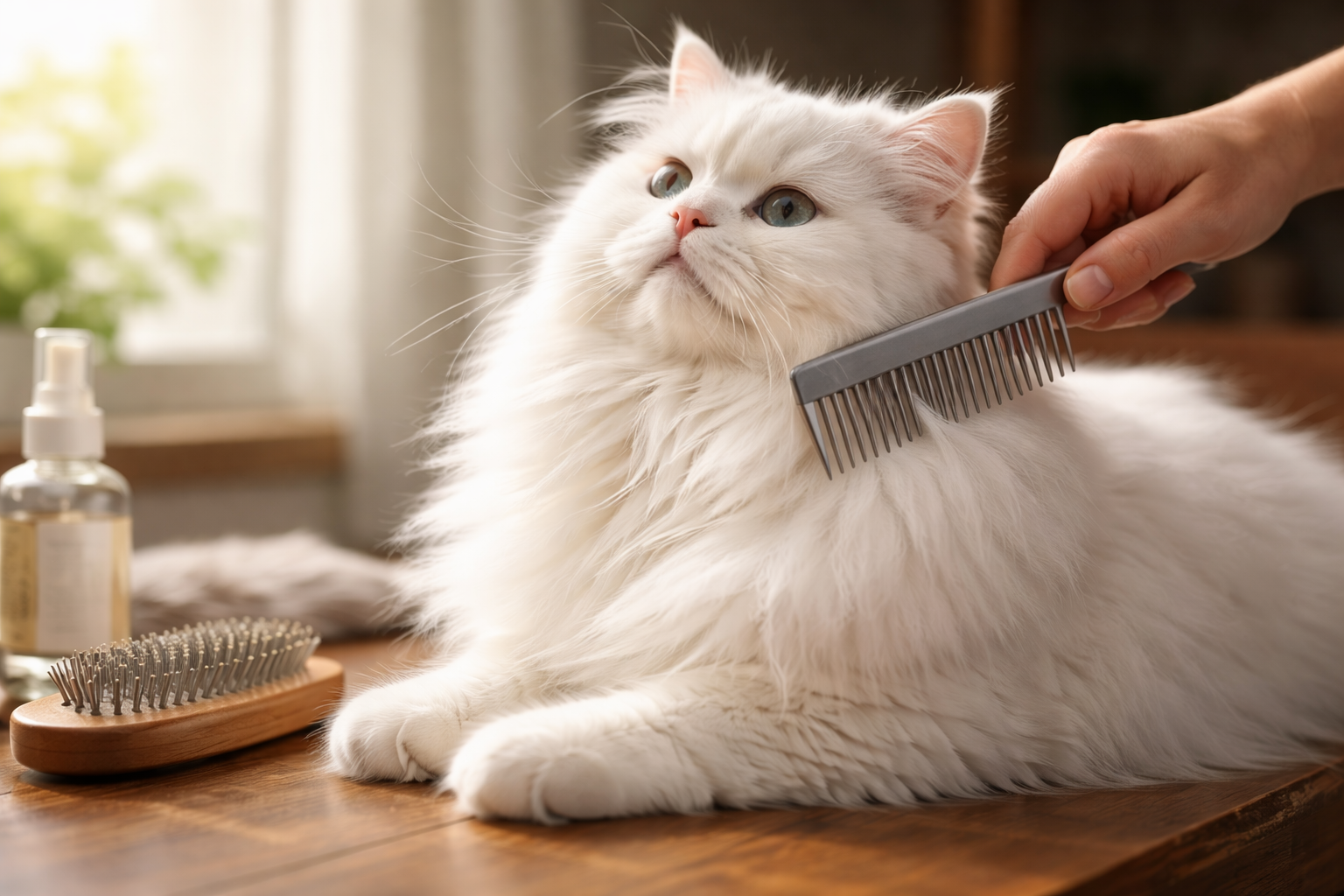
- Gentle brushing: Use a wide-toothed comb or a soft brush designed for long-haired cats to carefully detangle fur. Start slowly and be patient, especially if your cat is not used to grooming.
- Check for debris: After outdoor time or play, look for any dirt, leaves, or small objects caught in the coat that could contribute to matting.
- Monitor skin health: Keep an eye out for redness, bumps, or signs of discomfort under the fur. Healthy skin supports a healthy coat.
- Maintain a clean environment: Regularly clean your cat’s bedding and resting areas to reduce dirt and oils that can build up in the fur.
- Provide enrichment: A happy, active cat is more likely to groom themselves naturally. Offer toys and playtime to encourage movement and self-care.
Always work with your veterinarian to develop a preventive care plan tailored to your Persian cat’s needs. They can offer guidance on grooming techniques and identify any underlying issues that might affect coat health.
Common myths and misunderstandings
When it comes to preventing matting in Persian cats coat maintenance, there are several myths that can cause confusion or lead to ineffective care. Understanding the facts helps ensure your cat stays comfortable and healthy.
Myth 1: Persian cats don’t need regular grooming because their fur is naturally tangle-free.
In reality, Persian cats have long, dense fur that requires consistent brushing to prevent mats and tangles. Skipping grooming can lead to painful mats and skin problems.
Myth 2: Bathing alone is enough to prevent matting.
While occasional baths can help keep the coat clean, they do not replace daily or frequent brushing. Mats form from loose hairs and debris that brushing helps remove before they tangle.
Myth 3: Mats can be safely removed at home with scissors or clippers.
Attempting to cut mats without proper training can injure your cat’s skin. It’s best to consult your veterinarian or a professional groomer for safe mat removal.
Every Persian cat is unique, so preventive care plans should be created with a veterinarian who can provide advice tailored to your cat’s specific needs. This approach ensures the best coat health and overall well-being.
Life-stage considerations
Preventing matting in Persian cats coat maintenance requires attention that varies throughout your cat’s life. Each life stage brings unique needs, so working closely with your veterinarian ensures the best care plan for your pet.
Kittens
Young Persian kittens are still developing their grooming habits and coat texture. Gentle daily brushing helps them get used to being handled and prevents early tangles. Your vet can advise on safe grooming tools and techniques suitable for their delicate skin.
Adult cats
Adult Persians often have thicker, longer coats that need regular maintenance to avoid mats and discomfort. Consistent grooming routines, combined with a balanced diet recommended by your vet, support healthy fur and skin.
Seniors
Older cats may groom less effectively due to arthritis or other health issues, increasing the risk of matting. More frequent grooming sessions and veterinary check-ups can help manage coat health and address any underlying concerns.
Remember, preventive care plans for preventing matting in Persian cats coat maintenance should always be tailored with your veterinarian’s guidance to suit your cat’s specific life stage and health status.
FAQs
How can I prevent matting in my Persian cat’s coat?
Preventing matting in Persian cats coat maintenance involves regular grooming. Daily brushing helps remove loose hair and prevents tangles from forming. Using a wide-toothed comb followed by a fine-toothed comb can be effective. Always be gentle to avoid hurting your cat’s skin.
What tools are best for grooming a Persian cat?
Soft-bristle brushes, wide-toothed combs, and slicker brushes are commonly recommended. These tools help detangle without pulling too hard. Your veterinarian or a professional groomer can suggest the best options for your cat’s specific coat type.
Can diet affect my cat’s coat health?
Yes, a balanced diet rich in essential fatty acids supports healthy skin and fur. Proper nutrition can make the coat shinier and less prone to tangling. Always discuss dietary changes with your veterinarian to ensure they meet your cat’s needs.
When should I seek professional grooming help?
If mats become too tight or close to the skin, it’s best to consult a professional groomer or your veterinarian. They can safely remove mats and advise on a grooming routine tailored to your cat. Never attempt to cut mats yourself, as this can cause injury.
Why is it important to work with a veterinarian on coat maintenance?
Each Persian cat is unique, and a veterinarian can help create a preventive care plan that suits your cat’s health, lifestyle, and coat condition. Regular check-ups ensure any skin or health issues affecting the coat are addressed promptly.
Summary
Preventing matting in Persian cats coat maintenance is an important part of keeping your cat comfortable and healthy. Regular grooming helps reduce painful tangles and skin irritation, while also promoting a shiny, clean coat. With consistent care, you can expect fewer grooming challenges and a happier feline companion.
It’s important to remember that every Persian cat is unique, and their coat care needs may vary. Preventive care plans should always be developed in partnership with your veterinarian, who can provide guidance tailored to your cat’s specific health and lifestyle.
Key benefits of preventive coat maintenance include:
- Reduced risk of painful mats and skin infections
- Improved comfort and mobility for your cat
- Early detection of skin or health issues during grooming sessions
- Strengthened bond through regular handling and care
Regular veterinary check-ups and open communication with your vet team are essential to ensure your Persian cat’s coat and overall health remain in top condition. Always consult your veterinarian for advice on the best grooming practices and preventive care tailored to your pet’s needs.
- Canadian Veterinary Medical Association (CVMA)
- American Veterinary Medical Association (AVMA)
- World Small Animal Veterinary Association (WSAVA)
- Royal Society for the Prevention of Cruelty to Animals (RSPCA)
- Ontario Veterinary College, University of Guelph
Disclaimer: This article provides general information about preventive care for pets and does not replace professional veterinary advice. Always talk to a licensed veterinarian about your pet’s specific needs.