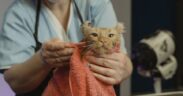
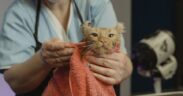
Preventing obesity in indoor cats lifestyle habits

Share

Preventing obesity in indoor cats lifestyle habits
Introduction
Preventing obesity in indoor cats lifestyle habits is an important part of keeping your feline friend healthy and happy. This information is especially helpful for adult and senior cats who spend most of their time indoors, as they can be more prone to weight gain due to lower activity levels.
Maintaining a healthy weight through good lifestyle habits can reduce the risk of many health problems, such as diabetes, arthritis, and heart disease. However, it’s important to remember that prevention does not guarantee perfect health. Each cat is unique, and many factors influence their well-being.
This article offers general guidance to support your cat’s health but does not replace advice from a licensed veterinarian. Your vet can help create a personalised preventive care plan tailored to your cat’s specific needs, including diet, exercise, and regular health checks.
Key points to consider include:
- Providing balanced nutrition appropriate for indoor cats
- Encouraging regular play and physical activity
- Monitoring your cat’s weight and body condition
- Scheduling routine veterinary visits for health assessments
Working closely with your veterinarian is the best way to support your cat’s long-term health and well-being.
Reviewed by SASI Vet Preventive Care Editorial Board.
Why preventive care matters
Preventing obesity in indoor cats lifestyle habits plays a crucial role in maintaining your cat’s long-term health and happiness. Obesity can increase the risk of several common health issues, including diabetes, arthritis, and heart disease. By focusing on preventive care, you help reduce these risks and support your cat’s overall well-being.
Healthy lifestyle habits can also improve your cat’s quality of life by promoting better mobility, energy levels, and mental stimulation. Cats that maintain a healthy weight are often more active and engaged, which contributes to their happiness and comfort.
Additionally, preventive care can help lower the chances of emergency visits or serious complications related to weight-related illnesses. Early attention to diet, exercise, and regular veterinary check-ups allows you and your veterinarian to create a tailored plan that suits your cat’s unique needs.
Remember, every cat is different, and preventive care plans should always be developed in consultation with your veterinarian. Together, you can ensure your indoor cat stays healthy and enjoys a long, vibrant life.
How this preventive measure works
Preventing obesity in indoor cats lifestyle habits involves creating an environment and routine that supports a healthy weight and overall well-being. Since indoor cats often have fewer opportunities for physical activity compared to outdoor cats, managing their diet and encouraging movement are key components.
The basic idea is to balance the calories your cat consumes with the energy they expend. This includes:
- Providing portion-controlled, nutritionally balanced meals tailored to your cat’s needs.
- Incorporating interactive play and exercise to stimulate activity and prevent boredom.
- Offering environmental enrichment, such as climbing structures or puzzle feeders, to encourage natural behaviours and movement.
- Monitoring your cat’s weight regularly to catch any changes early.
By focusing on these lifestyle habits, you help maintain your cat’s ideal body condition, which supports their long-term health and reduces the risk of obesity-related issues. It’s important to work with your veterinarian to develop a preventive care plan that suits your cat’s unique needs and lifestyle.
Which pets need it most
Preventing obesity in indoor cats lifestyle habits is especially important for certain groups of cats who may be more prone to weight gain. Indoor cats, by nature, tend to be less active than their outdoor counterparts, which can increase the risk of excess weight. Cats that are middle-aged or older often have slower metabolisms and reduced activity levels, making them more vulnerable to obesity.
Other factors that can increase the likelihood of weight gain include:
- Living in a multi-cat household where competition for food may lead to overeating
- Having a sedentary lifestyle with limited play or exercise opportunities
- existing health conditions such as hypothyroidism or certain metabolic disorders (always diagnosed by a veterinarian)
- Cats that have been spayed or neutered, as hormonal changes can affect appetite and metabolism
While these factors can increase risk, every cat is unique. A veterinarian can help create a tailored preventive care plan that fits your cat’s specific needs, lifestyle, and health status. Regular check-ups and open communication with your vet are key to maintaining a healthy weight and overall well-being for your indoor cat.
What pet owners should look out for
Preventing obesity in indoor cats lifestyle habits starts with careful observation at home. Being aware of subtle signs and changes in your cat’s behaviour or body condition can help you and your veterinarian adjust preventive care plans effectively.
Here are some key things to watch for:
- Weight changes: Noticeable weight gain or difficulty feeling your cat’s ribs may indicate excess body fat.
- Activity levels: A decrease in playfulness or reluctance to move around can suggest your cat is less active than usual.
- Eating habits: Overeating, begging for food, or changes in appetite might affect weight management.
- Bathroom habits: changes in litter box use or stool consistency can sometimes relate to diet or health issues.
- Coat condition: A dull or unkempt coat may reflect overall health and wellness.
Remember, every cat is unique. If you notice any of these signs or have concerns about your cat’s weight or lifestyle, it’s important to discuss them with your veterinarian. Together, you can develop a safe and effective preventive care plan tailored to your indoor cat’s needs.
Role of the veterinarian
Preventing obesity in indoor cats lifestyle habits is an important goal that your veterinarian can help you achieve through a tailored preventive care plan. Veterinarians work closely with pet owners to support the health and well-being of their cats by providing expert guidance and regular health assessments.
During routine visits, your veterinarian will perform a thorough physical exam to check your cat’s overall condition and identify any early signs of health concerns. They will also recommend appropriate vaccination schedules and parasite control measures based on your cat’s lifestyle and risk factors.
Nutrition advice is a key part of managing your cat’s weight and preventing obesity. Your veterinarian can suggest feeding strategies and portion control tailored to your indoor cat’s needs. They may also recommend screening tests to monitor your cat’s health and detect potential issues early.
Preventive care is an ongoing process that involves regular follow-up appointments to adjust the plan as your cat’s needs change. Remember, the best results come from a strong partnership between you and your veterinarian, working together to keep your indoor cat healthy and happy.
Safe home practices
Preventing obesity in indoor cats lifestyle habits begins with creating a safe and stimulating environment that supports your cat’s health. Regularly monitoring your cat’s weight and body condition is an important step, but always discuss any concerns with your veterinarian before making changes to diet or activity.
Here are some simple, safe home care tips to help maintain a healthy lifestyle for your indoor cat:
- Provide daily playtime: Engage your cat with interactive toys or gentle play sessions to encourage movement and mental stimulation.
- Offer puzzle feeders: These can slow down eating and add a fun challenge, helping to prevent overeating.
- Maintain a consistent feeding routine: Measure portions carefully and avoid free-feeding to control calorie intake.
- Enrich the environment: Add climbing structures, scratching posts, and cozy resting spots to keep your cat active and content.
- Regular grooming: Brushing your cat not only supports coat health but also strengthens your bond and allows you to check for any skin changes or parasites.
Remember, every cat is unique. Work with your veterinarian to develop a preventive care plan tailored to your cat’s needs and lifestyle.
Common myths and misunderstandings
When it comes to preventing obesity in indoor cats lifestyle habits, there are several myths that can cause confusion. Understanding the facts helps you make the best choices for your cat’s health.
Myth 1: Indoor cats don’t need portion control because they are less active. While indoor cats may move less than outdoor cats, they still need balanced portions tailored to their age, weight, and activity level. Overfeeding can quickly lead to weight gain.
Myth 2: Free-feeding dry food is a good way to manage weight. Leaving food out all day can encourage overeating. Scheduled meals with measured amounts are usually better for weight management.
Myth 3: All treats are harmless and don’t affect weight. Treats add extra calories and should be given sparingly. Choosing low-calorie options and factoring treats into daily intake is important.
Remember, every cat is unique. The best preventive care plans for indoor cats should be developed with your veterinarian, who can provide advice based on your cat’s specific needs and lifestyle. This ensures a safe, effective approach to maintaining a healthy weight.
Life-stage considerations
Preventing obesity in indoor cats lifestyle habits can vary depending on your cat’s life stage. Each stage-from kitten to senior-has unique needs that influence how you approach diet, exercise, and overall care. Working closely with your veterinarian ensures the best plan tailored to your cat’s age and health.
Kittens
Kittens are growing rapidly and need a balanced diet to support development without excess calories. Playtime is essential to encourage activity and build healthy habits early on.
Adult cats
Adult cats often have slower metabolisms than kittens, so portion control and regular interactive play help maintain a healthy weight. Monitoring treats and avoiding free-feeding can prevent overeating.
Seniors
Older cats may become less active and have different nutritional requirements. Adjusting food types and encouraging gentle exercise can help manage weight and support mobility.
Remember, these are general guidelines. Your veterinarian can provide specific recommendations based on your cat’s individual health, lifestyle, and life stage to effectively prevent obesity and promote long-term wellness.
FAQs
How can I help prevent obesity in my indoor cat?
Preventing obesity in indoor cats lifestyle habits involves providing a balanced diet, encouraging regular play, and monitoring your cat’s weight. Feeding measured portions and choosing nutritious food designed for indoor cats can support a healthy weight.
What types of activities are best for indoor cats?
Interactive toys, puzzle feeders, and short play sessions throughout the day can keep your cat active and mentally stimulated. Simple activities like chasing a feather wand or playing with laser pointers are great options.
How often should I weigh my cat?
Regularly checking your cat’s weight at home or during vet visits helps catch any changes early. Your veterinarian can recommend how often to weigh your cat based on their individual needs.
Can free feeding cause weight gain in indoor cats?
Free feeding, where food is available all day, can lead to overeating and weight gain. Controlled meal times with measured portions are usually better for managing weight.
When should I talk to my vet about my cat’s weight?
If you notice your cat gaining weight, becoming less active, or having changes in appetite, it’s a good idea to consult your veterinarian. They can help create a safe, effective preventive care plan tailored to your cat.
Summary
Preventing obesity in indoor cats lifestyle habits is an important part of keeping your feline friend healthy and happy. By focusing on balanced nutrition, regular play, and environmental enrichment, you can help maintain a healthy weight and reduce the risk of related health issues.
Key benefits of preventive care include:
- Improved overall well-being and energy levels
- Lower risk of diabetes, joint problems, and heart disease
- Enhanced quality of life and longevity
It’s important to have realistic expectations-weight management is a gradual process that requires patience and consistency. Regular veterinary check-ups are essential to monitor your cat’s health and adjust care plans as needed. Open communication with your vet team ensures that any concerns are addressed promptly and that your cat’s preventive care plan is tailored to their unique needs.
Remember, every cat is different, and preventive care strategies should always be developed in partnership with a licensed veterinarian to ensure the best outcomes for your indoor cat.
- Canadian Veterinary Medical Association (CVMA)
- American Veterinary Medical Association (AVMA)
- World Small Animal Veterinary Association (WSAVA)
- Royal Society for the Prevention of Cruelty to Animals (RSPCA)
- Ontario Veterinary College, University of Guelph
Disclaimer: This article provides general information about preventive care for pets and does not replace professional veterinary advice. Always talk to a licensed veterinarian about your pet’s specific needs.