Preventing overheating in dogs during summer walks

Share
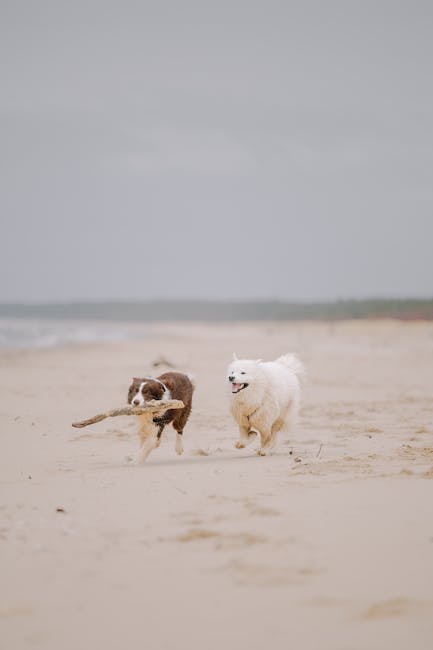
Preventing overheating in dogs during summer walks
Introduction
Preventing overheating in dogs during summer walks is an important part of keeping your furry friend safe and comfortable in warm weather. This advice applies to dogs of all ages, including puppies, adult dogs, and seniors, as each can be vulnerable to heat-related issues.
While taking preventive steps can greatly reduce the risk of overheating and related health problems, it’s important to remember that no approach guarantees perfect health. Every dog is unique, and factors like breed, size, and overall health can affect how they handle heat.
This information is intended to help you understand the basics of preventing overheating but does not replace professional veterinary advice. Always work with your veterinarian to create a preventive care plan tailored to your dog’s specific needs and lifestyle.
Reviewed by SASI Vet Preventive Care Editorial Board.
Why preventive care matters
Preventing overheating in dogs during summer walks is an important part of keeping your pet safe and healthy. Overheating can lead to heatstroke, a serious condition that may cause lasting damage or even be life-threatening. By taking simple preventive steps, you can help your dog enjoy outdoor activities comfortably and avoid emergency situations.
Consistent preventive care supports your dog’s long-term well-being by:
- Reducing the risk of heat-related illnesses and complications
- Improving overall comfort and enjoyment during warm weather
- Lowering the chance of costly and stressful emergency veterinary visits
- Helping maintain healthy organ function and energy levels
Every dog is unique, so it’s important to work with your veterinarian to develop a preventive care plan tailored to your pet’s age, breed, health status, and lifestyle. This approach ensures you’re taking the safest and most effective steps to protect your dog from overheating and other summer hazards.
How this preventive measure works
Preventing overheating in dogs during summer walks involves simple but effective strategies that help keep your pet cool and safe. Dogs regulate their body temperature differently than humans, primarily through panting and limited sweating from their paw pads. When the weather is hot, these natural cooling methods can be overwhelmed, leading to heat stress or heatstroke.
By taking preventive steps, you support your dog’s ability to maintain a safe body temperature. This includes:
- Choosing cooler times of day for walks, such as early morning or late evening
- Providing access to shade and fresh water during outings
- Using cooling aids like damp cloths or cooling vests when appropriate
- Avoiding hot surfaces like asphalt that can burn paws and increase heat exposure
- Monitoring your dog closely for signs of discomfort or overheating
These measures help reduce the risk of overheating by minimizing heat exposure and supporting your dog’s natural cooling processes. It’s important to work with your veterinarian to develop a preventive care plan tailored to your dog’s breed, age, health status, and lifestyle. Your vet can offer guidance on safe exercise practices and other ways to protect your dog during warm weather.
Which pets need it most
Preventing overheating in dogs during summer walks is important for all dogs, but some pets are more vulnerable and benefit most from extra care. Understanding which dogs are at higher risk can help you take appropriate precautions.
Dogs most likely to benefit include:
- Breed and body type: Brachycephalic breeds (such as Bulldogs, Pugs, and Boxers) have shorter airways and can struggle to cool down efficiently.
- Age: Puppies and senior dogs often have less ability to regulate their body temperature.
- Health conditions: Dogs with heart, lung, or obesity-related issues may overheat more easily.
- Lifestyle and environment: Dogs that are very active outdoors, live in hot or humid climates, or have limited access to shade and water during walks.
While these groups are at higher risk, every dog is unique. A veterinarian can help create a preventive care plan tailored to your dog’s specific needs, lifestyle, and health status. Always consult your vet before making changes to your dog’s exercise routine or heat safety measures.
What pet owners should look out for
When preventing overheating in dogs during summer walks, it’s important to watch for early signs that your dog may be struggling with the heat. Recognizing these signs can help you take action before the situation becomes serious.
Some common signs and behaviours to monitor include:
- Excessive panting: While panting is normal, heavy, rapid, or continuous panting can indicate your dog is overheating.
- Drooling more than usual: Increased saliva can be a sign of heat stress.
- Weakness or lethargy: If your dog seems unusually tired, slow, or reluctant to continue walking, it may be overheating.
- Bright red or pale gums: Changes in gum colour can signal distress.
- Disorientation or unsteadiness: Difficulty walking or confusion are serious signs that require immediate attention.
- Seeking shade or water: Your dog may try to cool down by resting in shaded areas or drinking more frequently.
Always remember that preventive care plans should be created with your veterinarian to ensure your dog’s safety during summer activities. If you notice any concerning signs, stop the walk and contact your vet promptly for advice.
Role of the veterinarian
Your veterinarian plays a vital role in preventing overheating in dogs during summer walks by helping you create a tailored preventive care plan. Regular physical exams allow the vet to assess your dog’s overall health and identify any conditions that might increase the risk of heat-related issues.
During visits, your vet will discuss important aspects such as:
- Vaccination plans to protect against infectious diseases
- Parasite control recommendations to keep your dog comfortable and healthy
- Nutrition advice to support your dog’s energy and hydration needs
- Screening tests that may detect underlying health concerns
- Follow-up appointments to monitor your dog’s well-being over time
Working closely with your veterinarian ensures that your dog’s preventive care plan is safe, effective, and suited to their unique needs. This partnership helps you make informed decisions about summer walks and other activities, reducing the risk of overheating and keeping your dog happy and healthy.
Safe home practices
Preventing overheating in dogs during summer walks starts with thoughtful care at home. Keeping your dog comfortable and healthy indoors helps reduce the risk of heat-related issues when you head outside.
Here are some simple, effective practices to support your dog’s well-being during warmer months:
- Provide plenty of fresh water: Always have clean water available to keep your dog hydrated throughout the day.
- Maintain a cool environment: Use fans, air conditioning, or shaded areas to help your dog stay cool indoors.
- Regular grooming: Brushing your dog’s coat helps remove excess fur and promotes better air circulation on the skin.
- Check for ticks and pests: Warm weather increases exposure to ticks and insects, so inspect your dog regularly and discuss preventive options with your veterinarian.
- Monitor weight and activity: Maintaining a healthy weight and avoiding overly strenuous exercise during hot times reduces heat stress risks.
- Enrich the environment: Provide toys and mental stimulation indoors to keep your dog engaged without needing long, hot walks.
Remember, every dog is unique. Work with your veterinarian to develop a preventive care plan tailored to your dog’s needs, ensuring safe and enjoyable summer walks.
Common myths and misunderstandings
When it comes to preventing overheating in dogs during summer walks, there are several myths that can cause confusion. Understanding the facts helps keep your dog safe and comfortable.
Myth: Dogs only overheat on very hot days
Even moderate temperatures combined with humidity or vigorous exercise can lead to overheating. It’s important to watch for signs of heat stress regardless of the weather forecast.
Myth: Dogs cool down quickly once inside or in the shade
While shade and cooler environments help, dogs may still need time to fully recover. Rapid cooling methods can sometimes cause shock, so gradual cooling is best.
Myth: All dogs handle heat the same way
Breed, age, weight, and health all affect how a dog tolerates heat. Brachycephalic breeds (like Bulldogs or Pugs), older dogs, and those with medical conditions are at higher risk.
- Always bring water and offer it frequently.
- Choose cooler times of day for walks, such as early morning or evening.
- Check pavement temperature with your hand to avoid burns.
Remember, the best preventive care plan for your dog’s summer safety should be discussed with your veterinarian, who can provide advice tailored to your pet’s needs.
Life-stage considerations
Preventing overheating in dogs during summer walks requires special attention depending on your pet’s life stage. Puppies, adults, and seniors all have different needs and risks when it comes to heat exposure.
Puppies
Puppies are still developing their ability to regulate body temperature. They may tire quickly and are more vulnerable to heat stress. Shorter, cooler walks and plenty of water breaks are important. Always watch for signs of discomfort and consult your veterinarian about safe exercise routines.
Adult dogs
Healthy adult dogs generally tolerate heat better but can still overheat if walks are too long or during peak sun hours. Choose cooler times of day for walks and avoid hot pavement. Your veterinarian can help you tailor activity levels to your dog’s breed and health.
Seniors
Older dogs often have reduced heat tolerance due to age-related health changes. They may need even shorter walks and more frequent rest. Monitoring for early signs of overheating is crucial. Work with your veterinarian to create a preventive care plan that suits your senior dog’s needs.
In all cases, preventive care plans should be developed with your veterinarian to ensure safe and enjoyable summer walks for your dog.
FAQs
How can I tell if my dog is overheating during summer walks?
Signs of overheating include heavy panting, drooling, weakness, and bright red gums. Your dog may also seem disoriented or try to lie down frequently. If you notice these signs, it’s important to stop walking and help your dog cool down gradually.
What are the best times of day to walk my dog to prevent overheating?
Early mornings and late evenings are usually cooler and safer for walks. Avoid the hottest parts of the day, typically between 11 a.m. and 4 p.m., when the sun is strongest and pavement can become very hot.
Can I use water to help keep my dog cool during walks?
Yes, offering small amounts of water regularly helps keep your dog hydrated. You can also use a damp cloth on their paws or belly, but avoid ice-cold water, which can cause shock. Always carry water and a bowl on walks.
Are certain dog breeds more at risk of overheating?
Yes, brachycephalic breeds (like Bulldogs and Pugs), older dogs, and those with health issues may be more vulnerable. Discuss your dog’s specific risks and preventive care plan with your veterinarian.
What should I do if I suspect my dog is overheating?
Move your dog to a shaded, cool area immediately. Offer water and use cool (not cold) wet towels on their body. Contact your veterinarian promptly for advice, as overheating can become serious quickly.
Summary
Preventing overheating in dogs during summer walks is essential for keeping your furry friend safe and comfortable in warm weather. Taking simple preventive steps can greatly reduce the risk of heat-related issues and help your dog enjoy outdoor activities without stress.
Key benefits of preventive care include:
- Maintaining your dog’s overall health and well-being
- Reducing the chance of heat exhaustion or heatstroke
- Enhancing your dog’s comfort and energy during walks
- Supporting early detection of any health concerns through regular check-ups
It’s important to have realistic expectations and understand that even with the best care, some dogs may be more sensitive to heat due to age, breed, or health conditions. Regular veterinary visits allow your vet team to tailor advice and preventive care plans specifically for your dog’s needs.
Open communication with your veterinarian ensures you can quickly address any concerns and adjust your dog’s summer care as needed. Always work with your vet to create a safe and effective plan for preventing overheating in dogs during summer walks.
Additional resources
- Canadian Veterinary Medical Association (CVMA)
- American Veterinary Medical Association (AVMA)
- World Small Animal Veterinary Association (WSAVA)
- Royal Society for the Prevention of Cruelty to Animals (RSPCA)
- Ontario Veterinary College, University of Guelph
Disclaimer: This article provides general information about preventive care for pets and does not replace professional veterinary advice. Always talk to a licensed veterinarian about your pet’s specific needs.