Preventing poisoning in cats household dangers to avoid

Share
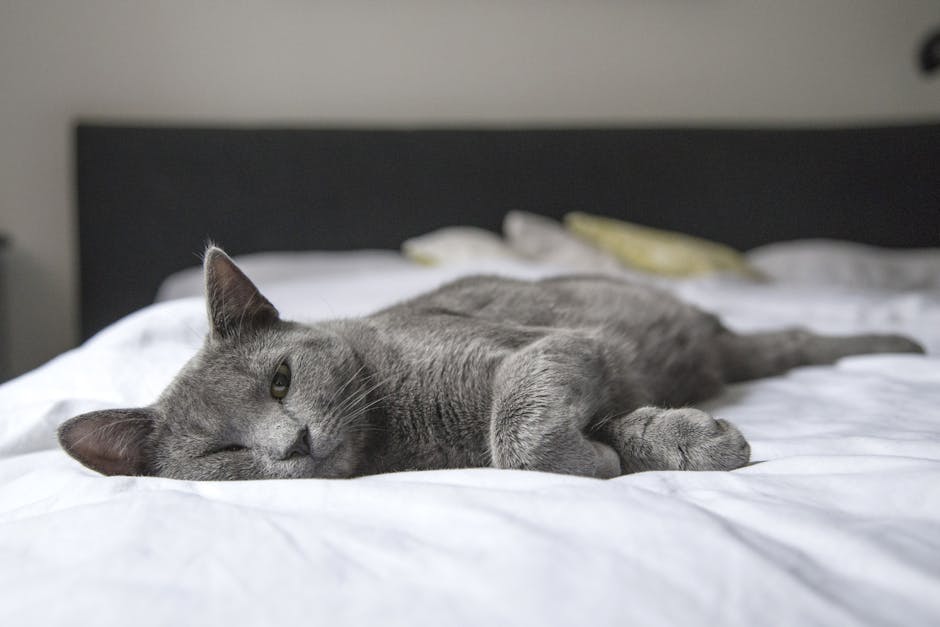
Preventing poisoning in cats household dangers to avoid
Introduction
Preventing poisoning in cats household dangers to avoid is an important part of keeping your feline friend safe and healthy. This information applies to cats of all ages, from curious kittens to senior cats. While taking steps to prevent exposure to harmful substances can greatly reduce the risk of poisoning, it does not guarantee perfect health. Every cat is unique, and their needs may vary.
Preventive care is most effective when tailored to your cat’s lifestyle and environment. Working closely with your veterinarian helps ensure that your cat’s safety plan fits their specific situation. Remember, this article is meant to provide general guidance and does not replace professional veterinary advice.
By learning about common household dangers and how to avoid them, you can create a safer home for your cat. Some common risks include:
- Certain plants and flowers
- Human foods and medications
- Cleaning products and chemicals
- Rodenticides and insecticides
Being aware and proactive helps protect your cat from accidental poisoning and supports their long-term well-being.
Reviewed by SASI Vet Preventive Care Editorial Board.
Why preventive care matters
Preventing poisoning in cats household dangers to avoid is an essential part of keeping your feline friend safe and healthy. By identifying and managing potential hazards in your home, you can significantly reduce the risk of accidental poisoning, which is a common emergency in cats.
Good preventive care helps maintain your cat’s overall well-being and can:
- Lower the chance of serious illness caused by toxic substances
- Improve your cat’s quality of life by creating a safer environment
- Reduce stress and costly emergency veterinary visits
Many household items, such as certain plants, cleaning products, and foods, can be harmful to cats if ingested. Being aware of these dangers and taking steps to keep them out of reach is a simple yet effective way to protect your pet.
Remember, every cat is unique, and the best preventive care plan is one tailored to your pet’s specific needs. Always work with your veterinarian to develop a strategy that keeps your cat safe and thriving in your home.
How this preventive measure works
Preventing poisoning in cats household dangers to avoid involves identifying and minimizing exposure to common toxins found in everyday environments. This type of prevention focuses on creating a safe living space where your cat is less likely to encounter harmful substances.
By understanding which household items and plants can be dangerous, pet owners can take simple steps to reduce risks. This includes:
- Keeping cleaning products, medications, and chemicals securely stored out of reach
- Removing or avoiding toxic plants and foods that cats may be tempted to nibble on
- Ensuring that small objects or substances that could be ingested accidentally are not accessible
- Monitoring your cat’s environment regularly for new potential hazards
These preventive actions work by limiting your cat’s contact with poisons before any harm occurs. It’s important to remember that every cat and home is different, so a tailored preventive care plan should be developed with your veterinarian. They can help you identify specific risks and recommend safe practices to keep your feline friend healthy and protected.
Which pets need it most
Preventing poisoning in cats household dangers to avoid is important for all cats, but some may benefit more from focused preventive care. Kittens and senior cats are often at higher risk due to their curiosity or weakened immune systems. Cats with outdoor access may encounter more hazards, such as toxic plants, chemicals, or rodents treated with poison.
Cats living in multi-pet households or homes with young children might also face increased risks, as accidental exposures can happen more easily. Additionally, cats with existing health conditions, such as kidney or liver disease, may be more vulnerable to the effects of toxins.
Regardless of your cat’s age, lifestyle, or health status, it’s essential to work with your veterinarian to develop a tailored preventive plan. Your vet can help identify specific household dangers to avoid and recommend safe practices to protect your feline friend.
- Kittens and senior cats
- Cats with outdoor access
- Multi-pet or child-friendly homes
- Cats with pre-existing health issues
Always consult your veterinarian for advice specific to your cat’s needs and environment to ensure the best protection against poisoning risks.
What pet owners should look out for
Preventing poisoning in cats household dangers to avoid is an important part of keeping your feline friend safe and healthy. While many toxins are common in homes, being aware of signs and behaviours that could indicate exposure is key to early intervention.
Watch for any sudden changes in your cat’s behaviour or health, such as:
- Unexplained vomiting or diarrhoea
- Excessive drooling or pawing at the mouth
- Weakness, lethargy, or difficulty walking
- Sudden changes in appetite or drinking habits
- Unusual vocalization or signs of distress
- Seizures or tremors
These signs do not always mean poisoning, but they do signal that your cat may need veterinary attention. Preventive care plans tailored to your home environment and your cat’s lifestyle are best developed with your veterinarian. They can help identify specific household dangers to avoid and recommend safe products and practices.
Regular check-ups and open communication with your vet ensure that preventive care is effective and any concerns are addressed promptly. Remember, your vigilance at home is a vital part of protecting your cat from potential poisons.
Role of the veterinarian
Your veterinarian plays a vital role in preventing poisoning in cats household dangers to avoid. They work closely with you to develop a personalised preventive care plan that keeps your cat safe and healthy.
During regular physical exams, your vet assesses your cat’s overall health and identifies any potential risks. They also recommend appropriate vaccinations to protect against infectious diseases and suggest parasite control measures tailored to your cat’s lifestyle.
Nutrition advice is another important aspect of preventive care. Your vet can guide you on feeding practices that support your cat’s well-being and reduce the risk of accidental poisoning from inappropriate foods or substances.
Screening tests may be recommended to detect early signs of illness or exposure to toxins. Follow-up visits help monitor your cat’s health and adjust the care plan as needed.
Remember, preventing poisoning in cats household dangers to avoid requires a partnership between you and your veterinarian. Always consult your vet before introducing new products or making changes to your cat’s environment or routine. Together, you can create a safe home and a healthy life for your feline friend.
Safe home practices
Preventing poisoning in cats household dangers to avoid begins with creating a safe environment where your feline friend can explore without risk. Many common household items and plants can be harmful if ingested, so it’s important to be vigilant and proactive.
Here are some practical steps to help keep your cat safe at home:
- Store chemicals securely: Keep cleaning products, antifreeze, and medications locked away or in cabinets your cat cannot access.
- Be cautious with plants: Some popular houseplants are toxic to cats. Research any new plants before bringing them home and consider pet-safe alternatives.
- Monitor food and treats: Avoid leaving human foods like chocolate, onions, grapes, or alcohol within reach, as these can be poisonous to cats.
- Provide environmental enrichment: Offer toys, scratching posts, and safe spaces to reduce stress and discourage chewing on unsafe items.
- Regular health checks: Keep an eye on your cat’s behaviour and appetite, and consult your veterinarian if you notice any unusual signs.
Remember, every cat is unique. Work with your veterinarian to develop a preventive care plan tailored to your cat’s needs and lifestyle. This partnership is key to maintaining your cat’s health and safety at home.
Common myths and misunderstandings
When it comes to preventing poisoning in cats household dangers to avoid, there are several myths that can cause confusion or unnecessary worry. Understanding the facts helps keep your cat safe and healthy.
Myth 1: Only obvious poisons like chemicals or plants are dangerous. While many household chemicals and certain plants can be toxic, some everyday items like human medications, certain foods, and even essential oils can also pose risks. It’s best to keep anything potentially harmful well out of your cat’s reach.
Myth 2: If my cat licks a small amount of something toxic, it’s not a big deal. Even small exposures can sometimes cause serious problems depending on the substance and your cat’s health. Always consult your veterinarian if you suspect your cat has ingested something harmful.
Myth 3: Natural or homemade remedies are always safe for cats. Many natural substances can be toxic to cats, and homemade treatments may do more harm than good. Preventive care plans and treatments should always be discussed with your veterinarian.
Remember, the best way to protect your cat is through a preventive care plan created with your veterinarian. They can provide tailored advice to help you avoid household dangers and keep your feline friend safe.
Life-stage considerations
Preventing poisoning in cats household dangers to avoid can vary depending on your cat’s life stage. Kittens, adults, and senior cats have different behaviours, vulnerabilities, and health needs that influence how you approach safety in your home.
Kittens are naturally curious and tend to explore by chewing or licking objects. This increases their risk of accidental poisoning from common household items like cleaning products, plants, or human foods. Extra vigilance and kitten-proofing your home are essential during this stage.
Adult cats may be less exploratory but can still encounter hazards, especially if they spend time outdoors or around new substances. Maintaining a safe environment and monitoring any changes in behaviour or appetite can help catch potential issues early.
Senior cats often have underlying health conditions or weakened immune systems, making them more sensitive to toxins. Their metabolism and organ function may change, so even small exposures can be more serious.
Because each cat is unique, it’s important to work with your veterinarian to develop a preventive care plan tailored to your cat’s age, lifestyle, and health status. Your vet can provide guidance on specific household dangers to avoid and how to keep your feline friend safe throughout their life.
FAQs
What are common household dangers that can poison cats?
Many everyday items can be harmful to cats, including certain plants (like lilies), cleaning products, human medications, antifreeze, and some foods such as chocolate or onions. It’s important to keep these out of reach to prevent accidental poisoning.
How can I prevent my cat from getting poisoned at home?
Preventing poisoning in cats household dangers to avoid include:
- Storing chemicals and medications securely
- Keeping toxic plants out of your cat’s environment
- Not leaving food or drinks unattended
- Using pet-safe cleaning products when possible
Regularly discuss your home environment with your veterinarian to create a safe space for your cat.
What should I do if I suspect my cat has been poisoned?
If you think your cat has ingested something harmful, contact your veterinarian immediately. Quick action can make a big difference. Do not try to treat your cat yourself without professional advice.
Are there signs I should watch for that indicate poisoning?
Signs can vary but may include vomiting, drooling, weakness, difficulty breathing, or unusual behaviour. If you notice any of these, seek veterinary care promptly.
Summary
Preventing poisoning in cats household dangers to avoid is an essential part of keeping your feline friend safe and healthy. By identifying and managing common household hazards, you can significantly reduce the risk of accidental poisoning. Preventive care not only protects your cat’s well-being but also provides peace of mind for you as a pet owner.
It’s important to have realistic expectations-while you can minimize risks, no environment is completely hazard-free. Regular veterinary check-ups play a vital role in early detection and guidance tailored to your cat’s specific needs. Open communication with your veterinarian and their team ensures that your preventive care plan is both effective and up to date.
- Keep toxic substances out of reach, including certain plants, foods, and chemicals.
- Store medications securely and never share human medications with pets.
- Be aware of seasonal and environmental risks that may affect your cat.
- Discuss any concerns or changes in your cat’s behaviour promptly with your vet.
Always work with your veterinarian to create a preventive care plan tailored to your cat’s lifestyle and health status. This collaborative approach helps maintain your cat’s safety and supports a long, happy life together.
Additional Resources
- Canadian Veterinary Medical Association (CVMA)
- American Veterinary Medical Association (AVMA)
- World Small Animal Veterinary Association (WSAVA)
- Royal Society for the Prevention of Cruelty to Animals (RSPCA)
- Ontario Veterinary College, University of Guelph
Disclaimer: This article provides general information about preventive care for pets and does not replace professional veterinary advice. Always talk to a licensed veterinarian about your pet’s specific needs.