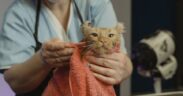
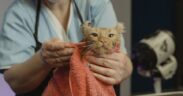
Preventing winter dryness in cats skin and coat care

Share

Preventing winter dryness in cats skin and coat care
Introduction
As the cold winter months approach, many cat owners notice changes in their pet’s skin and coat. Preventing winter dryness in cats skin and coat care is an important part of keeping your feline friend comfortable and healthy during this season. This advice applies to cats of all ages-from playful kittens to senior cats-since dry air and indoor heating can affect any pet.
While taking preventive steps can reduce the risk of skin irritation, flaking, and discomfort, it’s important to remember that prevention does not guarantee perfect health. Every cat is unique, and some may be more sensitive to environmental changes than others.
This information is intended to help you understand common causes of winter dryness and suggest general care tips. It does not replace professional veterinary advice. Always work with your veterinarian to develop a preventive care plan tailored to your cat’s specific needs, especially if your pet has existing skin conditions or other health concerns.
Reviewed by SASI Vet Preventive Care Editorial Board.
Why preventive care matters
Preventing winter dryness in cats skin and coat care is an important part of keeping your feline friend comfortable and healthy during colder months. Dry, flaky skin can lead to itching, irritation, and even infections if left unaddressed. By focusing on preventive care, you help reduce these risks and support your cat’s overall well-being.
Consistent preventive measures can:
- Maintain a healthy, shiny coat that protects against harsh winter conditions
- Lower the chance of skin problems that might require emergency veterinary visits
- Improve your cat’s comfort and quality of life by reducing itchiness and discomfort
- Help you spot early signs of skin issues before they become serious
Every cat is unique, so it’s best to work with your veterinarian to develop a preventive care plan tailored to your pet’s needs. This approach ensures that your cat stays healthy and happy throughout the winter and beyond.
How this preventive measure works
Preventing winter dryness in cats skin and coat care involves maintaining your cat’s natural moisture and protecting their skin from the harsh effects of cold, dry air. During winter, indoor heating and lower humidity can strip moisture from your cat’s skin, leading to dryness, itchiness, and a dull coat.
This type of preventive care focuses on supporting your cat’s skin barrier and overall hydration. Key elements include:
- Ensuring your cat stays well-hydrated by providing fresh water at all times.
- Using gentle grooming techniques to remove loose fur and distribute natural oils evenly.
- Maintaining a balanced diet rich in essential fatty acids, which help keep skin supple and coat shiny.
- Creating a comfortable indoor environment with moderate humidity to reduce skin dryness.
These steps help reduce irritation and maintain a healthy, glossy coat throughout the winter months. Remember, every cat is unique, so it’s important to work with your veterinarian to develop a preventive care plan tailored to your cat’s specific needs and lifestyle.
Which pets need it most
Preventing winter dryness in cats skin and coat care is important for many feline companions, but some cats may benefit more than others. Dry indoor air during colder months can lead to flaky, itchy skin and a dull coat, especially in certain groups of cats.
Those who may need extra attention include:
- Senior cats: Older cats often have thinner skin and may groom less effectively, making them more prone to dryness.
- Indoor-only cats: Heated homes tend to have lower humidity, which can dry out the skin and coat.
- Cats with existing skin conditions: Cats with allergies, dermatitis, or other skin sensitivities may experience worsened symptoms in winter.
- Long-haired breeds: Their dense coats can trap dry air close to the skin, increasing the risk of dryness.
- Cats with low water intake: Proper hydration supports healthy skin, so cats that drink less water may be more vulnerable.
Every cat is unique, so it’s best to work with your veterinarian to develop a preventive care plan tailored to your cat’s specific needs and environment. This ensures the healthiest skin and coat throughout the winter months and beyond.
What pet owners should look out for
Preventing winter dryness in cats skin and coat care is important to keep your feline friend comfortable during colder months. While some changes are normal, certain signs may indicate that your cat needs extra attention or a review of their preventive care plan with your veterinarian.
Watch for these common signs that could suggest dryness or irritation:
- Excessive scratching or grooming, which may cause hair thinning or skin redness
- Flaky or dull-looking fur, indicating a lack of moisture in the skin
- Dry, cracked, or scaly patches on the skin, especially around the ears, paws, or tail
- Changes in behaviour such as increased restlessness or hiding, which might signal discomfort
- Unusual shedding or bald spots that develop over time
If you notice any of these signs, it’s a good idea to consult your veterinarian. They can help tailor a preventive care plan that suits your cat’s specific needs, including adjustments to diet, grooming routines, or environmental factors. Remember, early attention can help maintain your cat’s healthy skin and coat throughout the winter season.
Role of the veterinarian
Your veterinarian plays a key role in preventing winter dryness in cats skin and coat care. They work with you to create a personalised preventive care plan that supports your cat’s health throughout the colder months and beyond.
During regular physical exams, your vet will assess your cat’s skin and coat condition, looking for early signs of dryness or irritation. These visits also provide an opportunity to update vaccination plans and discuss parasite control, which can affect skin health.
Veterinarians offer tailored nutrition advice to help maintain a healthy, moisturized coat. They may recommend specific diets or supplements that support skin hydration and overall wellness.
Screening tests can identify underlying health issues that might contribute to skin problems, ensuring timely management. Follow-up appointments help track progress and adjust care as needed.
Preventive care is a partnership between you and your veterinarian. By working together, you can help keep your cat’s skin and coat healthy during winter and all year round. Always consult your vet before starting any new treatments or changes to your cat’s care routine.
Safe home practices
Preventing winter dryness in cats skin and coat care starts with simple, safe steps you can take at home. Cold, dry air can lead to flaky skin and a dull coat, so maintaining your cat’s comfort and health during the colder months is important.
Here are some helpful practices to support your cat’s skin and coat health:
- Regular brushing: Gently brushing your cat helps remove loose fur and distributes natural oils, keeping the coat shiny and skin moisturized.
- Maintain hydration: Ensure fresh water is always available. Proper hydration supports healthy skin from the inside out.
- Monitor indoor humidity: Using a humidifier can add moisture to dry indoor air, which benefits your cat’s skin.
- Balanced nutrition: Feeding a well-rounded diet rich in essential fatty acids supports skin health and coat quality.
- Environmental enrichment: Reducing stress through play and interaction can help prevent skin issues linked to over-grooming.
- Regular health checks: Keep an eye on your cat’s skin and coat for any changes, and discuss concerns with your veterinarian.
Always work with your veterinarian to create a preventive care plan tailored to your cat’s needs. They can provide guidance on safe products and strategies to keep your feline friend comfortable throughout winter.
Common myths and misunderstandings
When it comes to preventing winter dryness in cats skin and coat care, there are several myths that can cause confusion. It’s important to separate fact from fiction to ensure your cat stays comfortable and healthy during colder months.
Myth 1: Indoor cats don’t need any special skin care in winter. Even indoor cats can experience dry skin due to heated, low-humidity environments. Regular grooming and maintaining proper humidity levels can help, but always check with your veterinarian for tailored advice.
Myth 2: Bathing your cat frequently prevents dry skin. Over-bathing can actually strip natural oils from your cat’s coat, worsening dryness. Most cats do not require frequent baths, and any bathing routine should be discussed with your vet.
Myth 3: Applying human moisturizers or oils is safe for cats. Many products designed for people can be harmful if ingested or absorbed by cats. Only use products specifically recommended by your veterinarian.
Remember, the best preventive care plans for your cat’s skin and coat during winter are created in partnership with a licensed veterinarian. They can provide evidence-informed guidance suited to your cat’s unique needs.
Life-stage considerations
Preventing winter dryness in cats skin and coat care can vary depending on your cat’s age and overall health. Each life stage brings unique needs, so it’s important to tailor preventive care accordingly.
Kittens
Kittens have delicate skin and developing coats, making gentle care essential. Avoid harsh grooming products and ensure their environment is warm and humidified to reduce dryness.
Adult Cats
Adult cats generally have more resilient skin but can still be affected by cold, dry air. Regular brushing helps distribute natural oils, and maintaining proper hydration supports skin health.
Senior Cats
Older cats may experience thinner skin and slower coat renewal, increasing their risk of dryness and irritation. Extra attention to moisturizing and avoiding drafts can help keep their skin comfortable.
- Monitor for changes in skin texture or coat condition.
- Use vet-approved grooming products suited for your cat’s age.
- Maintain a comfortable indoor humidity level during winter months.
Always consult your veterinarian to develop a preventive care plan that fits your cat’s specific life stage and health status. They can provide personalized advice to keep your feline friend comfortable and healthy throughout the winter season.
FAQs
How can I tell if my cat’s skin is dry from winter?
Signs of dryness include flaky skin, dull or brittle fur, and occasional scratching. Some cats may also develop small red patches or feel itchy. If you notice these changes, it’s a good idea to mention them to your veterinarian.
What are simple ways to prevent winter dryness in cats skin and coat care?
Maintaining your cat’s skin and coat health during winter can be supported by:
- Using a humidifier to add moisture to dry indoor air
- Brushing your cat regularly to remove loose fur and distribute natural oils
- Providing a balanced diet rich in essential fatty acids
- Ensuring your cat stays well hydrated
Should I use special shampoos or moisturizers on my cat?
Some gentle, vet-recommended shampoos can help, but avoid human products or anything not specifically made for cats. Always consult your veterinarian before trying new skin or coat products.
When should I see a veterinarian about my cat’s skin?
If dryness persists, worsens, or is accompanied by hair loss, redness, or discomfort, it’s important to have your cat examined. Your vet can help create a preventive care plan tailored to your cat’s needs.
Summary
Preventing winter dryness in cats skin and coat care is an important part of keeping your feline friend comfortable and healthy during colder months. Dry indoor air and seasonal changes can lead to flaky skin, dull fur, and occasional itching. By focusing on preventive care, you can help maintain your cat’s natural moisture balance and overall well-being.
Key benefits of preventive care include:
- Supporting a shiny, healthy coat
- Reducing the risk of skin irritation and discomfort
- Helping your cat feel more comfortable and active
It’s important to have realistic expectations-some dryness may still occur despite your best efforts. Regular veterinary check-ups are essential to monitor your cat’s skin and coat health and to address any concerns early. Open communication with your veterinarian and their team ensures that any preventive care plan is tailored to your cat’s unique needs.
Remember, preventive care plans should always be developed in partnership with a licensed veterinarian. This approach helps ensure your cat receives safe, effective care throughout the winter season and beyond.
- Canadian Veterinary Medical Association (CVMA)
- American Veterinary Medical Association (AVMA)
- World Small Animal Veterinary Association (WSAVA)
- Royal Society for the Prevention of Cruelty to Animals (RSPCA)
- Ontario Veterinary College, University of Guelph
Disclaimer: This article provides general information about preventive care for pets and does not replace professional veterinary advice. Always talk to a licensed veterinarian about your pet’s specific needs.