Preventing winter paw injuries in dogs ice and salt protection

Share
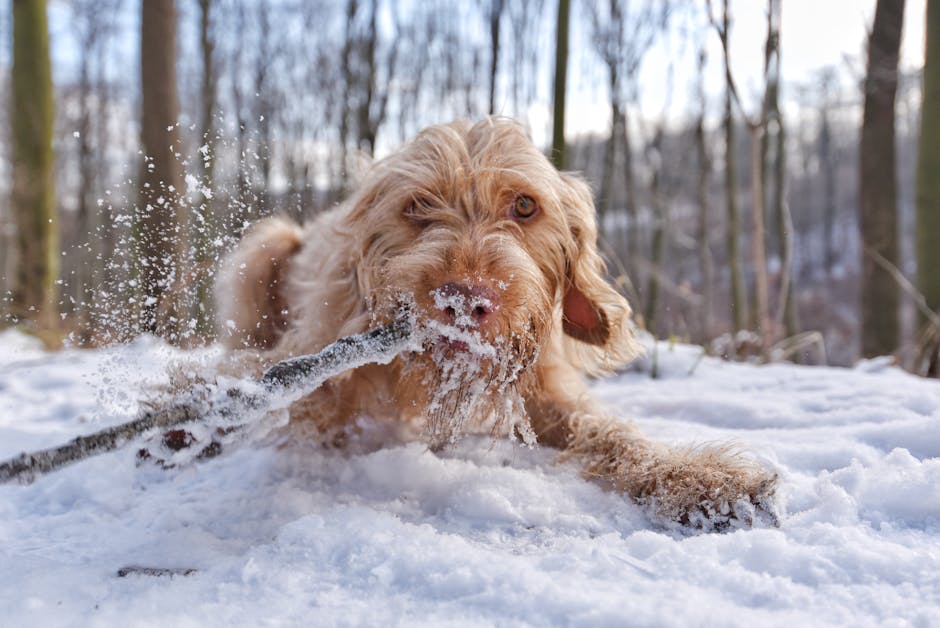
Preventing winter paw injuries in dogs ice and salt protection
Introduction
Winter can be a challenging season for dogs, especially when it comes to protecting their paws from ice and salt. This information is helpful for all dogs, including puppies, adult dogs, and seniors. Cold weather, ice, and de-icing salts can cause discomfort, dryness, or even injuries to your dog’s paws if not properly managed.
Preventing winter paw injuries in dogs ice and salt protection is an important part of keeping your pet comfortable and healthy during the colder months. While taking preventive steps can reduce the risk of paw problems, it does not guarantee perfect health. Every dog is unique, and some may be more sensitive or prone to issues than others.
Remember, this information is meant to support your understanding of winter paw care and does not replace advice from a licensed veterinarian. Working with your vet to create a preventive care plan tailored to your dog’s needs is the safest way to protect their paws and overall well-being throughout the winter season.
Reviewed by SASI Vet Preventive Care Editorial Board.
Why preventive care matters
Preventing winter paw injuries in dogs ice and salt protection is an important part of keeping your furry friend healthy and comfortable during the colder months. Cold weather, ice, and salt used on sidewalks and roads can cause cracks, irritation, and even painful wounds on your dog’s paws. Taking preventive steps helps reduce these risks and supports your dog’s overall well-being.
By protecting your dog’s paws from harsh winter conditions, you can:
- Lower the chance of infections and inflammation caused by cuts or chemical exposure
- Improve your dog’s mobility and comfort, encouraging regular exercise even in winter
- Reduce the likelihood of emergency vet visits related to paw injuries or infections
- Support long-term paw health, preventing chronic issues that can affect quality of life
Every dog is unique, so it’s best to work with your veterinarian to create a preventive care plan tailored to your pet’s needs. This plan can include safe paw care routines, protective gear, and advice on avoiding hazardous areas. With thoughtful preventive care, you help your dog enjoy the winter season safely and happily.
How this preventive measure works
Preventing winter paw injuries in dogs ice and salt protection involves creating a barrier between your dog’s paws and harsh winter conditions. Ice, snow, and road salt can cause irritation, dryness, and even small cuts or cracks on the paw pads. By taking simple precautions, you help maintain your dog’s comfort and reduce the risk of injury during outdoor winter activities.
Common approaches include:
- Using protective booties to shield paws from cold surfaces and salt.
- Applying paw balms or waxes that create a moisture barrier and soothe the skin.
- Rinsing and drying paws after walks to remove salt and debris.
- Trimming fur between the pads to prevent ice buildup.
These measures work by minimizing direct contact with harmful substances and keeping the skin hydrated and healthy. It’s important to remember that every dog is different, and what works best can vary based on their activity level, coat type, and sensitivity.
Always discuss a preventive care plan with your veterinarian to ensure the safest and most effective approach for your dog’s specific needs during winter months.
Which pets need it most
Preventing winter paw injuries in dogs ice and salt protection is important for many pets, but some are more vulnerable than others. Dogs that spend a lot of time outdoors during the colder months are at higher risk of paw pad damage from ice, snow, and de-icing salts.
Pets who may benefit most include:
- Active outdoor dogs: Dogs that enjoy winter walks, hikes, or playtime outside are more exposed to harsh conditions.
- Older dogs: Senior dogs may have thinner paw pads or arthritis, making them more sensitive to cold and rough surfaces.
- Small or short-haired breeds: These dogs often have less natural protection against cold and may be more prone to injuries.
- Dogs with existing paw issues: Pets with cracked pads, allergies, or previous injuries need extra care to prevent worsening problems.
- Pets living in urban or icy environments: Salt and chemical de-icers used on sidewalks and roads can irritate and damage paws.
While these groups may benefit most, every dog is unique. It’s best to work with your veterinarian to develop a preventive care plan tailored to your pet’s specific needs and lifestyle. This ensures safe and effective protection throughout the winter season.
What pet owners should look out for
When preventing winter paw injuries in dogs ice and salt protection, it’s important to watch for signs that your dog’s paws may be irritated or damaged. Early detection helps you adjust your preventive care plan in consultation with your veterinarian.
Keep an eye on your dog’s behaviour and paws for:
- Limping or favouring one paw over others
- Excessive licking or chewing of the paws
- Redness, swelling, or cracks between the toes or on the pads
- Visible cuts, abrasions, or bleeding
- Dry, flaky, or peeling skin on the paw pads
- Reluctance to go outside or signs of discomfort when walking on icy or salted surfaces
If you notice any of these signs, it may indicate that your current protective measures need adjustment or that your dog requires veterinary attention. Remember, preventive care plans should always be tailored with the guidance of a licensed veterinarian to ensure your dog’s paws stay healthy and comfortable throughout the winter months.
Role of the veterinarian
Your veterinarian plays a key role in preventing winter paw injuries in dogs ice and salt protection by creating a tailored preventive care plan for your pet. Regular physical exams help identify any early signs of discomfort or injury, ensuring timely attention before problems worsen.
During visits, your vet will discuss important aspects such as:
- Vaccination plans to keep your dog protected from seasonal illnesses
- Parasite control recommendations suited to your region and lifestyle
- Nutrition advice to support overall health and paw condition
- Screening tests that may detect underlying issues affecting your dog’s mobility or skin
Preventive care is a partnership between you and your veterinarian. Together, you can develop strategies to protect your dog’s paws from harsh winter conditions, including ice and salt exposure. Your vet can also guide you on safe products and practices to use at home.
Remember, every dog is unique. A preventive care plan should always be created and adjusted in consultation with your veterinarian to best suit your dog’s individual needs and lifestyle.
Safe home practices
Preventing winter paw injuries in dogs ice and salt protection starts with simple, consistent care at home. Cold weather and harsh chemicals can cause discomfort or damage to your dog’s paws, so it’s important to take steps that keep them safe and healthy throughout the season.
Here are some friendly tips to help protect your dog’s paws during winter:
- Regular paw checks: After walks, gently inspect your dog’s paws for cracks, redness, or stuck debris like ice or salt crystals.
- Wipe paws clean: Use a damp cloth or pet-safe wipes to remove any salt or chemicals that can irritate the skin.
- Keep nails trimmed: Well-maintained nails reduce the risk of injury and help your dog walk more comfortably on slippery surfaces.
- Moisturize paws: Apply a veterinarian-recommended paw balm to prevent dryness and cracking, especially if your dog spends a lot of time outdoors.
- Provide indoor enrichment: When weather limits outdoor time, offer toys and activities to keep your dog mentally and physically engaged.
Always discuss your dog’s preventive care plan with your veterinarian to ensure it suits their specific needs. Together, you can keep your furry friend safe and comfortable all winter long.
Common myths and misunderstandings
When it comes to preventing winter paw injuries in dogs ice and salt protection, there are several myths that can cause confusion. It’s important to rely on evidence-informed veterinary advice to keep your dog safe and comfortable during cold months.
Myth 1: Salt on sidewalks is harmless to dogs. While salt helps melt ice, it can irritate your dog’s paws and may be toxic if ingested in large amounts. Rinsing or wiping paws after walks is a safer approach.
Myth 2: Dogs don’t need paw protection if they have thick fur. Even dogs with thick fur can suffer from cold, ice cuts, or salt irritation. Protective measures like booties or paw balms can help all breeds.
Myth 3: You can use human lotions or creams on dog paws. Many products made for people contain ingredients that may be harmful to dogs. Always use products specifically designed for pets and consult your veterinarian.
Every dog is unique, so the best preventive care plan for winter paw safety should be created with your veterinarian. They can recommend appropriate products and strategies tailored to your dog’s needs and lifestyle.
Life-stage considerations
Preventing winter paw injuries in dogs ice and salt protection can vary depending on your pet’s life stage. Puppies, adults, and seniors all have different needs and sensitivities, so it’s important to tailor care accordingly. Always work with your veterinarian to develop a plan that suits your pet’s unique situation.
Puppies
Puppies have delicate skin and developing paws, making them more vulnerable to ice and salt irritation. Gentle cleaning after walks and limiting exposure to harsh conditions can help protect their paws.
Adult dogs
Adult dogs generally tolerate cold better but still need protection from ice, salt, and chemicals. Regular paw checks and using protective booties or balms can reduce the risk of injury.
Seniors
Older dogs may have thinner skin, arthritis, or slower healing, increasing their risk of paw injuries. Extra caution, shorter walks on icy surfaces, and more frequent paw care are often recommended.
- Inspect paws after every outdoor trip
- Rinse paws to remove salt and chemicals
- Use veterinarian-approved paw balms or protective gear
- Adjust activity based on your pet’s comfort and mobility
Because every pet is different, consult your veterinarian to create a preventive care plan that best protects your dog’s paws throughout the winter months.
FAQs
How can I protect my dog’s paws from ice and salt?
To prevent winter paw injuries in dogs ice and salt protection is key. You can use dog booties to shield paws or apply a pet-safe paw balm before walks. After being outside, gently rinse and dry your dog’s paws to remove salt and ice particles.
Are dog booties necessary for all dogs in winter?
Not all dogs need booties, but they are especially helpful for dogs with sensitive paws, thin fur, or those who spend a lot of time outdoors. Booties provide a barrier against cold, ice, and salt, reducing the risk of cuts and irritation.
What signs should I watch for that indicate paw injury?
- Limping or favouring one paw
- Excessive licking or chewing of paws
- Redness, swelling, or cracks between toes
- Visible cuts or bleeding
If you notice any of these signs, contact your veterinarian for advice.
Can I use regular human lotions or creams on my dog’s paws?
It’s best to avoid human products, as some ingredients can be harmful to dogs. Use only products specifically made for pets, and consult your veterinarian for recommendations.
How often should I check my dog’s paws during winter?
Check your dog’s paws before and after walks during winter months. Regular inspection helps catch any issues early and keeps your dog comfortable and safe.
Summary
Preventing winter paw injuries in dogs ice and salt protection is an important part of keeping your furry friend safe and comfortable during colder months. Taking simple preventive steps can reduce the risk of cuts, irritation, and discomfort caused by ice, snow, and de-icing salts commonly used on sidewalks and roads.
Key benefits of preventive care include:
- Protecting your dog’s paw pads from harsh chemicals and rough surfaces
- Reducing the chance of painful cracks, burns, or infections
- Helping your dog stay active and happy throughout winter
While preventive measures are effective, it’s important to have realistic expectations. Some dogs may still experience mild irritation despite your best efforts. Regular veterinary check-ups allow your vet to monitor your dog’s paw health and recommend tailored care plans.
Open communication with your veterinary team is essential. They can provide guidance on safe products, appropriate protective gear, and when to seek professional care. Remember, every dog is unique, and preventive care plans should always be created in partnership with your veterinarian to ensure the best outcomes for your pet’s health and well-being.
Additional Resources
- Canadian Veterinary Medical Association (CVMA) – www.canadianveterinarians.net
- American Veterinary Medical Association (AVMA) – www.avma.org
- World Small Animal Veterinary Association (WSAVA) – www.wsava.org
- Royal Society for the Prevention of Cruelty to Animals (RSPCA) – www.rspca.org.uk
- Ontario Veterinary College, University of Guelph – www.ovc.uoguelph.ca
Disclaimer: This article provides general information about preventive care for pets and does not replace professional veterinary advice. Always talk to a licensed veterinarian about your pet’s specific needs.