Preventive care for cats before pet sitters arrive

Share
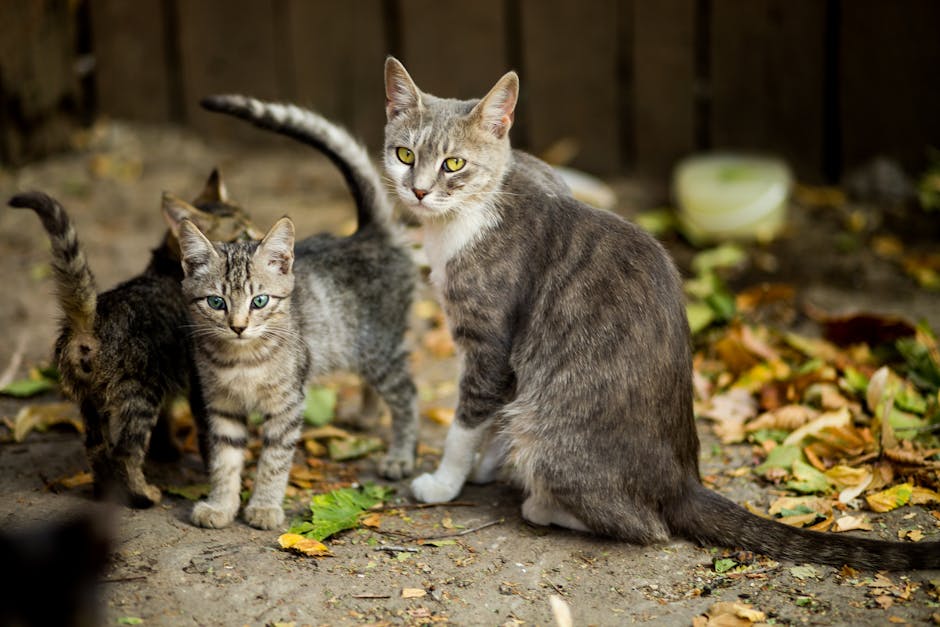
Preventive care for cats before pet sitters arrive
Introduction
Preventive care for cats before pet sitters arrive is an important step to help keep your feline friend healthy and comfortable while you are away. This advice applies to cats of all ages, from playful kittens to senior cats, as well as other pets in your household. Taking preventive measures can reduce the risk of illness or stress during your absence, but it’s important to remember that prevention does not guarantee perfect health.
Every cat is unique, and their needs may vary depending on age, health status, and lifestyle. The best preventive care plan is one created in partnership with your veterinarian, who can provide tailored recommendations based on your cat’s specific situation.
Some key areas to consider include:
- Ensuring vaccinations and parasite control are up to date
- Providing a safe and familiar environment for your cat
- Discussing any special dietary or medical needs with your vet
- Preparing clear instructions for your pet sitter
By focusing on preventive care for cats before pet sitters arrive, you can help reduce potential health risks and give yourself peace of mind. Always consult your veterinarian for advice suited to your cat’s individual needs.
Reviewed by SASI Vet Preventive Care Editorial Board.
Why preventive care matters
Preventive care for cats before pet sitters arrive is an important step to ensure your feline friend stays healthy and comfortable while you’re away. Taking proactive measures can help reduce the risk of common illnesses and complications that might otherwise require urgent veterinary attention.
By working with your veterinarian to develop a preventive care plan, you can:
- Identify and address health concerns early, before they become serious
- Maintain up-to-date vaccinations and parasite control to protect against infections
- Ensure your cat’s diet and environment support overall well-being
- Reduce stress and anxiety that can affect your cat’s immune system and behaviour
These steps not only improve your cat’s quality of life but also provide peace of mind while you’re away. Remember, every cat is unique, so it’s essential to consult your veterinarian to tailor preventive care to your cat’s specific needs. This collaboration helps create a safe and healthy environment for your cat during your absence, lowering the chance of emergency visits or serious complications.
How this preventive measure works
Preventive care for cats before pet sitters arrive helps ensure your feline friend stays healthy and comfortable while you’re away. This type of care focuses on addressing common health risks and reducing stress, so your cat is less likely to develop problems during the sitter’s visit.
Key aspects of this preventive care include:
- Health check-ups: A general wellness exam can identify any underlying issues that might need attention before your cat’s routine changes.
- Parasite prevention: Ensuring your cat is protected against fleas, ticks, and intestinal parasites helps avoid discomfort and illness during the sitter’s care.
- Vaccinations: Keeping vaccinations up to date reduces the risk of infectious diseases, especially if the sitter interacts with other animals.
- Stress reduction: Preparing your cat’s environment and routine can help minimise anxiety, which supports overall well-being.
Each cat’s needs are unique, so it’s important to work with your veterinarian to develop a preventive care plan tailored to your pet. This plan will help your cat stay safe and healthy, giving you peace of mind while you’re away.
Which pets need it most
Preventive care for cats before pet sitters arrive is important for many feline companions, but some cats benefit more than others depending on their individual circumstances. Tailoring a preventive care plan with your veterinarian ensures your cat stays safe and comfortable while you’re away.
Cats who may need extra attention include:
- Senior cats: Older cats often have underlying health issues that require monitoring and special care.
- Indoor-outdoor cats: Cats who spend time outside face higher risks of injury, parasites, and infectious diseases.
- cats with chronic health conditions: Those with diabetes, kidney disease, or other ongoing illnesses need careful management.
- Young kittens: Kittens may require vaccinations and parasite prevention before being left with a sitter.
- Multi-cat households: Cats living with others may need preventive measures to reduce stress and disease transmission.
Every cat’s lifestyle and health status is unique. Discussing your cat’s specific needs with a veterinarian will help create a preventive care plan that supports their well-being while you are away, giving you peace of mind and your cat the best possible care.
What pet owners should look out for
Before pet sitters arrive, it’s important to observe your cat carefully to ensure their preventive care needs are being met and that they are healthy and comfortable. Monitoring your cat’s behaviour and physical condition can help you identify any changes that might require attention from your veterinarian.
Signs and behaviours to watch for include:
- Changes in appetite or water intake, such as eating less or drinking more than usual
- Unusual lethargy or decreased activity levels
- Signs of discomfort or pain, like limping or sensitivity when touched
- Changes in grooming habits, including excessive licking or neglecting to groom
- Alterations in litter box use, such as going outside the box or straining to urinate
- Respiratory changes like coughing, sneezing, or difficulty breathing
- Any new lumps, bumps, or skin changes
These observations can help you and your veterinarian tailor a preventive care plan that suits your cat’s specific needs. Remember, preventive care for cats before pet sitters arrive should always be guided by professional advice to keep your feline friend safe and healthy while you’re away.
Role of the veterinarian
When preparing for preventive care for cats before pet sitters arrive, your veterinarian plays a key role in ensuring your cat’s health and comfort. They work closely with you to develop a tailored plan that fits your cat’s unique needs.
During a veterinary visit, the following aspects are typically addressed:
- Physical exams: A thorough check-up helps identify any health concerns early.
- Vaccination plans: Your vet recommends vaccines based on your cat’s lifestyle and risk factors.
- Parasite control: Advice on preventing fleas, ticks, and worms keeps your cat protected.
- Nutrition guidance: Proper diet recommendations support overall wellness.
- Screening tests: Blood work or other tests may be suggested to monitor health.
- Follow-up care: Your vet will guide you on when to return for check-ups or updates.
Remember, preventive care plans should always be created in partnership with your veterinarian. This ensures your cat receives safe, effective care tailored to their health status and lifestyle, giving you peace of mind while your pet sitter cares for your feline friend.
Safe home practices
Before pet sitters arrive, it’s important to maintain preventive care for cats to ensure their comfort and well-being. Establishing a safe and familiar environment helps reduce stress and supports your cat’s health while you’re away.
Here are some simple, effective steps you can take at home:
- Regular grooming: Brushing your cat’s fur not only reduces shedding but also helps you check for any skin changes or parasites like ticks.
- Monitor weight and appetite: Keep an eye on your cat’s eating habits and weight to spot any early signs of health issues.
- Environmental enrichment: Provide toys, scratching posts, and cosy resting spots to keep your cat mentally and physically stimulated.
- Clean litter boxes: Ensure litter boxes are scooped daily and cleaned regularly to maintain hygiene and prevent urinary problems.
- Safe spaces: Create quiet areas where your cat can retreat if feeling anxious, especially with new people in the home.
Remember, preventive care for cats before pet sitters arrive should be part of a broader wellness plan developed with your veterinarian. They can offer tailored advice to meet your cat’s specific needs and help you prepare for a smooth transition during your absence.
Common myths and misunderstandings
When preparing for preventive care for cats before pet sitters arrive, it’s normal to have questions or hear different opinions. Let’s gently clear up some common myths to help you feel confident and calm.
Myth 1: You don’t need to update vaccinations if your cat stays indoors. While indoor cats often have lower exposure risks, some vaccines remain important to protect against diseases that can be brought in on clothing or other pets. Your veterinarian can recommend which vaccines are appropriate based on your cat’s lifestyle.
Myth 2: Giving your cat extra supplements or medications before the sitter arrives is always helpful. It’s best to avoid adding any new supplements or medications without veterinary guidance. Unnecessary treatments can cause side effects or interfere with existing care plans.
Myth 3: You can skip a vet check-up if your cat seems healthy before the sitter comes. Preventive care is about more than visible health. A vet visit ensures your cat’s overall wellness and helps catch any hidden issues early. This is especially important before someone new cares for your pet.
Remember, every cat is unique. The best preventive care plans are created with your veterinarian’s advice to keep your feline friend safe and comfortable while you’re away.
Life-stage considerations
Preventive care for cats before pet sitters arrive can vary depending on your cat’s life stage. Kittens, adult cats, and seniors all have different needs that should be addressed to keep them safe and comfortable while you’re away. It’s important to work with your veterinarian to develop a plan tailored to your cat’s age and health status.
Kittens
- Ensure vaccinations are up to date to protect against common infectious diseases.
- Discuss parasite prevention, including fleas, ticks, and worms.
- Provide guidance on socialization and stress reduction during your absence.
Adult cats
- Maintain regular wellness exams to monitor overall health.
- Review preventive treatments such as flea control and dental care.
- Consider behavioural needs and environmental enrichment while you’re away.
Senior cats
- Schedule a thorough health check to identify age-related concerns.
- Adjust nutrition and medication plans as recommended by your veterinarian.
- Ensure the pet sitter is aware of any special needs or mobility issues.
Every cat is unique, so preventive care for cats before pet sitters arrive should always be personalised. Your veterinarian is the best resource to help create a safe and effective plan for your feline friend’s well-being.
FAQs
What is preventive care for cats before pet sitters arrive?
Preventive care for cats before pet sitters arrive involves preparing your cat’s health and environment to keep them safe and comfortable while you’re away. This includes updating vaccinations, checking for parasites, and ensuring your cat’s routine is well understood by the sitter.
Should I visit the vet before leaving my cat with a pet sitter?
Yes, it’s a good idea to have a veterinary check-up before your trip. Your vet can help create a preventive care plan tailored to your cat’s needs and advise on any health concerns or special care instructions to share with the sitter.
How can I help my cat feel less stressed while I’m away?
To reduce stress, maintain your cat’s usual feeding and play schedule as much as possible. Provide familiar toys, bedding, and a quiet space. Let your pet sitter know about your cat’s preferences and any calming techniques that work well.
What should I include in instructions for the pet sitter?
Include details such as feeding times and amounts, medication instructions if needed, emergency contacts, and any behavioural notes. Clear communication helps the sitter provide consistent care aligned with your cat’s preventive care plan.
Can preventive care reduce health risks while I’m away?
Absolutely. Preventive care helps identify and address potential health issues before they become serious. Working with your veterinarian to prepare your cat ensures the sitter can focus on comfort and safety, giving you peace of mind.
Summary
Preventive care for cats before pet sitters arrive helps ensure your feline friend stays healthy and comfortable while you’re away. By working with your veterinarian to develop a tailored care plan, you can address common health concerns and reduce stress for your cat during this transition.
Key benefits of preventive care include:
- Early detection of potential health issues through regular check-ups
- Maintaining up-to-date vaccinations and parasite control
- Providing guidance on nutrition, hydration, and environmental enrichment
- Helping your cat adjust smoothly to the presence of a pet sitter
It’s important to have realistic expectations: preventive care supports your cat’s well-being but does not replace professional veterinary advice or emergency care. Open communication with your veterinary team allows you to address any concerns and update your cat’s care plan as needed.
Remember, every cat is unique. Preventive care plans should always be created in partnership with your veterinarian to best meet your cat’s individual needs before your pet sitter arrives.
Additional Resources
- Canadian Veterinary Medical Association (CVMA)
- American Veterinary Medical Association (AVMA)
- World Small Animal Veterinary Association (WSAVA)
- Royal Society for the Prevention of Cruelty to Animals (RSPCA)
- Ontario Veterinary College, University of Guelph
Disclaimer: This article provides general information about preventive care for pets and does not replace professional veterinary advice. Always talk to a licensed veterinarian about your pet’s specific needs.