Preventive care guide for active sporting dogs

Share
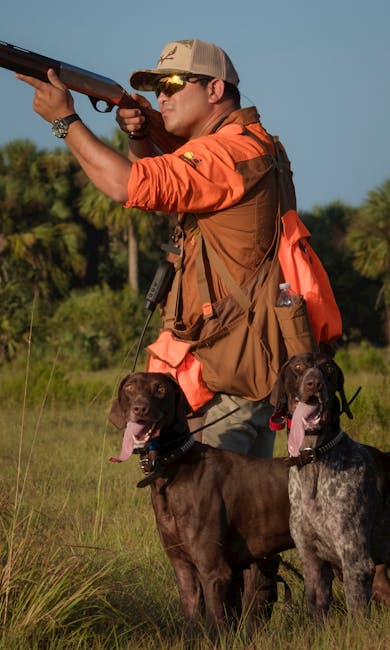
Preventive care guide for active sporting dogs
Introduction
Preventive care is an important part of keeping your active sporting dog healthy and happy throughout their life. This guide focuses on dogs that participate in sports, work, or other high-energy activities, but many principles also apply to puppies, adult dogs, and senior dogs with active lifestyles.
Preventive care involves regular check-ups, vaccinations, proper nutrition, exercise, and parasite control. These steps help reduce the risk of illness and injury, support your dog’s performance, and promote overall well-being. However, it’s important to understand that prevention does not guarantee perfect health-unexpected issues can still arise.
Every dog is unique, so preventive care plans should always be tailored to your pet’s specific needs in consultation with a licensed veterinarian. This article provides general information and is not a substitute for professional veterinary advice, diagnosis, or treatment.
By working closely with your vet and staying informed, you can help your active sporting dog enjoy a long, healthy, and fulfilling life.
Reviewed by SASI Vet Preventive Care Editorial Board.
Why preventive care matters
Preventive care is essential for active sporting dogs to maintain their health and performance over the long term. By focusing on regular check-ups and early detection, you can help lower the risk of common diseases and injuries that may affect your dog’s ability to stay active and happy.
Consistent preventive care can:
- Reduce the chance of serious health problems developing unnoticed
- Improve your dog’s overall quality of life by addressing issues early
- Minimize emergency visits and costly treatments
- Support your dog’s endurance and recovery through tailored nutrition and exercise advice
Every active sporting dog has unique needs, so it’s important to work with your veterinarian to create a preventive care plan that fits your dog’s lifestyle and health status. This plan may include vaccinations, parasite control, dental care, and regular physical exams to catch potential concerns before they become serious.
Remember, preventive care is a partnership between you and your vet, helping your dog stay strong, healthy, and ready for every adventure.
How this preventive measure works
Preventive care for active sporting dogs focuses on keeping your dog healthy and ready for action by addressing common risks before they become problems. This approach includes a combination of strategies designed to support your dog’s overall well-being, performance, and longevity.
At its core, preventive care involves:
- Regular health check-ups: Routine veterinary visits help detect early signs of illness or injury, allowing timely intervention.
- Parasite prevention: Protecting against fleas, ticks, and internal parasites reduces the risk of infections that can affect your dog’s energy and health.
- Nutrition and weight management: A balanced diet tailored to your dog’s activity level supports muscle strength and joint health.
- Dental care: Maintaining oral health prevents pain and infections that could impact your dog’s performance.
- Screening tests: Periodic assessments can identify underlying conditions that might affect your dog’s ability to stay active.
Each preventive care plan should be personalised in partnership with your veterinarian, who can recommend the best approach based on your sporting dog’s breed, age, and lifestyle. This ensures your dog stays healthy, happy, and ready for every adventure.
Which pets need it most
Preventive care is important for all dogs, but it is especially beneficial for active sporting dogs. These dogs often face unique physical demands and environmental exposures that can affect their health and performance. A preventive care guide for active sporting dogs helps address these specific needs to keep them healthy and thriving.
Pets that may benefit most include:
- Species: Primarily dogs, especially breeds commonly involved in sports such as retrievers, pointers, and shepherds.
- Age: Young adult to middle-aged dogs who are actively participating in training or competitions, as well as senior dogs needing ongoing support.
- Lifestyle: Dogs regularly engaged in running, jumping, swimming, or other high-energy activities.
- Environment: Dogs exposed to varied outdoor conditions, including different terrains, weather, and potential parasites.
- Existing health conditions: Dogs with previous injuries, joint concerns, or chronic conditions that require careful management.
Every dog is unique, so it’s essential to work with a veterinarian to develop a preventive care plan tailored to your dog’s individual needs, lifestyle, and health status. This ensures the best possible support for your active sporting dog’s long-term well-being.
What pet owners should look out for
Active sporting dogs thrive on regular exercise and mental stimulation, but their busy lifestyles can sometimes mask early signs of health issues. Monitoring your dog closely at home is an important part of any preventive care guide for active sporting dogs. Being aware of subtle changes can help you and your veterinarian adjust care plans before problems develop.
Here are some key signs and behaviours to watch for:
- Changes in energy or activity levels: A sudden reluctance to play, run, or participate in usual activities may indicate discomfort or fatigue.
- Altered gait or limping: Any limping, stiffness, or difficulty rising can suggest joint or muscle issues.
- Appetite and weight fluctuations: Noticeable increases or decreases in eating habits or body weight warrant attention.
- Unusual behaviours: Excessive licking, chewing, or scratching can point to skin problems or allergies.
- Breathing or heart rate changes: Laboured breathing, coughing, or rapid heartbeat during rest are signs to discuss with your vet.
- Hydration and elimination: Changes in drinking, urination, or bowel movements may signal underlying health concerns.
Remember, these observations do not replace professional veterinary advice. Preventive care plans should always be tailored in partnership with your veterinarian to keep your active sporting dog healthy and happy.
Role of the veterinarian
When it comes to the preventive care guide for active sporting dogs, your veterinarian plays a central role in keeping your dog healthy and performing at their best. Together, you and your vet form a partnership focused on proactive health management tailored to your dog’s unique needs and lifestyle.
During regular visits, your veterinarian will:
- Perform thorough physical examinations to monitor overall health and detect early signs of illness.
- Develop vaccination plans that protect against common and region-specific diseases.
- Recommend parasite control strategies to prevent fleas, ticks, heartworms, and intestinal parasites.
- Provide nutrition advice to support your dog’s energy demands and maintain optimal body condition.
- Suggest appropriate screening tests based on age, breed, and activity level to catch potential issues early.
- Plan follow-up visits to adjust care as your dog’s needs change over time.
Every active sporting dog is different, so preventive care plans should always be created in consultation with a licensed veterinarian. This ensures your dog receives safe, evidence-informed care that supports a long, healthy, and active life.
Safe home practices
Caring for an active sporting dog at home involves more than just exercise. A well-rounded preventive care guide for active sporting dogs includes daily habits that support your dog’s overall health and well-being. Always work with your veterinarian to develop a personalised care plan tailored to your dog’s specific needs.
Here are some safe home practices to consider:
- Regular brushing: Brushing your dog’s coat helps remove dirt, loose hair, and can prevent matting. It also gives you a chance to check for any skin issues or parasites.
- Tick and flea checks: After outdoor activities, especially in wooded or grassy areas, inspect your dog carefully for ticks and fleas. Prompt removal reduces the risk of disease.
- Oral hygiene: Brushing your dog’s teeth regularly supports dental health and can prevent bad breath and gum disease.
- Weight monitoring: Keep an eye on your dog’s weight to ensure they stay fit and avoid obesity, which can strain joints and reduce performance.
- Environmental enrichment: Provide mental stimulation through toys, training, and interactive play to keep your dog engaged and happy.
Remember, these practices complement professional veterinary care and should never replace regular check-ups or advice from your vet. Together, you can help your active sporting dog stay healthy and enjoy a long, active life.
Common myths and misunderstandings
When it comes to a preventive care guide for active sporting dogs, there are several myths that can cause confusion. It’s important to approach these with an open mind and rely on evidence-informed veterinary advice tailored to your dog’s unique needs.
Myth 1: Sporting dogs don’t need regular vet check-ups if they seem healthy. Even the most active dogs can develop health issues that aren’t obvious. Regular veterinary visits help catch problems early and keep your dog performing at their best.
Myth 2: Supplements alone can prevent injuries and health problems. While some supplements may support joint and muscle health, they are not a substitute for a balanced diet, proper training, and routine veterinary care.
Myth 3: Rest days aren’t necessary for active dogs. Rest and recovery are essential to prevent overuse injuries and maintain long-term health. Your veterinarian can help you design a balanced activity plan.
Remember, every active sporting dog is different. Preventive care plans should always be created in partnership with your veterinarian to ensure your dog stays healthy, happy, and ready for action.
Life-stage considerations
Preventive care for active sporting dogs varies throughout their lives, reflecting their changing needs and activity levels. Whether you have a playful puppy, a mature adult, or a wise senior, tailoring care to each stage helps support their health and performance.
Puppies
Young sporting dogs require early vaccinations, parasite control, and proper nutrition to build a strong foundation. Gentle exercise and socialization are important, but avoid overexertion to protect growing joints.
Adult dogs
Adult active dogs benefit from regular health check-ups, balanced diets, and conditioning exercises to maintain peak fitness. Preventive care focuses on injury prevention, dental health, and monitoring for early signs of common conditions.
Seniors
Senior sporting dogs may slow down but still need tailored care to manage arthritis, weight, and mobility. Regular veterinary visits help adjust preventive plans to their evolving health status.
Every dog is unique, so it’s essential to work closely with your veterinarian to develop a preventive care guide for active sporting dogs that fits your pet’s specific life stage and lifestyle. This partnership ensures your companion stays healthy and happy throughout their life.
FAQs
What is preventive care for active sporting dogs?
Preventive care for active sporting dogs involves regular health checks, balanced nutrition, appropriate exercise, and protection against parasites and injuries. It helps keep your dog healthy and ready for their activities.
How often should my sporting dog see the veterinarian?
Regular veterinary visits are important to monitor your dog’s health and catch any issues early. Your vet can help tailor a preventive care guide for active sporting dogs based on your dog’s age, breed, and activity level.
What are common health concerns for sporting dogs?
Active dogs may face joint stress, muscle strains, and dehydration. Parasites like ticks and fleas are also a concern, especially if your dog spends a lot of time outdoors. Preventive care helps reduce these risks.
Can diet affect my dog’s performance and health?
Yes, a well-balanced diet supports energy, muscle recovery, and overall health. Your veterinarian can recommend the best nutrition plan to meet your dog’s specific needs.
How can I prevent injuries during training or events?
- Warm up and cool down your dog properly.
- Use appropriate gear and safe training surfaces.
- Watch for signs of fatigue or discomfort.
- Consult your vet if you notice any unusual behaviour or pain.
Remember, every dog is unique. Work with your veterinarian to create a preventive care guide for active sporting dogs that suits your companion’s lifestyle and health.
Summary
Preventive care is essential for keeping active sporting dogs healthy, happy, and performing at their best. By working closely with your veterinarian, you can develop a tailored preventive care plan that supports your dog’s unique needs and lifestyle.
Key benefits of preventive care include:
- Early detection of health issues before they become serious
- Maintaining optimal physical condition and energy levels
- Reducing the risk of injuries and illnesses common in active dogs
- Supporting long-term wellness and quality of life
It’s important to have regular veterinary check-ups and maintain open communication with your vet team. This ensures your dog’s health is monitored consistently and adjustments to their care plan can be made as needed. Remember, preventive care plans should always be created in partnership with a licensed veterinarian who understands your dog’s specific needs.
By prioritizing preventive care, you’re giving your active sporting dog the best chance to thrive and enjoy many happy years by your side.
- Canadian Veterinary Medical Association (CVMA)
- American Veterinary Medical Association (AVMA)
- World Small Animal Veterinary Association (WSAVA)
- Royal Society for the Prevention of Cruelty to Animals (RSPCA)
- Ontario Veterinary College, University of Guelph
Disclaimer: This article provides general information about preventive care for pets and does not replace professional veterinary advice. Always talk to a licensed veterinarian about your pet’s specific needs.