Preventive ear checks for floppy eared dogs

Share
Preventive ear checks for floppy eared dogs
Introduction
Preventive ear checks for floppy eared dogs are an important part of keeping your furry friend comfortable and healthy. Dogs with floppy ears, such as Cocker Spaniels, Basset Hounds, and Labrador Retrievers, are more prone to ear infections because their ear shape can trap moisture and debris. These checks are beneficial for dogs of all ages-from playful puppies to senior companions.
Regular ear care helps reduce the risk of infections and other ear problems, but it’s important to remember that prevention does not guarantee perfect health. Every dog is unique, and some may still develop ear issues despite careful attention.
This information is meant to support your understanding of ear health and should never replace advice from a licensed veterinarian. Your vet can help create a preventive care plan tailored to your dog’s specific needs, including how often to check and clean their ears safely.
By working together with your veterinarian and staying attentive to your dog’s ears, you can help keep them happy and free from discomfort.
Reviewed by SASI Vet Preventive Care Editorial Board.
Why preventive care matters
Preventive ear checks for floppy eared dogs play an important role in maintaining your pet’s overall health and comfort. Dogs with floppy ears are more prone to ear infections because their ear canals can trap moisture, debris, and bacteria more easily than those with upright ears.
Regularly checking your dog’s ears can help catch early signs of irritation or infection before they become serious. This simple habit can:
- Lower the risk of painful ear infections and chronic ear problems
- Improve your dog’s quality of life by preventing discomfort and hearing issues
- Reduce the likelihood of emergency vet visits or complicated treatments
It’s important to remember that every dog is unique. A preventive care plan tailored to your dog’s specific needs should be created in partnership with your veterinarian. They can guide you on how often to check your dog’s ears and what signs to watch for, ensuring your floppy eared dog stays happy and healthy for years to come.
How this preventive measure works
Preventive ear checks for floppy eared dogs help keep your pet’s ears healthy by identifying potential issues early. Because floppy ears can limit airflow and trap moisture, they create an environment where infections and irritations are more likely to develop. Regular checks allow you to spot signs of redness, swelling, unusual odours, or discharge before these problems become serious.
During a preventive ear check, you or your veterinarian will gently examine the ear canal and outer ear for any abnormalities. This simple routine supports overall ear health by:
- Removing debris and excess wax that can harbour bacteria or yeast
- Detecting early signs of irritation or infection
- Encouraging proper ear hygiene tailored to your dog’s needs
- Helping to prevent discomfort and more complex ear conditions
It’s important to work with your veterinarian to develop a preventive care plan that fits your dog’s specific situation. They can guide you on how often to check your dog’s ears and the best cleaning methods, ensuring your floppy eared dog stays comfortable and healthy year-round.
Which pets need it most
Preventive ear checks for floppy eared dogs are especially important for certain pets who may be more prone to ear issues. While all dogs can benefit from regular ear care, those with floppy ears often face a higher risk of ear infections due to reduced airflow and moisture buildup.
Pets who might benefit most include:
- Floppy eared dog breeds: Breeds like Cocker Spaniels, Basset Hounds, and Labrador Retrievers commonly have ears that cover the ear canal, creating a warm, moist environment where bacteria and yeast can thrive.
- Dogs living in humid or wet environments: Moisture can accumulate in the ear canal, increasing the risk of irritation and infection.
- Active dogs who swim or bathe frequently: Water trapped in the ears can promote infections if not properly dried and checked.
- Dogs with a history of ear problems: Pets who have experienced ear infections or allergies before may need closer monitoring.
- Senior dogs: Older pets may have changes in ear health that require more frequent attention.
Every pet is unique, so it’s important to work with your veterinarian to develop a preventive ear care plan tailored to your dog’s specific needs and lifestyle. Regular veterinary check-ups can help catch early signs of ear issues and keep your furry friend comfortable and healthy.
What pet owners should look out for
Preventive ear checks for floppy eared dogs are important because their ear shape can make them more prone to moisture buildup and infections. At home, you can watch for signs that may indicate your dog’s ears need extra attention or a veterinary check-up.
Some common signs and behaviours to monitor include:
- Frequent scratching or pawing at the ears
- Head shaking or tilting
- Redness or swelling around the ear canal
- Unpleasant odour coming from the ears
- Discharge or wax buildup that looks different than usual
- Your dog showing signs of discomfort when you touch their ears
Noticing any of these changes doesn’t necessarily mean your dog has an infection, but it does mean a visit to your veterinarian is a good idea. Your vet can help create a preventive care plan tailored to your dog’s needs, including safe cleaning techniques and check-up schedules.
Regular at-home ear checks combined with professional advice can help keep your floppy eared dog comfortable and healthy.
Role of the veterinarian
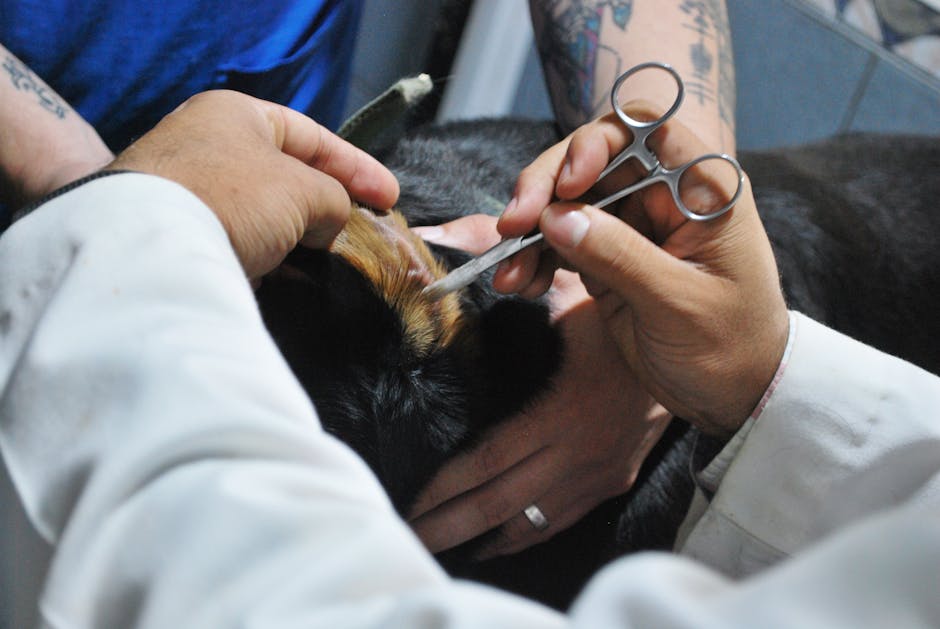
Veterinarians play a key role in helping you maintain your floppy eared dog’s health through preventive ear checks and overall wellness care. They work with you to develop a personalised plan that fits your pet’s unique needs.
During routine visits, your veterinarian will perform thorough physical exams, including careful inspection of the ears to catch any early signs of irritation or infection. They also help design vaccination plans to protect against common diseases and recommend parasite control tailored to your dog’s lifestyle and environment.
Nutrition advice is another important aspect, ensuring your dog receives a balanced diet that supports a healthy immune system and skin condition. Your vet may suggest screening tests to monitor for underlying health issues before symptoms appear.
Preventive ear checks for floppy eared dogs are especially important because their ear shape can trap moisture and debris, increasing the risk of infections. Regular veterinary visits and open communication between you and your vet create a strong partnership focused on keeping your dog comfortable and healthy.
Remember, preventive care plans should always be created and adjusted in consultation with your veterinarian to best suit your dog’s individual health needs.
Safe home practices
Preventive ear checks for floppy eared dogs are an important part of keeping your pet comfortable and healthy. At home, you can gently examine your dog’s ears regularly to look for signs of redness, unusual odour, or excessive wax buildup. These checks help you notice any changes early and discuss them with your veterinarian.
Alongside ear care, maintaining overall wellness supports your dog’s health:
- Brush your dog’s teeth regularly to reduce plaque and support fresh breath.
- Check your dog’s skin and coat for ticks, bumps, or irritation, especially after outdoor activities.
- Monitor your dog’s weight to help prevent obesity, which can affect ear health and general wellbeing.
- Provide mental and physical enrichment through play, training, and walks to reduce stress and promote a happy pet.
Remember, while these home practices are helpful, they do not replace professional veterinary care. Always work with your veterinarian to develop a preventive care plan tailored to your dog’s specific needs, including safe ear cleaning techniques and schedules. If you notice any signs of discomfort or infection, seek veterinary advice promptly.
Common myths and misunderstandings
When it comes to preventive ear checks for floppy eared dogs, there are a few myths that can cause confusion or worry. Understanding the facts helps keep your dog comfortable and healthy.
Myth 1: Floppy ears always mean ear infections
While floppy ears can create a warm, moist environment that may increase the risk of infections, not all dogs with floppy ears will develop ear problems. Regular checks and good hygiene can help prevent issues before they start.
Myth 2: Cleaning your dog’s ears daily is necessary
Over-cleaning can sometimes irritate the ear canal or disrupt its natural balance. It’s best to follow your veterinarian’s advice on how often to clean your dog’s ears based on their individual needs.
Myth 3: You can treat ear problems at home without a vet
Ear infections and other ear issues can have various causes, including allergies, parasites, or underlying health conditions. Only a veterinarian can accurately diagnose the problem and recommend safe, effective treatment.
Remember, preventive ear checks for floppy eared dogs are an important part of overall wellness. Work with your veterinarian to develop a care plan tailored to your dog’s unique needs.
Life-stage considerations
Preventive ear checks for floppy eared dogs are important throughout all life stages, but the approach may vary depending on your pet’s age and overall health. Regular ear care helps reduce the risk of infections and discomfort, especially since floppy ears can trap moisture and debris more easily.
Puppies
For puppies, early introduction to gentle ear checks can help them get used to the process. This is a good time to establish a routine with your veterinarian, who can show you how to safely examine your puppy’s ears and recommend appropriate cleaning methods if needed.
Adult dogs
Adult dogs benefit from consistent ear monitoring, especially if they spend a lot of time outdoors or swimming. Your veterinarian can help tailor preventive care based on your dog’s lifestyle and any previous ear issues.
Senior dogs
As dogs age, their immune system and skin condition may change, making ear health even more important. Regular veterinary check-ups can help detect early signs of ear problems and adjust care plans accordingly.
Always work with your veterinarian to create a preventive ear care plan that suits your floppy eared dog’s specific needs at every stage of life.
FAQs
Why are preventive ear checks important for floppy eared dogs?
Floppy eared dogs can be more prone to ear infections because their ears may trap moisture and debris. Regular preventive ear checks help catch any early signs of irritation or infection, keeping your dog comfortable and healthy.
How often should I check my dog’s ears?
It’s a good idea to look at your dog’s ears weekly. During these checks, look for redness, swelling, unusual smells, or discharge. However, your veterinarian can recommend the best routine based on your dog’s specific needs.
What should I do if I notice something unusual in my dog’s ears?
If you see signs like redness, swelling, a bad smell, or your dog is scratching or shaking their head frequently, contact your veterinarian. These could be signs of an infection or other ear issues that need professional care.
Can I clean my dog’s ears at home?
Some dogs benefit from gentle ear cleaning, but it’s important to use products recommended by your veterinarian. Avoid inserting anything deep into the ear canal, and never clean ears if you suspect an infection without veterinary advice.
How can I work with my vet on preventive ear checks for floppy eared dogs?
Your veterinarian can help create a personalized ear care plan, including how often to check and clean your dog’s ears. Regular vet visits are key to preventing problems and ensuring your dog’s ears stay healthy.
Summary
Preventive ear checks for floppy eared dogs play an important role in maintaining your pet’s comfort and overall health. Regular inspections help catch early signs of irritation, moisture buildup, or infection before they become serious problems.
While preventive care can greatly reduce the risk of ear issues, it’s important to have realistic expectations. Some dogs may still develop ear infections despite careful home care, especially those with naturally floppy ears that limit airflow.
Key benefits of preventive ear checks include:
- Early detection of redness, swelling, or unusual odours
- Improved comfort and reduced risk of painful infections
- Better communication with your veterinarian about your dog’s ear health
Always work with your veterinarian to develop a preventive care plan tailored to your dog’s specific needs. Regular veterinary check-ups and open communication with your vet team ensure the best approach to keeping your floppy eared dog’s ears healthy and happy.
- Canadian Veterinary Medical Association (CVMA)
- American Veterinary Medical Association (AVMA)
- World Small Animal Veterinary Association (WSAVA)
- Royal Society for the Prevention of Cruelty to Animals (RSPCA)
- Ontario Veterinary College, University of Guelph
Disclaimer: This article provides general information about preventive care for pets and does not replace professional veterinary advice. Always talk to a licensed veterinarian about your pet’s specific needs.