Preventive safety measures for hiking with dogs

Share
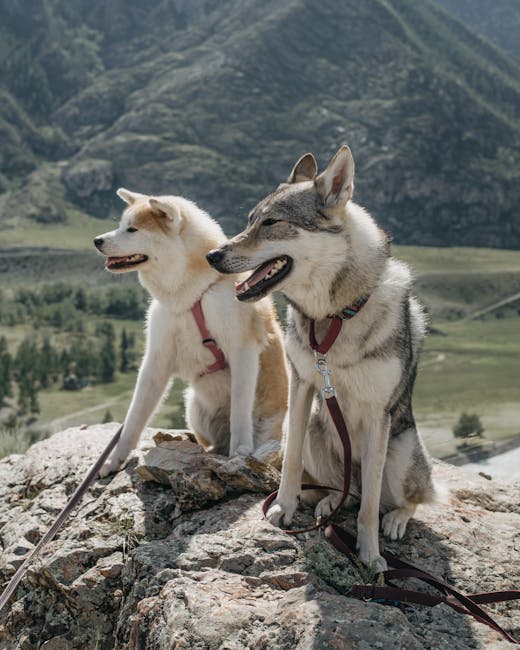
Preventive safety measures for hiking with dogs
Introduction
Hiking with your dog can be a wonderful way to enjoy the outdoors together. Whether you have a playful puppy, an active adult dog, or a gentle senior, taking preventive safety measures for hiking with dogs helps protect their health and well-being during your adventures.
Preventive care means taking steps to reduce the risk of illness or injury, but it does not guarantee perfect health. Every dog is unique, and factors like age, breed, and existing health conditions can affect their needs on the trail.
Before setting out, it’s important to work with your veterinarian to create a preventive care plan tailored to your dog. This plan might include advice on vaccinations, parasite prevention, hydration, and safe hiking practices.
Remember, this information is meant to support your understanding and does not replace professional veterinary advice. Always consult your veterinarian for guidance specific to your dog’s health and circumstances.
Reviewed by SASI Vet Preventive Care Editorial Board.
Why preventive care matters
Taking preventive safety measures for hiking with dogs is essential to protect your furry friend’s health and well-being during outdoor adventures. By planning ahead and addressing potential risks, you can help lower the chance of injuries, illnesses, and other complications that might arise on the trail.
Preventive care supports your dog’s long-term health by:
- Reducing exposure to ticks, insects, and harmful plants that can cause disease.
- Preventing dehydration, heatstroke, and exhaustion through proper hydration and rest.
- Minimizing the risk of cuts, scrapes, or paw pad injuries with protective gear or careful route choices.
- Helping maintain a healthy weight and muscle tone, which improves overall quality of life.
When you work with your veterinarian to develop a preventive care plan tailored to your dog’s needs, you can enjoy peace of mind knowing you’re taking steps to avoid emergency visits and serious health issues. Remember, every dog is unique, so professional guidance is key to safe and enjoyable hiking experiences together.
How this preventive measure works
Preventive safety measures for hiking with dogs focus on reducing risks and keeping your furry companion safe and comfortable during outdoor adventures. The basic idea is to anticipate potential hazards and take steps to avoid them before they cause harm.
These measures typically include:
- Checking your dog’s health and fitness to ensure they are ready for physical activity.
- Using appropriate gear such as a well-fitted harness, leash, and protective booties if needed.
- Planning your route to avoid dangerous terrain, extreme weather, or areas with wildlife risks.
- Bringing essentials like water, snacks, and a first aid kit tailored for dogs.
- Monitoring your dog closely for signs of fatigue, overheating, or injury during the hike.
By preparing thoughtfully and staying attentive, you can help prevent accidents, injuries, or health issues while enjoying nature together. It’s important to work with your veterinarian to develop a preventive care plan that suits your dog’s specific needs and health status before heading out on hikes.
Which pets need it most
Preventive safety measures for hiking with dogs are important for many pets, but some benefit more than others depending on their species, age, lifestyle, environment, and health status. While dogs are the primary focus, certain cats that enjoy outdoor adventures may also need tailored precautions.
Pets who may benefit most include:
- Active dogs that frequently hike or explore rugged terrain, especially those in areas with wildlife or challenging weather.
- Young puppies and senior dogs, as they can be more vulnerable to injuries, temperature extremes, or exhaustion.
- Dogs with pre-existing health conditions such as arthritis, heart disease, or respiratory issues, who may require special monitoring and adjustments.
- Pets living in regions with ticks, mosquitoes, or other parasites that pose risks during outdoor activities.
- Cats accustomed to outdoor excursions who may face similar environmental hazards as dogs.
Every pet is unique, so it’s essential to work with a veterinarian to develop a preventive safety plan tailored to your pet’s individual needs. This ensures the best protection and enjoyment during your hiking adventures together.
What pet owners should look out for
When planning outdoor adventures, preventive safety measures for hiking with dogs are essential to keep your furry friend healthy and happy. At home, it’s important to watch for any signs or changes that might indicate your dog needs extra care or that something isn’t quite right.
Some key behaviours and symptoms to monitor include:
- Unusual lethargy or reluctance to move, which could suggest discomfort or injury
- Excessive licking or biting at paws or skin, possibly indicating irritation from plants, insects, or ticks
- Changes in appetite or water intake, as these can signal stress or illness
- Signs of limping, stiffness, or difficulty climbing stairs after hikes
- Frequent scratching or shaking of the head, which might point to ear problems or parasites
- Vomiting, diarrhea, or other digestive upset following outdoor activity
Remember, these observations are not a diagnosis but helpful clues. Preventive care plans, including vaccinations, parasite control, and fitness conditioning, should always be tailored in consultation with your veterinarian. Early attention to any concerns can help ensure many safe and enjoyable hikes together.
Role of the veterinarian
Your veterinarian plays a key role in ensuring your dog’s safety and health during outdoor adventures. When planning preventive safety measures for hiking with dogs, a vet helps create a tailored care plan that suits your pet’s unique needs.
During routine physical exams, the veterinarian assesses your dog’s overall health and fitness for hiking activities. They also recommend appropriate vaccination plans to protect against diseases you might encounter outdoors.
Parasite control is another important aspect, as ticks, fleas, and other pests are common in hiking areas. Your vet can suggest effective prevention strategies to keep these risks at bay.
Nutrition advice is provided to support your dog’s energy and stamina on the trail. Additionally, screening tests may be recommended to detect any underlying health issues before they become a problem.
Preventive care is an ongoing process. Regular follow-up visits allow your veterinarian to adjust the plan as needed and address any new concerns.
Remember, the best preventive safety measures for hiking with dogs come from a strong partnership between you and your veterinarian. Always consult your vet to develop a safe, effective plan tailored to your dog’s health and lifestyle.
Safe home practices
When enjoying the outdoors with your dog, preventive safety measures for hiking with dogs extend beyond the trail and into your home care routine. After each hike, it’s important to check your dog thoroughly for ticks, burrs, or any cuts that might have occurred. Early detection helps prevent infections and other complications.
Maintaining good oral hygiene by brushing your dog’s teeth regularly supports overall health and can reduce the risk of dental disease, which may affect their energy and comfort during activities like hiking.
Monitoring your dog’s weight is another key aspect of safe home practices. Keeping your dog at a healthy weight helps protect their joints and stamina, making hikes more enjoyable and safer.
Enriching your dog’s environment at home with toys, puzzles, and regular playtime supports mental well-being and reduces stress, which contributes to a happier, healthier hiking companion.
Remember, every dog is unique. Preventive care plans, including those related to hiking safety, should be created in partnership with your veterinarian to ensure they meet your dog’s specific needs.
Common myths and misunderstandings
When it comes to preventive safety measures for hiking with dogs, there are a few myths that can cause confusion or lead to less safe outings. It’s important to rely on evidence-informed veterinary advice to keep your dog healthy and happy on the trail.
Myth: “If my dog looks healthy, they don’t need any special precautions.”
Even the healthiest dogs can face risks like ticks, dehydration, or heat exhaustion during hikes. Preventive safety measures tailored to your dog’s age, breed, and health status are essential and should be discussed with your veterinarian.
Myth: “I don’t need to worry about ticks or parasites if I’m only hiking for a short time.”
Ticks and other parasites can latch on quickly, sometimes within minutes. Using appropriate preventive products recommended by your vet and checking your dog thoroughly after every hike helps reduce these risks.
Myth: “Booties or protective gear aren’t necessary unless the terrain is extreme.”
Protective gear can prevent paw injuries from rough surfaces, hot rocks, or sharp debris. Even moderate trails can have hazards, so consider your dog’s comfort and safety when planning gear.
Remember, every dog is unique. Creating a preventive care plan for hiking should always involve your veterinarian’s guidance to ensure the best protection for your furry companion.
Life-stage considerations
Preventive safety measures for hiking with dogs can vary depending on your pet’s life stage. Puppies, adults, and seniors all have different needs and abilities, so it’s important to tailor your approach accordingly. Always work with your veterinarian to develop a plan that suits your dog’s specific health and lifestyle.
Puppies
- Build endurance gradually to avoid overexertion.
- Ensure vaccinations and parasite prevention are up to date before hiking.
- Watch for signs of fatigue or discomfort, as puppies tire more easily.
Adult dogs
- Maintain regular fitness to support longer hikes.
- Use appropriate preventive measures for ticks, fleas, and other outdoor hazards.
- Monitor hydration and rest breaks to keep your dog comfortable and safe.
Seniors
- Choose shorter, gentler trails to accommodate joint health and stamina.
- Check with your veterinarian about any age-related conditions that may affect hiking safety.
- Provide extra support, such as ramps or harnesses, if needed.
Remember, preventive care plans for hiking with dogs should always be created in consultation with your veterinarian to ensure your pet’s safety and enjoyment on every adventure.
FAQs
What are the key preventive safety measures for hiking with dogs?
Before heading out, ensure your dog is up to date on vaccinations and parasite prevention. Bring plenty of fresh water, a first aid kit, and a leash. Check the trail rules and weather conditions, and plan for regular breaks to keep your dog comfortable and hydrated.
How can I protect my dog from ticks and other pests on the trail?
Use veterinarian-recommended tick and flea preventives year-round. After your hike, thoroughly check your dog’s coat, especially around the ears, paws, and belly. Prompt removal of ticks reduces the risk of disease. Discuss the best preventive options with your vet.
Is it safe to let my dog off-leash during a hike?
Off-leash hiking depends on the trail regulations and your dog’s recall ability. Even well-trained dogs can get distracted or encounter wildlife. Keeping your dog on a leash is the safest way to prevent accidents and protect local wildlife.
What should I do if my dog shows signs of overheating or injury?
Stop hiking immediately and move your dog to a shaded, cool area. Offer water in small amounts and monitor their breathing. For any signs of serious injury or heatstroke, seek veterinary care promptly. Always have a plan to reach a vet in case of emergencies.
Summary
Taking preventive safety measures for hiking with dogs helps ensure enjoyable and safe outdoor adventures for both you and your furry companion. By preparing ahead, you can reduce risks such as injuries, exposure to parasites, and overheating.
Key benefits of preventive care include:
- Protecting your dog’s health through appropriate vaccinations and parasite control
- Minimizing the chance of accidents or getting lost with proper gear and training
- Enhancing your dog’s comfort and endurance on trails
It’s important to have realistic expectations-outdoor activities can be unpredictable, and every dog’s needs vary. Regular veterinary check-ups play a vital role in assessing your dog’s fitness for hiking and updating preventive care plans.
Open communication with your veterinarian and their team ensures your preventive safety measures are tailored to your dog’s age, breed, and health status. Always work with your vet to create a plan that supports your dog’s well-being before, during, and after hiking excursions.
- Canadian Veterinary Medical Association (CVMA)
- American Veterinary Medical Association (AVMA)
- World Small Animal Veterinary Association (WSAVA)
- Royal Society for the Prevention of Cruelty to Animals (RSPCA)
- Ontario Veterinary College, University of Guelph
Disclaimer: This article provides general information about preventive care for pets and does not replace professional veterinary advice. Always talk to a licensed veterinarian about your pet’s specific needs.