Red eyes in cats common conditions and vet care basics

Share
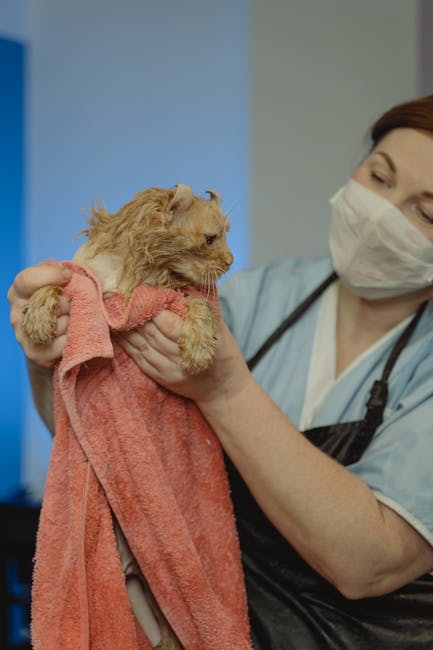
Red eyes in cats common conditions and vet care basics
Introduction
Red eyes in cats common conditions and vet care basics are important topics for pet owners to understand. Red eyes may cause discomfort and can be a sign of various underlying health issues. While this condition is most often observed in cats, dogs can also experience similar symptoms.
Red eyes in pets are often associated with irritation, infection, allergies, or more serious eye diseases. Recognizing these signs early can help ensure timely veterinary care, which is essential for proper diagnosis and treatment. However, it is important to remember that this article does not replace a veterinary visit.
Pet owners should be aware that:
- Redness may indicate inflammation or injury.
- Other symptoms such as discharge, squinting, or behavioural changes may accompany red eyes.
- Only a licensed veterinarian can accurately diagnose the cause and recommend appropriate care.
Understanding the basics of red eyes in cats and other pets can help owners make informed decisions and seek professional advice promptly.
Reviewed by SASI Vet Editorial Board.
What this condition is
Red eyes in cats common conditions and vet care basics refer to a group of issues that cause the eyes of cats to appear red or inflamed. This redness is often due to increased blood flow in the eye’s surface tissues, which may cause discomfort or changes in vision.
The condition typically affects the conjunctiva (the thin membrane covering the white part of the eye and the inner eyelids) or other parts of the eye such as the cornea (the clear front layer) or the sclera (the white part). Over time, the redness may develop gradually or appear suddenly, depending on the underlying cause.
How it develops
- Infections, such as viral or bacterial conjunctivitis, are common causes.
- Allergic reactions may lead to inflammation and redness.
- Injury or foreign objects in the eye can trigger redness and irritation.
- Underlying systemic conditions, like high blood pressure or immune disorders, may also be involved.
Because red eyes in cats can be a sign of various health issues, veterinarians may recommend a thorough examination to determine the exact cause and appropriate care. Only a licensed veterinarian can diagnose and treat these conditions safely and effectively.
Common causes
Red eyes in cats common conditions and vet care basics often involve a variety of underlying factors. Veterinarians frequently observe that red eyes may be caused by inflammation, infection, or injury. Identifying the exact cause can be challenging, as symptoms often overlap.
Infections
Viral and bacterial infections are common contributors to red eyes in cats. Conjunctivitis, an inflammation of the eye’s outer membrane, is often associated with upper respiratory infections. These infections may cause redness, discharge, and discomfort.
Injury and irritation
Trauma to the eye, such as scratches or foreign bodies, may cause redness and swelling. Environmental irritants like dust, smoke, or chemicals can also lead to eye irritation and redness.
Other causes
- Allergic reactions may cause redness and itching.
- Glaucoma, an increase in eye pressure, is often linked to redness and vision changes.
- Uveitis, inflammation inside the eye, may cause redness and sensitivity to light.
Because red eyes can result from multiple causes, veterinarians may recommend a thorough examination to determine the appropriate care. Only a licensed veterinarian can diagnose and treat the underlying condition safely and effectively.
Typical signs and symptoms
Red eyes in cats common conditions and vet care basics often involve a variety of signs that pet owners may observe at home. These signs can range from mild irritation to more serious symptoms requiring prompt veterinary attention.
Mild signs
- Occasional redness or pinkness in the white part of the eye
- Slight squinting or blinking more than usual
- Increased tearing or watery eyes
- Light sensitivity or reluctance to open eyes fully
More serious signs
- Persistent or worsening redness
- Swelling around the eye or eyelids
- Discharge that is yellow, green, or thick
- Cloudiness or changes in eye colour
- Visible pain, such as pawing at the eye or hiding
Pet owners are encouraged to monitor any changes in their cat’s eyes carefully and keep notes on the frequency, duration, and severity of symptoms. These observations can be valuable when consulting a licensed veterinarian, who may recommend further examination or treatment based on the individual cat’s condition.
When it is an emergency
Red eyes in cats common conditions and vet care basics include recognising when urgent veterinary attention is needed. While some eye issues may be mild, certain signs suggest a more serious problem requiring immediate care.
Seek emergency veterinary care if your cat shows any of the following red flag signs:
- Sudden onset of severe redness or swelling in one or both eyes
- Rapidly worsening eye discharge, especially if thick, yellow, or green
- Obvious pain such as squinting, pawing at the eye, or sensitivity to light
- Sudden blindness or noticeable changes in vision
- Trauma to the eye or head injury
- Protrusion or bulging of the eyeball
- Any signs of systemic illness such as lethargy, vomiting, or loss of appetite accompanying eye symptoms
These symptoms may cause significant discomfort or indicate serious underlying conditions. Veterinarians may recommend urgent examination and treatment to prevent complications or permanent damage. Always err on the side of caution and contact a licensed veterinary professional promptly if you observe these emergency signs in your cat.
How veterinarians diagnose it
When a cat presents with red eyes, veterinarians follow a systematic approach to determine the underlying cause. This process often begins with a detailed history, where the veterinarian asks about the cat’s symptoms, duration, environment, and any previous health issues.
Physical examination
A thorough physical exam is essential. The veterinarian will carefully inspect the eyes for signs of redness, discharge, swelling, or injury. They may also assess the cat’s overall health to identify any related concerns.
Common diagnostic tests
To better understand the cause of red eyes in cats common conditions and vet care basics, veterinarians may recommend several tests, including:
- Blood work to check for infections or systemic diseases
- Ophthalmic examination using specialized instruments to evaluate eye structures
- Imaging techniques such as X-rays or ultrasound if trauma or deeper issues are suspected
- Fluorescein staining to detect corneal ulcers or scratches
- Culture or cytology to identify infectious agents when appropriate
These diagnostic steps help veterinarians form a comprehensive understanding of the condition. It is important to remember that only a licensed veterinarian can diagnose and recommend appropriate treatment for red eyes in cats.
Treatment options
When addressing red eyes in cats common conditions and vet care basics, veterinarians may recommend a variety of treatment approaches depending on the underlying cause. It is important to remember that only a licensed veterinarian can determine the appropriate plan for each individual cat.
Medications
Medications may be prescribed to reduce inflammation, control infection, or manage pain. These can include topical treatments such as eye drops or ointments, as well as oral medications. The choice of medication and duration of treatment will vary based on the diagnosis.
Procedures
In some cases, procedures such as flushing the tear ducts or removing foreign bodies may be necessary. More advanced interventions might be considered if there is structural damage or chronic disease.
Dietary and Home Care
- Dietary adjustments may support overall eye health, especially if systemic conditions are involved.
- Home care might include keeping the eyes clean and preventing exposure to irritants.
- Regular monitoring of symptoms and follow-up visits with the veterinarian are often recommended to assess progress.
Because red eyes in cats can be caused by a range of conditions, from mild irritation to serious illness, professional veterinary evaluation is essential to ensure safe and effective treatment.
Home care and monitoring
After a veterinary visit for red eyes in cats common conditions and vet care basics, pet owners may be advised on general home care to support their cat’s comfort and recovery. It is important to follow the veterinarian’s instructions carefully and avoid attempting any treatments without professional guidance.
Monitoring your cat at home
Careful observation can help identify any changes in your cat’s condition that may require further veterinary attention. Consider the following:
- Check for worsening redness, swelling, or discharge from the eyes.
- Note any signs of discomfort such as rubbing or squinting.
- Observe your cat’s behaviour, appetite, and activity levels.
- Keep track of any new symptoms or changes in existing ones.
Comfort measures
Providing a calm and clean environment may help your cat feel more comfortable. This can include:
- Ensuring a quiet resting area away from bright lights or drafts.
- Keeping the eyes clean if recommended by your veterinarian, using only approved methods.
- Preventing your cat from scratching or rubbing the eyes, which may cause further irritation.
When to contact your veterinarian
If your cat’s eye condition appears to worsen, if new symptoms develop, or if you have any concerns about their health, contact your veterinary clinic promptly. Only a licensed veterinarian can provide an accurate diagnosis and appropriate treatment plan tailored to your cat’s needs.
Prevention and long-term management
Red eyes in cats common conditions and vet care basics often involve a combination of preventive measures and ongoing management. While not all causes of red eyes can be prevented, pet owners can take steps to reduce risk and support their cat’s eye health.
Preventive measures
- Regular vaccinations to protect against infectious diseases that may cause eye inflammation
- Parasite prevention, including flea and tick control, as some parasites can affect eye health
- Maintaining a balanced diet to support overall immune function and eye health
- Weight management to reduce the risk of systemic conditions that may impact the eyes
- Routine veterinary check-ups to detect early signs of eye problems or underlying health issues
Long-term management
If a cat has a chronic eye condition that causes redness, veterinarians may recommend ongoing treatments or monitoring. This can include regular eye examinations, use of prescribed medications or eye drops, and adjustments in care based on the cat’s response. Managing environmental factors, such as reducing exposure to irritants, may also be advised.
Because red eyes can be a symptom of various underlying issues, only a licensed veterinarian can provide an accurate diagnosis and appropriate treatment plan tailored to the individual cat’s needs.
Living with a pet with this condition
Managing a pet with red eyes in cats common conditions and vet care basics involves understanding the potential impact on your pet’s quality of life. While some causes of red eyes may be mild and temporary, others can require ongoing attention and care.
Quality of life and lifestyle adjustments
Pets with persistent or recurrent eye redness may experience discomfort or sensitivity to light. Veterinarians may recommend environmental changes such as reducing exposure to irritants like smoke or dust. Providing a calm and safe space can help your pet feel more comfortable.
Follow-up visits and monitoring
Regular veterinary check-ups are important to monitor the condition and adjust care as needed. Your veterinarian may suggest follow-up visits to assess healing, response to treatment, or to detect any complications early.
Supporting your pet day-to-day
- Observe your pet’s behaviour and note any changes in eye appearance or discomfort.
- Maintain a consistent routine to reduce stress.
- Follow any care instructions provided by your veterinarian carefully.
- Communicate openly with your veterinary team about any concerns or changes.
Realistic expectations and ongoing communication with your veterinarian are key to supporting your pet’s well-being when dealing with eye conditions.
FAQs
What causes red eyes in cats?
Red eyes in cats may be caused by a variety of conditions, including infections, allergies, injuries, or underlying health issues. This symptom is often associated with inflammation or irritation of the eye.
When should I see a veterinarian for my cat’s red eyes?
If your cat’s eyes appear red and are accompanied by discharge, swelling, squinting, or behavioural changes, it is important to consult a licensed veterinarian promptly. Early assessment helps determine the cause and appropriate care.
Can red eyes in cats be prevented?
While not all causes of red eyes are preventable, maintaining good hygiene, avoiding exposure to irritants, and regular veterinary check-ups may reduce the risk. Veterinarians may recommend specific preventive measures based on your cat’s health history.
How do veterinarians diagnose red eyes in cats?
Diagnosis typically involves a thorough eye examination, possibly including tests to identify infections or other underlying conditions. Only a veterinarian can accurately diagnose and recommend suitable treatment options.
What treatments are available for red eyes in cats?
Treatment depends on the underlying cause and may include medications or supportive care. Veterinarians may recommend therapies tailored to your cat’s specific condition. Never administer medications without veterinary guidance.
If you have concerns about red eyes in cats common conditions and vet care basics, always seek advice from a licensed veterinary professional for personalised recommendations.
Summary
Red eyes in cats common conditions and vet care basics are important for pet owners to understand. Redness in a cat’s eyes may cause concern, but it is often associated with a variety of underlying issues ranging from mild irritation to more serious health problems.
Early recognition of eye redness and related signs, such as discharge, squinting, or behavioural changes, can help ensure timely veterinary care. Prompt attention may prevent complications and support better outcomes.
Key points to remember:
- Red eyes can result from allergies, infections, injuries, or other medical conditions.
- Only a licensed veterinarian can accurately diagnose the cause and recommend appropriate treatment.
- Veterinarians may recommend diagnostic tests or treatments based on the individual cat’s condition.
- Owners should avoid self-medicating or delaying professional evaluation.
While red eyes in cats may be unsettling, many causes are manageable with proper veterinary care. Staying observant and seeking expert advice helps protect your cat’s eye health and overall well-being.
Further resources
- American Veterinary Medical Association (AVMA)
- Canadian Veterinary Medical Association (CVMA)
- World Small Animal Veterinary Association (WSAVA)
- RSPCA
- UC Davis Veterinary Medicine Teaching Hospital
Disclaimer: This article provides general information about pet health and does not replace professional veterinary advice. Always talk to a licensed veterinarian about your pet’s specific situation.